
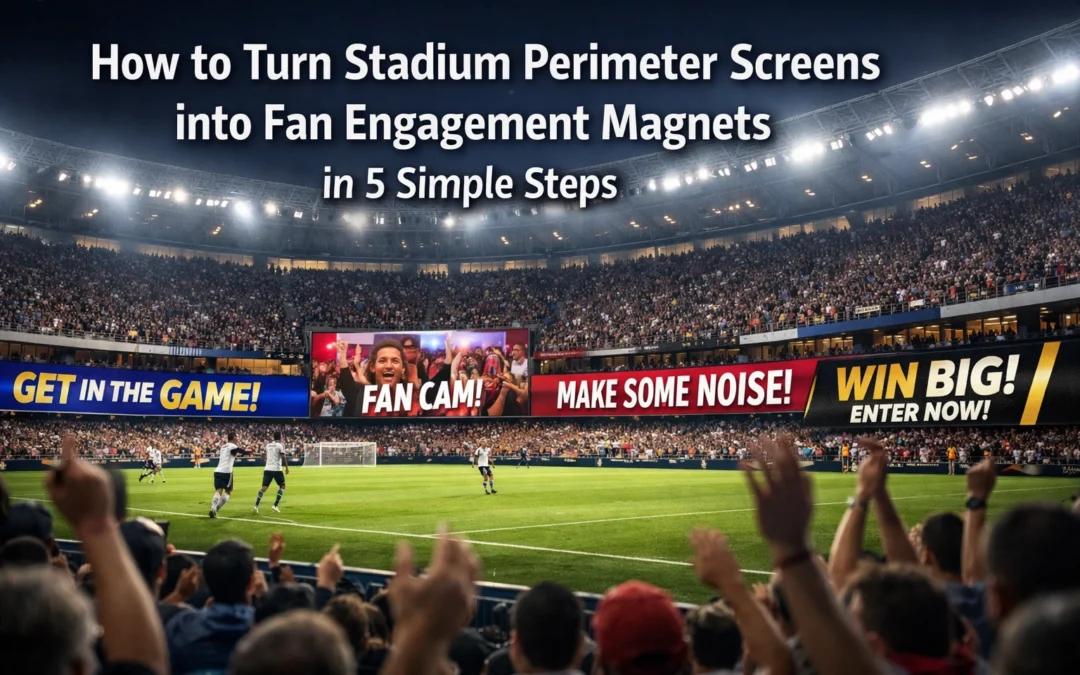
Stadium perimeter screens represent one of the most underutilized assets in sports marketing. While these digital displays circle the field or court, capturing attention at critical moments throughout the game, many brands treat them as simple rotating billboards. This approach misses the opportunity to transform passive spectators into active participants who engage with content, share experiences, and develop meaningful connections with brands.
The shift from static advertisements to dynamic engagement tools requires strategic planning and execution. Creative directors and CMOs who understand how to leverage these screens effectively can drive measurable results, from increased brand awareness to direct conversion metrics. The following five steps outline a practical framework for maximizing the engagement potential of stadium perimeter advertising.
Step 1: Enable Real-Time Interactivity
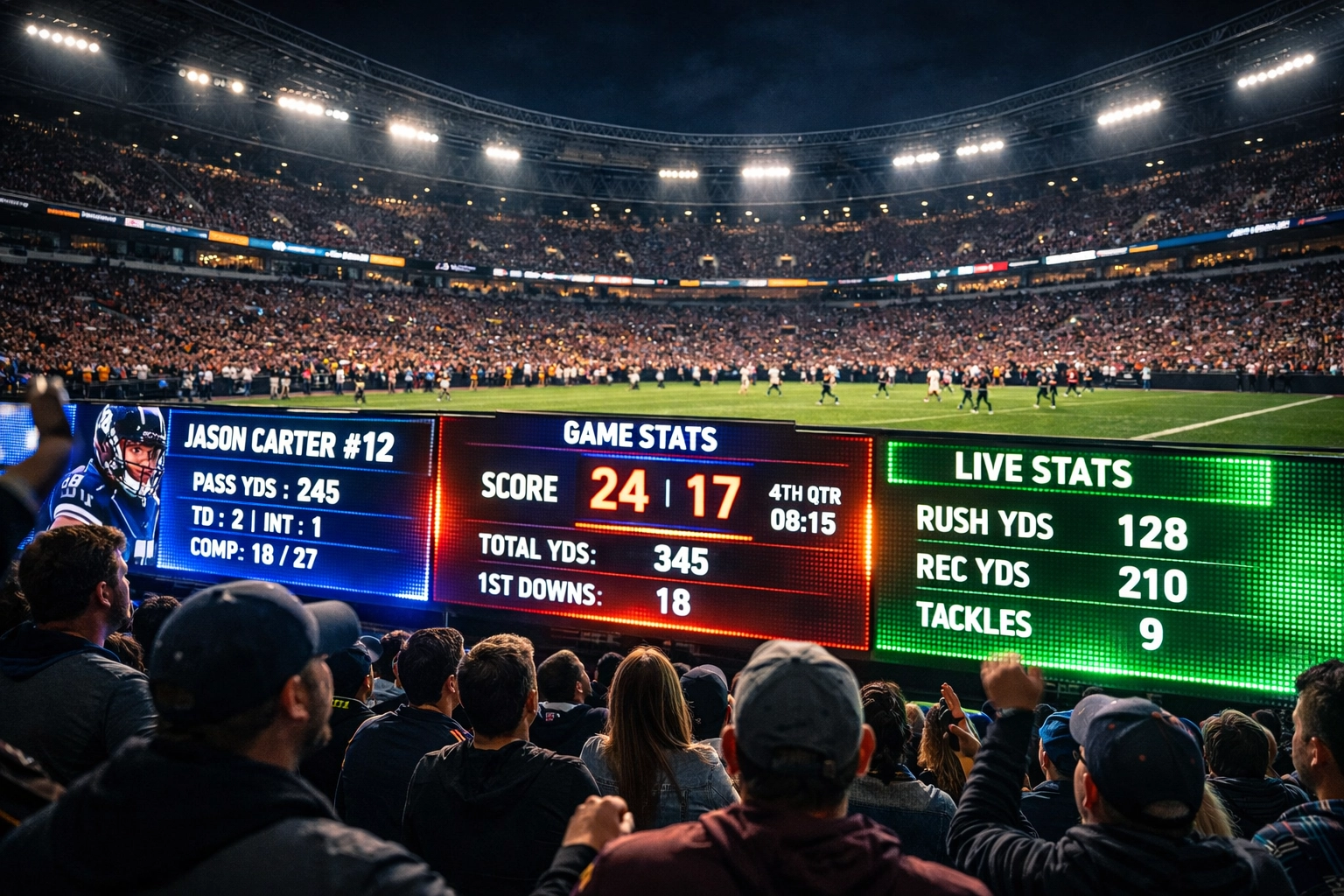
Real-time content creates immediacy and relevance that static messaging cannot match. Stadium perimeter screens positioned for this approach display live scores, player statistics, and game progression data that keeps fans informed and engaged throughout the event. When fans see information that changes based on what's happening on the field or court, they pay closer attention to the screens between plays.
Interactive polling transforms viewers from passive observers to active contributors. Questions posed during downtime, such as predictions for the next play or votes for player of the game, generate engagement while collecting valuable audience preference data. The display of poll results in real time validates fan participation and encourages continued interaction.
Live statistics create an immersive environment that sustains attention during natural game pauses. Displaying shooting percentages, yards gained, or time of possession adds a layer of information that enhances the viewing experience. Instant replays shown on perimeter screens from angles fans might have missed keep attention focused on the display even when action on the field has stopped.
This real-time approach positions brands as enhancing rather than interrupting the fan experience. When executed properly, the commercial message integrates seamlessly with content fans actually want to see.
Step 2: Integrate Social Media and Mobile Platforms
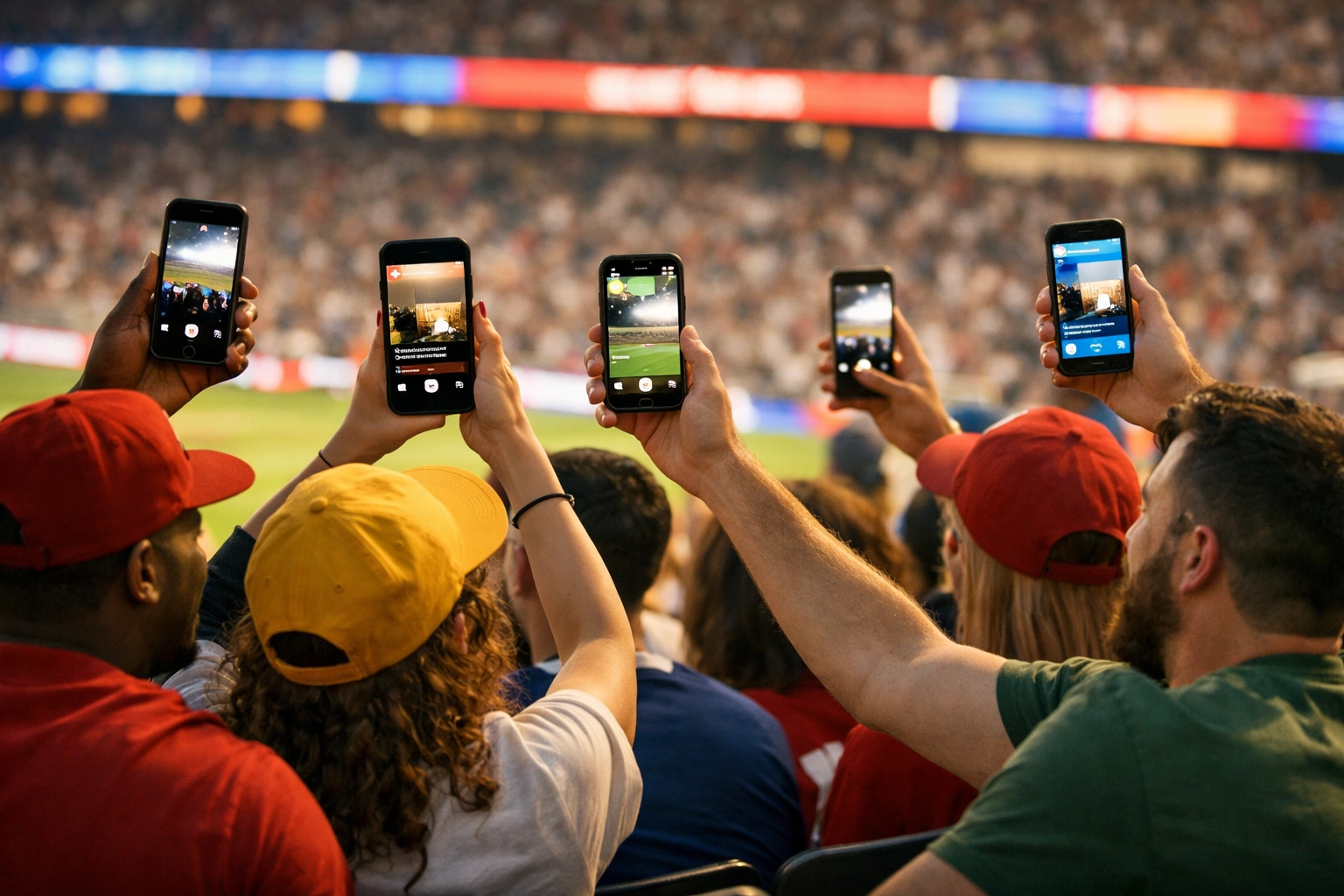
Stadium perimeter screens achieve maximum impact when they extend beyond the physical venue into digital spaces where fans already spend significant time. Social media integration allows displays to pull content directly from platforms like Twitter, Instagram, and TikTok, showing fan posts that use specific hashtags or mention the venue, team, or sponsor brands.
Seeing their own content displayed on stadium screens creates a powerful sense of validation for fans. When a photo, comment, or video appears on the perimeter display, it transforms a personal moment into a shared experience with thousands of other attendees. This approach generates organic social media activity as fans post content specifically hoping to see it featured, creating a self-reinforcing cycle of engagement.
QR codes displayed at strategic moments unlock additional layers of interaction. Fans who scan codes during timeout periods or between quarters can access exclusive content, product information, or limited-time offers. The ability to track scan rates and subsequent actions provides measurable data on engagement effectiveness.
Mobile app integration creates synchronized experiences between the physical and digital environments. Fans using team or venue apps can participate in real-time challenges, access enhanced statistics, or unlock rewards based on their location within the stadium. This dual-screen approach keeps fans engaged even during moments when their attention might otherwise drift away from both the game and the advertising displays.
Second-screen experiences that trigger based on game events add depth to the engagement strategy. When a team scores, the app can prompt fans to share their reaction on social media, participate in a celebration challenge, or claim a time-limited promotional offer, all of which can be reinforced through coordinated messaging on the perimeter screens.
Step 3: Personalize Fan-Centric Messages
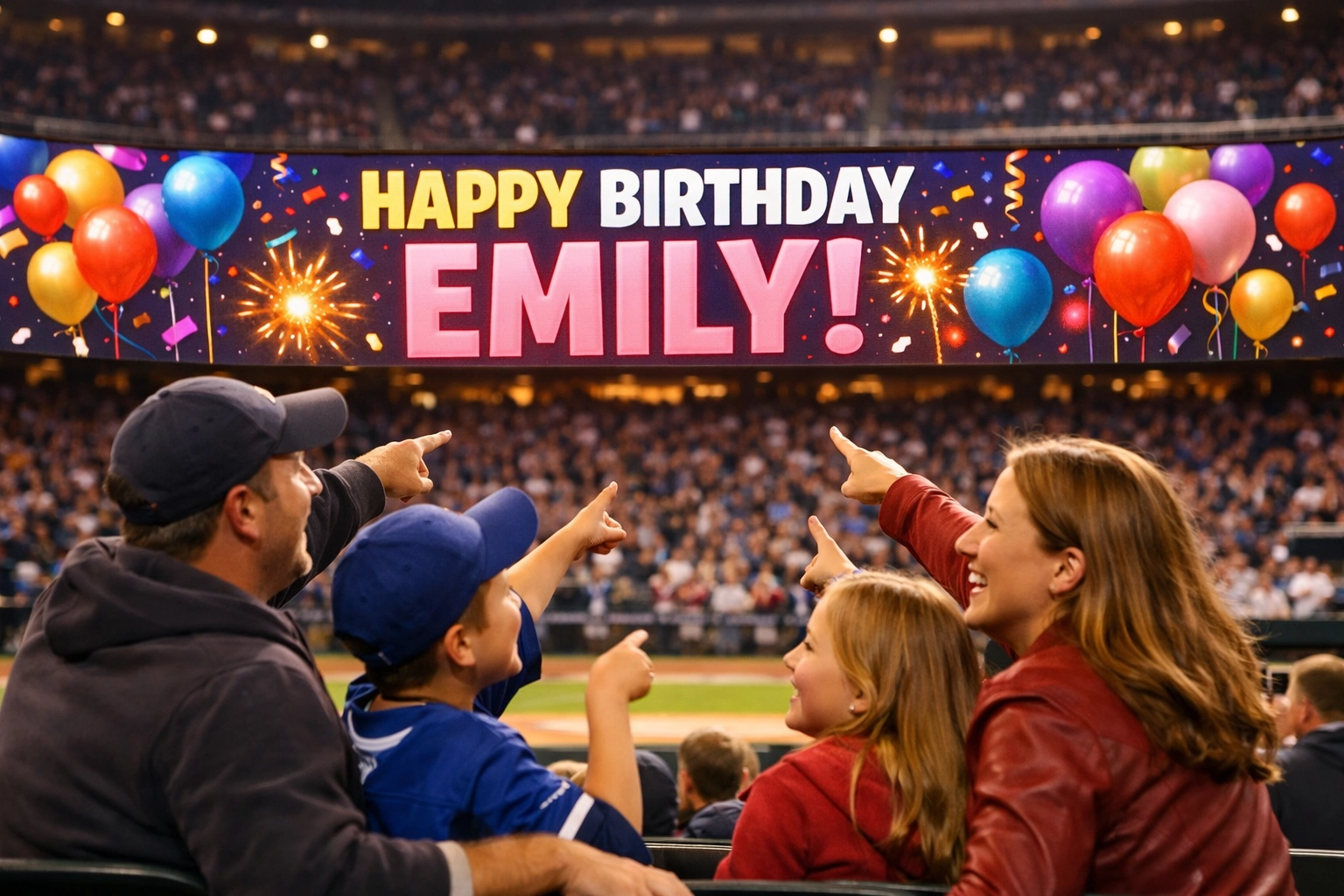
Generic advertising appeals to everyone and resonates with no one. Stadium perimeter screens offer opportunities for personalization that create emotional connections far stronger than traditional broadcast messaging. Birthday celebrations, anniversary acknowledgments, and milestone recognitions displayed on screens make individual fans feel valued and seen.
Personalized messaging extends beyond individual celebrations to segment-based customization. Different sections of the stadium can see different messages based on demographic data, seat location, or ticket holder profiles. Premium seat holders might see exclusive offers unavailable to general admission attendees, while family sections receive child-friendly brand messaging.
The key to effective personalization lies in making fans feel recognized without crossing into invasive territory. Messages that celebrate attendance streaks, season ticket holder tenure, or participation in venue activities create positive associations. This approach positions brands as understanding and appreciating the fan community rather than simply broadcasting sales messages.
Customized content delivery also allows for strategic sponsor partnerships where different brands own different moments within the game experience. One sponsor might be associated with first quarter fan recognition, while another owns halftime interactive features. This segmentation creates clear brand territories and prevents message fatigue from seeing the same sponsor repeatedly throughout the event.
Step 4: Showcase Dynamic Visual Content
Static images on stadium perimeter screens represent a failure to leverage the medium's full capabilities. Video-based promotions, animations, and product demonstrations capture attention more effectively and allow for more complex storytelling within the brief windows when fans glance at perimeter displays.
High-resolution video ensures that content remains vivid and compelling for spectators throughout the venue, from courtside seats to upper decks. The investment in quality production pays dividends in terms of message retention and brand perception. Brands that display professional, dynamic content are perceived more favorably than those running simple static logos or text-based advertisements.
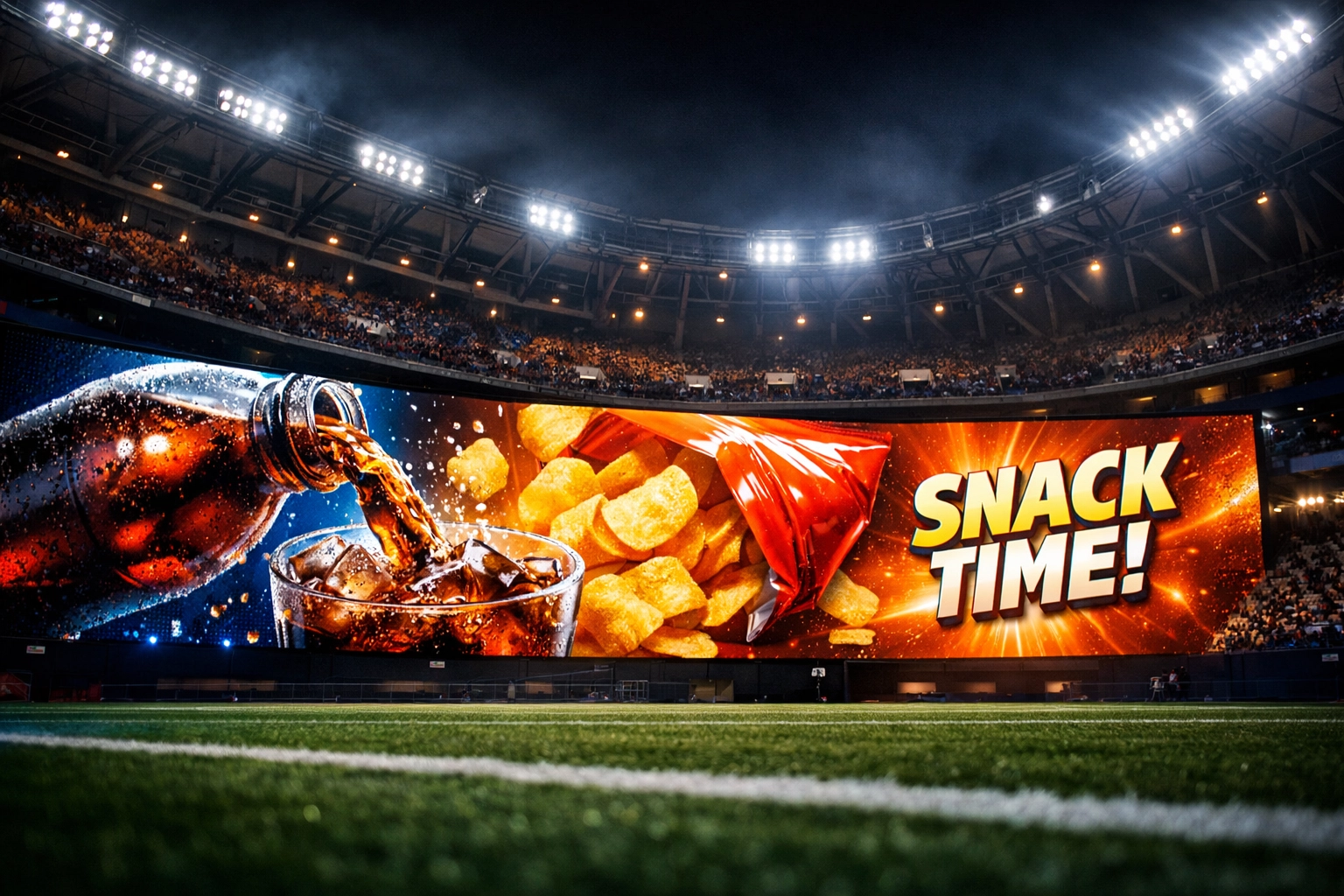
Content adaptation based on game flow creates relevance that generic rotation cannot achieve. A beverage brand might show refreshing product imagery during timeouts when fans are thinking about concessions, while financial services ads appear during natural breaks when fan attention is more receptive to considered purchase messaging.
The dynamic nature of video content also allows for A/B testing different creative approaches within the same game. Sponsors can measure which visual treatments, messaging frameworks, or calls to action generate the strongest response based on mobile engagement, QR code scans, or post-game survey data. This iterative approach continuously improves campaign effectiveness over time.
Product demonstrations that show items in use rather than simply displaying packaging or logos perform better in the stadium environment. Fans seeing products in action, particularly when those products relate to sports, fitness, or lifestyle activities, creates stronger purchase intent than static imagery.
Step 5: Implement Interactive and Gamified Elements
The next evolution in stadium perimeter advertising moves beyond passive viewing to active participation through interactive features and gamification. While not all venues currently support touchscreen perimeter displays, those that do unlock powerful engagement opportunities where fans can directly interact with content during breaks in play.
Interactive games that fans can play using mobile devices while results display on perimeter screens create shared experiences that build community among attendees. Trivia competitions, prediction challenges, and skill-based mini-games generate excitement while keeping attention focused on sponsor messaging integrated throughout the experience.
Gamification elements such as points, leaderboards, and rewards create ongoing engagement that extends across multiple games or an entire season. Fans who participate consistently earn recognition, exclusive access, or tangible rewards that incentivize continued interaction with sponsor brands. This long-term engagement model generates far more value than single-impression advertising.
The data collected through interactive and gamified features provides sponsors with behavioral insights that inform broader marketing strategies. Understanding which types of content generate the most engagement, which offers drive the strongest response, and which fan segments participate most actively allows for continuous campaign optimization.
Interactive capabilities also enable sponsors to collect opt-in contact information from highly engaged fans. When participation in a game or contest requires providing an email address or phone number, sponsors build first-party data assets while fans receive entertainment value and potential rewards in exchange.
Creating Lasting Connections
Stadium perimeter screens positioned as fan engagement tools rather than simple advertising placements generate measurably stronger results across awareness, consideration, and conversion metrics. The five-step framework outlined above provides a clear path from passive messaging to active engagement that benefits fans, venues, and sponsor brands simultaneously.
Successful execution requires coordination between venue technology capabilities, sponsor objectives, and fan preferences. Creative directors and CMOs who invest in understanding these dynamics position their brands for success in an increasingly competitive sports marketing landscape where attention is the scarcest resource.