

Digital out-of-home advertising has evolved from static billboards into a sophisticated, data-driven channel that delivers measurable results for sports marketers. As major sporting events continue to draw massive crowds and generate billions in viewer engagement, media buyers face a critical question: how can DOOH campaigns capture attention at the precise moments when fans are most receptive?
The answer lies in understanding the unique intersection of physical movement, emotional engagement, and real-time responsiveness that defines modern sports DOOH.
Why Sports DOOH Delivers Unprecedented Reach
The physical nature of sports creates natural advantages for out-of-home advertising. Fans gather in stadiums, travel through transit hubs, congregate in fan zones, and move through entertainment districts before, during, and after events. This concentrated movement places audiences directly in front of screens at high-intent moments.
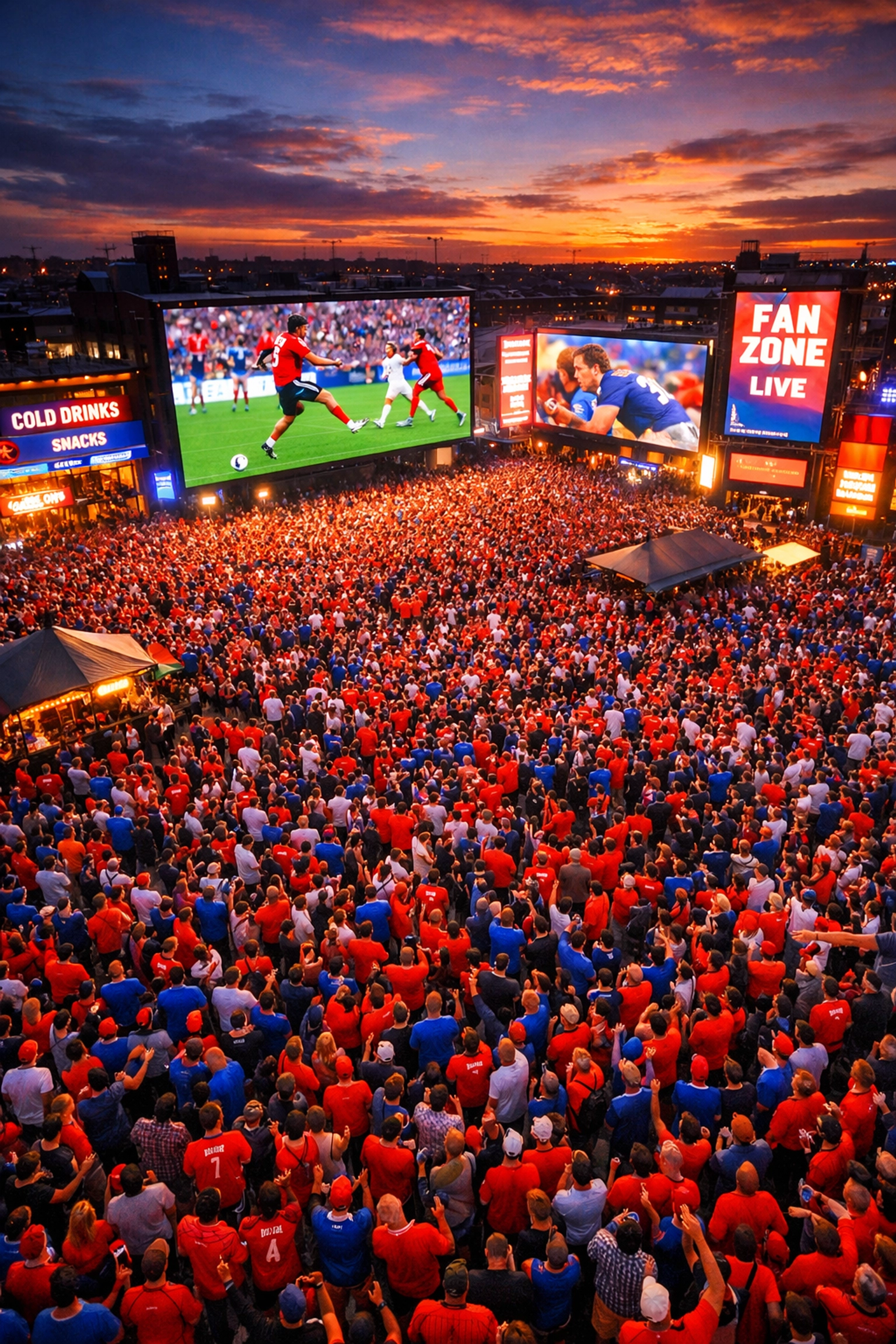
Data confirms the channel's effectiveness. More than 90 percent of fans take a follow-up action after seeing OOH at sporting events, and 99 percent of attendees who see OOH before a game spend money locally. Additionally, 42 percent of consumers discuss sporting events with friends or family after encountering OOH ads, creating organic amplification that extends campaign reach far beyond initial impressions.
Nearly six in ten fans recall seeing out-of-home advertising around major sporting events, demonstrating both the visibility and memorability of well-placed campaigns. For media buyers, this translates into a rare opportunity to reach audiences when emotional engagement peaks and purchase intent strengthens.
Strategic Inventory Planning for Maximum Impact
Successful sports DOOH campaigns begin with early inventory planning. Premium screens near stadiums, airports, transit corridors, and fan zones experience intense competition during major events. Securing inventory ahead of demand surges ensures brands achieve desired visibility in high-traffic locations.
Programmatic digital OOH (pDOOH) adds flexibility for last-minute activations and real-time adjustments, but core inventory should be locked in advance. This dual approach balances guaranteed placement with the ability to respond to emerging opportunities as events unfold.
Media buyers should prioritize locations aligned with fan movement patterns. During matches, focus concentrates around stadiums and fan zones. After events conclude, attention shifts to commuter corridors, city-center screens, and entertainment districts where fans continue socializing and sharing highlights. Geofencing and device data enable precise targeting based on actual movement through high-intent zones.
Dynamic Creative Optimization for Real-Time Relevance
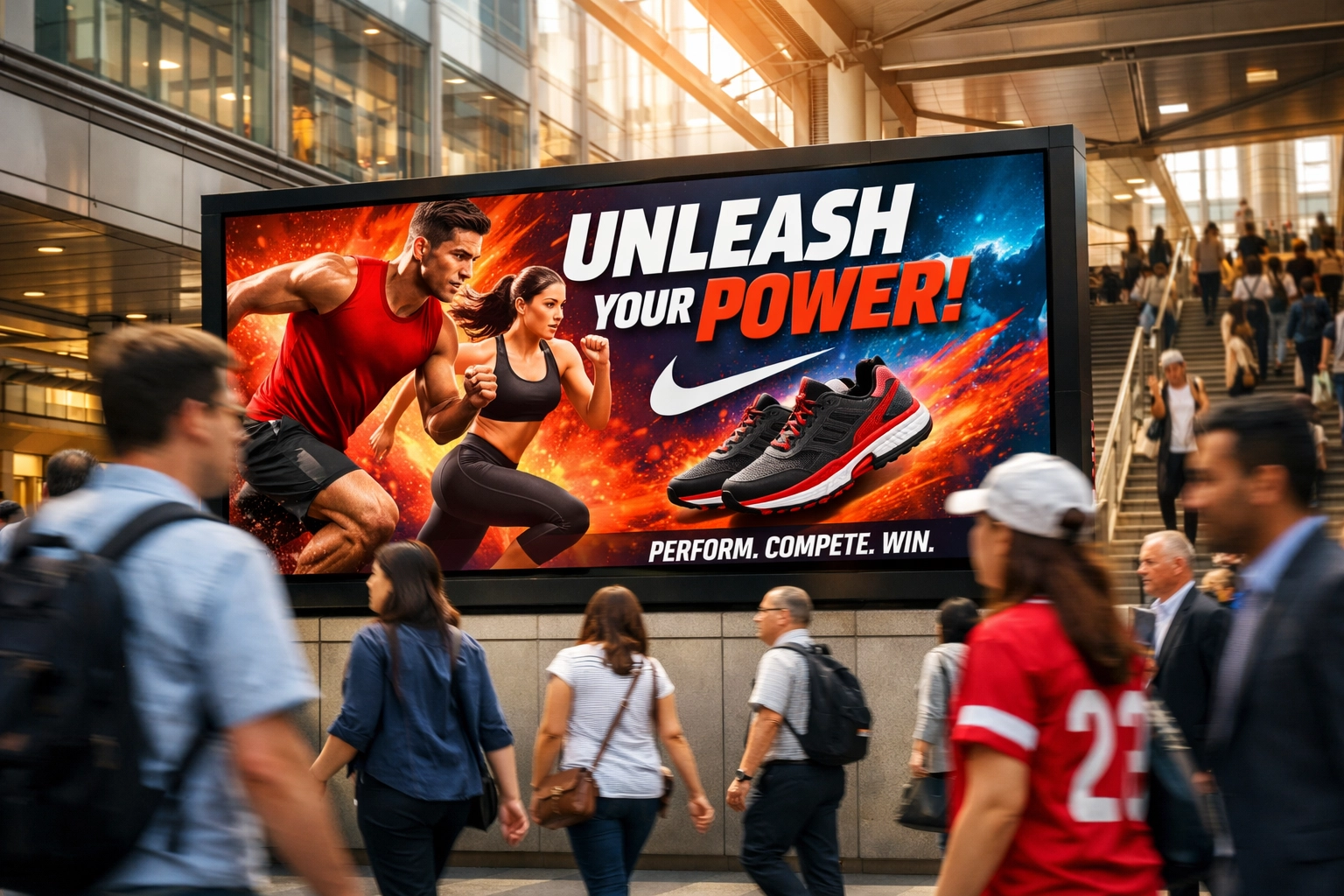
Sports deliver unpredictable moments that demand creative agility. A last-minute goal, an unexpected upset, or a weather delay can shift audience mood and attention instantly. Dynamic Creative Optimization (DCO) enables campaigns to react in real time without sacrificing production quality.
Pre-planned modular creative frameworks allow rapid updates. Instead of rebuilding assets from scratch, media buyers can swap messages, update scores, or adjust calls-to-action based on live developments. This approach maintains brand consistency while delivering timely, contextually relevant messaging.
Interactivity transforms DOOH from passive impressions into active engagement opportunities. QR codes, mobile prompts, and live polls enable audiences to interact directly with campaigns, generating first-party data and creating measurable follow-up actions. These interactive elements also provide immediate feedback on creative performance and audience interest levels.
Precision Targeting Through Location Intelligence
Geofencing and location data have revolutionized DOOH targeting capabilities. High-intent zones around airports, stadiums, transit hubs, and nightlife districts signal where fans gather and when engagement peaks. Programmatic DOOH activates ads when audiences are most receptive, aligning campaigns with real fan movement across host cities.
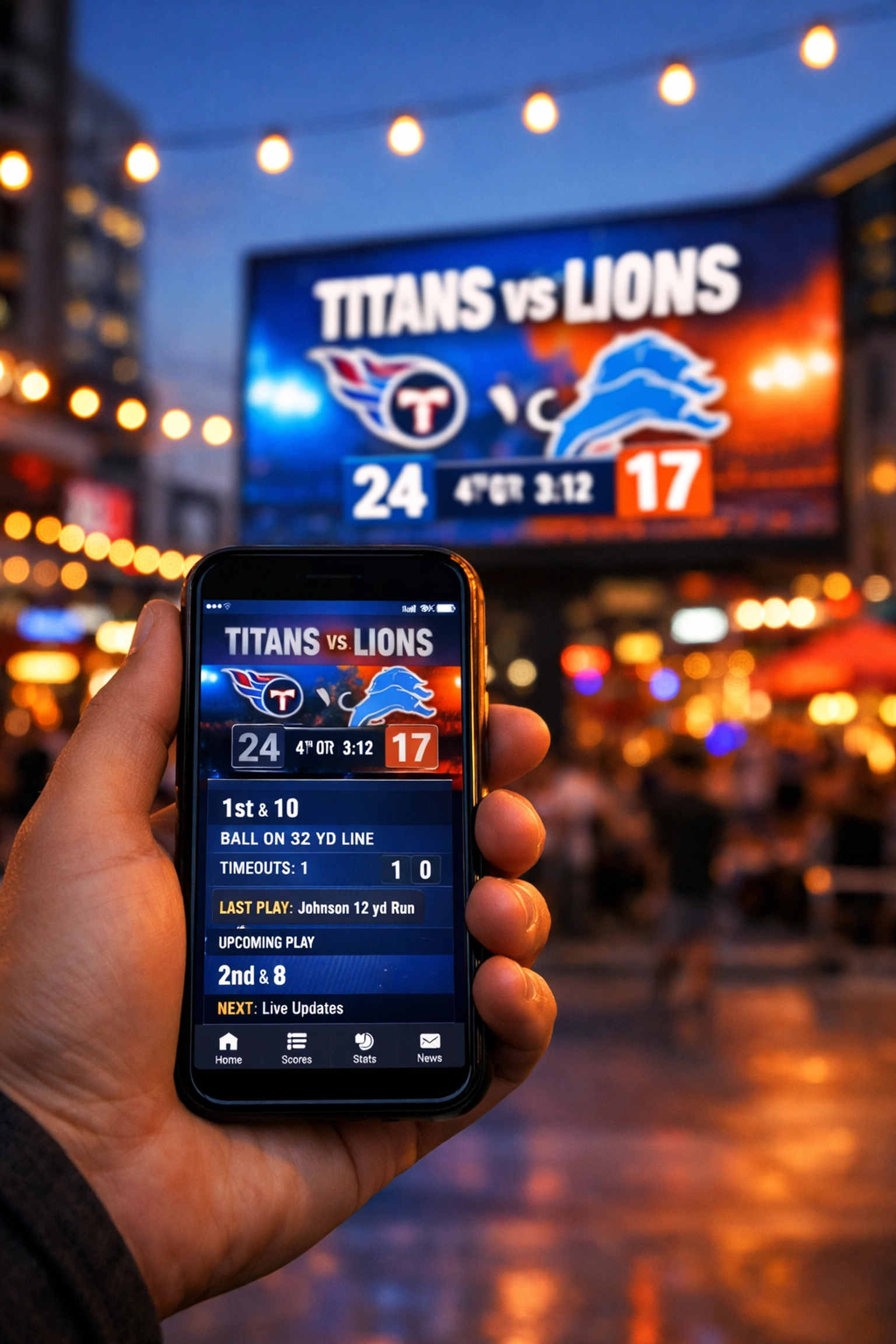
For brands without direct stadium inventory investments, demand-side platforms (DSPs) enable fluid activation across linear, CTV, mobile, and OOH channels. This omnichannel approach reaches highly engaged fans wherever they consume content, whether at home streaming matches or navigating city streets between venues.
Location intelligence also reveals unexpected opportunities. Post-event analysis might show elevated foot traffic at quick-service restaurants after evening matches or increased retail visits along specific fan routes. These insights inform future campaign planning and budget allocation decisions.
Measurement Strategies That Connect Exposure to Outcomes
Effective measurement extends beyond impression counts to track real-world impact. Post-event mobile location data reveals how ad placements near stadium exits, transit lines, or fan festival entrances influenced actual visits to branded locations. This attribution connects DOOH exposure directly to foot traffic and purchase behavior.
App installs and loyalty program activity provide additional performance indicators. Spikes in downloads or registrations on match days identify which host cities or fan zones drove the most engagement. Tracking these metrics during knockout rounds or championship games guides future spending priorities and creative decisions.
Category benchmarking offers broader context for campaign performance. Sports and recreation consistently emerge as strong-performing categories in DOOH campaigns, while automotive brands often achieve exceptional results when campaigns reach cultural relevance at scale. Understanding these benchmarks helps media buyers set realistic performance expectations and identify optimization opportunities.
Emerging Technologies Reshaping Sports DOOH
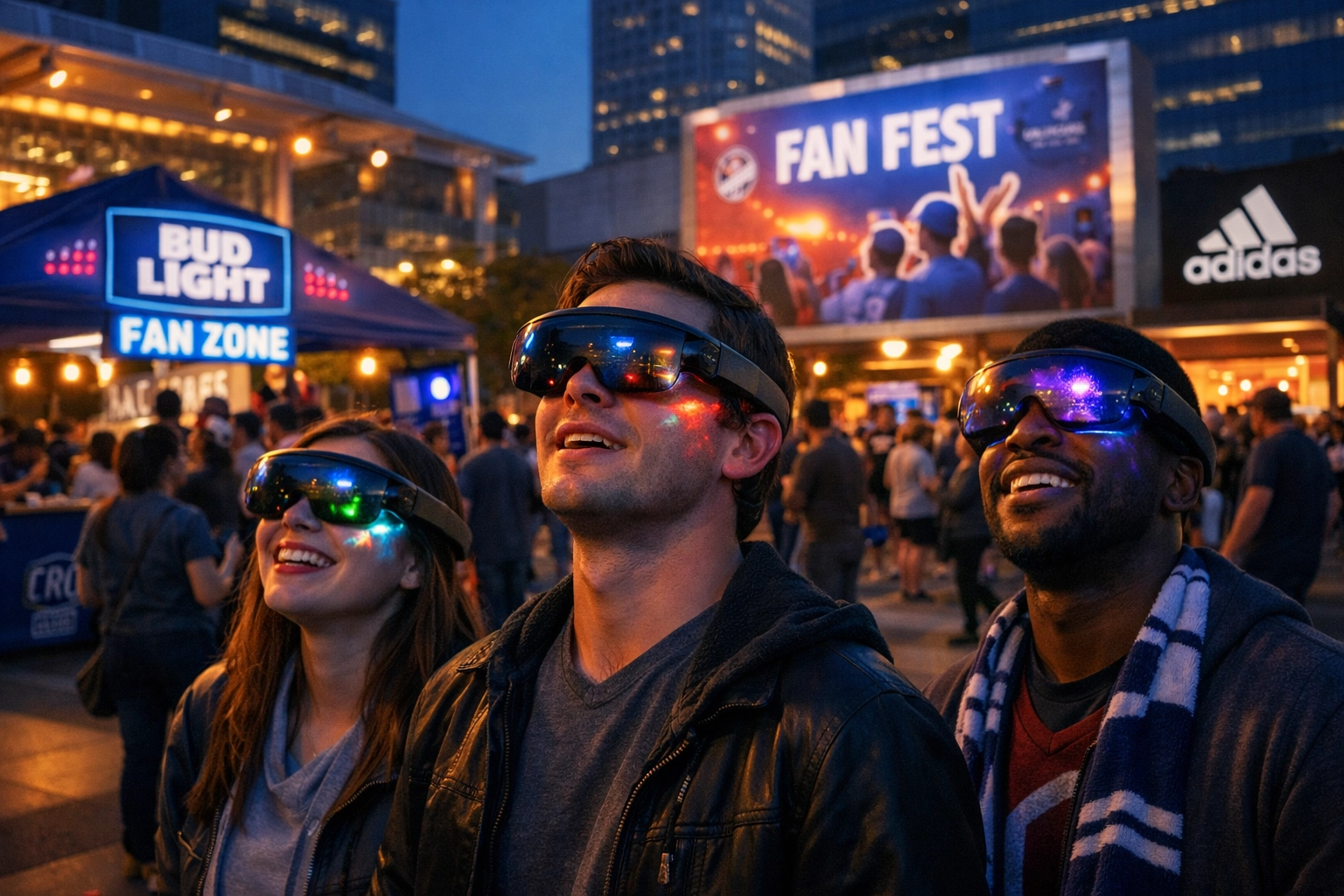
Mixed Reality (MR) enables brands to create event-sized moments without physical builds. These immersive experiences can be localized by city or team and are inherently designed for short-form social distribution. For sponsors looking to amplify their presence beyond traditional media weight, MR offers a path to outsized visibility and fan-driven sharing.
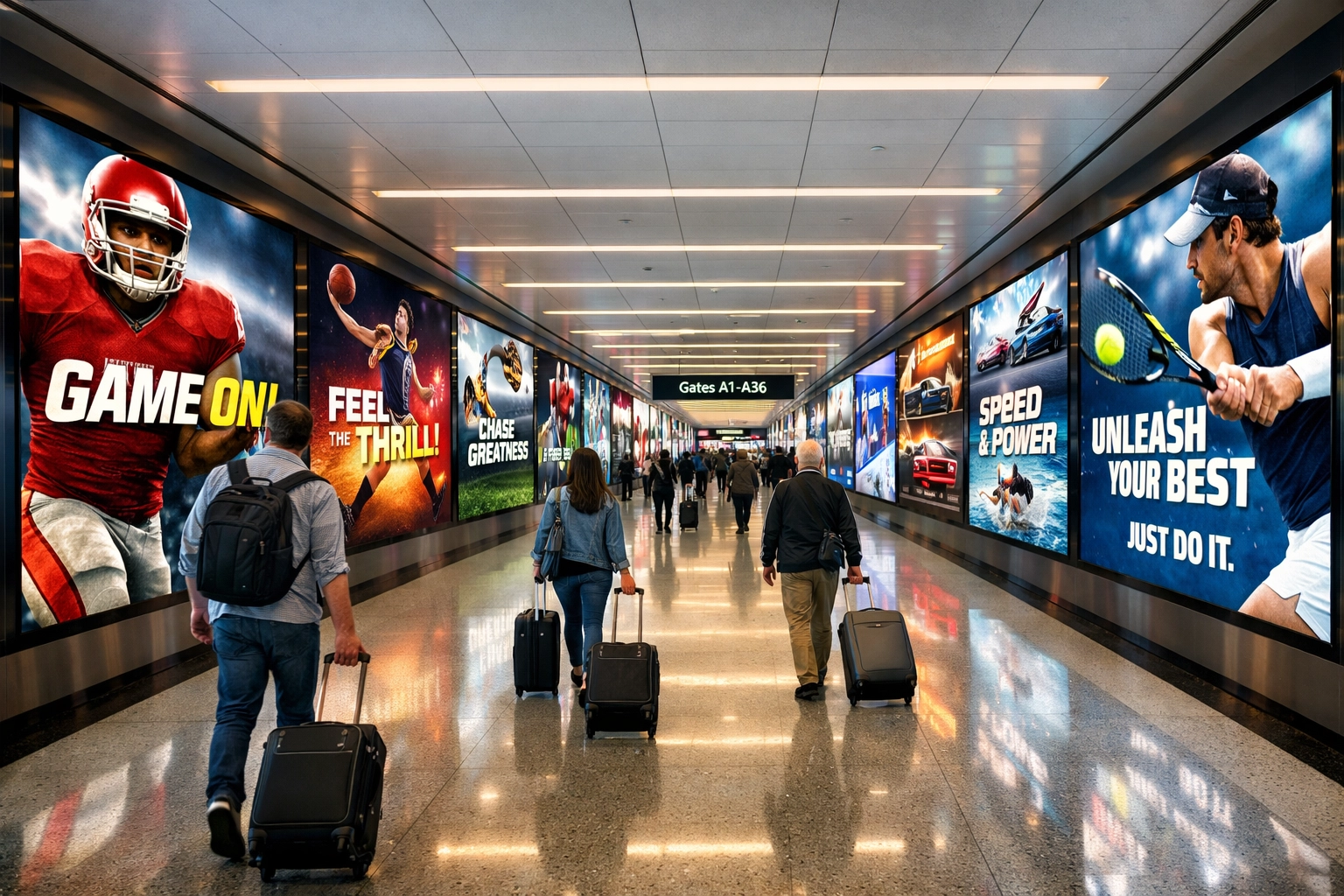
The trend accelerates as sports blur with entertainment, music, fashion, and gaming. Hybrid experiences built to travel across physical venues, streaming platforms, and social feeds require DOOH creative that complements these cross-disciplinary activations. Media buyers should design campaigns flexible enough to work across multiple touchpoints while maintaining consistent messaging and visual identity.
Smart TV home screens capture attention before fans land in live matches, offering early-journey reach that primes audiences for subsequent DOOH exposures. As streaming concentrates sports audiences into fewer platforms, DOOH becomes more valuable as a complementary touchpoint reaching fans in physical spaces where they gather and socialize.
Integrating DOOH with Broader Campaign Strategy
Sports DOOH performs best when integrated into comprehensive omnichannel strategies. While nearly 43 percent of major event viewers plan to watch via streaming services, DOOH captures attention during the physical moments streaming cannot reach: travel to venues, gatherings in fan zones, and post-event celebrations in entertainment districts.
This complementary relationship extends campaign impact beyond screen time. Fans who see consistent messaging across streaming platforms, mobile devices, and out-of-home screens experience reinforced brand presence that drives recognition and recall. The physical nature of DOOH adds tangible weight to digital impressions, creating a more complete brand experience.
Media buyers should coordinate creative across channels while respecting each medium's unique strengths. DOOH excels at high-impact visuals, location-specific messaging, and real-time relevance. Digital channels enable detailed targeting, frequency management, and deeper audience insights. Together, they create campaign architectures that meet audiences throughout their journey from awareness to action.
Actionable Steps for Media Buyers
Begin planning early to secure premium inventory before competition intensifies. Combine reserved placements with programmatic capabilities to balance guaranteed visibility with real-time flexibility. Deploy dynamic creative frameworks that enable rapid updates without sacrificing production quality or brand consistency.
Leverage geofencing for precise audience targeting based on actual fan movement through high-intent zones. Implement measurement systems that connect DOOH exposure to real-world outcomes, including foot traffic, app installs, and purchase behavior. Integrate DOOH with streaming and broadcast strategies to reach fans across multiple touchpoints throughout event lifecycles.
Consider emerging technologies like Mixed Reality for amplified moments that generate social sharing and cultural presence. Design campaigns flexible enough to complement hybrid experiences spanning physical venues, streaming platforms, and social feeds.
Sports DOOH offers media buyers a rare combination of massive reach, emotional engagement, and measurable impact. Success requires strategic planning, creative agility, and measurement systems that connect advertising exposure to real-world outcomes. For brands ready to meet fans at the moments that matter most, the opportunity has never been greater.