
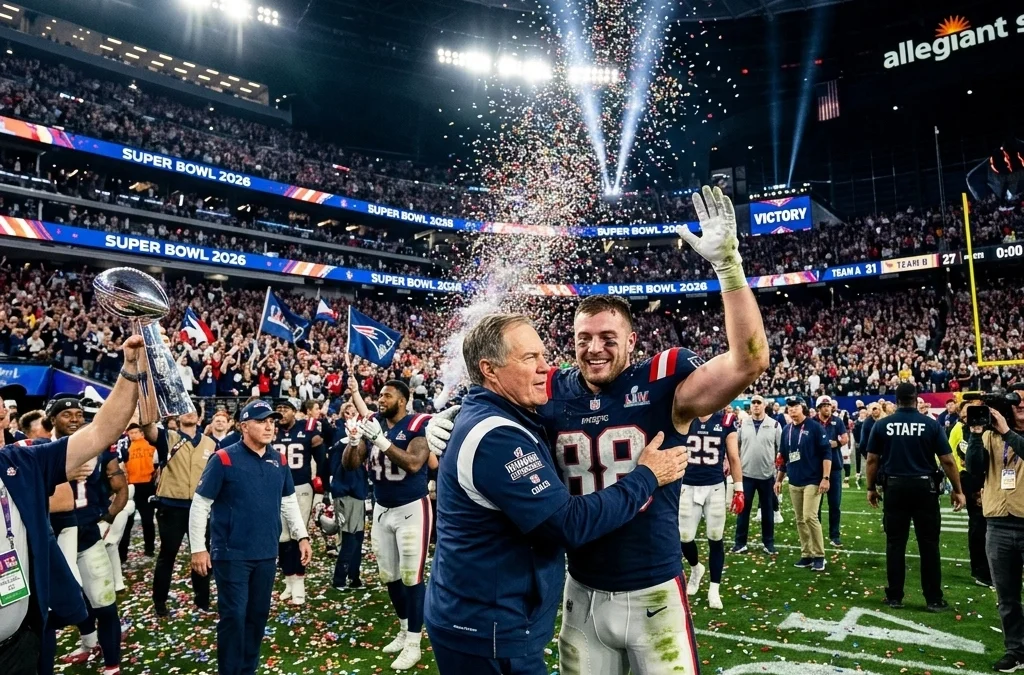
Super Bowl LX, held on February 8, 2026, at Levi’s Stadium in Santa Clara, California, marked a pivotal moment in the history of sports advertising. The matchup between the Seattle Seahawks and the New England Patriots, resulting in a 31,27 victory for Seattle, was not only a spectacle of athletic prowess but also a masterclass in modern out of home (OOH) advertising. For organizations with 40 years of leadership in the advertising space, this event served as a culmination of decades of strategic evolution, moving from static billboards to a fully integrated, venue wide digital experience.
The landscape of the 2026 championship demonstrated that successful brand placement is no longer restricted to thirty second television spots. It now encompasses a comprehensive saturation strategy that begins miles away from the stadium and follows the consumer through every physical touchpoint. By leveraging four decades of industry expertise, OOH Sports has refined the process of capturing attention in high pressure environments, ensuring that brand messages are not just seen but remembered.
The Foundation of Advertising Leadership
Success during a high stakes event like the Super Bowl requires more than just high budgets. It demands an understanding of crowd psychology and physical movement patterns. Over 40 years, the methodologies for OOH advertising have shifted significantly. The early years focused on long term, static placements that lacked flexibility. Today, the focus is on agility and real time relevance.
Leadership in this category involves predicting consumer behavior before the first fan enters the stadium. The 2026 campaign strategy was built on the principle of total venue immersion. This approach ensures that from the moment a fan exits their vehicle in the parking lot to the moment they take their seat, the brand presence is constant and cohesive.

Venue Wide Coverage: From Floors to Billboards
The 2026 advertising strategy utilized a multi layered approach to coverage. Traditional billboards along the highways leading to Santa Clara provided the initial brand exposure. These high impact displays served as the "top of the funnel," establishing brand presence for the thousands of fans traveling to Levi’s Stadium.
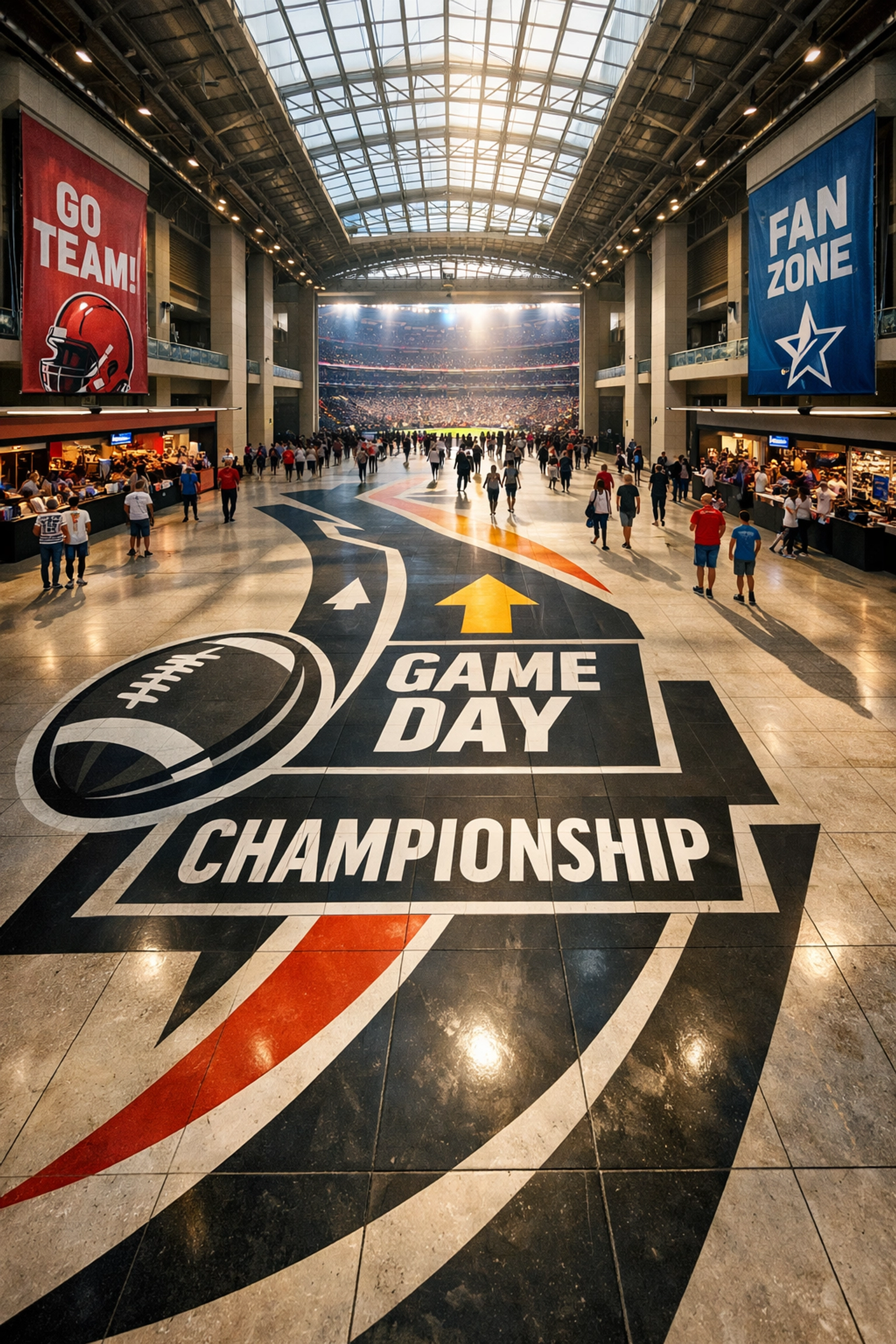
However, the real innovation occurred within the stadium walls. Venue wide coverage included floor graphics, pillar wraps, and digital signage located in high traffic concourses. Floor graphics are often overlooked, yet they represent a high engagement touchpoint as fans navigate crowded hallways. When combined with traditional eye level signage, these placements create a three dimensional brand environment.
https://www.youtube.com/watch?v=l6J-0zileKE
This video highlights the dynamic nature of modern sports marketing and the energy required to compete on a global stage. The integration of physical and digital assets is what separates a standard campaign from a championship level execution.
The Mechanics of Programmatic DOOH
One of the core secrets to the success of the 2026 Super Bowl campaigns was the use of programmatic digital out of home (DOOH) advertising. Unlike traditional methods that require weeks of lead time, programmatic DOOH allows for real time adjustments based on game conditions or audience demographics.
By utilizing platforms like the StackAdapt DSP, advertisers were able to bid on inventory in real time. This technology allowed brands to change their creative messaging based on the score of the Seahawks vs. Patriots game. For example, if a specific play generated significant social media buzz, DOOH screens could be updated within minutes to reflect that cultural moment.
Strategic choices in programmatic DOOH are backed by significant data. Previous studies, such as the White Claw programmatic campaign, showed a 74% lift in purchase consideration. Similar results were seen with Mike’s Hard Iced Tea, which experienced a 119% lift in positive brand image. These metrics underscore why data driven OOH is the gold standard for events like the Super Bowl.
Real Time Engagement and Betting Integration
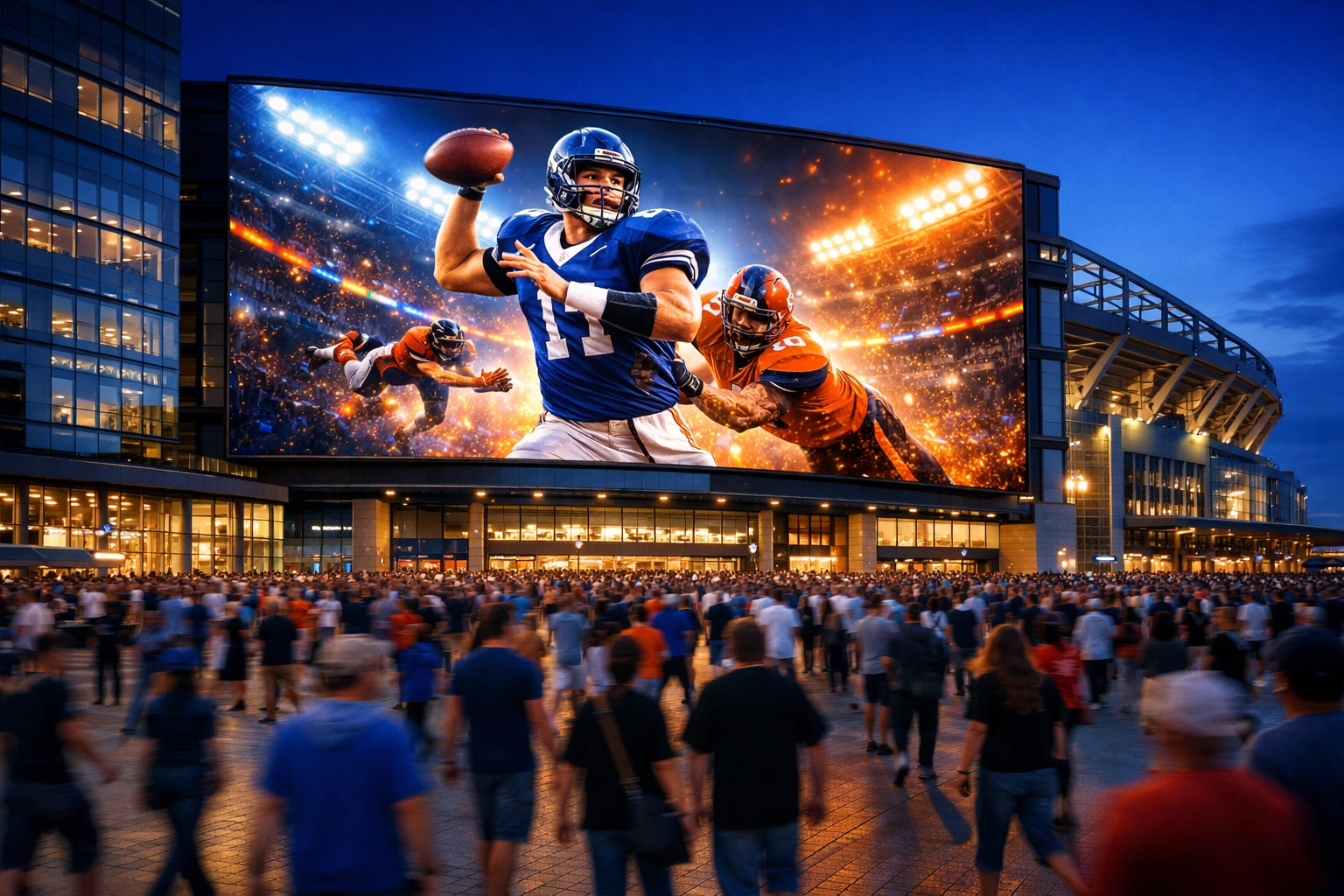
The 2026 Super Bowl saw a record breaking integration of real time sports betting advertisements. With the expansion of legal sports wagering, brands had to find ways to convert fans in the moment. According to research on real time sports betting DOOH campaigns, the ability to update odds on a billboard in under 24 hours is a critical competitive advantage.
During the Seahawks and Patriots matchup, betting operators used DOOH screens to display live odds for the next scoring play. This kept the audience engaged with the brand even during breaks in the action. The strategy relied on the speed of digital infrastructure to maintain relevance in a fast paced environment.
Strategy and Objective: Why Venue Saturation Works
The primary objective of venue wide saturation is to eliminate the "blind spots" found in traditional advertising. When a brand controls the billboards outside the stadium and the floor graphics inside, it creates a surrounding effect. This repetition reinforces brand recall without requiring the consumer to actively seek out the information.
Tactics used in the 2026 campaign included:
- Geofencing the stadium perimeter to sync mobile ads with physical OOH displays.
- Utilizing high brightness Sportrons to ensure visibility even in direct California sunlight.
- Deploying directional floor graphics that served both a functional purpose (wayfinding) and a promotional purpose.
This level of detail is a result of 40 years of refining logistics. Executing a campaign of this magnitude requires coordination with stadium management, local government for billboard permits, and technical partners for programmatic delivery.
Analyzing the Results: ROI in Sports Marketing
The debate between programmatic DOOH and traditional stadium ads was settled by the performance data of 2026. While traditional fixed signage provides consistent visibility, programmatic assets delivered a higher return on investment (ROI) due to their targeting capabilities.
Key findings from the Super Bowl LX cycle included:
- Brands using a mix of venue wide coverage and mobile retargeting saw a 144% increase in purchase consideration, similar to the results seen in the Sea-Doo digital OOH campaign.
- Attribution studies confirmed that fans exposed to highway billboards and stadium floor graphics were 30% more likely to visit a retail location within 48 hours of the game.
- The total sports advertising market is projected to reach 50 billion dollars by 2030, a trend fueled by the success of high visibility events like Super Bowl LX.
Technological Logistics and Execution
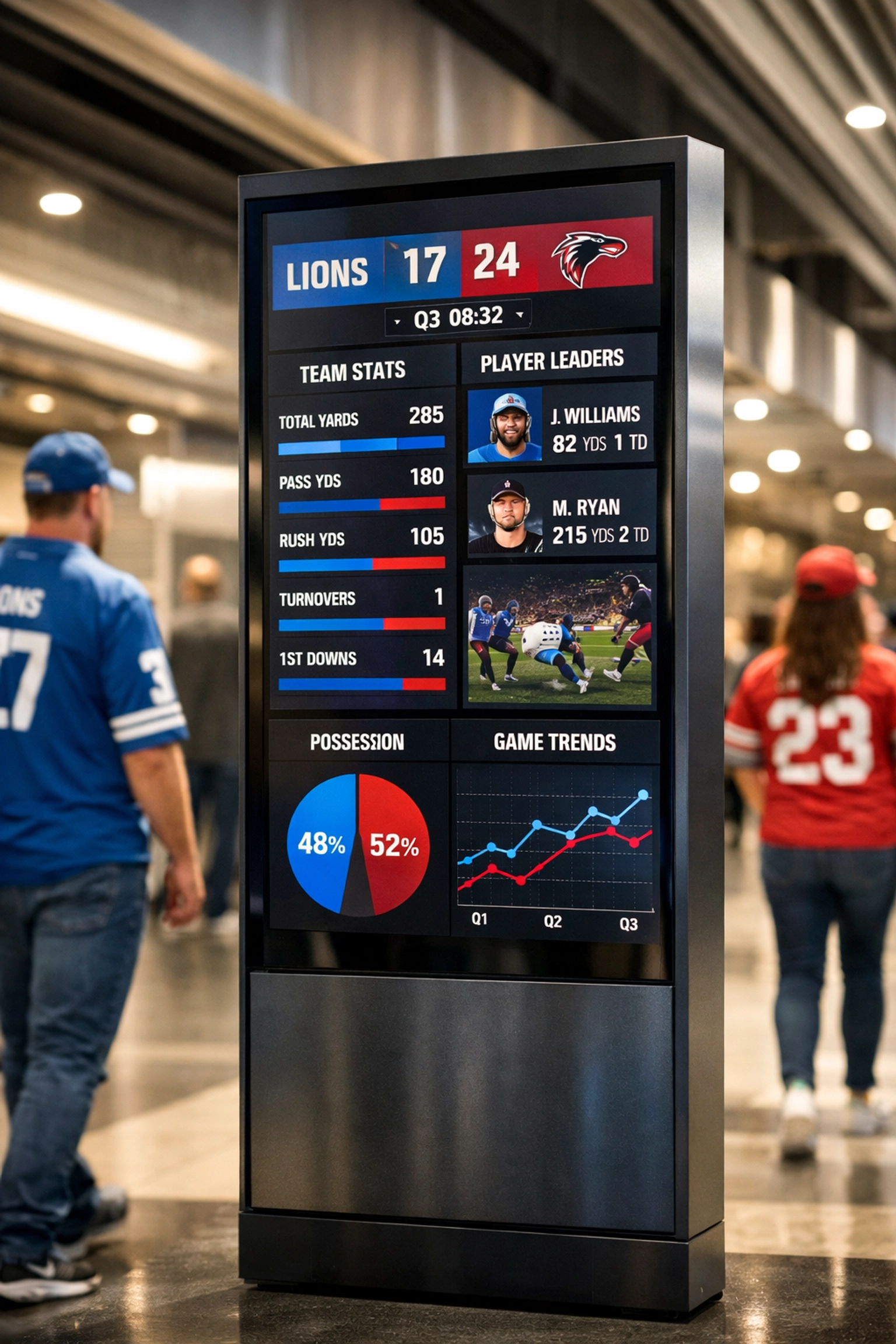
The execution of the 2026 campaign involved sophisticated hardware and software. High definition LED screens were programmed to adjust their brightness based on the time of day, ensuring optimal visibility during the afternoon kickoff and the evening conclusion. The logistical challenge of installing miles of floor graphics and dozens of temporary digital kiosks was managed through a series of logical steps that prioritized high traffic zones first.
Targeting was based on device IDs exposed to the OOH assets. By capturing these IDs, brands were able to retarget audiences on their smartphones throughout the following week, a technique known as omnichannel marketing. This ensured that the impact of the Super Bowl investment lasted well beyond the final whistle.
The Evolution of the Fan Experience
The fan experience at Levi’s Stadium in 2026 was more interactive than ever before. Advertising was not just a background element, it was a part of the entertainment. From the Nike "ambush" marketing tactics observed in previous major sporting events to the current official partnerships, the goal remains the same: dominance of the visual landscape.
Organizations that understand the nuances of out of home advertising recognize that the "secret" to winning is not a single secret at all. It is a combination of 40 years of historical data, cutting edge programmatic technology, and a commitment to venue wide saturation. As the industry moves toward 2030, the lessons learned from the Seahawks victory in 2026 will serve as the blueprint for future success in sports marketing.
For more information on how to implement these strategies, visit the OOH Sports blog or contact the marketing team for a consultation. Detailed case studies are also available to illustrate the impact of these methods across different categories and markets.
The success of Super Bowl LX proved that when advertising leadership meets innovative technology, the results are measurable, impactful, and undeniable. By focusing on the mechanics of engagement and the logistics of venue wide coverage, brands can secure their place in the minds of millions of fans, regardless of the score on the field.