
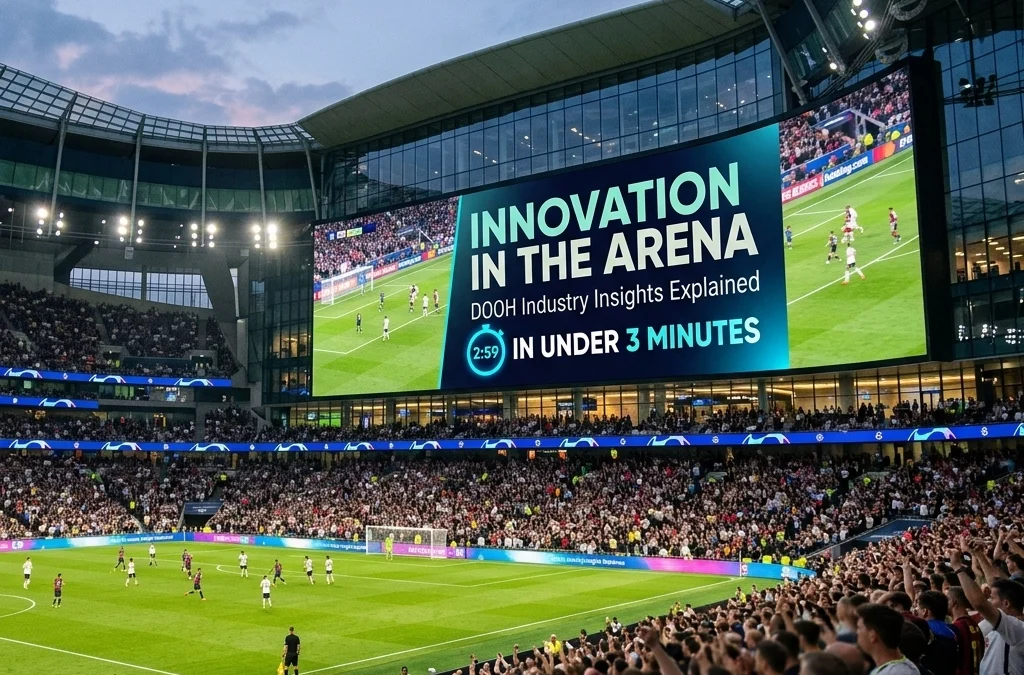
The landscape of sports advertising is undergoing a significant transformation as digital out-of-home (DOOH) technology integrates deeper into the stadium and arena experience. This evolution is driven by advancements in programmatic buying, data analytics, and high impact visual hardware. For brands and advertisers, staying informed on these shifts is essential for maintaining a competitive edge in high traffic environments.
Market Dynamics and Growth Projections
The global DOOH industry is on a trajectory of sustained expansion. Market research indicates that the sector is projected to reach an estimated $39.12 billion globally within the next few years. This growth represents a substantial increase from previous valuations, signaling a shift in how budgets are allocated within the broader advertising mix.
In the United States alone, out-of-home revenues have reached significant milestones, with digital formats now comprising over 36 percent of total OOH revenues. This transition from static to digital is not merely a change in medium but a fundamental shift in capabilities. Digital formats allow for dynamic content, real time updates, and programmatic execution that static billboards cannot match.
The Programmatic Revolution in Sports Environments
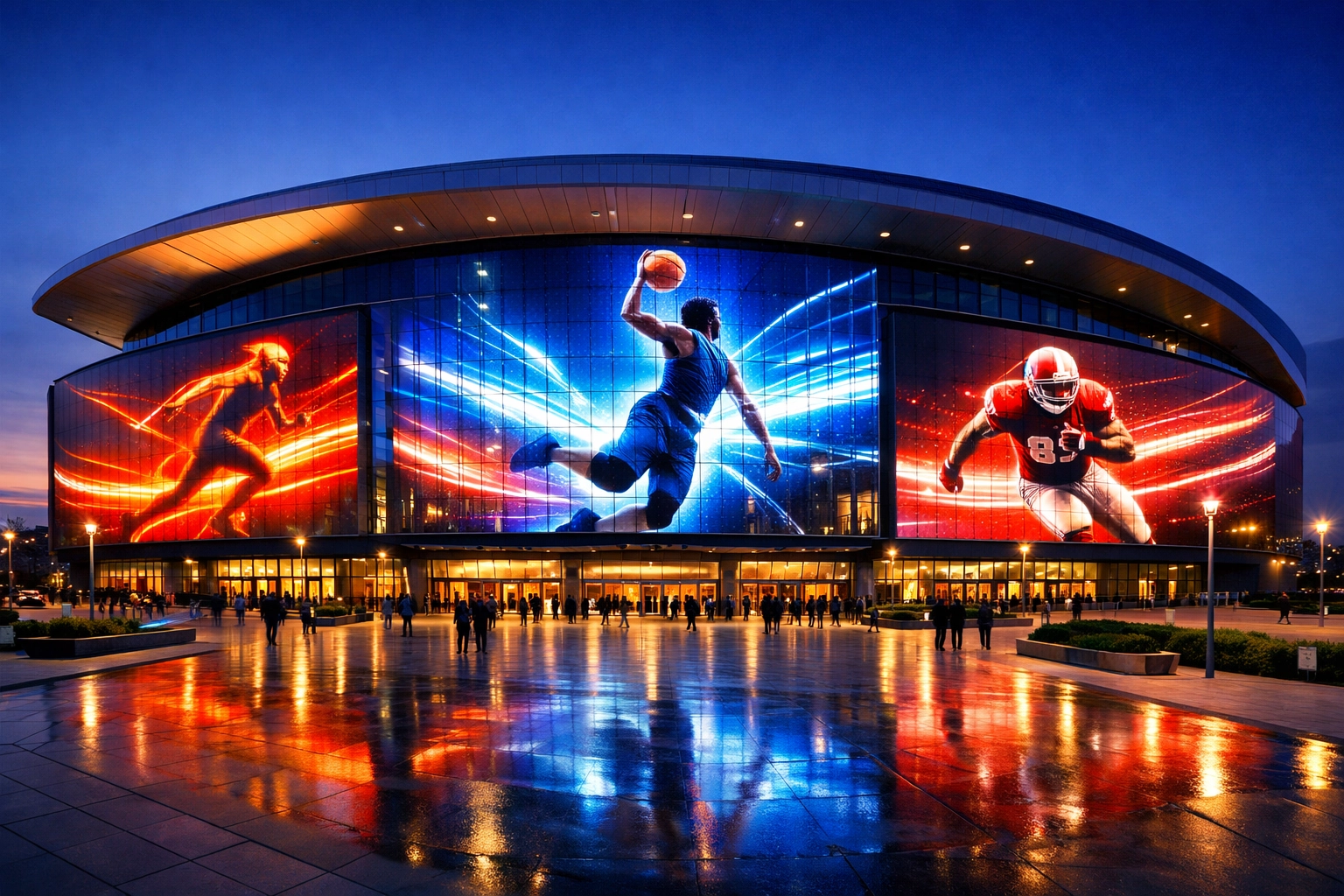
One of the most impactful trends in the industry is the rise of programmatic DOOH (pDOOH). This technology allows for the automated buying and selling of ad space, similar to how digital display ads are traded online.
Automated Buying and Real Time Bidding
Programmatic DOOH is transforming the space by replacing traditional fixed price agreements with automated systems. This enables:
- Real time bidding (RTB) for available inventory.
- Dynamic pricing based on demand and audience density.
- The ability to launch and pause campaigns instantly.
Estimates suggest that automated buying in the DOOH sector will continue to scale, reaching billion dollar benchmarks as more inventory becomes available through supply side platforms. This flexibility is particularly valuable in sports marketing, where game times, weather conditions, and team performances can fluctuate, requiring brands to be agile in their messaging.
Mid Campaign Optimization
Unlike traditional OOH, which requires physical installation and long lead times, pDOOH enables mid campaign optimization. Advertisers can track performance metrics and upweight top performing locations in real time. If a specific stadium or surrounding high traffic area is driving higher engagement, budgets can be shifted immediately to maximize impact.
Learn more about these strategies at https://oohsports.com/2025/03/29/dooh-sports-advertising-will-hit-50-billion-by-2030-7-strategies-to-capture-your-share.
Data Driven Targeting and Artificial Intelligence
The shift from novelty to ROI is being led by data integration and artificial intelligence. AI is no longer just a tool for creative generation, it is now a critical component of media mix optimization and measurement.
Advanced Audience Targeting
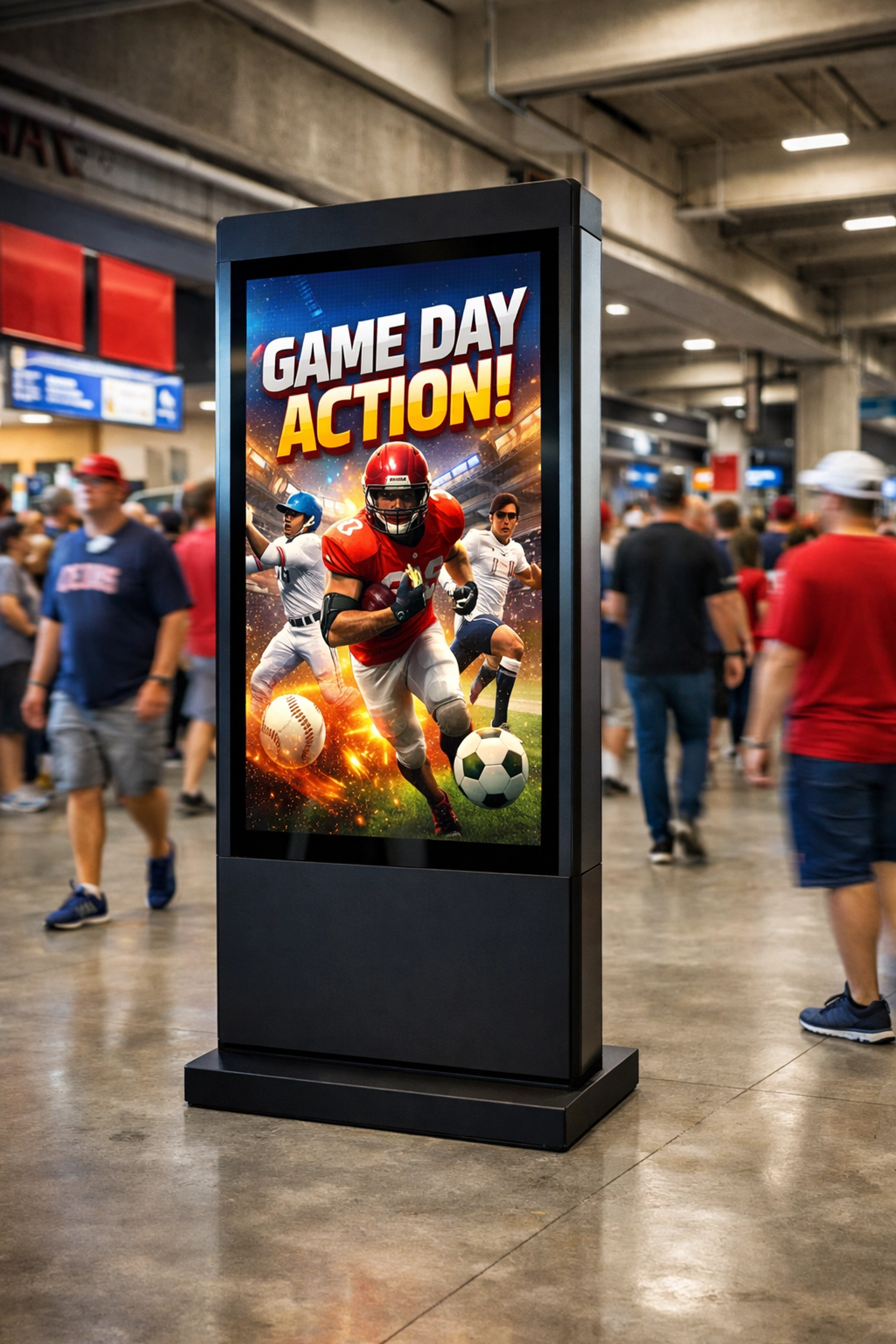
Modern DOOH platforms leverage first party data and mobile location data to ensure that ads reach the right people at the right time. Research shows that 96 percent of senior advertising executives believe DOOH data improves campaign creativity and enables more granular targeting. In a sports context, this means targeting fans not just by their location, but by their interests, purchasing behavior, and even the specific events they attend.
AI and Efficiency
AI is being utilized to prove measurable value. By analyzing vast amounts of data, AI can predict foot traffic patterns and optimize when an ad should be displayed for maximum visibility. This level of efficiency ensures that every dollar spent on a campaign is contributing to the overall return on investment.
Measurement and Attribution Standards
Historically, OOH was viewed as a top of funnel awareness play with difficult to measure results. This perception is changing rapidly due to new industry standards and technological innovations.
The Interactive Advertising Bureau (IAB) has released comprehensive DOOH Measurement Guides to establish industry wide standards. These guidelines focus on:
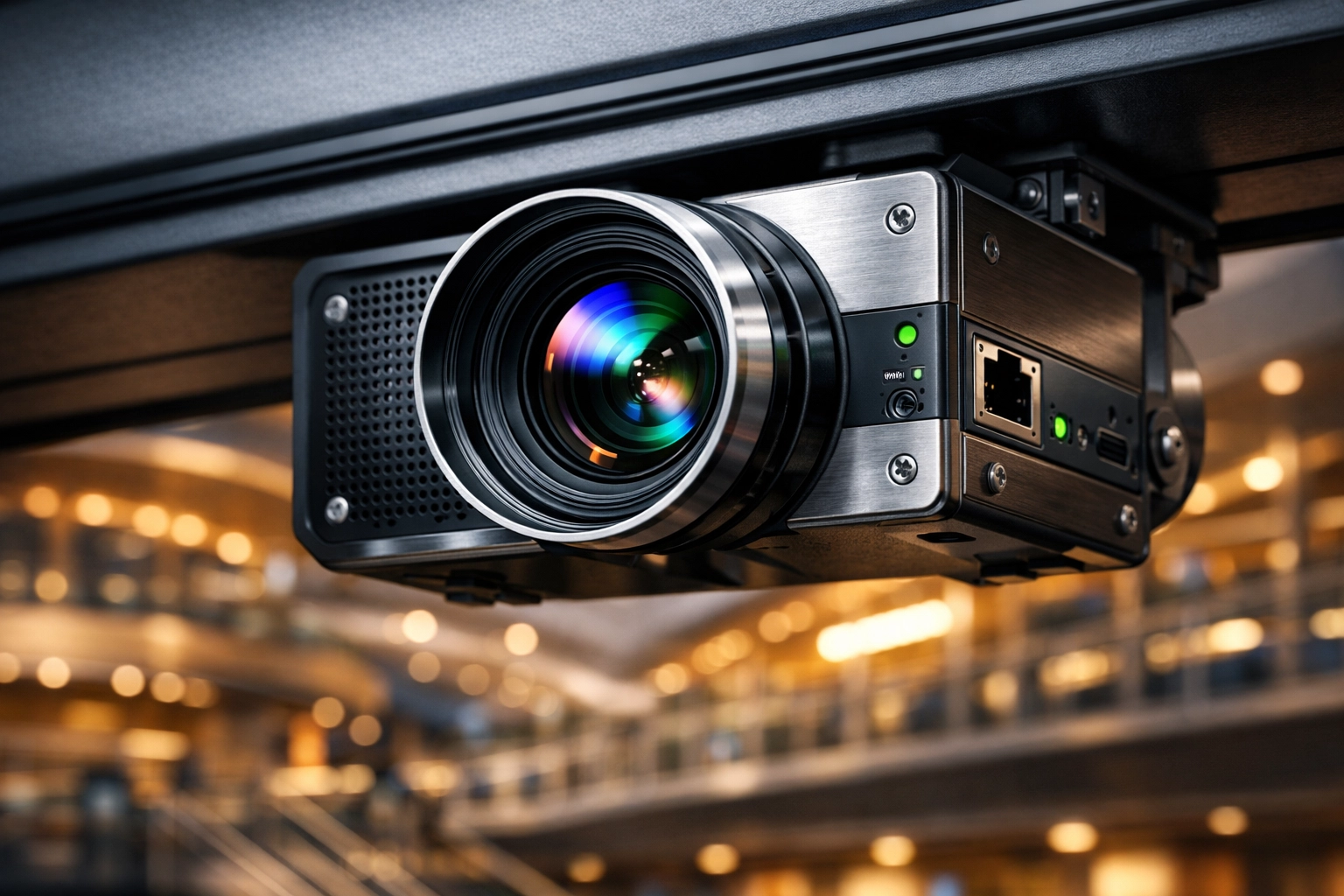
- Computer vision and edge computing for real time audience counting.
- Privacy safe attribution models.
- Standardizing impressions and reach metrics.
By using specialized hardware such as Sportrons, advertisers can access more granular data. These systems can track how many people were exposed to an ad and subsequently visited a retail location or a website.
Case Studies: Strategic Execution and Results
Practical applications of these technologies have yielded significant results for major brands. These examples demonstrate the power of data driven DOOH in driving brand lift and purchase consideration.
White Claw: Driving Purchase Consideration
White Claw utilized a programmatic DOOH campaign to support the launch of a new product line. By targeting high traffic areas and using data to reach specific consumer segments, the campaign achieved a 74 percent lift in purchase consideration. Detailed logistics of this execution can be found at https://oohsports.com/2024/09/21/white-claws-programmatic-digital-out-of-home-campaign-drives-74-lift-in-purchase-consideration-for-vodka-launch.
Mike’s Hard Iced Tea: Enhancing Brand Image
In another example, AB InBev’s Mike’s Hard Iced Tea leveraged pDOOH to shift brand perception. The campaign resulted in a 119 percent lift in positive brand image. This was achieved by aligning the creative messaging with the specific environments where the audience was most receptive. See the full results at https://oohsports.com/2024/10/21/ab-inbevs-mikes-hard-iced-tea-sees-a-119-lift-in-positive-brand-image-with-programmatic-dooh-campaign.
Sea-Doo: Reaching Target Enthusiasts
Sea-Doo’s first major digital OOH campaign focused on specific outdoor enthusiast demographics. By using precision targeting and high visibility screens, the brand increased purchase consideration by 144 percent. More information on this campaign is available at https://oohsports.com/2024/11/21/how-sea-doos-first-digital-ooh-campaign-increased-purchase-consideration-by-144.
Convergence and Omnichannel Integration
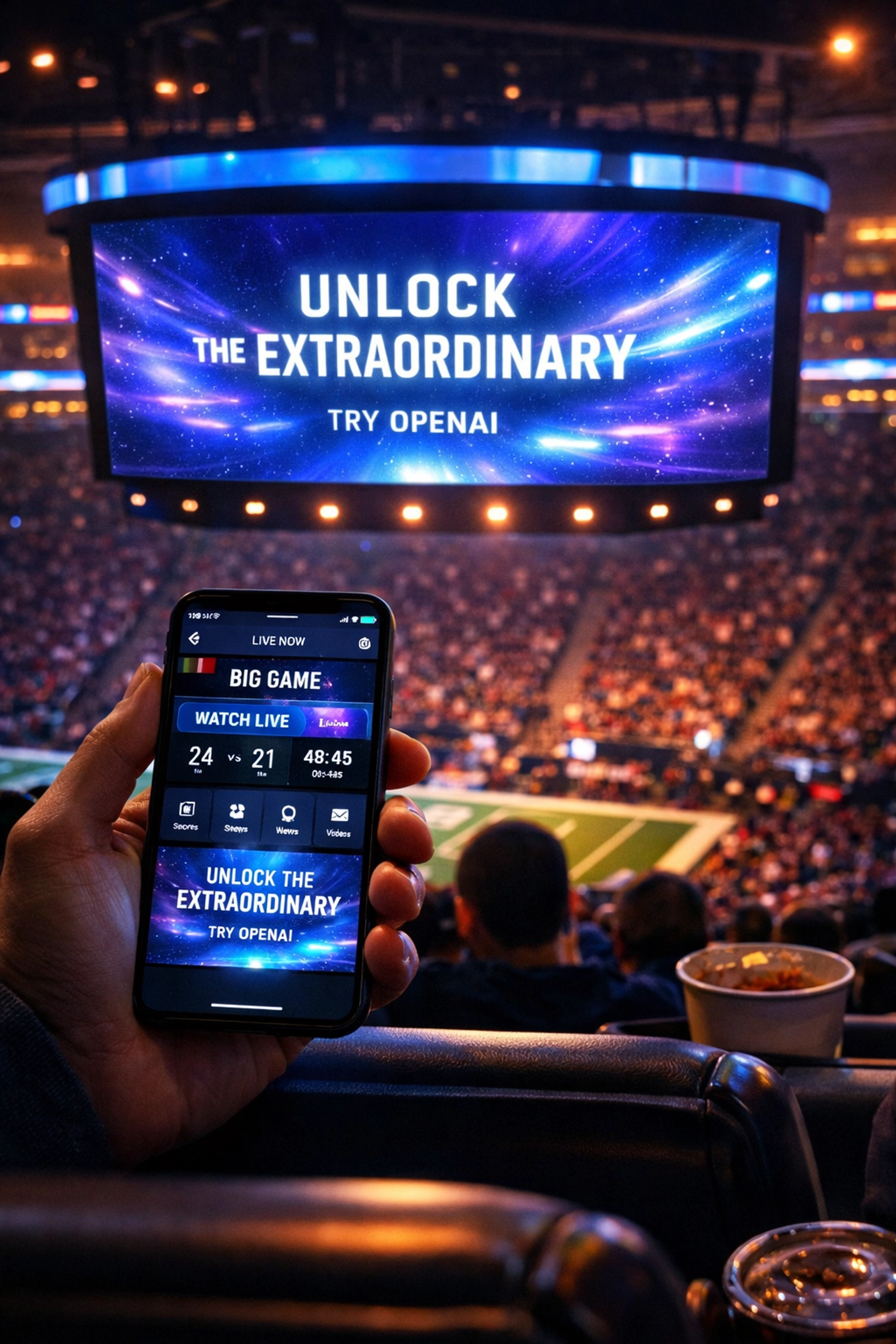
A major trend for the coming years is the convergence of DOOH with other digital channels, particularly Connected TV (CTV). This integration allows for seamless cross channel campaigns where a consumer might see an ad on their television at home and then see a reinforcing message on a digital screen at a stadium or on the street.
The Role of Demand Side Platforms (DSPs)
Platforms like StackAdapt are driving the adoption of programmatic DOOH within omnichannel campaigns. By integrating DOOH into the same ecosystem as mobile, display, and video ads, advertisers can create a cohesive brand story across multiple touchpoints. This approach reduces friction in the buying process and ensures that the brand remains top of mind throughout the consumer journey. For more on this, visit https://oohsports.com/2025/02/21/spotlight-on-stackadapt-dsp-driving-programmatic-dooh-adoption-in-omnichannel-campaigns.
Emerging Opportunities in Retail and Experiential Marketing
Beyond the arena, DOOH is expanding into retail media and experiential activations.
- Retail Media: With nearly 84 percent of retail sales occurring in physical locations, the focus is shifting toward in store and near store activations. DOOH screens in these areas act as the final prompt before a purchase decision is made.
- Experiential Marketing: High profile venues and innovative screen technologies are creating memorable brand moments. These activations go beyond simple advertising to create an immersive experience that fans want to share on social media, further extending the reach of the campaign.
Strategic Considerations for Partners
For partners looking to navigate this landscape, the strategy should focus on a few key areas:
- Inventory Selection: Choosing high impact placements like those offered by OOH Sports.
- Data Integration: Utilizing first party data to inform targeting.
- Measurement: Implementing robust attribution models to prove campaign success.
- Creative Optimization: Using the dynamic nature of digital screens to deliver contextually relevant messages.
For more resources on campaign planning and industry trends, please visit our blog or explore our case studies.
Looking Ahead
The integration of DOOH in the sports and advertising arena is not just about new screens, it is about new ways of connecting with audiences. As technology continues to advance, the ability to deliver precise, measurable, and impactful messages in real time will become the standard. Brands that embrace these innovations and prioritize data driven strategies will be best positioned to capture their share of the growing DOOH market.
For further inquiries or to discuss how these insights can be applied to your specific brand goals, you may contact the team at https://oohsports.com/contact. Understanding the mechanics of this evolution is the first step toward achieving measurable success in the increasingly digital world of out-of-home advertising.