
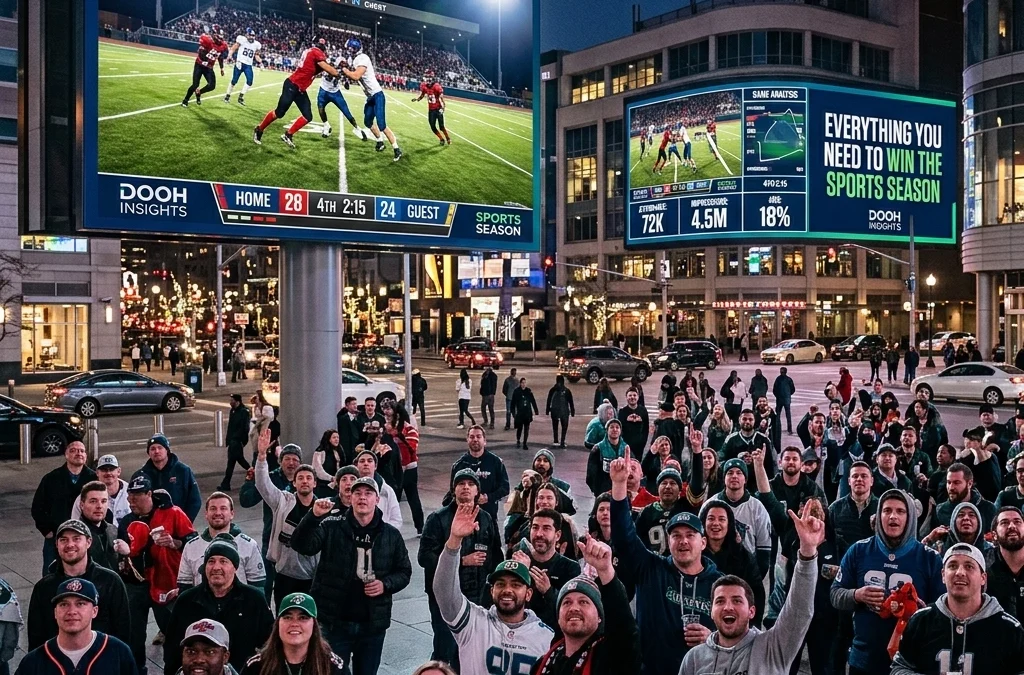
The sports marketing landscape has evolved beyond the traditional confines of stadium signage and television commercials. Digital Out-of-Home (DOOH) advertising now offers a sophisticated, data-driven approach to reaching fans during high-stakes competitive seasons. By leveraging real-time data, programmatic buying, and strategic placement, brands can engage consumers at critical moments of intent and consumption. This guide examines the strategies, technologies, and measurable outcomes that define successful DOOH campaigns in the sports sector.
The Strategic Shift in Sports Advertising
Modern sports marketing requires more than static brand placement. It demands agility and relevance. DOOH provides the infrastructure to deliver contextually relevant messaging that aligns with the emotional highs and lows of a game. Unlike traditional out-of-home media, DOOH allows for rapid updates to creative content based on live game triggers, ensuring that a brand remains part of the conversation as it happens.
The objective of a modern sports-focused DOOH campaign is to surround the fan journey. This journey begins long before the first whistle and continues well after the final score. Strategically placed screens in transit hubs, sports bars, and retail environments allow brands to maintain a consistent presence throughout the day. This approach ensures that the marketing message is not just seen but is perceived as a relevant addition to the fan experience.

Objective and Strategy: Reaching the Point of Consumption
A primary goal for many advertisers during the sports season is to influence behavior at the point of consumption. For beverage, snack, and apparel brands, this means reaching fans while they are in environments where purchasing decisions are made. Research indicates that a significant majority of fans watch games at on-premise venues. Specifically, 91 percent of fans aged 21 to 34 and 89 percent of those aged 35 to 54 frequent sports bars and restaurants during major events.
The strategy involves deploying creative assets on screens within these high-traffic environments. By using sportrons, advertisers can place their messages directly in front of captive audiences. The proximity to the point of sale in these venues creates a shorter path to purchase, which is particularly effective for alcohol and quick-service restaurant (QSR) brands looking to capitalize on immediate cravings or celebratory rounds.
Targeting Methodology: Precision Through Dayparting and Geofencing
Effective DOOH campaigns rely on precise targeting to minimize waste and maximize impact. Programmatic DOOH allows for the use of dayparting, where ads are only shown during specific hours when fan engagement is at its peak. For instance, a sports betting app might concentrate its budget in the hours leading up to a game and during the halftime break, while a breakfast brand might target transit screens during the morning commute on game day.
Geofencing further refines this strategy by limiting ad delivery to specific geographic areas. This can include the immediate vicinity of a stadium or key entertainment districts. By focusing on these high-density areas, brands can achieve a high frequency of exposure among a highly relevant audience. This methodology was successfully employed by Nike during the NYC Marathon, where the brand maintained a dominant presence along the race route despite not being an official sponsor.

Maximizing Impact Through Dynamic Creative Optimization
Dynamic Creative Optimization (DCO) is a cornerstone of the ultimate DOOH strategy. This technology allows creative assets to change automatically based on external data feeds. In the context of sports, these triggers can include:
- Live Scores: Updating the creative to show the current score of a local game.
- Game Outcomes: Deploying celebratory messaging immediately following a team victory.
- Weather Triggers: Promoting rain gear or indoor viewing locations if the weather turns.
- Live Betting Odds: Providing real-time updates for fans interested in sports wagering.
This level of personalization ensures that the content is always fresh and relevant. It transforms a standard advertisement into a piece of utility content that fans actively look for. This strategy not only increases brand recall but also enhances the overall brand image by demonstrating a deep connection to the sports community.
Multi-Channel Integration and the Role of Technology Partners
DOOH is most effective when integrated into a broader omnichannel marketing strategy. By coordinating DOOH efforts with mobile advertising, brands can create a powerful retargeting loop. For example, a consumer who is exposed to a DOOH screen at a transit station can be retargeted with a mobile ad later in the day. This multi-touch approach has been shown to provide a significant lift in conversion rates.
Technology partners play a vital role in this execution. Demand-Side Platforms (DSPs) such as StackAdapt enable advertisers to buy DOOH inventory with the same precision and ease as digital display or video. These platforms provide the tools necessary for sophisticated audience segmentation, budget management, and real-time reporting, allowing for continuous optimization throughout the season.
Case Study Insights: Quantifiable Results in Sports-Adjacent Verticals
The effectiveness of DOOH in driving brand metrics is well-documented across various categories. Examining specific campaigns provides a clear picture of the potential return on investment.
Beverage Innovation: White Claw
When White Claw launched its vodka line, the brand utilized programmatic DOOH to reach consumers in high-intent environments. The campaign focused on urban centers and retail proximity. The results indicated a 74 percent lift in purchase consideration, demonstrating the medium's ability to drive interest in new product categories.
Brand Sentiment: Mike's Hard Iced Tea
For established brands, DOOH is an effective tool for shifting brand perception. AB InBev used a DOOH campaign for Mike's Hard Iced Tea to align the product with social, high-energy occasions. The data showed a 119 percent lift in positive brand image, highlighting how visual impact and strategic placement can influence consumer sentiment.
Consumer Action: Sea-Doo
Outdoor and sports equipment brands also benefit from the visual nature of DOOH. Sea-Doo's first digital out-of-home campaign was designed to increase brand awareness and intent among outdoor enthusiasts. By targeting relevant lifestyle locations, the campaign achieved a 144 percent increase in purchase consideration.

Execution Logistics: From Planning to Attribution
A successful DOOH campaign requires a clear execution process. This begins with identifying the target audience and selecting the appropriate venues. Advertisers must consider the "dwell time" at different locations. Transit screens might require quick, punchy messaging, while screens in sports bars can support more detailed creative content.
Measurement and attribution are the final pieces of the puzzle. Modern DOOH uses anonymized mobile location data to track how many people exposed to an ad later visited a retail location or visited the brand's website. Brand lift studies can also be conducted to measure changes in awareness, favorability, and intent. This data-driven approach allows for a level of accountability that was previously difficult to achieve in out-of-home advertising.
Industry-Specific Strategies: Baseball, Football, and Beyond
Each sport offers unique opportunities for DOOH engagement. Football season, characterized by its ritualistic weekend gatherings and tailgating culture, is ideal for CPG and delivery service brands. The long duration of the baseball season allows for a more sustained brand building approach, with creative that can evolve as teams move toward the playoffs.
In major metropolitan areas, sports events often drive massive influxes of visitors. For example, New York City during the holiday shopping season sees a surge in foot traffic that coincides with various sporting events, creating a prime environment for retail-focused OOH campaigns. Understanding these seasonal nuances is essential for any brand looking to win the sports season.
Conclusion: The Path Forward
The integration of DOOH into sports marketing strategies is no longer optional for brands seeking to remain competitive. The ability to reach fans in the real world, combined with the precision of digital targeting, makes DOOH a uniquely powerful medium. By focusing on dynamic creative, strategic targeting, and measurable outcomes, advertisers can ensure their message is heard above the noise of the game.
For brands ready to explore these opportunities, the OOH Sports blog provides ongoing insights into the latest trends and technologies. Whether the goal is to drive immediate sales or build long-term brand equity, the insights gained from DOOH data are the key to a successful sports season.
To learn more about how to implement these strategies, visit the marketing section or contact the team for more detailed information on available inventory and case studies.