
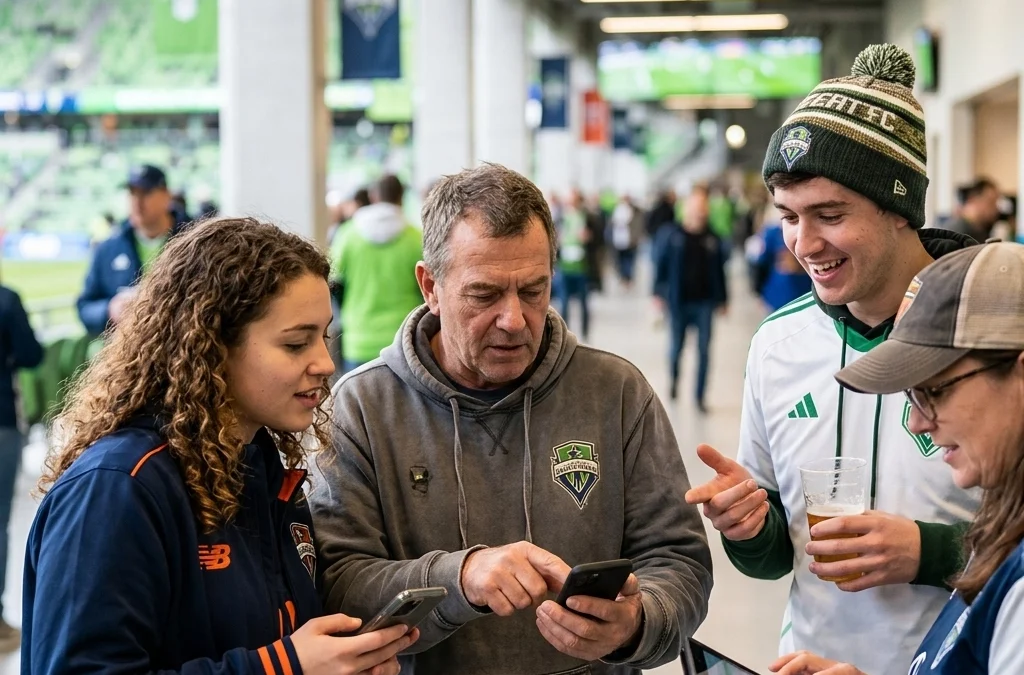
The landscape of sports marketing is undergoing a seismic shift. For Creative Directors and Chief Marketing Officers, the challenge is no longer just about getting a logo in front of eyes. It is about capturing the emotional peak of a live audience. Stadium perimeter advertising has evolved from static boards to high-tech digital canvases that can react to the game in real-time. However, many brands still rely on outdated tactics that fail to resonate with modern fans.
To maximize Return on Ad Spend (ROAS) and drive genuine brand lift, identifying and correcting common pitfalls is essential. Here are seven mistakes currently hindering fan engagement and the strategic fixes required to turn things around.
1. Treating Every Fan Like a Generic Consumer
The first mistake involves deploying generic content designed for a broad audience. This approach fails to account for diverse demographics, seating locations, and purchase behaviors present at a live event. A fan in the luxury boxes has different motivations than a student in the bleachers or a family in the mid-tier sections.
The Strategy for Fixing It:
Segmentation is key. Digital Out-Of-Home (DOOH) technology allows brands to tailor messaging based on the specific event or even the specific time of day. Brands should use data-driven insights to understand who is in the stands. For example, OOH Sports provides platforms that allow for varied creative executions. Instead of one broad message, a brand can run premium service ads for the VIP sections and accessible, high-energy content for the general stands. Personalization makes a fan feel valued rather than targeted by a one-size-fits-all broadcast.
2. Ignoring the NIL and Student-Athlete Revolution
Many brands continue to focus solely on major professional leagues, completely overlooking the power of Name, Image, and Likeness (NIL) partnerships. This is a significant oversight, particularly when targeting Gen Z. This demographic values authenticity and local connections over distant, national endorsements.
The Strategy for Fixing It:
Incorporate local student-athletes into the perimeter advertising rotation. Gen Z fans feel a much stronger tie to a local college star who they see on campus than a professional athlete living across the country. By featuring these local heroes on stadium displays, brands tap into a pre-existing emotional bond. This strategy transforms a standard advertisement into a celebration of the local community. It is a highly effective way to build trust and brand preference among younger audiences.

3. Creating Single-Location Activations
Limiting a campaign to only the interior of the stadium is a common strategic error. While the game happens on the field, the "fan experience" begins hours before kickoff and continues long after the final whistle. By focusing only on the stadium perimeter, brands miss thousands of potential impressions in surrounding areas, transportation hubs, hotels, and fan zones.
The Strategy for Fixing It:
Expand the activation beyond the stadium walls. A successful campaign uses an ecosystem approach. This involves syncing stadium perimeter ads with DOOH screens in transit hubs and local entertainment districts. When a fan sees a brand on a train station screen, then on a digital billboard outside the venue, and finally on the Sportrons inside the stadium, the frequency creates a powerful brand recall. This multi-touchpoint strategy ensures the brand is part of the entire journey, not just a fleeting moment during the second quarter.
4. Relying on Transactional Athlete Interactions
The era of the forced celebrity photo-op is fading. Savvy fans can spot an inauthentic "paid appearance" from a mile away. These transactional interactions create minimal long-term impact on brand loyalty because they lack a narrative or a genuine connection to the fan experience.
The Strategy for Fixing It:
Shift the focus from "selling to" fans to "celebrating with" them. Instead of a standard celebrity endorsement, brands should use digital displays to showcase community involvement or real-time fan interactions. For instance, highlighting an athlete’s charity work or featuring live social media posts from fans on the big screen creates a collaborative atmosphere. When the brand acts as the facilitator of a shared experience, the connection becomes emotional rather than transactional. This shift in perspective is what leads to a 119 percent lift in positive brand image, as seen in various programmatic DOOH campaigns.
5. Falling Into the Static Content Trap
Running pre-planned content schedules that do not change based on the game’s progress is a major mistake. There is nothing more disconnected than a brand running a "Celebrate the Win" advertisement while the home team is losing by thirty points. This "static trap" makes the brand look out of touch and automated.
The Strategy for Fixing It:
Adopt dynamic, real-time messaging. Technology now allows for creative to be updated instantly based on the score, the opponent, or the general mood of the crowd. If a star player hits a three-pointer, the perimeter boards should immediately flash a congratulatory message. If the game is a defensive struggle, the messaging should reflect that intensity. Real-time agility ensures that the brand is always contextually relevant. This level of responsiveness is expected by modern consumers who are accustomed to instant updates on their mobile devices.
6. Using Only One-Way Communication
Treating fans as passive spectators is a missed opportunity. Many brands use stadium perimeters as high-tech billboards to broadcast at the audience. Without a way for the fan to interact, the engagement ends as soon as the fan looks away.
The Strategy for Fixing It:
Enable two-way engagement through interactive features. Use QR codes on digital displays to lead fans to exclusive content, polls, or live Q&A sessions. Integrating mobile-first behavior into the physical stadium environment is critical for modern marketing. For example, a brand could host a live "Player of the Game" poll accessible via a scan of the perimeter board. This transforms the fan from a follower into an active participant. By giving the fan a voice, the brand gains valuable first-party data while providing the fan with a more immersive experience.
7. Neglecting Real-Time Contextual Triggers
The final mistake is treating a stadium ad like a static billboard in a vacuum. A live game is a dynamic environment where variables like weather, traffic, and betting odds change by the minute. Ignoring these triggers means the campaign is missing the "live" element of live sports.
The Strategy for Fixing It:
Utilize real-time contextual data to update messaging. This is where programmatic DOOH shines. If a sudden rainstorm begins, a brand can trigger ads for rain gear or indoor post-game venues. For sports betting brands, perimeter boards can display live odds as they shift during the match. This provides immediate value to the fan. Research indicates that DOOH sports advertising will hit $50 billion by 2030, largely because of this ability to deliver the right message at the exact right moment.
Case Study Comparison: Driving Results with Dynamic Creative
To understand the impact of fixing these mistakes, one can look at recent campaign data. When brands move away from static, one-way messaging, the results are quantifiable.
- Brand Lift: Campaigns that utilize real-time contextual triggers often see a significant increase in brand preference.
- Purchase Consideration: By moving the campaign beyond the stadium walls and into the fan's entire journey, brands like Sea-Doo have seen purchase consideration increases of up to 144 percent.
- Engagement: Interactive campaigns that allow for two-way communication regularly outperform broadcast-only campaigns in terms of social media mentions and data capture.
The Path Forward for CMOs
The goal of fan engagement is to turn a spectator into a brand advocate. This cannot be achieved through traditional, rigid advertising methods. The modern fan expects a brand to be as invested in the game as they are. This requires a commitment to technology, a willingness to be agile, and a focus on the local and personal aspects of the sports experience.
By addressing these seven mistakes, Creative Directors and CMOs can move their brands from the sidelines to the center of the action. The fix is not just about spending more, it is about spending smarter by using the digital tools available to create a cohesive, interactive, and real-time narrative.
For more information on how to implement these strategies and explore the latest in stadium advertising technology, visit the OOH Sports About page or contact a specialist to discuss a customized engagement plan. Success in the stadium requires more than just showing up, it requires being part of the game.