
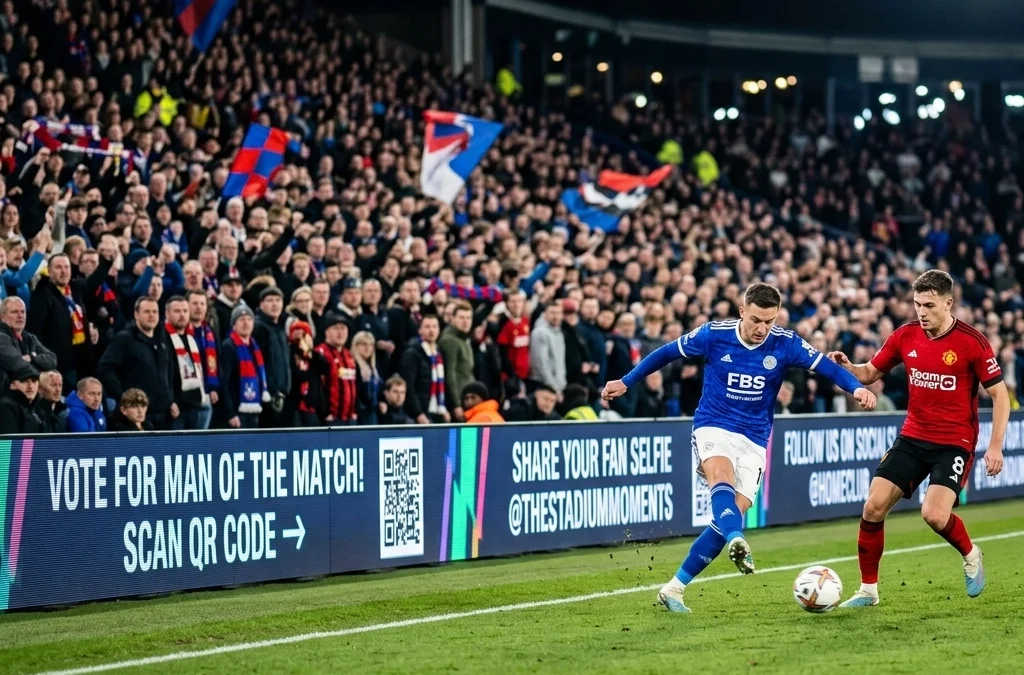
Fan engagement is the cornerstone of sports marketing, yet many brands struggle to convert the high energy of a live game into lasting brand loyalty. The environment inside a stadium is unlike any other advertising space. It is driven by raw emotion, tribal loyalty, and undivided attention. When brands fail to align their messaging with this unique atmosphere, they miss out on the most valuable moments of the sporting experience.
Stadium perimeter advertising offers a strategic solution to these common pitfalls. By placing brand messages directly within the field of play, companies can capture attention when it is at its peak. This article explores seven frequent mistakes made in fan engagement and illustrates how stadium perimeter ads provide a more effective, high impact alternative.
1. Treating Sports Fans Like Generic Consumers
A significant error in many marketing strategies is the assumption that a sports fan in a stadium behaves the same way as a shopper in a mall or a traveler in an airport. Sports fans are not just consumers, they are believers. Their engagement is rooted in tribal loyalty and deep emotional investment in the outcome of the game.
Generic ad creative that lacks a connection to the sporting context often falls flat. Stadium perimeter ads solve this by becoming part of the event itself. When a brand appears on the LED boards surrounding the pitch or court, it is physically present during the moments that matter most. This placement allows the brand to borrow the equity of the game, transforming a standard advertisement into a shared experience with the audience.

2. Over-Reliance on Social Media During Live Play
Social media is a powerful tool for pre-game hype and post-game analysis, but it often loses its effectiveness during the actual minutes of play. When the clock is running and a critical play is unfolding, fans' eyes are glued to the field, not their phones. Brands that focus solely on mobile engagement during these windows risk being ignored.
Stadium perimeter advertising provides unskippable visibility. It occupies the primary field of vision for both the fans in the stands and the millions watching via broadcast or streaming. Unlike a social media post that can be scrolled past, a perimeter ad remains visible during the most intense moments of the game. For brands looking to maximize reach, OOH Sports provides the infrastructure to ensure messaging is seen when the action is at its height.
3. The Static Content Trap
Many traditional stadium campaigns suffer from the static content trap, where pre-planned ads are displayed regardless of the game’s progress. If a home team is losing significantly, a generic "celebratory" ad can feel tone-deaf and out of touch. Conversely, failing to capitalize on a massive victory in real time is a missed opportunity.
Modern digital out-of-home (DOOH) technology allows for dynamic content updates. Stadium perimeters can now reflect real-time game data, such as scores, player milestones, or even betting odds. By using real-time sports betting DOOH campaigns, brands can pivot their messaging instantly to match the mood of the crowd, ensuring the content remains relevant and impactful throughout the entire event.
4. Ignoring the NIL and Student-Athlete Revolution
For a long time, sports marketing was dominated by national professional athletes. However, the rise of Name, Image, and Likeness (NIL) opportunities has shifted the landscape toward student-athletes and local heroes. Brands that ignore this trend miss out on a massive opportunity to connect with Gen Z fans who value authenticity and local community ties.
Stadium perimeters at the collegiate level allow brands to align themselves with local stars in a way that feels organic. Seeing a local business support a university athlete on the stadium boards builds a level of trust and community rapport that national campaigns cannot replicate. This localized approach is a key strategy for brands looking to capture their share of the growing DOOH sports advertising market.

5. Relying on Transactional Athlete Interactions
Forced celebrity appearances or transactional photo-ops can often feel inauthentic to modern fans. Today’s audience prefers brands that celebrate the sport alongside them. When a brand focuses only on "selling to" the fan rather than "celebrating with" them, the engagement remains superficial.
Stadium perimeter ads offer a way to participate in the celebration. By highlighting fan-generated content, social media shout-outs, or community initiatives on the big screens and perimeter boards, brands move from being intruders to being partners in the experience. This shift from transactional to experiential marketing is essential for building long-term brand equity in the sports world.
6. Failing to Segment the Stadium Audience
Not every fan in the stadium is there for the same reason. Some are high-net-worth individuals in luxury suites, while others are students in the bleachers or families in the general seating area. A one-size-fits-all messaging strategy fails to address these diverse demographics.
Stadium perimeters, especially when integrated into a broader marketing strategy, allow for better targeting. Through programmatic DOOH, brands can adjust their creative based on the specific event, the time of day, or even the expected demographic of the match. This level of precision ensures that the message resonates with the specific audience present, leading to higher conversion rates and better brand perception.

7. Neglecting the Physical-Digital Loop
The final mistake is treating stadium advertising as an isolated silo. In a successful omnichannel campaign, the physical presence in the stadium should act as a bridge to digital action. Brands often fail to provide a clear next step for the fan after they have seen the ad.
Stadium perimeters can effectively drive digital engagement by using QR codes, social media handles, or specific calls to action that lead fans to a mobile experience. This creates a loop where the high-impact visual of the perimeter ad drives the fan to engage further on their device during halftime or after the game. For example, Nike’s presence during major marathons demonstrates how a brand can dominate the physical space to drive massive digital conversation without even being an official sponsor.
The Strategic Value of Stadium Perimeters
The effectiveness of stadium perimeter advertising is not just theoretical; it is backed by measurable data. Campaigns that utilize programmatic DOOH have shown significant lifts in brand awareness and purchase consideration.
- Brand Image: Studies show that well-executed stadium campaigns can result in a 119% lift in positive brand image.
- Purchase Consideration: Brands like White Claw have seen a 74% lift in purchase consideration through strategic DOOH placements.
- Engagement: The unskippable nature of perimeter ads ensures that the "eyes-on-screen" time is significantly higher than traditional digital banners or social media ads.
For a deeper look at how these results are achieved, exploring a case study can provide insights into the logistics and execution of a high-performing sports marketing campaign.

Integrating Stadium Perimeters into the Media Mix
To avoid these seven mistakes, Creative Directors and CMOs must view stadium perimeter advertising as a core component of their media mix rather than an afterthought. The transition from traditional static boards to Sportrons and digital LEDs has opened up a world of creative possibilities.
By moving away from generic messaging, embracing real-time data, and focusing on the emotional connection of the fan, brands can turn every game into a powerful marketing opportunity. The goal is to be present not just as a logo, but as a part of the memory the fan takes home.
Stadium perimeter advertising solves the problem of fragmentation by providing a central, high-visibility anchor for a brand’s story. Whether it is through AB InBev’s tea campaigns or Sea-Doo’s entry into DOOH, the data consistently points to one conclusion: when you meet the fan where their passion is, the results follow.
Conclusion
The sports arena is one of the last places where massive audiences congregate with a shared focus. Failing to engage these fans correctly is a costly error. By identifying and fixing these seven common mistakes through the use of stadium perimeter advertising, brands can ensure their message is not just seen, but felt. In the world of sports, being part of the game is the ultimate competitive advantage.