
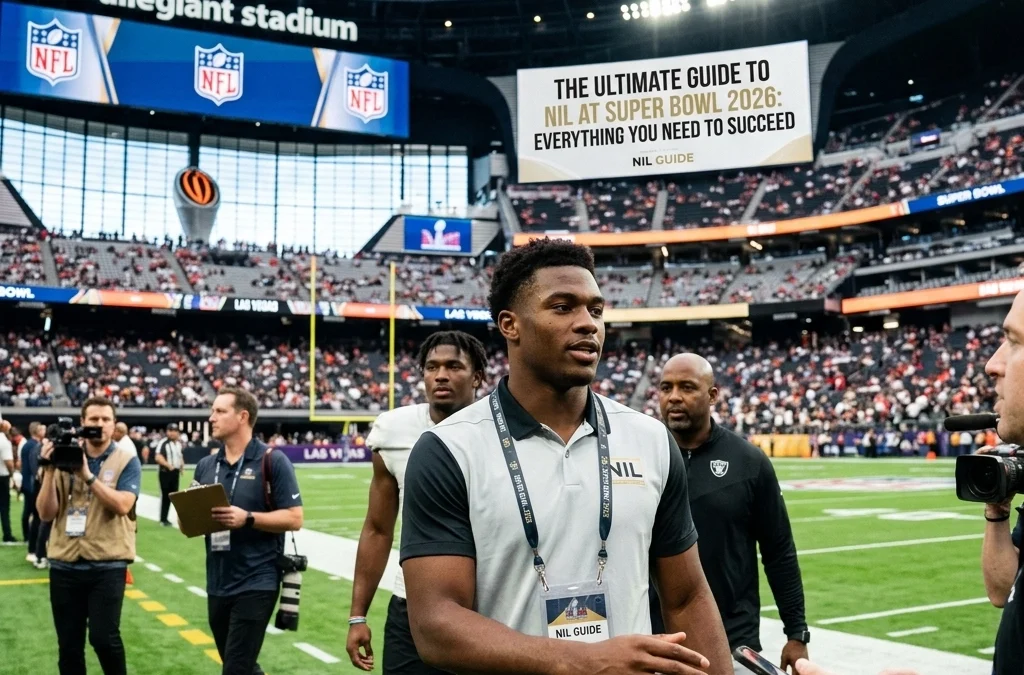
Super Bowl 2026 represented a significant evolution in how media buyers and brands approach the most-watched sporting event of the year. While the traditional 30 second television spot remains a fixture of the broadcast, the integration of Name, Image, and Likeness (NIL) campaigns has fundamentally altered the advertising landscape. For media buyers, the primary objective has shifted from mere broad-scale awareness to achieving measurable engagement through authentic voices. This guide examines the strategies, platform mechanics, and results that defined success during the 2026 cycle.
The Shift in Super Bowl Advertising Strategy
The advertising environment surrounding the Super Bowl has moved toward a decentralized model. In previous years, the focus was almost entirely on the linear broadcast. However, data from Super Bowl 2026 confirms that over 70 percent of viewers engage with a second screen during the game. This behavior provides a massive opportunity for brands to capture attention through NIL athletes who command highly engaged communities on social media platforms.
The strategic shift toward NIL is driven by three primary factors. First, authenticity metrics indicate that Gen Z and Millennial audiences respond more favorably to athlete-driven content than to traditional corporate messaging. Second, NIL campaigns offer real-time tracking and direct conversion data, which are capabilities that linear TV metrics often lack. Third, the ability to deploy content through a network of thousands of athletes allows for a level of market saturation that was previously unattainable.
Leveraging 20,000 Student-Athlete Voices
A central component of the 2026 strategy involved the OOH Sports NIL platform, which connects brands with over 20,000 authentic student-athlete voices. This scale is critical for media buyers who require both national reach and local relevance. By utilizing a large network of athletes, a campaign can achieve a "blanket effect" across different demographics and geographic regions.
The platform allows for the orchestration of thousands of simultaneous content releases. Instead of relying on a single high-profile celebrity, brands can now distribute their message through a diverse group of athletes who possess high trust levels within their specific communities. This approach mitigates the risk associated with a single-point-of-failure endorsement and ensures that the brand remains part of the conversation throughout the entire Super Bowl period.

The Three-Phase Strategy for NIL Success
Success in the NIL space during the Super Bowl requires a multi-month campaign cycle. The 2026 data shows that brands that followed a structured three-phase approach saw significantly higher ROI than those that only activated on game day.
Phase 1: Pre-Game Narrative Equity
The first phase, often referred to as "Pre-Game Positioning," begins in mid-January. During this period, NIL athletes share narrative-driven content that builds audience investment. This might include behind-the-scenes training footage, "Road to the Championship" vlogs, or organic product integrations that feel like a natural part of the athlete’s lifestyle.
By starting early, brands establish what is known as narrative equity. This ensures that when the brand appears during the Super Bowl, the audience already has a positive association with it. This phase is essential for lowering customer acquisition costs, as it creates a "warm" audience that is more likely to engage with high-impact advertisements later in the cycle.
Phase 2: Game Day Agility and Real-Time Engagement
On the day of the Super Bowl, the focus shifts to agility. While a television commercial is a static asset that cannot be changed once the broadcast starts, NIL athletes provide a dynamic presence. In 2026, the most successful campaigns utilized real-time engagement tactics, such as:
- Live Reactions: Athletes posting unscripted reactions to game-changing plays or halftime show moments on TikTok and Instagram.
- Second-Screen Dominance: Coordinating athlete posts to coincide with specific game breaks, ensuring that when viewers look at their phones, the brand is the first thing they see.
- Community Management: Athletes interacting with fans in the comment sections of their posts, creating a two-way dialogue that traditional advertising cannot replicate.
The ability to react to viral moments in seconds is a competitive advantage. If a specific play or commercial becomes a trending topic, NIL athletes can immediately incorporate that theme into their content, keeping the brand relevant to the current conversation.
Phase 3: Post-Game Saturation and Conversion
The week following the Super Bowl is the peak conversion period. While the emotional high of the game is still fresh, athletes share recap content and exclusive post-game offers. In 2026, this phase was heavily focused on measurable business results.
Media buyers used tracked links and athlete-specific promo codes to monitor direct conversions. This data-driven approach allows for a clear calculation of ROI. By extending the campaign into the post-game period, brands can capture the residual attention and turn it into long-term customer loyalty.

Technology and Platform Mechanics
The execution of a campaign involving 20,000 athletes requires sophisticated technology. The OOH Sports platform functions as a centralized hub for campaign management, content approval, and performance tracking.
Logistics and Targeting
The platform allows media buyers to filter athletes based on specific criteria, such as sport, geographic location, audience demographics, and engagement rates. This ensures that the brand message is delivered to the most relevant audience. For example, a brand looking to target collegiate sports fans in the Southeast can specifically activate athletes from universities in that region.
Measurement and Attribution
Measurement is a core component of the NIL platform. Brands can access real-time dashboards that display key performance indicators (KPIs) such as reach, impressions, engagement, and conversion rates. Advanced attribution models can even link digital engagement with physical store visits or online purchases.
To understand the impact of these strategies, it is helpful to look at the overall growth of the industry. Information on the future of this space can be found in the report on how DOOH sports advertising will hit $50 billion by 2030.

Strategic Outcomes and Brand Lift
The results from NIL-centric Super Bowl campaigns in 2026 have been overwhelmingly positive. Many brands reported significant increases in brand preference and purchase consideration. These outcomes mirror the success seen in previous programmatic campaigns.
For instance, White Claw's programmatic digital out of home campaign achieved a 74 percent lift in purchase consideration. Similarly, AB InBev’s Mike’s Hard Iced Tea campaign saw a 119 percent lift in positive brand image. These metrics demonstrate the power of combining data-driven targeting with impactful creative content.
Video: The Power of NIL and DOOH
To better understand the synergy between digital platforms and athlete voices, view the following analysis of the NIL landscape.
https://www.youtube.com/watch?v=l6J-0zileKE
Recommendations for Media Buyers
For those planning future campaigns, the lessons from Super Bowl 2026 are clear. Media buyers should prioritize the following:
- Scale and Diversity: Do not rely on a small number of influencers. Use a platform that offers access to thousands of authentic voices to ensure maximum reach and trust.
- Integration of OOH and NIL: Combine digital out-of-home (DOOH) advertising with NIL content to create a cohesive omnichannel experience. Learn more about these strategies at OOH Sports Marketing.
- Data-First Approach: Use platforms that provide transparent reporting and clear attribution. Base strategic decisions on measurable data rather than anecdotal evidence.
- Agility Planning: Prepare content templates and reaction strategies in advance so that athletes can respond quickly to live events.

Conclusion
The 2026 Super Bowl proved that the most effective way to reach modern consumers is through a combination of massive scale and authentic engagement. By leveraging the power of 20,000 student-athlete voices, brands can move beyond the limitations of traditional advertising and create meaningful connections with their audience.
As the industry continues to evolve, the integration of technology and human storytelling will remain the cornerstone of successful sports marketing. For brands looking to explore these opportunities, the OOH Sports case study section provides additional insights into successful campaign executions. To begin planning for the next cycle, media buyers can reach out through the contact page to learn how to access the NIL platform and its extensive network of athletes.