
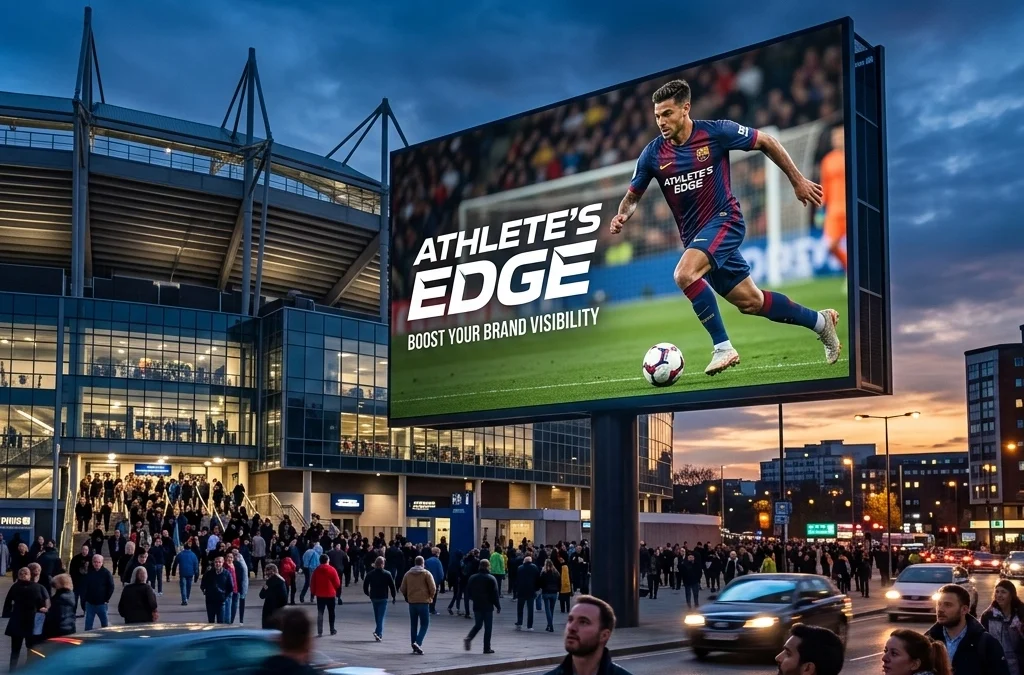

The landscape of sports advertising is shifting rapidly as digital out-of-home (DOOH) technology becomes more accessible and sophisticated. For brands looking to make an immediate impact, traditional static signage is no longer the primary driver of engagement. Modern sports marketing requires a blend of high-visibility placement and technical precision. By observing current industry movements, advertisers can identify specific tactics that yield higher recall and better conversion rates. This post explores five essential DOOH trend tips to elevate brand presence in the competitive sports arena.
1. Deploy Large-Format Screens for Maximum Impact
The visual weight of an advertisement significantly influences how much attention it receives in a crowded stadium or high-traffic urban area. Research indicates that premium large-format digital screens can attract up to five times more attention than standard digital formats. This increased attention correlates directly with higher brand recall, often seeing a 2.5 times improvement over smaller, more cluttered displays.
Large-format screens, such as those found in Sportrons, offer an expansive canvas that allows for high-definition creative content. The sheer scale of these displays creates an emotional and visual impact that cannot be replicated on mobile devices or smaller screens. When a brand occupies a massive digital footprint during a pivotal moment in a game, it becomes synonymous with the excitement of the event. To maximize visibility, advertisers should prioritize placements that offer unobstructed sightlines and high dwell times, ensuring that the brand message remains the focal point for the duration of the exposure.

2. Leverage Real-Time Content and Data Triggers
One of the most powerful features of modern DOOH is the ability to adapt messaging in real-time based on external data. This move toward programmatic DOOH allows advertisers to remain relevant to the audience's immediate experience. In the context of sports advertising, this might involve syncing creative content with live scores, player statistics, or even local weather conditions.
For example, a beverage company might trigger an advertisement for a cold drink when the temperature at the stadium exceeds a certain threshold. Alternatively, a sports apparel brand could display a congratulatory message instantly after a home team touchdown. This level of responsiveness makes the brand feel like a participant in the event rather than a static bystander. The strategic use of data triggers ensures that the marketing budget is spent on impressions that are contextually relevant, often leading to a better return on investment compared to traditional stadium sponsorships. More information on the efficiency of this approach can be found in the analysis of programmatic DOOH vs. traditional stadium sponsorships.
3. Optimize Color and Contrast for the Environment
Visibility in DOOH is not just about size, it is also about the science of color and contrast. High-energy environments like sports stadiums are visually busy, with team colors, moving crowds, and various architectural elements competing for the viewer's eye. To cut through this noise, creative assets must be optimized for the specific physical environment where they will be displayed.
Strategic color selection involves choosing palettes that contrast sharply with the surroundings. If a stadium has a predominantly grey or concrete aesthetic, bright and vibrant colors like electric blue or neon orange will stand out. Conversely, if a campaign is running during a daytime outdoor event with a bright blue sky, the creative should avoid relying solely on blue tones. Utilizing high-contrast text and bold imagery ensures that the message is legible from a distance, which is critical in stadium settings where fans may be hundreds of feet away from the screen.

4. Build Interactive Elements to Bridge the Digital Divide
The most effective DOOH campaigns today do not end at the screen, they serve as a gateway to a deeper digital experience. Integrating interactive components like QR codes or social media prompts can significantly elevate engagement levels. By including a high-contrast QR code, brands can transition a passive viewer into an active participant.
For a QR code to be effective on a large-format display, it must be sized correctly for the distance of the audience and remain on screen long enough for a user to scan it. Pairing these interactive elements with clear incentives, such as limited-time discounts or exclusive athlete content, creates a sense of urgency. This technique is particularly effective in stadium perimeter branding, where fans have regular, repeated exposure to the signage throughout the game. The transition from the physical screen to the mobile device allows for precise tracking of attribution and consumer behavior.

5. Focus on Premium Placements and Authority
Positioning a brand in a premium location does more than just increase views, it builds authority and trust. When a brand is featured on iconic urban landmarks or at the center of major sporting venues, consumers subconsciously associate that brand with success and reliability. This aspirational quality is a key driver of long-term brand equity.
Advertisers can also use smart placement to capitalize on events even without official sponsorships, a tactic often referred to as ambush marketing. A notable example of this was seen when Nike successfully connected with fans at the NYC Marathon through strategic OOH placements along the route, despite not being the official sponsor. By identifying high-traffic areas where fans congregate outside the direct control of event organizers, brands can achieve massive visibility at a fraction of the cost of an official partnership.
Strategy and Execution Process
Successful DOOH campaigns are the result of a rigorous strategy and execution process. It begins with identifying the objective, whether that is immediate sales, brand awareness, or data collection. Once the objective is set, technology partners are selected to manage the programmatic delivery and data integration.
The execution involves several key steps:
- Audience Mapping: Using mobile location data to understand where the target demographic spends their time before, during, and after the sporting event.
- Creative Adaptation: Designing multiple versions of the creative to suit different screen orientations and real-time triggers.
- Deployment: Utilizing specialized platforms to bid on and display ads in real-time.
- Measurement: Analyzing results through brand lift studies, device IDs exposed to the ads, and direct conversion tracking from interactive elements.
Measuring Success in Sports DOOH
The efficacy of these trend-based tactics is best measured through hard data rather than anecdotal evidence. Modern measurement techniques allow for a granular look at how DOOH impacts the bottom line. By tracking the number of unique mobile devices that were in proximity to a digital screen and then later visited a website or physical retail location, advertisers can calculate a precise "store visit lift" or "web conversion lift."
Studies often show that campaigns utilizing real-time triggers and high-contrast creative see a marked increase in engagement compared to standard rotations. For instance, campaigns that integrate live sports scores frequently report a higher level of social media mentions, as fans share photos of the screens during big moments. This organic amplification further boosts brand visibility without additional media spend.
Enhancing Visibility with OOH Sports
Navigating the complexities of digital out-of-home advertising requires a deep understanding of both technology and the unique atmosphere of sports. OOH Sports specializes in connecting brands with fans through innovative digital displays and strategic placements. By staying ahead of industry trends and leveraging the latest in programmatic technology, the company helps advertisers turn every game into a high-impact marketing opportunity.
For those ready to move beyond traditional advertising and embrace the future of sports marketing, exploring the possibilities of DOOH is the first step. Detailed case studies and further insights into the technology are available for those looking to refine their approach. To learn more about how to implement these strategies, interested parties can reach out to the team at OOH Sports Contact.