
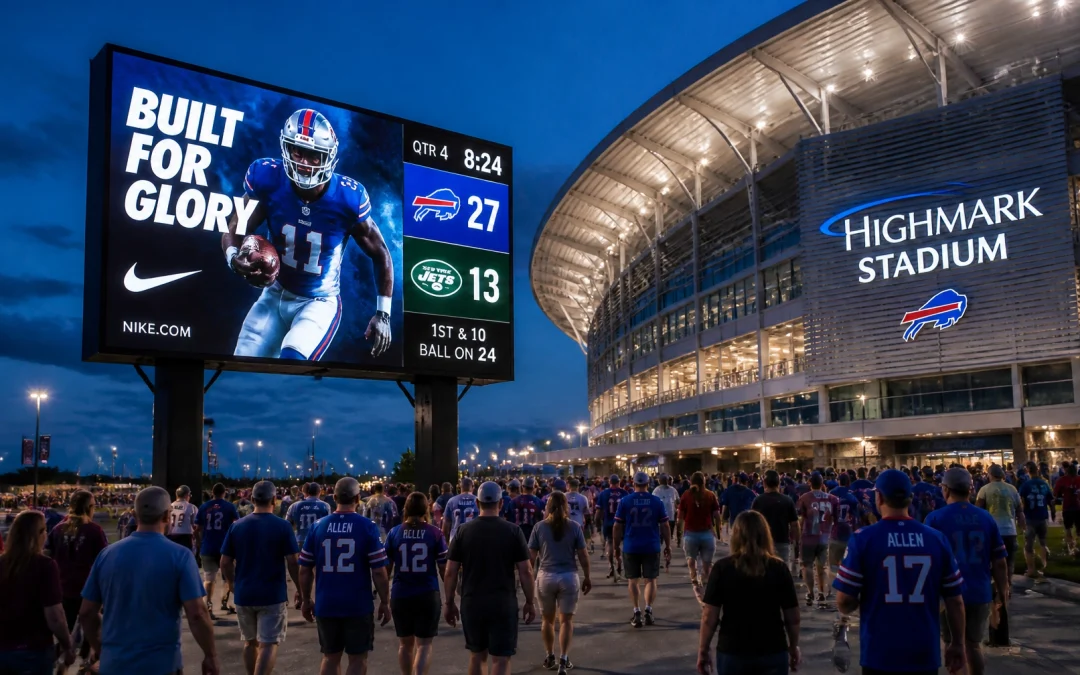
The landscape of sports marketing is undergoing a significant transformation. As traditional advertising methods face increasing fragmentation, Digital Out-of-Home (DOOH) advertising has emerged as a cornerstone for brands seeking to capture the undivided attention of sports fans. With the global DOOH market projected to reach approximately 22.5 billion dollars by 2026, the intersection of technology and live sports creates a high-stakes environment for media planners and brand managers alike.
In the fast-paced world of sports, engagement is no longer just about visibility: it is about relevance, timing, and emotional resonance. The following ten insights provide a strategic look into how DOOH is reshaping fan engagement and what industry leaders are doing to stay ahead of the curve.
1. Programmatic Buying is the New Industry Standard
The shift from manual, direct-buy insertions to programmatic digital out-of-home (pDOOH) is perhaps the most significant structural change in the industry. Automated platforms allow brands to bid on and schedule inventory in real time, ensuring that messages appear exactly when and where they matter most.
By 2026, programmatic DOOH is expected to account for 65.5 percent of all DOOH spend. This transition allows for unprecedented flexibility, enabling advertisers to activate screens based on specific triggers such as game start times, weather conditions, or local traffic patterns. For a deeper look at how platforms are facilitating this, the spotlight on StackAdapt DSP highlights the evolution of programmatic adoption in omnichannel campaigns.
2. Dynamic Creative Powered by Live Data
Static images are rapidly being replaced by dynamic creative that reacts to the ebb and flow of the game. Fans are inherently drawn to live data, and DOOH screens that display real-time scores, player statistics, or countdowns to kickoff see a significant lift in engagement.
Research indicates that dynamic, contextually relevant creative can boost brand recall by double digits. When an advertisement updates instantly to celebrate a home team touchdown or a game-winning goal, it ceases to be an ad and becomes part of the fan experience. This strategy leverages the immediate nature of sports to create a "smooove" transition from general awareness to high-interest engagement.
3. The Shift Toward Path-to-Purchase Strategies
DOOH is no longer viewed solely as an upper-funnel awareness tool. Strategically placed screens near stadiums, transit hubs, and retail centers like liquor stores or quick-service restaurants (QSRs) are being used to drive immediate action.
The goal is to influence decision-making during the "path to purchase." For example, a beverage brand might activate screens within a five-mile radius of a stadium two hours before a game, driving fans to nearby retail locations. This strategy was effectively utilized in the Sea-Doo digital OOH campaign, which saw a 144 percent increase in purchase consideration by targeting specific, high-intent locations.

4. Capturing the Second-Screen Fan
Fan behavior has become increasingly multi-dimensional. Approximately 80 percent of fans use a second screen: typically a smartphone: while watching or attending a sporting event. Digital Out-of-Home acts as a physical trigger for digital behavior.
By coordinating DOOH messaging with mobile retargeting, brands can create a seamless loop of engagement. A fan sees a visually striking billboard outside the arena, which prompts them to search for a product or engage with a social media contest on their device. This synergy ensures that the brand remains top-of-mind across both the physical and digital realms.
5. Advanced Measurement and ROI Accountability
The era of "estimated impressions" is giving way to data-backed results. Modern DOOH campaigns utilize anonymized device IDs and location data to track tangible outcomes. This includes measuring brand lift, store visits, and online conversions tied directly to ad exposure.
Quantifiable data is the hallmark of a successful campaign. For instance, the White Claw programmatic DOOH campaign recorded a 74 percent lift in purchase consideration. Similarly, Mike’s Hard Iced Tea saw a 119 percent lift in positive brand image through precise targeting and measurement. These results demonstrate that DOOH can deliver measurable ROI comparable to digital performance channels.
6. Leveraging the Sports "Halo Effect"
The emotional intensity of live sports provides a unique advantage known as the "halo effect." When a brand advertises in the context of a fan’s favorite team or a high-stakes tournament, the positive emotions associated with the event are transferred to the brand itself.
This emotional connection is a powerful driver of brand affinity. By placing advertisements in and around the sports ecosystem, brands can capitalize on the passion and loyalty of the fanbase. This is not merely about reach; it is about the quality of the attention received during peak emotional moments.

7. Omnichannel Synergy for Maximum Impact
While DOOH is a powerful standalone channel, its effectiveness is amplified when integrated into an omnichannel strategy. High-performing campaigns in 2026 typically combine outdoor screens with social media, search, and mobile display advertising.
A unified message across multiple touchpoints reinforces the brand narrative. When a fan sees a consistent message on a stadium-adjacent digital board, a social media feed, and a mobile app, the cumulative effect is significantly stronger than any single-channel exposure. This integrated approach ensures that the brand remains a constant presence throughout the fan's journey.
8. Broadening Fandoms and Niche Opportunities
While the "big three" leagues continue to dominate, there is a clear trend toward diversifying sports fandoms. In the United States, soccer has grown to approximately 62 million fans, becoming the fourth-largest fanbase.
Events like the 2026 FIFA World Cup and the rise of niche sports provide new opportunities for localized and highly targeted DOOH activations. Advertisers are no longer limited to the major professional leagues; they can find highly engaged, passionate audiences in college sports, softball, golf, and emerging international competitions. This broadening landscape allows for more tailored messaging and efficient spend.
9. Infrastructure Upgrades in Sports Districts
The physical environment around stadiums is evolving into comprehensive "entertainment districts." These areas are increasingly equipped with immersive LED walls, interactive kiosks, and high-definition digital zones designed specifically for brand storytelling.
These infrastructure upgrades allow for more creative executions, such as 3D anamorphic content that appears to "pop" off the screen. As cities and venues invest in these technologies, the opportunities for brands to create memorable, "instagrammable" moments for fans increase. Being part of the physical architecture of a sports district places a brand at the center of the action.

10. The Rise of Athlete-Led and Authentic Content
Fans are increasingly following individual athletes as much as, or even more than, the teams themselves. Athletes are now viewed as media channels in their own right. DOOH strategies are shifting to showcase athlete-led creative and authentic, creator-style content rather than overly polished corporate messaging.
Using DOOH to amplify athlete partnerships around the venue creates a sense of authenticity and local connection. Synchronizing these outdoor displays with an athlete's social media activity provides a consistent and relatable brand voice that resonates with younger demographics, particularly Gen Z, who value authenticity above traditional celebrity endorsements.
Strategic Execution for Future Success
Navigating the complexities of the DOOH sports network requires a blend of technological fluency and creative strategy. As the industry moves toward 2026 and beyond, the focus remains on delivering the right message at the right moment within the 10-mile perimeter of the nation's most iconic sports venues.
For those involved in the buying and planning of sports advertising, these insights serve as a roadmap for enhancing fan engagement and achieving measurable results. The integration of programmatic technology, dynamic data, and local targeting ensures that every impression counts toward the ultimate goal: building a lasting connection with the world's most passionate fans.
To learn more about the evolving world of sports marketing, explore the OOH Sports About page or contact the team to discuss future campaign strategies.