
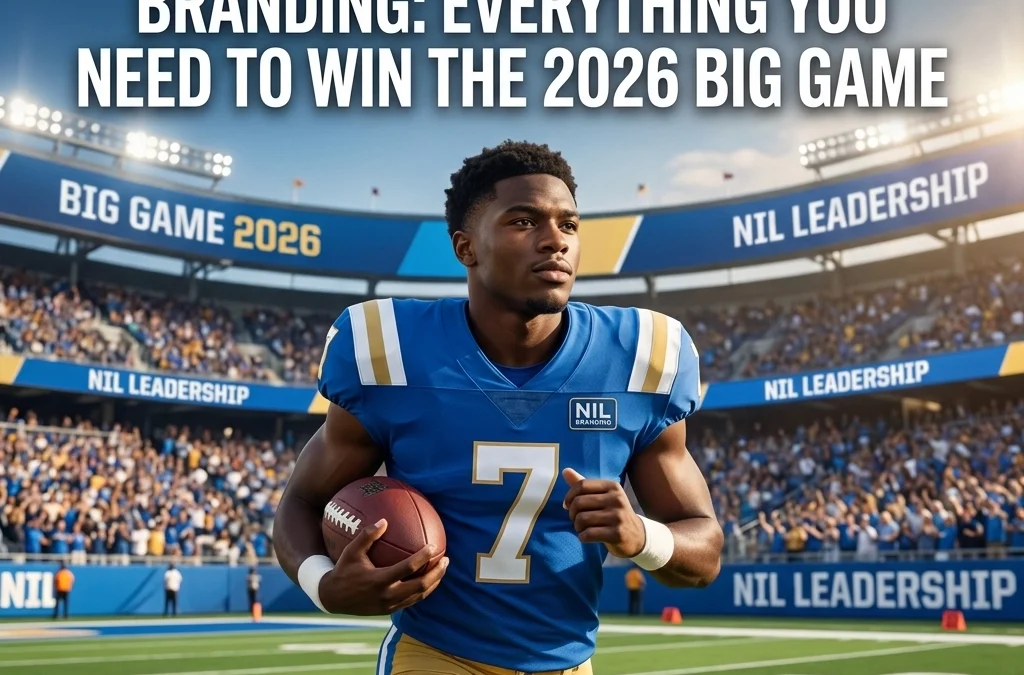
The landscape of sports marketing shifted permanently during the 2026 Big Game cycle. For media buyers and brand managers, the primary focus transitioned from traditional high-cost commercial spots to the massive scale of Name, Image, and Likeness (NIL) branding. While the television broadcast remains a significant cultural moment, the real engagement moved to the hands of over 20,000 authentic student-athlete voices. This guide breaks down the mechanics, strategies, and results of the NIL revolution that defined the most recent championship season.
The Evolution of NIL in 2026
NIL branding is no longer a novelty or a specialized experiment for niche brands. In 2026, it has become the cornerstone of any comprehensive sports marketing strategy. The shift is driven by a move from transactional, one-off partnerships to a model rooted in authenticity and peer-to-peer influence. Media buyers have recognized that while an $8 million 30-second spot offers massive reach, it often lacks the sustained engagement and trust that student-athletes provide.
The infrastructure for managing these partnerships has matured. Large-scale platforms now allow brands to connect with thousands of athletes simultaneously, transforming what was once a manual, labor-intensive process into a programmatic reality. The focus for the 2026 Big Game was not just on the star quarterback of the winning team, but on the cumulative power of thousands of athletes sharing a brand story in their own voices.
Objective and Strategy: The Power of 20,000 Voices
The primary objective for major advertisers during the 2026 season was to achieve "ubiquity through authenticity." Rather than betting the entire budget on a single creative asset, the strategy involved distributing the message through a network of 20,000 student-athletes. This approach ensures that the brand message is integrated into the daily social feeds of fans across the country, creating a "warmed-up" audience before the game even begins.
The strategy relies on three main pillars:
- Scale: Reaching a critical mass of influencers to dominate the digital conversation.
- Agility: Utilizing the ability of student-athletes to create and post content in response to live game events within hours.
- Localization: Leveraging the deep connections athletes have with their specific campus communities to drive regional sales.
By utilizing the OOH Sports marketing platform, brands were able to coordinate these thousands of voices with precision, ensuring that the creative remained on-brand while still feeling personal to each athlete.
The Multi-Phase Strategic Framework
To win the Big Game, execution must happen in distinct phases. Successful campaigns in 2026 followed a rigorous timeline that began long before the coin toss.
Phase 1: Pre-Game Momentum (January 2026)
The pre-game phase is dedicated to narrative building. Brands used this time to identify athletes with the highest cultural momentum. This period focuses on social listening and identifying which athletes are resonating most with specific demographics. The goal is to build a foundation of brand awareness so that by the time game week arrives, the audience is already familiar with the partnership.
Phase 2: Live Game-Day Agility
Game day is where NIL branding provides a distinct competitive advantage over traditional media. While traditional commercials are locked in months in advance, an NIL network can pivot on a dime. If a specific play, halftime highlight, or underdog story begins to trend, brands can commission and publish video content within two hours. This real-time response capability is critical in a news cycle measured in minutes.

Phase 3: Post-Game Legacy
The 30 days following the event are often overlooked but represent the highest ROI potential. The "Super Bowl hangover" is real for traditional TV advertisers, but NIL athletes continue to engage their audiences with recaps, behind-the-scenes content, and sustained product placement. Data from 2026 suggests that Q1 sales lifts were significantly more durable for brands that utilized post-game NIL activations.
Technology Partners and Implementation
Managing 20,000 athletes requires advanced technological integration. The process involves programmatic distribution and verified conversion tracking. Media buyers are now using enterprise integrations to track attribution and conversions rather than just raw impressions.
The use of Sportrons and other innovative digital out-of-home (DOOH) tools allowed brands to sync athlete content with physical advertising locations near stadiums and campuses. This omnichannel approach creates a loop where a fan sees an athlete's post on their phone and then sees the same athlete featured on a digital billboard as they drive to a watch party.
Watch how these integrations work in real-time:
https://www.youtube.com/watch?v=l6J-0zileKE
Legal Navigation and Trademark Compliance
The legal landscape remains a complex hurdle for non-official sponsors. The league maintains strict control over trademarks like "Super Bowl" and official team logos. Successful 2026 campaigns navigated this by focusing on the lifestyle and experience surrounding the event.
Strategy highlights for compliance included:
- Using generic terms like "The Big Game" or "Sunday's Championship."
- Focusing on personal rituals, game-day snacks, and athlete lifestyle.
- Avoiding official jerseys in creative, instead opting for team-colored apparel.
- Highlighting the athlete's personal journey and connection to the sport rather than the specific league event.
By following these guidelines, brands avoided costly legal disputes while still capturing the massive attention surrounding the weekend.
Measurable Results and ROI
The data from the 2026 campaigns reveals why this shift occurred. When comparing NIL-driven campaigns to traditional stadium sponsorships, the ROI metrics are clear. Brands that invested in athlete networks saw a verified increase in brand preference ratings compared to those that relied solely on traditional placements.
According to a recent case study, one major beverage brand saw a 200% lift in local sales near major college campuses by activating local NIL ambassadors during the championship weekend. Furthermore, the engagement rate for these peer-to-peer posts averaged 8.4%, significantly higher than the industry average for standard brand-owned social posts.

Key Performance Indicators (KPIs) tracked in 2026:
- Device IDs Exposed: Tracking how many unique users saw both an NIL post and a coordinated DOOH advertisement.
- Brand Lift Studies: Measuring the change in consumer perception after exposure to multiple athlete voices.
- Conversion Attribution: Direct link-tracking from athlete bios to e-commerce checkouts.
The magnitude of these results has led many Fortune 100 brands to reallocate up to 40% of their "Big Game" budget toward NIL and programmatic DOOH innovation.
Tactics for Media Buyers
For those looking to replicate the success of the 2026 season, several actionable steps are recommended:
- Audit Agency Timelines: If the current creative process takes longer than 48 hours to approve and publish, the brand will miss the NIL window.
- Prioritize Authenticity Over Polish: Fans in 2026 respond better to genuine, self-shot content than high-production commercials that feel "over-produced."
- Build Athlete Networks: Move away from one-off sponsorships and toward building a persistent ecosystem of 50 to 100 core athletes who represent brand values year-round.
- Leverage Programmatic DOOH: Use programmatic DOOH vs traditional stadium ads to gain better ROI and flexibility.

The Bottom Line for 2026 and Beyond
The 2026 Big Game proved that winning in the modern sports era requires a combination of scale, speed, and genuine connection. By leveraging the voices of over 20,000 student-athletes, brands can penetrate the noise of a crowded media environment and build lasting relationships with fans. The technology now exists to manage these campaigns with the same precision as a standard digital buy, but with the added power of human trust.
As the industry moves forward, the integration of NIL and out-of-home advertising will continue to be the primary driver of growth for sports marketing. For more insights into how these strategies are evolving, visit the OOH Sports blog or contact the team to discuss the next generation of athlete-driven campaigns.
The brands that won in 2026 were those that stopped trying to buy attention and started earning it through the voices that fans already follow and admire. The blueprint is now established, and the results are undeniable. Winning the next big game starts with building those connections today.