
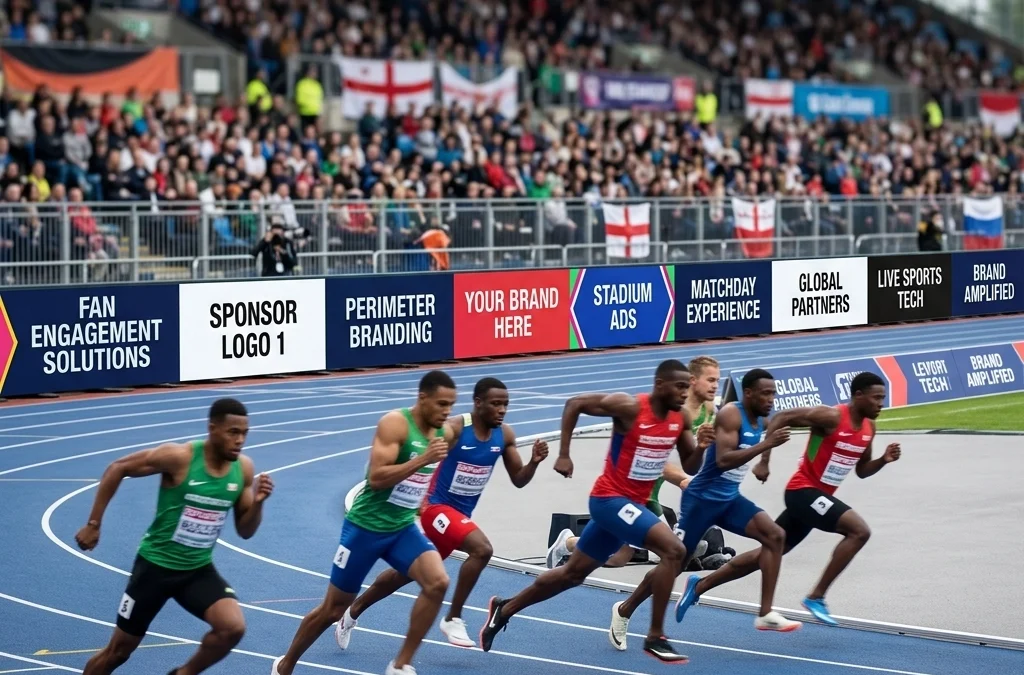

The modern stadium is more than a venue for athletic competition. It is a high-intensity emotional environment where brands have the unique opportunity to connect with a captive audience. As creative directors and CMOs look for ways to break through the digital noise, stadium perimeter branding has emerged as a critical tool for driving fan engagement and brand preference.
Traditional advertising often suffers from declining attention spans. However, sports fans represent a demographic that is deeply engaged, physically present, and emotionally invested. By utilizing advanced perimeter branding tactics, companies can move beyond simple logo placement and create immersive experiences that resonate long after the final whistle.
OOH Sports provides the infrastructure for these connections. Through specialized technology and strategic placement, perimeter advertising transforms the physical boundaries of the field into a dynamic canvas for storytelling.
The Strategy of Visibility and Engagement
The objective of stadium perimeter branding is twofold. First, it must provide high-frequency visibility for the brand. Second, it must enhance the fan experience rather than interrupt it. Successful campaigns treat the perimeter board as a part of the game-day narrative.
When a brand occupies the perimeter space, it benefits from the "halo effect" of the sports property. The excitement of the match is transferred to the brand. To maximize this impact, marketing leaders must look beyond static images and embrace a series of tactical shifts that prioritize the fan journey.
Detailed information on the technical guide to these displays can be found at oohsports.com/2026/03/24/the-ultimate-guide-to-stadium-perimeter-branding-everything-you-need-to-win-over-fans-2.
1. Optimize Contact Intensity with Strategic Rotations
The most fundamental tactic in perimeter branding is the management of visual rotations. Brands must choose the display mode that best aligns with their campaign objectives. There are three primary rotation strategies:
- Full Rotation: One sponsor occupies the entire perimeter system simultaneously. This creates a "clean" look and high-contact intensity. It is highly effective for brand launches or major announcements where dominance is required.
- Segmented Rotations (4:4 or 2:2): This method balances visibility among multiple partners. It allows for a variety of messages while ensuring that each brand receives quality exposure.
- Multisession Displays: Up to 14 sponsors appear across the perimeter at once. This is a common approach for broad sponsorship portfolios and helps build a sense of a robust ecosystem of partners.
By choosing the right rotation, brands can avoid "ad blindness." Frequent changes in the visual field keep the fan’s eyes moving, ensuring that the brand remains a part of the active visual environment. This technical precision is what separates high-performing campaigns from background noise.

2. Design for Digital Amplification and the "Social Lens"
Perimeter branding is no longer limited to the fans in the seats. In the age of social media, every fan is a potential content creator. Most fans use their mobile devices to capture highlights, celebrations, and stadium atmosphere.
Strategic perimeter branding designs for the camera. This means using high-contrast colors, bold typography, and placements that align with the most photographed areas of the stadium, such as near the goals or the player benches. When a fan takes a photo or video for Instagram or TikTok, the perimeter branding should be a clear and attractive part of the background.
To achieve this, creative teams should:
- Test creative assets for legibility through a smartphone lens.
- Use colors that pop against the green of the grass or the court surface.
- Coordinate branding with specific game moments, such as scoring celebrations, to increase the likelihood of being featured in viral content.
This "social-first" design philosophy extends the reach of the investment far beyond the stadium walls, tapping into the organic networks of thousands of attendees.
3. Integrate Interactive Elements and Second-Screen Experiences
The fan experience is increasingly omnichannel. Fans watch the live action while simultaneously checking stats, managing fantasy lineups, or participating in social polls on their phones. Perimeter branding can act as the bridge between these two worlds.
By integrating interactive triggers, such as QR codes or specific search prompts, perimeter boards can drive traffic to digital platforms in real-time. For example, a perimeter display could promote a "predict the next scorer" contest available on the team app. This tactic transforms a passive viewing experience into an active engagement opportunity.

Using interactive elements allows CMOs to track attribution more accurately. When a fan scans a code or visits a specific URL mentioned on a perimeter board, it provides tangible data on engagement levels. More insights on how this compares to traditional methods can be explored at oohsports.com/2025/11/21/programmatic-dooh-vs-traditional-stadium-sponsorships-which-delivers-better-roi-for-your-sports-marketing-budget.
4. Maintain Narrative Continuity Across the Season
One-off advertisements rarely build lasting loyalty. The most successful perimeter branding campaigns utilize narrative continuity. This involves telling a story that evolves throughout the sports season.
Instead of displaying the same creative for every match, brands can update their perimeter content to reflect the current state of the team. Tactics include:
- Player Spotlights: Featuring creative that highlights a specific star or a local hero.
- Historical Milestones: Celebrating the club's history or past championships to build emotional resonance with long-term fans.
- Community Impact: Showcasing the brand’s local philanthropic efforts in conjunction with the team.
This approach builds a sense of partnership between the brand and the fan base. The brand is seen as a supporter of the community and the sport, rather than a mere advertiser. This builds "place attachment," where fans associate their positive emotional experiences at the stadium with the brands that are consistently present.
5. Utilize Programmatic Triggers for Real-Time Relevance
The integration of programmatic Digital Out-of-Home (DOOH) technology has revolutionized stadium perimeter advertising. Brands can now use data to trigger specific creative based on real-time events.
Imagine a scenario where a beverage brand displays a "celebration" creative immediately after a home team goal. Or a weather-appropriate ad that triggers if it starts to rain or if the temperature drops. This level of relevance ensures that the branding is always in sync with the fan's current state of mind.
Programmatic triggers allow for:
- Contextual Relevance: Syncing ads with game events or crowd energy.
- Efficiency: Buying impressions only when they are most valuable.
- Flexibility: Updating creative assets instantly without the need for physical changes.
The power of this innovation is discussed in depth in the OOH Sports analysis of industry trends at oohsports.com/2026/02/13/why-sports-dooh-innovation-will-change-the-way-you-connect-with-fans-2.

Measuring the Impact on Brand Preference
The ultimate goal of these tactics is to drive measurable business results. By focusing on the fan experience, brands can achieve significant lifts in brand awareness and preference ratings.
Data from recent stadium campaigns suggests that integrated perimeter branding leads to higher recall rates compared to traditional television spots. This is due to the lack of "skip" or "mute" options in a live environment. Fans are physically oriented toward the action, and the perimeter boards are an unavoidable part of that visual field.
When combined with mobile retargeting, the results are even more pronounced. By capturing device IDs of fans exposed to perimeter branding, marketers can deliver follow-up messages on the fan's mobile device after they leave the stadium. This multi-touch approach ensures that the "unforgettable experience" created at the stadium converts into a long-term customer relationship.
Conclusion
Stadium perimeter branding is a sophisticated tool for the modern marketer. By moving beyond static logos and embracing dynamic rotations, social-first design, interactivity, narrative continuity, and programmatic triggers, brands can create deep connections with fans.
OOH Sports remains at the forefront of this evolution, providing the technology and strategic expertise required to execute high-impact campaigns. As the sports landscape continues to grow in complexity, the ability to command attention at the edge of the action will remain a primary competitive advantage for creative directors and CMOs alike.
For more information on how to implement these strategies, visit the OOH Sports marketing resource at https://oohsports.com/marketing or reach out directly via the contact page.