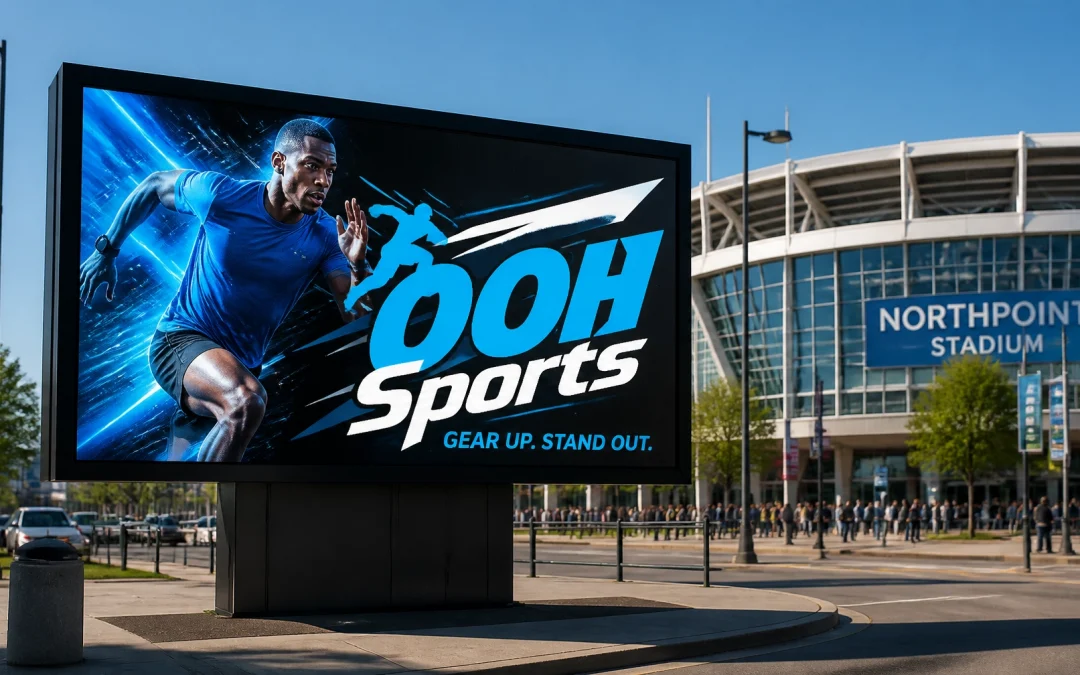
Sports marketing has undergone a fundamental transformation. The era of static banners and one-size-fits-all messaging is giving way to a more dynamic, data-driven approach. Digital Out-of-Home (DOOH) advertising is at the forefront of this shift, offering brands the ability to reach fans with surgical precision. This guide explores the mechanics of sports-centric DOOH and how media buyers can leverage this technology to drive measurable results.
The Strategy: Targeted Fan Engagement
The primary objective of a sports DOOH campaign is to capitalize on the emotional investment of fans. Unlike traditional advertising, DOOH in sports contexts reaches an audience when they are most engaged. The strategy centers on creating a continuous brand presence throughout the fan journey, from the moment they leave their homes to the post-game celebration.
A key tactic in this approach is the implementation of a geographical perimeter. By targeting digital video advertising boards within a 10-mile radius of sports venues, brands can ensure their message is seen by the exact demographic attending the event. This "proximity targeting" extends beyond the stadium walls, reaching fans in transit hubs, parking facilities, and local retail centers.

Expanding Reach into Everyday Fan Spaces
While the stadium is the heart of the action, the fan experience is not confined to the arena. Research indicates that a significant portion of fan engagement occurs in "everyday fan spaces." These locations include:
- Sports Bars and Restaurants: High-social environments where fans gather to watch away games or celebrate wins.
- Fitness Centers and Gyms: Locations that index highly for health-conscious and sports-active demographics.
- Transit Hubs: Airports, train stations, and bus shelters that serve as gateways for traveling fans.
- Retail and Convenience Stores: Point-of-purchase locations where fans stock up on beverages and snacks before kick-off.
By placing media in these varied environments, brands maintain a consistent narrative that resonates with the lifestyle of the modern sports enthusiast.
Technology Partners and Programmatic Execution
The efficiency of modern sports DOOH is driven by programmatic technology. Programmatic DOOH allows media buyers to automate the purchase and delivery of digital ads based on real-time data. This process involves several specialized technology partners and platforms:
- Demand-Side Platforms (DSPs): These allow buyers to set specific parameters, such as location, time of day, and audience demographics.
- Supply-Side Platforms (SSPs): These manage the inventory of digital screens, ensuring that ads are delivered to the correct locations.
- Data Providers: Third-party data is used to identify movement patterns, ensuring that screens are activated only when the target audience is present.
This technological framework enables "trigger-based" creative. For example, a campaign can be programmed to display specific content if the home team wins, or to promote a "rain delay" special if local weather data indicates a change in playing conditions.

Quantifiable Results and Case Studies
The success of sports DOOH is not merely anecdotal. It is backed by rigorous measurement and attribution studies. By tracking exposed device IDs and comparing them against control groups, brands can determine the exact lift in brand awareness and purchase intent.
Recent executions within the sports media landscape have yielded significant data points:
- Purchase Consideration: A programmatic DOOH campaign for White Claw’s vodka launch resulted in a 74 percent lift in purchase consideration.
- Brand Image: An execution for Mike’s Hard Iced Tea saw a 119 percent lift in positive brand image by aligning with high-energy sports environments.
- Consumer Intent: Sea-Doo’s first digital OOH campaign achieved a 144 percent increase in purchase consideration by targeting active, outdoor-oriented fans.
These results demonstrate that when DOOH is integrated into a sports marketing strategy, it drives performance that far exceeds traditional baseline metrics.

Best Practices for High-Impact Creative
To succeed in the fast-paced sports environment, creative assets must be optimized for the medium. High-impact DOOH requires a specific design philosophy:
- Simplicity and Boldness: Screens are often viewed from a distance or while in motion. Bold typography and high-contrast visuals are essential.
- Minimal Copy: The industry standard is fewer than seven words. The goal is to convey a single, powerful message instantly.
- Contextual Relevance: Creative should acknowledge the sports context. Referencing specific teams, rivalries, or game-day rituals increases audience resonance.
- Call to Action (CTA): Whether it is a QR code for an app download or a prompt to visit a nearby retail location, the CTA must be clear and easily executable.
Conclusion: The Future of Sports Media
As the digital landscape continues to evolve, the integration of DOOH into the broader sports media mix is no longer optional. It is a vital tool for media buyers and brand managers seeking to cut through the noise. By combining the emotional power of sports with the analytical precision of programmatic technology, brands can create advertising experiences that are as memorable as the games themselves.
For those looking to explore the full potential of these strategies, OOH Sports provides the infrastructure and expertise necessary to navigate this innovative landscape.