
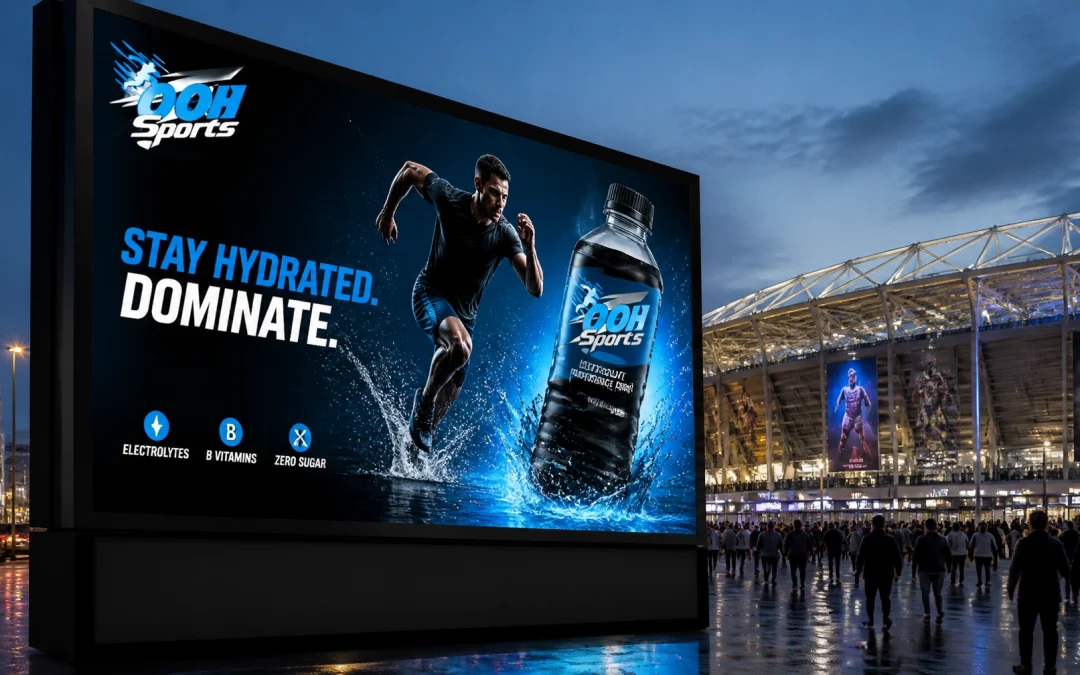
The landscape of out-of-home (OOH) advertising is undergoing a significant transformation, driven by technological advancements and shifting consumer behaviors. In the sports sector, these changes are particularly pronounced. As traditional static billboards give way to dynamic, data-driven displays, brands have unprecedented opportunities to connect with fans in meaningful ways. Integrating the latest digital out-of-home (DOOH) industry insights into a branding strategy is no longer optional for media buyers and CMOs; it is a necessity for maintaining competitive advantage and ensuring measurable ROI.
The global DOOH market is projected to reach over 88 billion dollars by 2035, with programmatic DOOH (pDOOH) accounting for a substantial and growing portion of total spend. This growth reflects a shift from simple location-based buying to audience-first planning. By understanding these trends, brands can execute campaigns that are not only visible but also contextually relevant and highly efficient.
The Rise of Programmatic Precision
Programmatic DOOH has moved from a niche offering to a standard component of sophisticated media plans. This technology allows for the automated buying and selling of digital signage, bringing the precision of digital display advertising to the physical world. For sports marketing, this means moving beyond broad "stadium area" buys toward targeted activations based on real-time data.
Key features of programmatic adoption include:
- Automated Transactions: Brands can now secure premium inventory near arenas and transit hubs through automated platforms. This process reduces manual negotiation and allows for faster campaign deployment.
- Flexibility and Agility: Programmatic buying enables advertisers to pause, resume, or adjust campaigns instantly. If a team advances in a tournament, budgets can be reallocated to specific cities where fan engagement is highest.
- Audience-First Targeting: Instead of selecting screens based solely on geography, planners use mobility and location data to target specific audience segments, such as "frequent stadium attendees" or "sports bar enthusiasts."
By leveraging pDOOH, brands can achieve a higher degree of efficiency. The ability to set specific triggers ensures that ad spend is concentrated during peak moments, such as the hours leading up to a championship game or during high-traffic commuter windows.
Contextual Relevance and Dynamic Creative
One of the most powerful insights in the current DOOH landscape is the effectiveness of Dynamic Creative Optimization (DCO). Static messaging is increasingly being replaced by content that adapts to external triggers in real time. This approach ensures that the creative is always relevant to the viewer's immediate environment and current state of mind.

Strategic triggers for sports-focused DOOH include:
- Game Scores and Statistics: Ads can automatically update to show live scores, player stats, or congratulatory messages following a win.
- Weather Conditions: Creative can change based on local weather. For example, a beverage brand might promote refreshing iced tea during a heatwave or transition to hot coffee during a cold-weather game.
- Inventory and Proximity: Retail media integration allows DOOH screens to display product availability at nearby stores, driving immediate foot traffic.
- Dayparting: Messaging can be tailored to the time of day, transitioning from breakfast offers in the morning to "happy hour" promotions in the late afternoon.
This level of contextual relevance significantly improves brand recall and engagement. When an advertisement reflects the excitement of a live sporting event, it ceases to be background noise and becomes a part of the fan experience.
Omnichannel Synchronization and the Fan Journey
The modern fan journey is complex and spans multiple touchpoints. Successful branding strategies treat DOOH not as a siloed channel, but as a physical anchor for a broader omnichannel campaign. Integrating DOOH with Connected TV (CTV), mobile advertising, and social media creates a unified brand narrative that follows the consumer from their home to the arena.

A synchronized strategy involves several logical steps:
- Awareness via CTV and Social: Brands launch initial messaging on streaming platforms and social media to build anticipation before an event.
- Reinforcement via DOOH: On game day, digital screens along transit routes and near stadiums reinforce the message when the consumer is most active and engaged.
- Mobile Retargeting: Using device ID data, brands can retarget fans who were exposed to DOOH displays with personalized offers or app download prompts on their mobile devices.
- In-Stadium Engagement: Utilizing networks like Sportrons allows brands to maintain visibility inside the venue itself, reaching fans during the game.
This holistic approach ensures that the brand remains top-of-mind throughout the entire event lifecycle. By aligning creative assets across all platforms, companies can maximize the impact of their sports marketing investments.
The 3-Mile Proximity Strategy
For sports advertisers, the area immediately surrounding a stadium or arena is prime real estate. Research indicates that focusing on a three-mile radius around major venues is an effective way to capture peak engagement. This zone includes not only the stadium itself but also high-traffic locations where fans congregate before and after events.
OOH Sports provides access to a diverse network of digital screens within this critical radius, including:
- Bars and Restaurants: Reaching fans in casual dining environments where they watch games.
- Gyms and Fitness Centers: Targeting health-conscious consumers in an active mindset.
- Transportation Hubs and Highways: Capturing the attention of commuters and fans traveling to the venue.
- Quick-Service Restaurants (QSRs) and Urban Panels: Providing multiple touchpoints in high-density areas.
This proximity targeting ensures that messaging reaches the right audience at the right time. Furthermore, the use of "rainout protection" allows outdoor campaigns to pause automatically if an event is canceled, protecting the advertiser's budget and ensuring that impressions are only delivered when fans are present.
Quantifying Results and ROI
The shift toward digital formats has brought improved accountability to the OOH industry. Modern measurement techniques, such as brand lift studies and foot traffic attribution, provide concrete data on campaign performance. Analysis of recent campaigns highlights the magnitude of success possible with well-executed DOOH strategies.

Evidence of impact can be seen in several high-profile case studies:
- Brand Preference and Image: A programmatic DOOH campaign for Mike’s Hard Iced Tea resulted in a 119 percent lift in positive brand image. The strategy focused on reaching consumers in key moments, proving that data-driven placement enhances brand perception.
- Purchase Consideration: White Claw utilized pDOOH for its vodka launch and observed a 74 percent increase in purchase consideration. Detailed reporting allowed the brand to correlate screen exposure with consumer intent.
- Consumer Action: Research indicates that approximately 60 percent of consumers exposed to DOOH advertisements are more likely to take a measurable action, such as visiting a website or making a purchase.
These results underscore the value of moving beyond traditional metrics like raw impressions toward more meaningful indicators of consumer behavior and brand health. Brands can find more detailed examples of these outcomes on the OOH Sports case study page.
Implementation Roadmap for Brand Managers
Integrating these insights into a branding strategy requires a structured approach. Brand managers and media planners should consider the following steps:
- Define Audience Segments: Identify the specific fan profiles relevant to the brand, using location and behavioral data.
- Select Technology Partners: Partner with a Demand-Side Platform (DSP) or specialized network like OOH Sports that offers access to premium sports-centric inventory.
- Develop Dynamic Creative: Create flexible ad templates that can respond to real-time triggers, ensuring messaging is always timely.
- Align Omnichannel Touchpoints: Ensure that creative assets and messaging are consistent across DOOH, social media, and digital channels.
- Establish Measurement Frameworks: Determine the KPIs before launch, focusing on brand lift, visitation, or conversion metrics to prove ROI.
- Optimize in Real-Time: Use the flexibility of programmatic platforms to adjust spend and creative throughout the campaign based on performance signals.

Conclusion
The future of sports advertising lies in the seamless integration of technology and physical environments. By embracing programmatic precision, dynamic content, and omnichannel synchronization, brands can navigate the evolving DOOH landscape with confidence. The ability to reach fans within a three-mile radius of their favorite stadiums, supported by robust data and measurement, offers a powerful tool for driving brand growth and consumer engagement. As the industry continues to advance, those who prioritize these strategic insights will be best positioned to capture the attention and loyalty of sports fans across America.