
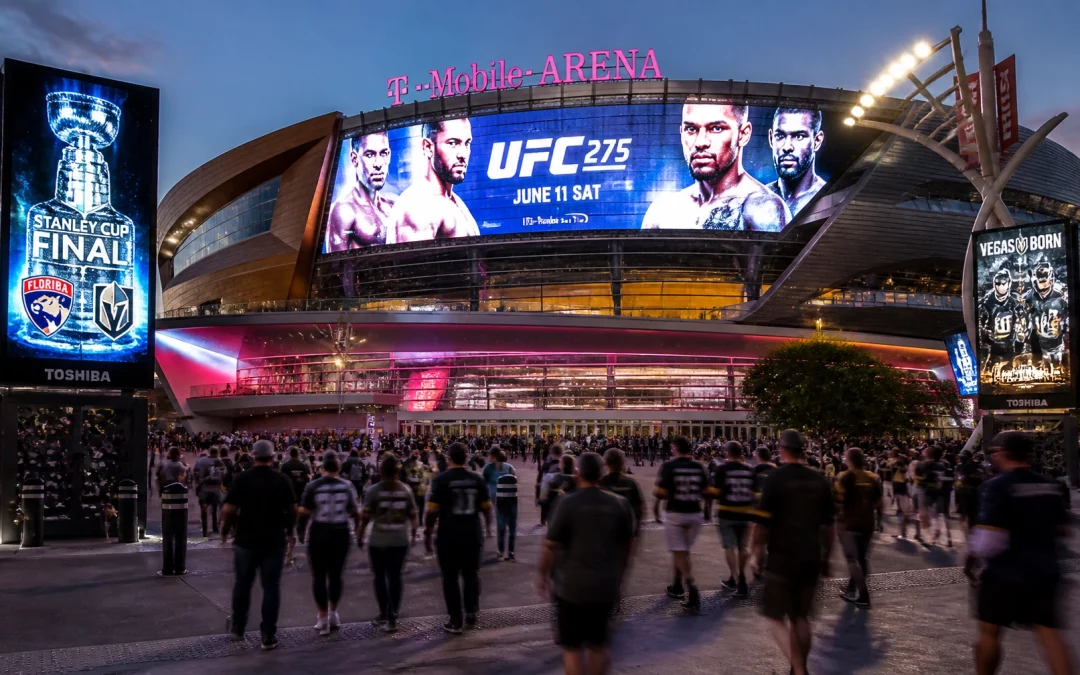
The landscape of sports marketing is undergoing a significant transformation. As fans return to stadiums in record numbers, the opportunity to reach them extends far beyond the final whistle and the physical walls of the arena. OOH Sports has announced a comprehensive expansion of its digital out-of-home (DOOH) network, a move designed to provide brands with unprecedented access to the high-energy environment surrounding every major sports venue in America.
This expansion is not merely an increase in screen count. It represents a strategic move to dominate the ten-mile perimeter around sports arenas, offering media buyers a streamlined path to engage fans during their entire game-day journey. For chief marketing officers and brand managers, this development signifies a shift toward more precise, data-driven, and high-impact sports advertising.
Objective & Strategy
The primary objective of this network expansion is to bridge the gap between traditional stadium sponsorship and broad-market out-of-home advertising. While in-stadium signage remains a staple, the exposure is often limited to those inside the building during specific game windows. The OOH Sports strategy focuses on the "fan journey," capturing attention during the hours leading up to an event and the immediate aftermath when fan engagement and emotional resonance are at their peak.
By securing access to digital video advertising boards across every major category within a ten-mile radius of sports venues, the company creates a saturation effect. This radius includes transit hubs, major highway arteries, retail centers, and entertainment districts where fans congregate before and after games. The strategy is built on the principle of contextual relevance. When a fan is within ten miles of a stadium on game day, their mindset is primed for sports-related content. Advertisements delivered in this zone benefit from higher recall rates and a more favorable consumer reception.

Technology and Targeting
The backbone of this expanded network is programmatic digital out-of-home (pDOOH) technology. This shift from manual, loop-based buying to automated, data-driven execution allows for a level of precision previously unavailable in the OOH space. Media planners can now utilize the network to trigger advertisements based on specific live events, weather conditions, or even real-time game scores.
Precision Targeting Parameters
The network expansion leverages several key targeting layers to ensure brand messages reach the most relevant audience segments:
- Geofencing and Proximity: Utilizing the ten-mile perimeter ensures that every impression is delivered within a high-intent zone.
- Audience Segmentation: Integration with mobile location data allows the company to identify and target specific fan demographics. This includes affluent season ticket holders, corporate guests, and passionate "super fans" who frequent these areas.
- Dayparting and Event Triggers: Campaigns can be synchronized with the stadium schedule. Ads may increase in frequency during pre-game ingress or post-game egress to maximize visibility when foot traffic is highest.
- Creative Flexibility: The digital nature of the network allows for rapid creative swaps. Brands can update messaging to reflect game outcomes or highlight specific player achievements in real-time.
For more information on how these technical strategies compare to traditional methods, the OOH Sports blog provides detailed comparisons between programmatic DOOH and static signage.
Technology Partners and Integration
A network of this scale requires a robust ecosystem of technology partners. OOH Sports collaborates with leading Demand Side Platforms (DSPs) and Supply Side Platforms (SSPs) to ensure seamless integration for media buyers. These partnerships allow for omnichannel campaign execution, where DOOH serves as a high-impact catalyst for digital and mobile retargeting.
By utilizing device ID tracking in a privacy-compliant manner, the network can identify mobile devices exposed to a specific digital billboard near a stadium. This data then enables brands to "follow up" with a mobile ad or a social media promotion, reinforcing the message and driving the consumer further down the purchase funnel. This integrated approach is a key component of the sportrons technology, which specializes in high-definition video delivery in sports-centric environments.
Results and ROI Impact
The ultimate metric for any network expansion is its impact on return on investment (ROI). Data from the latest campaign deployments indicates that DOOH near sports venues delivers significantly higher engagement than standard metropolitan placements. According to industry studies, approximately 73 to 76 percent of people take an action after seeing a DOOH ad, such as visiting a website or making a purchase.
When focused within the ten-mile sports perimeter, these results are often amplified. The emotional state of a sports fan: characterized by excitement, loyalty, and a sense of community: creates a "halo effect" for the brands advertising in that space.
Quantifiable Success
Recent performance data from the OOH Sports network highlights the following benchmarks for brands:
- Brand Lift: Campaigns focusing on the stadium perimeter have shown a marked increase in brand favorability and purchase intent compared to non-targeted OOH.
- Purchase Consideration: Specialized campaigns, such as those documented in the White Claw case study, have achieved up to a 74 percent lift in purchase consideration.
- Brand Image Improvement: High-impact digital placements have contributed to a 119 percent lift in positive brand image for major beverage partners, as seen in the Mike's Hard Iced Tea analysis.

Strategy for Media Buyers
For media buyers and planners looking to capitalize on this expansion, the process is designed to be straightforward. The network provides access to a consolidated inventory of digital screens, removing the need to negotiate with multiple individual vendors. This "one-stop-shop" approach for the ten-mile stadium radius drastically reduces the complexity of planning a regional or national sports-focused campaign.
When planning a buy, the following tactics are recommended:
- Synchronize with the Calendar: Align campaign flight dates with major tournament cycles, opening days, or rivalry weeks to ensure maximum audience density.
- Leverage Video Creative: Use the full capabilities of digital video boards to tell a story. Static images are effective, but dynamic video content in a high-traffic zone captures significantly more attention.
- Implement Attribution Modeling: Work with the company to set up brand lift studies or footfall attribution to measure the tangible impact of the campaign on store visits or online sales.
The move toward a more integrated, digital-first approach in sports marketing is further explored in the company's analysis of DOOH sports advertising trends through 2030.
Conclusion
The expansion of the OOH Sports digital network represents a new standard for sports-adjacent advertising. By focusing on the high-value ten-mile perimeter and utilizing the power of programmatic technology, the company offers a more efficient and effective way to reach the modern sports fan. This approach moves beyond simple awareness, driving measurable results and a stronger ROI for brands across all sectors.
As the industry continues to evolve, the ability to deliver the right message at the right time in the right location remains the gold standard. For those looking to elevate their brand's presence in the world of sports, this expanded network provides the necessary tools, reach, and data to succeed.

For detailed inquiries regarding specific market availability or to review additional case studies, interested parties are encouraged to visit the about page or contact the planning team directly through the official website.