
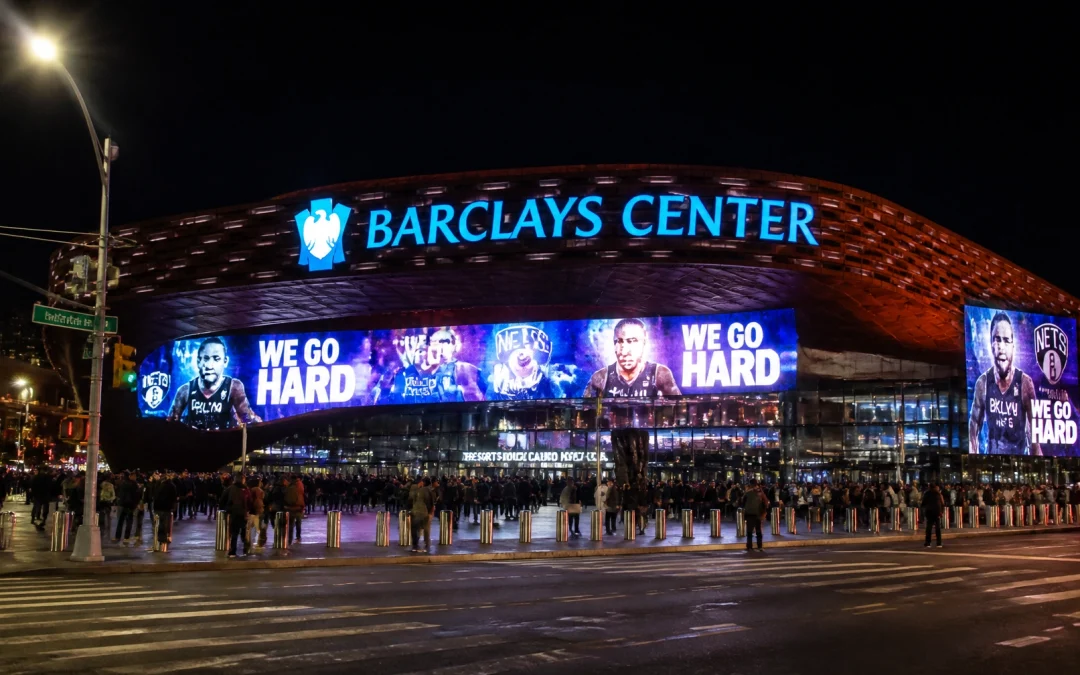
Traditional sports marketing has long relied on static signage and fixed broadcast placements to reach audiences. While these methods established baseline awareness, the modern landscape demands a more agile and data-driven approach. Digital Out-of-Home (DOOH) advertising represents a significant shift in how brands interact with fans, moving away from passive observation toward active engagement. This innovation allows marketers to transcend the physical boundaries of the stadium and enter the daily lives of consumers during high-intent moments.
The disruption of traditional models is rooted in the transition from broad, unmeasured visibility to precision-targeted digital inventory. By leveraging programmatic technology, brands can now synchronize their messaging with the ebb and flow of live sporting events, creating a seamless connection between the game on the field and the screens in the streets.
Strategy: The 10-Mile Perimeter Advantage
A core component of modern sports marketing disruption is the implementation of a perimeter-based targeting strategy. Rather than limiting a brand's presence to the interior of a stadium, OOH Sports utilizes a geographic radius extending up to 10 miles around major sports venues. This zone encompasses the entire fan journey, from the moment a supporter leaves home to their arrival at the arena and their eventual return.

The 10-mile perimeter includes a diverse array of digital touchpoints:
- Digital billboards along major transit arteries and highways.
- Transit displays in subway stations, bus shelters, and ride-share hubs.
- Screen networks in sports bars, gyms, and local retail centers.
- Digital kiosks in high-traffic fan zones and parking areas.
This geographical focus ensures that a brand remains top-of-mind throughout the pre-game buildup and post-game analysis. By saturating the environment where fans eat, travel, and socialize, campaigns achieve a "surround-sound" effect that traditional, localized signage cannot replicate. This method prioritizes the fan’s physical movement, ensuring that marketing messages are delivered in contexts where fans are emotionally primed and ready to engage.
Objective and Strategy: Contextual Relevance in Real-Time
Disruption in sports media is defined by the ability to react to live data. Traditional advertising is often static, planned weeks or months in advance. In contrast, DOOH innovation relies on Dynamic Creative Optimization (DCO) to alter messaging based on real-world triggers.
The primary objective is to make the advertisement feel like a part of the sporting event itself. This is achieved through several strategic triggers:
- Live Score Updates: Creative elements automatically update to reflect the current score, celebrating a local team's lead or highlighting a pivotal play.
- Weather Triggers: Messaging shifts based on local conditions. For instance, a beverage brand might promote a refreshing drink during a heatwave or a warm apparel line during a cold-weather game.
- Game Milestones: Advertisements can be programmed to activate when a star player hits a specific stat or when a game enters a crucial period, such as the two-minute warning or a penalty shootout.
- Audience Density: Utilizing mobile data pings to increase bid intensity when fan foot traffic peaks around specific screens.
By aligning creative content with these variables, brands move from being a distraction to being a relevant source of information. This level of contextual alignment fosters a deeper connection with the audience, as the brand appears to be sharing the fan’s experience in real-time.
Technology Partners: The Role of Programmatic Platforms
The shift toward DOOH innovation is supported by advanced technology stacks and strategic partnerships. The use of Demand Side Platforms (DSPs) and programmatic exchanges allows for the automated buying and optimization of inventory. Unlike traditional OOH, which requires manual negotiation and long-term contracts, programmatic DOOH offers flexibility and efficiency.

Platforms like StackAdapt provide the infrastructure necessary to execute complex, omnichannel campaigns. These technology partners enable:
- Unified Measurement: Tracking impressions and reach across various screen types within a single dashboard.
- Agile Budgeting: The ability to shift spending instantly between markets or venues based on performance or game relevance.
- Audience Retargeting: Capturing anonymized mobile device IDs from fans exposed to DOOH screens and retargeting them with personalized mobile or connected TV (CTV) ads later.
The integration of Sportrons and other digital video advertising boards ensures that brands have access to every relevant digital screen in a designated market. This technological ecosystem transforms physical screens into addressable digital assets, bringing the sophistication of online advertising to the physical world.
Results and Measurement: Quantifying the Disruption
The success of any disruptive strategy is measured by its impact on consumer behavior and brand perception. Data-driven campaigns consistently outperform traditional methods in key performance indicators such as brand lift, purchase consideration, and foot traffic.
For example, a programmatic DOOH campaign for White Claw demonstrated the power of this approach by driving a 74 percent lift in purchase consideration for its vodka launch. Similarly, AB InBev’s Mike’s Hard Iced Tea achieved a 119 percent lift in positive brand image by utilizing strategically timed DOOH placements.
Measurement methodologies have evolved to include:
- Brand Lift Studies: Assessing changes in awareness and favorability among audiences exposed to the campaign versus a control group.
- Device ID Exposure: Tracking how many unique devices passed within the viewable range of a digital screen.
- Foot Traffic Attribution: Correlating DOOH exposure with physical visits to retail locations or sports bars.
- Sales Lift: Analyzing the relationship between localized advertising saturation and regional sales data.
These metrics provide clear evidence that DOOH innovation is not just about visibility, it is about driving measurable business outcomes. The ability to cite specific percentage increases and ROI data allows media buyers to justify the shift from legacy media to more modern, digital-first strategies.
Execution: Mapping the Fan Journey
The execution of a disruptive DOOH campaign requires a detailed understanding of the fan’s routine. A successful rollout is structured into distinct phases that align with the stages of a sporting event.

Phase One: The Build-Up
In the 48 hours leading up to a major fixture, the focus is on building anticipation. DOOH screens in transit hubs and gyms display hype reels and early-bird offers. The goal is to establish brand presence before the fan even reaches the venue perimeter.
Phase Two: The Game Day Arrival
As fans move into the 10-mile radius on game day, bid intensity increases. Screens in parking garages and near stadium entrances feature high-impact visuals and last-minute incentives. This phase leverages the emotional peak of the pre-game atmosphere.
Phase Three: In-Game Engagement
For fans not inside the arena, DOOH screens in sports bars and viewing areas provide live updates and interactive content. This allows a brand to own the conversation among the large segment of the audience that follows the game from secondary locations.
Phase Four: The Post-Game Analysis
After the final whistle, the strategy shifts toward "victory" or "commiseration" creative. This might include ride-share discounts for those leaving the stadium or food and beverage offers for fans heading to a post-game celebration. This final touchpoint ensures the brand journey concludes on a high note, reinforcing positive associations.
Conclusion: The Future of Sports Media Buying
The disruption of traditional sports marketing is an ongoing process driven by technological advancement and changing consumer expectations. As DOOH sports advertising continues to grow, the brands that succeed will be those that embrace programmatic flexibility and data-driven creativity.
By focusing on the 10-mile perimeter, leveraging real-time data triggers, and partnering with advanced technology platforms, marketers can create campaigns that are as dynamic and passionate as the sports themselves. This approach moves beyond simple impressions, delivering meaningful engagement that resonates with fans in the moments that matter most. The future of sports marketing is not just in the stadium, it is everywhere the fan goes.