
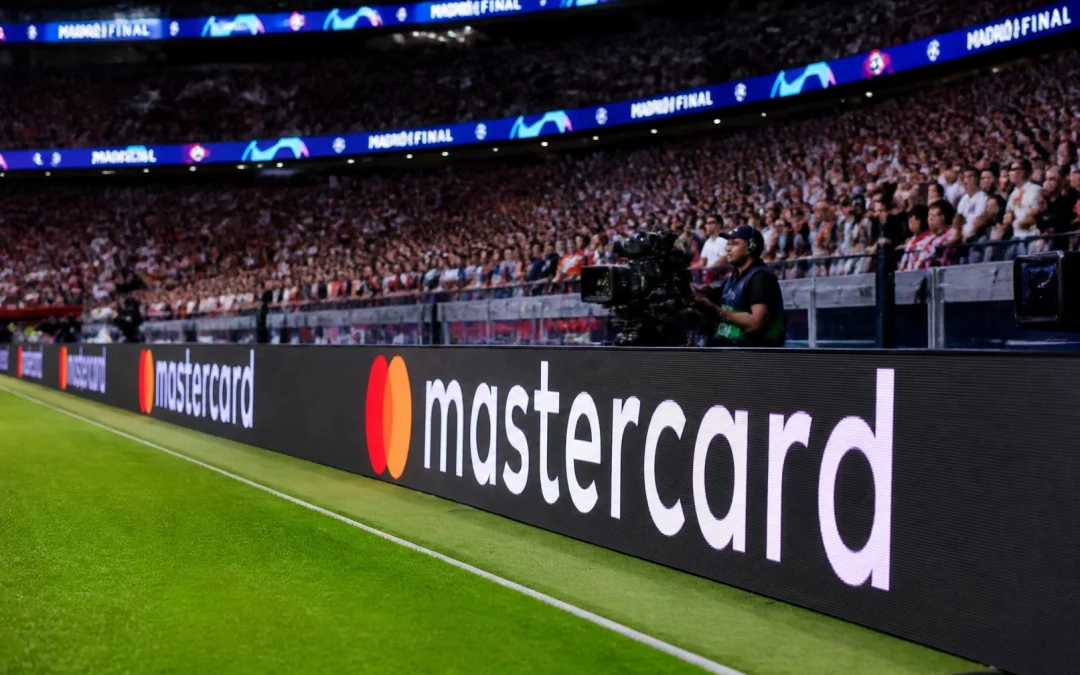
The challenge of capturing the attention of sports fans has never been more complex. While the passion of the crowd remains a constant, the methods used to reach them often fall short of modern expectations. Many brands find that their traditional fan engagement strategies are yielding diminishing returns. The noise of a digital world makes it difficult for a single message to resonate, especially when it is competing with the roar of a stadium and the distractions of a smartphone.
When fan engagement fails, it is usually due to a disconnect between the brand and the actual fan journey. Stadium perimeter advertising, combined with a strategic 10 mile radius digital out of home (DOOH) network, offers a solution that aligns marketing efforts with the physical and emotional reality of game day.
Here are 10 reasons why typical fan engagement strategies fail and how OOH Sports perimeter advertising provides the necessary correction.
1. One-Size-Fits-All Messaging
Many campaigns treat all fans as a single demographic. This generic approach fails to account for the difference between a local season ticket holder and a casual tourist visiting for a single match. Generic marketing often feels irrelevant and is easily ignored.
Stadium perimeter ads allow for contextually relevant creative. By using the OOH Sports network, brands can adjust messaging based on the specific venue, the teams playing, or even the current score. This ensures that the advertisement feels like a natural part of the event rather than an external interruption.
2. Ignoring the Proximity Effect
A common mistake is focusing exclusively on the 90 minutes of gameplay. Fan engagement begins the moment a supporter leaves their home and continues long after they leave the arena. If a brand only appears on a social media feed, it misses the opportunity to dominate the physical environment.
The OOH Sports strategy utilizes a 10 mile perimeter around sports venues. This captures fans at every touchpoint of their journey, including approach roads, transit hubs, and local gathering spots. This geographic precision ensures that the brand is top of mind throughout the entire game day experience.

3. Digital Fatigue and Ad Blockers
Digital saturation has led to a rise in ad-blindness. Mobile users are increasingly skilled at scrolling past sponsored posts. Furthermore, ad blockers and privacy settings limit the reach of traditional online advertising.
Physical advertising boards cannot be skipped or blocked. A massive digital display in a high traffic area near a stadium commands attention by its sheer scale. It provides a non-intrusive way to reach audiences who may have tuned out their personal devices.
4. Disjointed Marketing Channels
Engagement often fails because the experience is not omnichannel. A fan might see a social media ad on Tuesday, but find no mention of the brand when they arrive at the stadium on Saturday. This lack of consistency prevents the brand from building a cohesive narrative.
OOH Sports bridges this gap by acting as a "digital perimeter" that extends outside the venue. When the visual identity seen on a highway billboard matches the boards inside the stadium, the repetition builds brand salience. This integrated approach has been shown to significantly increase brand recall.
5. Lack of Emotional Context
Advertising is most effective when it reaches consumers during high-intensity moments. Generic display ads often appear when a user is distracted or bored. In contrast, sports fans are in a state of heightened emotion and focus.
Stadium perimeter ads sit directly in the field of vision during the game’s most critical moments. By associating a brand with the excitement of a goal or a major play, marketers tap into the emotional momentum of the audience. This creates a positive brand association that is difficult to replicate through standard digital channels.
6. Short-Lived Brand Impact
Many engagement tactics are "one and done." A single tweet or a temporary pop-up activation has a very short shelf life. If the brand disappears as soon as the game ends, the opportunity for long term loyalty is lost.
A persistent presence across a digital network ensures that the brand story continues beyond the final whistle. By utilizing digital boards for post game traffic updates or "win/lose" themed promotions, brands stay relevant during the trip home. This extends the window of engagement from a few minutes to several hours.
7. Poor Visual Real Estate
Small smartphone screens are not the ideal medium for building a premium brand image. Creative directors often find their high-quality visuals are compressed and diminished on mobile platforms.
The large format of stadium perimeter boards and street-level DOOH screens provides a canvas that matches the scale of the brand’s ambition. The vibrant colors and high-resolution displays of Sportrons ensure that every creative detail is seen exactly as intended.

8. Missing the "Mobile-First" Integration
While fans are physically present at the game, they are still using their phones. Many brands fail to connect these two realities. They treat out of home advertising as a static medium rather than a gateway to digital interaction.
Modern perimeter ads fix this by incorporating interactive elements such as QR codes and short URLs. A fan seeing a "Limited Time Offer" on a stadium board can scan and interact immediately. This converts an anonymous viewer into a known lead, feeding the brand's first party data strategy.
9. Difficulty in Measuring Impact
A frequent complaint from Chief Marketing Officers is the perceived difficulty in measuring the ROI of traditional billboards. Without clear data, it is hard to justify the spend compared to highly trackable digital ads.
The programmatic DOOH capabilities of OOH Sports provide the transparency required by modern marketers. By using device IDs and location data, campaigns can measure exactly how many people were exposed to an ad and track subsequent actions, such as website visits or retail foot traffic. This data driven approach turns outdoor advertising into a measurable performance channel.
10. High Barrier to Entry for Prime Real Estate
Historically, advertising inside a major stadium required a massive sponsorship deal. This often excluded innovative brands that wanted the impact of stadium visibility without the multi-year commitment of a title sponsorship.
Programmatic DOOH has lowered this barrier. It allows brands to buy space on a flexible, per-impression basis. This democratization of sports media means that creative directors can launch targeted, high impact campaigns that were previously reserved for the world’s largest corporations.
Objective & Strategy
The primary objective of a stadium perimeter campaign is to maximize brand salience by dominating the physical environment of a sports event. The strategy involves three distinct phases:
- Pre-Game Awareness: Utilizing the 10 mile radius DOOH network to reach fans as they travel toward the venue. Messaging focuses on anticipation and preparation.
- In-Game Dominance: Leveraging the perimeter boards inside the stadium to capture the attention of both the live crowd and the broadcast audience.
- Post-Game Reinforcement: Using digital screens near exits and transit hubs to provide a final brand touchpoint as fans depart.
Technology Partners
OOH Sports utilizes advanced programmatic platforms to deliver these results. By partnering with leading Demand Side Platforms (DSPs), the network allows for real-time bidding and precision targeting. This technology enables marketers to trigger ads based on weather, game scores, or specific time windows, ensuring maximum efficiency of the advertising spend.

Results and Performance
The effectiveness of this integrated approach is supported by significant performance data. Analysis of previous campaigns within the sports media landscape has shown that proximity based DOOH creates a measurable lift in brand perception.
- A recent programmatic DOOH campaign for a major beverage brand resulted in a 74% lift in purchase consideration.
- Another campaign focused on brand image saw a 119% lift in positive brand perception by utilizing a 10 mile radius strategy around key sports venues.
- Case studies have also indicated that brands using perimeter boards alongside mobile retargeting see a 144% increase in purchase consideration compared to single channel digital campaigns.
For more detailed information on specific outcomes, interested parties are encouraged to review the OOH Sports case studies.
By addressing the 10 common failures of fan engagement, stadium perimeter advertising provides a professional, scalable, and high-impact solution. It ensures that a brand is not just seen, but experienced as a vital part of the sports culture.