
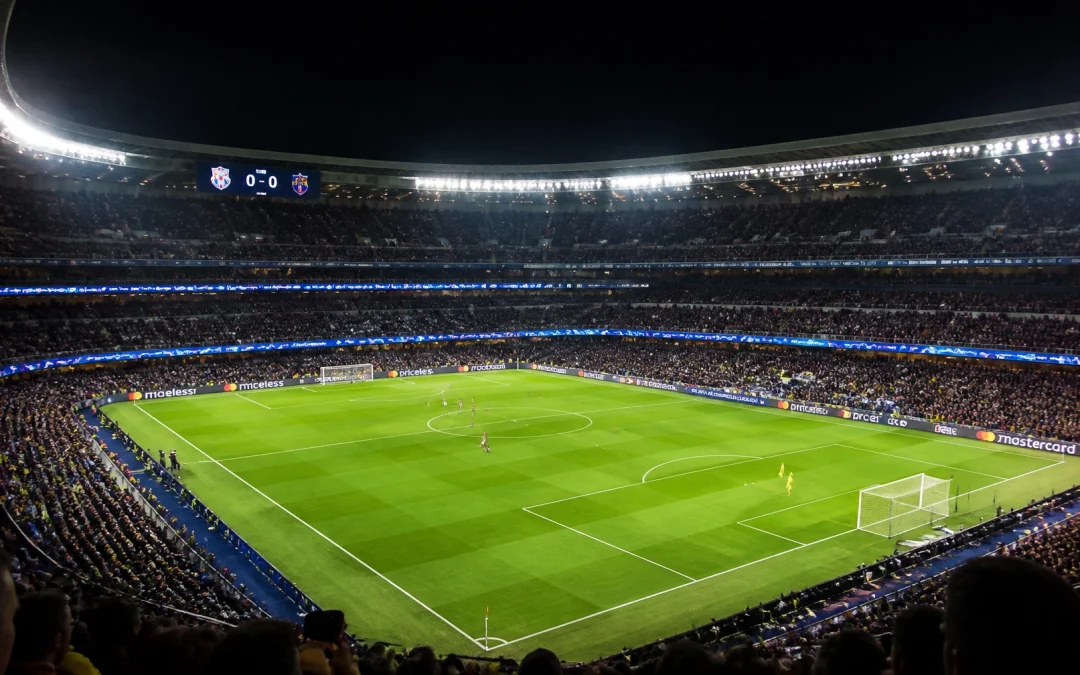
Capturing the attention of a sports fan is not like capturing the attention of a typical shopper. When a fan enters a stadium, they are not there to browse or compare prices. They are there to participate in a ritual, support their tribe, and experience high-stakes emotion. Despite this, many marketing campaigns still treat stadium environments like standard retail spaces. This misalignment often leads to wasted budget and missed connections.
Understanding the unique psychology of the sports environment is the first step toward better ROI. The digital perimeter, the ring of high-definition screens surrounding the field of play, offers a strategic solution to many common engagement pitfalls. By placing brand messaging directly in the line of sight during the game's most intense moments, marketers can bridge the gap between passive viewing and active brand affinity.
1. Treating Fans Like Generic Shoppers
One of the most frequent errors in sports marketing is failing to recognize the "tribal" nature of the audience. Fans possess a deep emotional investment in their team that does not exist with everyday consumer goods. When a brand approaches this audience with generic, sales-heavy messaging, it can feel intrusive or out of place.
The Perimeter Fix:
Positioning a brand on the pitch-side or courtside digital boards changes the perception of the advertisement. Research indicates that fans often view perimeter advertisers as supporters of the team rather than mere vendors. By appearing in the same visual frame as the athletes, the brand earns "borrowed equity" from the team's prestige. This shift from "interruption" to "support" is a subtle but powerful way to build trust and long-term loyalty.
2. Fighting for Mobile Attention During Peak Play
There is a common misconception that modern fans are constantly glued to their phones, even during a live game. While social media usage is high during halftime or timeouts, attention peaks are focused entirely on the field during active play. Campaigns that rely heavily on mobile push notifications or in-app ads during the game often miss the window of maximum engagement.

The Perimeter Fix:
The digital perimeter is effectively unskippable because it sits exactly where the fan is already looking. During a live play, the fan's eyes follow the ball, the puck, or the players, all of which stay within the proximity of the perimeter boards. This placement ensures that the brand message is received without requiring the fan to look away from the action they paid to see.
3. Missing the Emotional High Points
Engagement is not a flat line. It spikes during goals, touchdowns, or buzzer-beaters. Many digital campaigns are scheduled around a content calendar rather than the natural flow of the match. If a brand message appears during a lull in the game, it lacks the emotional "charge" that comes with a high-stakes moment.
The Perimeter Fix:
Digital Out-of-Home (DOOH) technology allows for real-time synchronization. Smart perimeter systems can trigger specific creative based on what is happening on the field. When the stadium erupts after a goal, the perimeter boards can display celebratory brand messaging. This links the brand to the fan's peak positive emotion, creating a lasting memory that a standard banner ad cannot replicate.
4. Using Static, "Set-it-and-forget-it" Creative
Creative directors often fall into the trap of using a single, static creative for an entire season. In a dynamic environment like a stadium, static images quickly become background noise. Fans who attend multiple games will stop noticing a board that never changes.
The Perimeter Fix:
The transition to programmatic DOOH allows for high levels of creative variety. Marketers can rotate messages based on the opponent, the weather, or even the time of day. For example, a beverage brand might promote a refreshing iced tea during a hot afternoon game and a warmer option during a chilly evening match. This freshness keeps the audience engaged and ensures the message remains relevant to the immediate environment.
5. Ignoring the "Last Mile" Around the Stadium
Many planners focus exclusively on what happens inside the arena, forgetting that the fan journey starts long before the whistle blows. There is a "last mile" of engagement within a 10-mile radius of the venue where fans are commuting, parking, and visiting local bars.

The Perimeter Fix:
OOH Sports specializes in building a digital network that extends up to 10 miles around sports venues. By coordinating perimeter ads with nearby street-level digital boards, brands can create a "halo effect." A fan sees the brand on a digital billboard while walking to the stadium, then sees it again on the perimeter during the game. This repetition reinforces the message and increases the likelihood of brand recall.
6. Underestimating the Frequency of Exposure
A single impression is rarely enough to drive a change in consumer behavior. Some campaigns fail because they lack the frequency needed to move the needle on brand preference. If a brand only appears for 30 seconds on a jumbotron, it is easily forgotten.
The Perimeter Fix:
Perimeter advertising provides sustained exposure throughout the entire duration of the event. Because the boards are visible in the background of almost every play, the cumulative time a fan spends looking at the brand is significantly higher than other formats. This constant presence builds a sense of familiarity and authority, signaling that the brand is a major player in the industry.
7. Failing to Bridge the Physical-to-Digital Gap
The biggest mistake is treating outdoor advertising as a siloed channel. In the past, it was difficult to track whether a fan who saw a stadium ad actually took action. Without a bridge to digital retargeting, the impact of the perimeter ad can be difficult to quantify.

The Perimeter Fix:
Modern programmatic DOOH platforms use anonymized device IDs to understand who was exposed to an ad. If a fan spends three hours in a stadium where a brand is active on the perimeter, that brand can later retarget that same fan on their mobile device or social media feed. This omnichannel approach ensures that the initial "wow" factor of the stadium ad leads to a measurable conversion.
Objective & Strategy
The primary objective of a perimeter-led campaign is to maximize brand lift by aligning with high-attention, high-emotion environments. The strategy involves three key pillars:
- Proximity Targeting: Saturating the 10-mile radius around the venue to reach fans during the "pre-game" mindset.
- Contextual Creative: Using dynamic digital assets that respond to the game's atmosphere.
- Measurement and Attribution: Using exposed device IDs to track purchase intent and brand favorability post-game.
Technology Partners
Executing a sophisticated perimeter strategy requires a robust technological stack. OOH Sports utilizes advanced Demand-Side Platforms (DSPs) to manage programmatic buys. Collaborations with partners like StackAdapt allow for seamless integration of DOOH into broader omnichannel campaigns. You can read more about how this works in our recent spotlight on StackAdapt DSP.
Results and Data
The effectiveness of these strategies is backed by significant data across various industries. When brands move away from generic advertising and toward targeted, perimeter-based DOOH, the results are measurable.
- White Claw: By leveraging programmatic DOOH, White Claw saw a 74% lift in purchase consideration for their vodka launch. The campaign focused on high-traffic areas where fans were already gathered. Detailed results are available in the White Claw case study.
- AB InBev (Mike’s Hard Iced Tea): This campaign achieved a 119% lift in positive brand image. By appearing in contexts associated with summer and sports, the brand successfully shifted consumer perception. Read the full AB InBev report here.
- Sea-Doo: In their first digital OOH campaign, Sea-Doo increased purchase consideration by 144%. The strategy utilized geographical targeting to reach outdoor enthusiasts near relevant venues. Explore the Sea-Doo results.
Summary
Successful fan engagement requires more than just a logo on a screen. It requires a strategic understanding of where the fan's eyes are, what they are feeling, and where they are going. By avoiding the seven mistakes outlined above and leveraging the power of the digital perimeter, brands can transform from simple advertisers into essential parts of the sports experience.
The stadium environment is one of the few remaining places where a brand can capture undivided attention. For creative directors and CMOs, the perimeter is not just a board. It is the most direct path to the heart of the fan.