
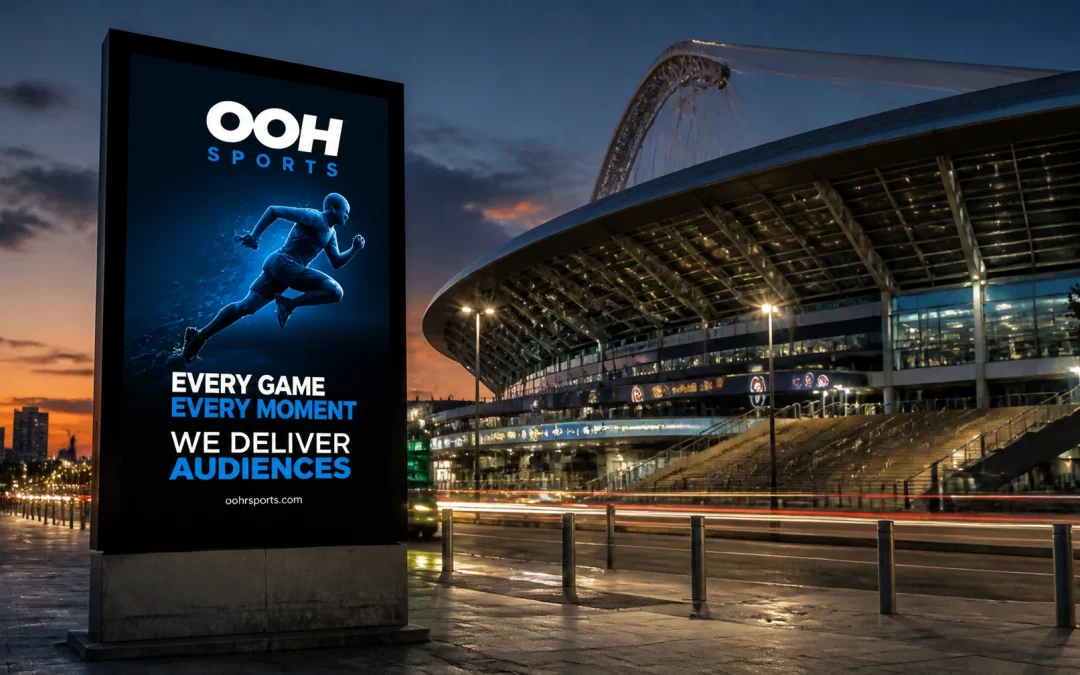
The landscape of sports marketing is undergoing a significant transformation as digital out-of-home (DOOH) technology converges with live athletic events. OOH Sports, a leader in this sector and part of the Sports Media Inc. family, has reached a new milestone in its national network growth. This expansion provides media buyers and brand managers with unprecedented access to digital video advertising boards across the United States, specifically tailored to capture the attention of fans during the most high-impact moments of the sports calendar.
As the industry moves toward a projected $50 billion DOOH market by 2026, understanding the mechanics of a specialized sports network is essential for effective planning. Below are 10 critical things to know about the OOH Sports network growth and how it serves the modern media landscape.
Strategy
The expansion of the OOH Sports network is built on a foundation of contextual relevance. Rather than relying on generic urban placement, the strategy focuses on the "Fan Journey," identifying every digital touchpoint from the moment a supporter leaves their home to the moment they enter the arena. This method ensures that brand messaging remains consistent and top-of-mind during peak periods of emotional engagement. By integrating inventory across stadiums, transit hubs, and retail environments, the network provides a contiguous narrative that traditional, siloed advertising cannot achieve.
Objective & Strategy
The primary objective of this network growth is to offer a comprehensive, national solution for programmatic DOOH in the sports vertical. The strategy involves three core pillars:
- Scale: Expanding inventory to cover every major sports category and city in the United States.
- Proximity: Implementing a strict targeting protocol that focuses on the 10-mile radius surrounding major sports venues.
- Technology: Utilizing advanced demand-side platforms (DSPs) to allow for real-time, data-driven ad placements.
1. National Footprint Expansion
The OOH Sports network has successfully scaled its inventory to offer true national coverage. This growth allows media planners to execute nationwide campaigns that align with the schedules of the NFL, NBA, MLB, NHL, and major collegiate events. By centralizing access to thousands of digital screens, the network eliminates the logistical hurdles of dealing with multiple regional vendors, providing a single point of entry for high-impact sports advertising.
2. The 10-Mile Strategic Radius
A defining feature of the network is its specialized targeting logic. The growth of the network has prioritized screens within a 10-mile perimeter of sports venues. This zone is critical as it captures fans during their commute, at pre-game gatherings, and within the immediate vicinity of the stadium. Research indicates that this high-concentration approach increases brand recall by placing messages where the audience is most active and attentive.

3. Audience Precision and Fan Mindset
Targeting sports fans requires more than just geographic data; it requires an understanding of the fan mindset. The OOH Sports network leverages audience data to identify clusters of enthusiasts who are likely to engage with sports-related content. Studies show that 90% of adults who see an OOH ad promoting a sporting event take a real-world action, such as watching the game or engaging on social media. The network expansion ensures that brands are part of this highly responsive ecosystem.
4. Programmatic DOOH Integration
The entire network is enabled for programmatic buying, allowing for a level of flexibility previously unavailable in traditional out-of-home media. Through partnerships with leading platforms, advertisers can bid on inventory in real-time, adjusting their spend based on game schedules, weather conditions, or live scores. This transition to programmatic DOOH adoption ensures that every impression is optimized for maximum efficiency.
5. All-Category Category Flexibility
OOH Sports provides access to digital video advertising boards in every category. This includes transit shelters, urban panels, roadside billboards, and place-based screens in retail or hospitality settings. The expansion ensures that no matter where the fan is, the brand can reach them. This diversity of inventory supports a multi-layered campaign approach that can drive everything from brand awareness to direct point-of-purchase conversions.
6. Technology and DSP Partnerships
The growth of the network is supported by a robust technological infrastructure. By collaborating with elite technology partners, OOH Sports enables seamless integration with major DSPs like StackAdapt and Vistar Media. This technological backbone allows for the use of device ID exposure data and retargeting, bridging the gap between the physical and digital worlds. Advertisers can track a fan's exposure to a billboard and subsequently serve them a mobile or CTV advertisement to reinforce the message.

7. Dynamic Creative and Real-Time Feeds
As the network grows, so does its capacity for dynamic creative. Advertisers can now use live data feeds to update their messaging in real-time. This includes displaying live scores, updated betting odds, or countdowns to the next big game. This level of contextual relevance transforms a static advertisement into a valuable piece of real-time information, significantly increasing the likelihood of viewer engagement.
8. Quantifiable Campaign Results
Data-driven decision-making is at the heart of the OOH Sports network. The growth of the platform has been accompanied by more sophisticated measurement tools. Campaigns on the network have demonstrated significant results, such as the 74% lift in purchase consideration seen in high-profile beverage launches. By utilizing brand lift studies and foot traffic attribution, the network provides the concrete data that CMOs and brand managers require to justify media spend.
9. Brand Safety and Premium Environments
The OOH Sports network prioritizes premium, brand-safe environments. The expansion focuses on high-quality digital assets in well-maintained urban and stadium-adjacent areas. This ensures that a brand's message is never associated with low-quality or inappropriate content. In an era of digital uncertainty, the physical world of DOOH offers a transparent and high-visibility alternative that brands can trust.
10. Simplified Planning and Execution
The ultimate goal of the network's expansion is to simplify the complex world of sports media buying. By offering a unified network that covers all digital boards within the sports ecosystem, OOH Sports provides a streamlined process for media planners. This one-stop-shop approach allows for faster execution, more consistent reporting, and a higher level of strategic alignment across national campaigns.

Technology Partners
To maintain its position at the forefront of the industry, OOH Sports utilizes a network of specialized technology partners. These partners provide the data feeds, programmatic pipes, and measurement frameworks necessary to deliver a high-performance campaign.
- Inventory Management: Real-time monitoring of screen health and availability.
- Data Providers: Leveraging mobile location data to map fan movement and density.
- Execution Platforms: Direct integration with omnichannel DSPs to allow for seamless cross-channel retargeting.
Results
The impact of a sports-focused DOOH strategy is measurable and profound. When comparing programmatic DOOH vs traditional stadium ads, the results often favor the flexible, wide-perimeter approach of the OOH Sports network.
- Increased Consideration: Multi-market campaigns have shown double-digit increases in brand preference ratings.
- Higher ROI: By targeting the fans' entire journey rather than just the three hours inside the stadium, brands achieve a lower cost per acquisition and higher overall frequency.
- Attribution Clarity: With device ID tracking, brands can link OOH exposure directly to website visits or in-store purchases, providing a clear picture of the return on investment.

Conclusion
The growth of the OOH Sports network represents a new era in national sports coverage. By combining the emotional power of live sports with the precision of digital technology, the network offers a unique opportunity for brands to connect with their audience at scale. As the sports media landscape continues to evolve, the focus on proximity, technology, and data-driven results will remain the cornerstone of effective out-of-home advertising. For media buyers and planners, the expanded OOH Sports network is not just a tool for reach; it is a platform for meaningful fan engagement.