
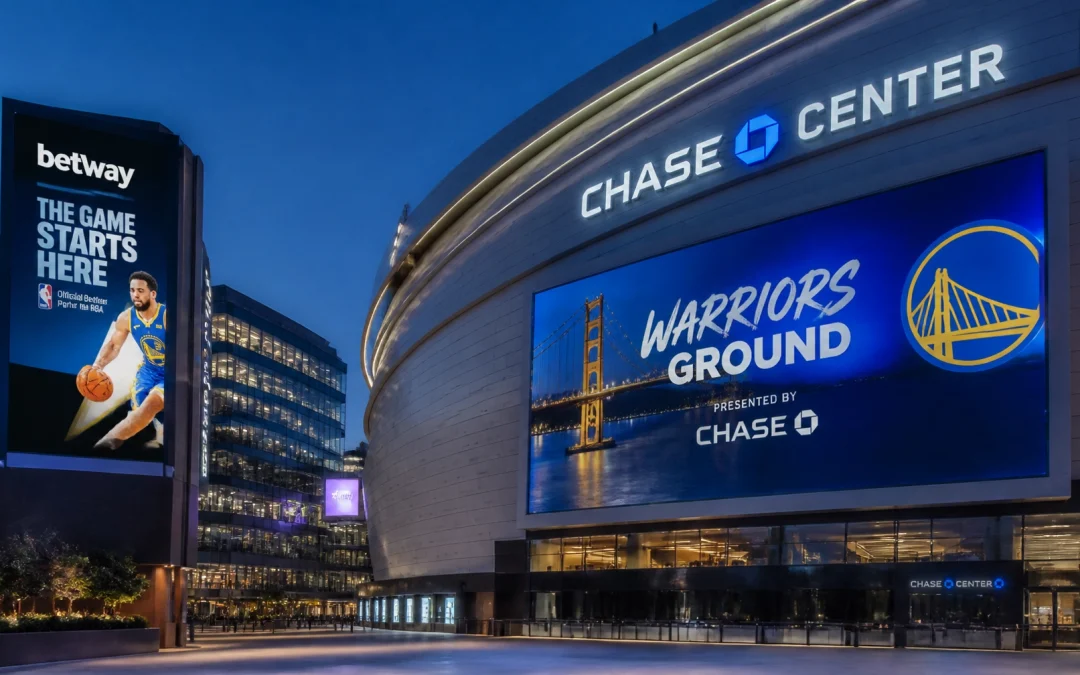
The landscape of sports marketing is undergoing a significant transformation. Traditional advertising methods are increasingly supplemented or replaced by digital out-of-home (DOOH) technology, which offers a more dynamic and measurable way to connect with audiences. This guide provides a comprehensive analysis of industry insights and the strategic frameworks necessary for brands to excel in this evolving environment. By leveraging the intersection of technology, data, and live sports entertainment, marketers can achieve unprecedented levels of brand awareness and consumer engagement.
The Evolution of the Sports Advertising Landscape
Sports marketing has moved beyond the era of static billboards and fixed television spots. The current ecosystem prioritizes high-impact, digital-first experiences that resonate with the passion of sports fans. DOOH is the primary driver of this shift. It allows brands to place messages in the physical world where fans live, travel, and celebrate, but with the flexibility and precision of digital advertising.
The growth of the DOOH sector is substantial. Industry data indicates that digital platforms now represent nearly half of all total out-of-home spending. In the context of sports, this translates to digital video boards, synchronized displays in fan zones, and high-resolution screens integrated into stadium architecture. This evolution is not merely about aesthetics; it is about the ability to update creative assets in real time, responding to game scores, player performances, or local weather conditions. This level of responsiveness ensures that advertising remains relevant and contextually appropriate throughout the duration of a sporting event.
Objective & Strategy: Targeting the Modern Fan
The primary objective of a sophisticated sports DOOH campaign is to establish a dominant presence within the "golden radius" of a sports venue. This typically involves a perimeter of up to 10 miles around the arena, where fan concentration is highest. The strategy centers on reaching fans at every touchpoint of their journey, from the moment they leave their homes to the post-game celebrations.
A successful strategy involves several key pillars:
- Audience-First Planning: Rather than purchasing static placements, campaigns are built around the specific demographics and behaviors of the fans attending the event. This includes targeting transit lines, sports bars, and high-traffic retail locations.
- Geofencing and Proximity: Utilizing digital screens in the immediate vicinity of stadiums allows brands to maintain top-of-mind awareness during peak excitement periods.
- Omnichannel Integration: DOOH acts as a powerful amplifier for other channels. By aligning outdoor messaging with social media and mobile advertising, brands can create a unified narrative that follows the fan across different devices and environments.
Strategic alignment ensures that every impression serves a clear purpose, whether it is driving purchase consideration for a new product launch or reinforcing a brand's association with a championship team. Detailed planning guides for capturing market share are essential for navigating these high-stakes opportunities. For further exploration of these methods, the strategies for capturing share in the growing DOOH market provide a baseline for competitive positioning.

Technology Partners and the Programmatic Ecosystem
The technical execution of modern DOOH relies heavily on a robust ecosystem of technology partners. The shift toward programmatic digital out-of-home (pDOOH) has introduced a level of automation and data-driven decision-making that was previously unavailable in the outdoor space.
Central to this process are Demand Side Platforms (DSPs) and Supply Side Platforms (SSPs). These platforms facilitate the automated buying and selling of inventory in real time. Specialized technology partners, such as StackAdapt, play a crucial role in driving the adoption of programmatic techniques. Their platforms allow media buyers to set specific triggers, such as "only display this ad when the local team scores" or "increase bidding when traffic density near the stadium reaches a certain threshold."
The collaboration between brands and these technology providers allows for:
- Real-Time Bidding: Advertisers can bid on specific screen time loops based on current demand and audience density.
- Data Integration: First-party fan data can be used to inform which screens are most likely to reach the desired target audience.
- Efficiency: Automation reduces the lead time required to launch or modify a campaign, making the process much more agile compared to traditional OOH.
The integration of these platforms is essential for managing the complexity of a large-scale sports marketing campaign. Deep-dive reviews into tools like the StackAdapt DSP illustrate how these technology partners are streamlining the path from planning to execution.
Execution and Logistics: Navigating pDOOH
Executing a DOOH campaign around a major sporting event requires meticulous logistical coordination. Unlike static outdoor ads that stay in place for weeks, pDOOH campaigns can be flighted for specific hours or even minutes. This requires a sophisticated understanding of the fan lifecycle on game day.
The execution process typically follows several logical steps:
- Inventory Identification: Selection of high-value digital assets, including large-format billboards, transit screens, and in-venue displays.
- Creative Versioning: Development of modular creative assets that can be swapped based on real-time data triggers. This ensures the messaging remains "smooove" and contextually relevant.
- Trigger Implementation: Setting the rules for when and where ads will appear. Common triggers in sports marketing include game start times, score updates, and local weather changes.
- Monitoring and Optimization: Real-time tracking of impressions and creative performance, allowing for immediate adjustments to the media plan.
By utilizing these steps, advertisers can ensure that their brand is present during the moments of highest emotional intensity. This approach is particularly effective for non-sponsors who wish to capture fan attention during high-profile events without the costs associated with official league partnerships. A notable example of this tactical execution can be seen in how brands like Nike managed visibility around major events without being an official sponsor.

Results and Measurable Outcomes
The primary advantage of modern DOOH is the ability to quantify impact through data. The industry has moved toward outcome-based measurement, focusing on brand lift, foot traffic, and sales conversion. These metrics provide a clear ROI comparison between programmatic DOOH and traditional stadium advertisements.
Verified campaign data highlights the significant impact of these strategies:
- Brand Preference and Image: A campaign for Mike's Hard Iced Tea by AB InBev demonstrated a 119% lift in positive brand image after a targeted pDOOH flight. This underscores the medium's ability to shift consumer perception during social sports moments.
- Purchase Consideration: White Claw achieved a 74% lift in purchase consideration for a new product launch by utilizing pDOOH to target fans in high-consumption environments.
- Sales Impact: Industry studies suggest that DOOH can deliver 2.8x better performance compared to static outdoor advertising when measured against consumer engagement and sales intent.
These results are often validated through brand lift studies and device ID tracking. By exposing a group of consumers to DOOH and comparing their subsequent behavior to a control group, marketers can isolate the specific contribution of the outdoor campaign to the overall marketing mix.
Future Industry Insights and Trends
Looking ahead, several trends are poised to further refine the sports DOOH industry. The convergence of retail media and out-of-home is a primary development. Screens in and around sports venues are increasingly being treated as retail media points, allowing CPG and apparel brands to reach consumers at the point of purchase.
Another emerging trend is the use of "Out of Phone" video extensions. This involves taking successful short-form video content from social platforms and distributing it across DOOH networks during live events. This creates a seamless experience for fans who are accustomed to consuming sports content in vertical video formats.
Furthermore, the industry is moving toward a more unified attribution framework. By linking DOOH exposure to online actions, such as website visits or app sign-ups, marketers can close the loop on the fan journey. This level of transparency is essential for chief marketing officers and media planners who require rigorous data to justify large-scale sports marketing investments.

Conclusion
Succeeding in sports marketing through DOOH requires a blend of strategic vision and technical precision. By moving away from static placements and embracing the programmatic, data-driven potential of digital video boards, brands can achieve a deeper level of connection with fans. The success of major campaigns across diverse categories: from beverages to athletic wear: confirms that the right technology partners and a well-executed strategy are the keys to measurable brand lift. As the industry continues to evolve, staying informed on these insights will remain a critical requirement for any marketer looking to dominate the sports arena.