
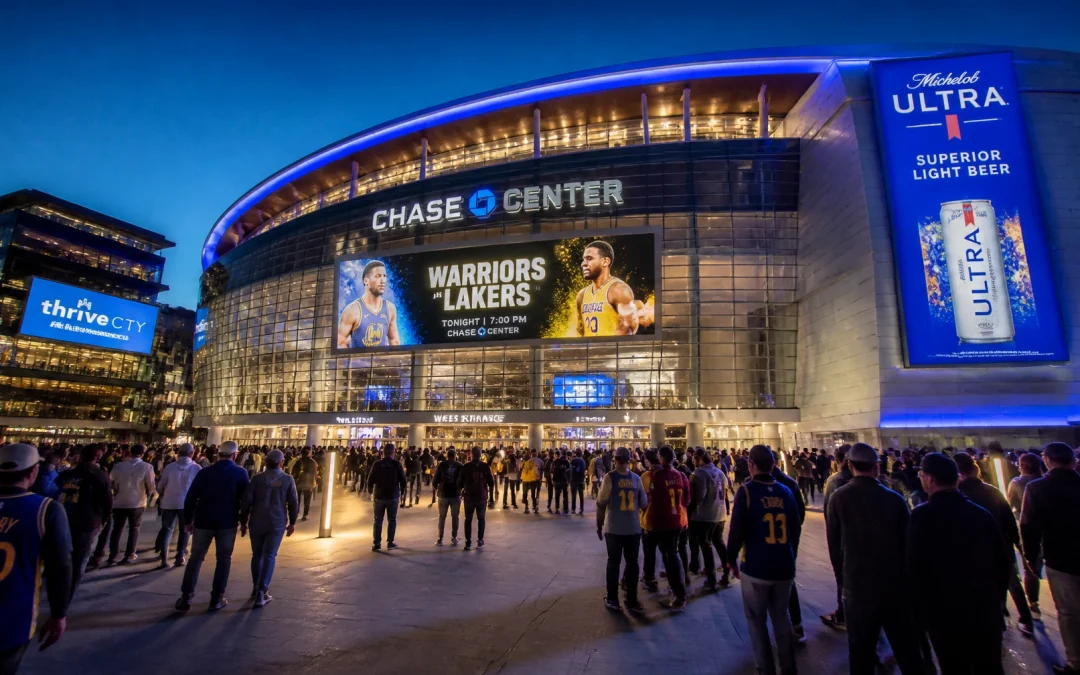
Sports marketing represents one of the most high-stakes environments in the advertising industry. The emotional investment of fans provides a unique opportunity for brand resonance, yet many campaigns fail to convert this passion into measurable results. Strategic errors often stem from a misunderstanding of how fans move through the physical and digital world during an event.
Effective fan engagement requires more than a presence on a screen. It demands a sophisticated integration of technology, timing, and location. By identifying and correcting common mistakes in out-of-home (OOH) and digital out-of-home (DOOH) strategies, brands can significantly improve their return on investment and build lasting connections with their target demographics.
1. Treating the Stadium as a Static Logo Wall
A common error is utilizing stadium inventory merely as background wallpaper. When brands display static logos without a call to action or a dynamic element, they risk being tuned out by fans focused on the game.
The Fix: Utilize Dynamic Sportrons
The implementation of Sportrons allows for a transition from static imagery to dynamic video content. These digital video boards and LED screens, strategically located inside and outside the venue, can host sponsored features, halftime shows, and real-time sponsorship shoutouts. High-definition video and motion graphics command attention in a way that static signage cannot, turning a passive viewing experience into an active brand interaction.
2. Ignoring the "Last Mile" Perimeter
Many brands focus exclusively on the interior of the arena, assuming the fan experience begins and ends at the gate. This neglect of the "last mile": the physical journey to and from the stadium: misses a critical window of high-intent attention.
The Fix: Expand to a 10-Mile Perimeter
A robust sports marketing strategy includes the perimeter up to 10 miles around the venue. This involves deploying digital video advertising boards at busy intersections, transit hubs, and sports bars. By establishing a presence where fans congregate before the game, brands can build anticipation and frequency. This "halo effect" ensures the brand message is the first thing a fan sees when they arrive and the last thing they see when they leave.

3. Failing to Capture the "Emotional High" Post-Game
Marketing efforts often cease the moment the final whistle blows. However, the period immediately following a game is when fans are most likely to discuss the event, share content, and visit local establishments.
The Fix: Timing-Based Creative Execution
Campaigns should be structured to run before, during, and after the event. Post-game messaging can be tailored to reflect the outcome of the match, offering celebratory discounts or commiseratory offers. Utilizing DOOH assets near exits and in the surrounding 10-mile radius allows brands to "ride the energy" of the game long after the fans have left their seats.
4. Static Creative in High-Energy Environments
Sports environments are characterized by movement, excitement, and rapid change. Running dull, repetitive, or overly polished corporate spots can create a mismatch with the live experience, leading to a lack of engagement.
The Fix: Contextual and Reactive Content
Successful campaigns employ dynamic triggers and contextually relevant creative. This can include live score updates, social media feeds, or weather-triggered advertisements. For instance, a refreshment brand might trigger ads during hot afternoon breaks, while a fitness brand might target fans on their way to local gyms. This relevance increases the perceived value of the advertisement and improves brand recall.
5. Overlooking Cross-Channel Integration
Fans are rarely focused on a single screen. They are constantly checking stats, posting updates, and communicating via mobile devices while in the stadium environment. Failing to bridge the gap between the large screen and the small screen is a missed opportunity for conversion.
The Fix: Implement Mobile Retargeting and Omnichannel Tactics
Integrating DOOH with mobile advertising allows for a seamless fan journey. By capturing device IDs of fans exposed to stadium and perimeter advertising, brands can retarget these individuals with mobile ads, social media prompts, or exclusive digital offers. This omnichannel approach was effectively utilized in a Sea-Doo programmatic DOOH campaign, which resulted in a 144 percent increase in purchase consideration.

6. Neglecting Data-Driven Targeting
A "spray and pray" approach to sports advertising often leads to wasted spend. Assuming that every person near a stadium is part of the target audience ignores the nuance of modern data capabilities.
The Fix: Precision Audience Mapping
Modern DOOH platforms allow media buyers to target specific categories and demographics within a defined radius. Brands can select inventory based on foot traffic data, historical fan behavior, and proximity to retail locations. This data-driven precision ensures that the message reaches the most relevant viewers. For example, White Claw’s programmatic campaign drove a 74 percent lift in purchase consideration for a vodka launch by targeting specific high-traffic fan zones and retail environments.
7. Lack of Measurable Attribution
Historically, out-of-home advertising was viewed as a "black box" where results were difficult to quantify. Brands that fail to implement measurement frameworks cannot optimize their strategies or prove the value of their spend to stakeholders.
The Fix: Quantify Impact with Brand Lift Studies
Attribution is no longer a mystery in DOOH. Brands can now measure foot traffic, brand preference ratings, and purchase intent. For example, a campaign for Mike’s Hard Iced Tea recorded a 119 percent lift in positive brand image through the use of a brand lift study. These metrics allow CMOs and creative directors to evaluate the success of a campaign based on hard data rather than anecdotal evidence.

Strategic Execution and Results
The success of a fan engagement campaign is built on a foundation of logistics and precise targeting. The use of specialized platforms and collaboration with expert agencies allows for the execution of complex, multi-layered strategies.
Tactics for Success:
- Identify high-traffic concourses and entry points for maximum visibility.
- Secure prime inventory near fan zones and transit hubs well in advance of major events.
- Use high-contrast visuals and simple, direct messaging to ensure legibility at a distance.
- Leverage "Implied Sponsorships" for short-term access to sports venues, allowing for testing and measurement before committing to long-term partnerships.
By avoiding these seven common mistakes, brands can move beyond simple visibility and achieve genuine fan engagement. The combination of high-impact Sportrons, a strategic 10-mile perimeter, and data-backed attribution creates a powerful framework for success in the competitive landscape of sports marketing.
