
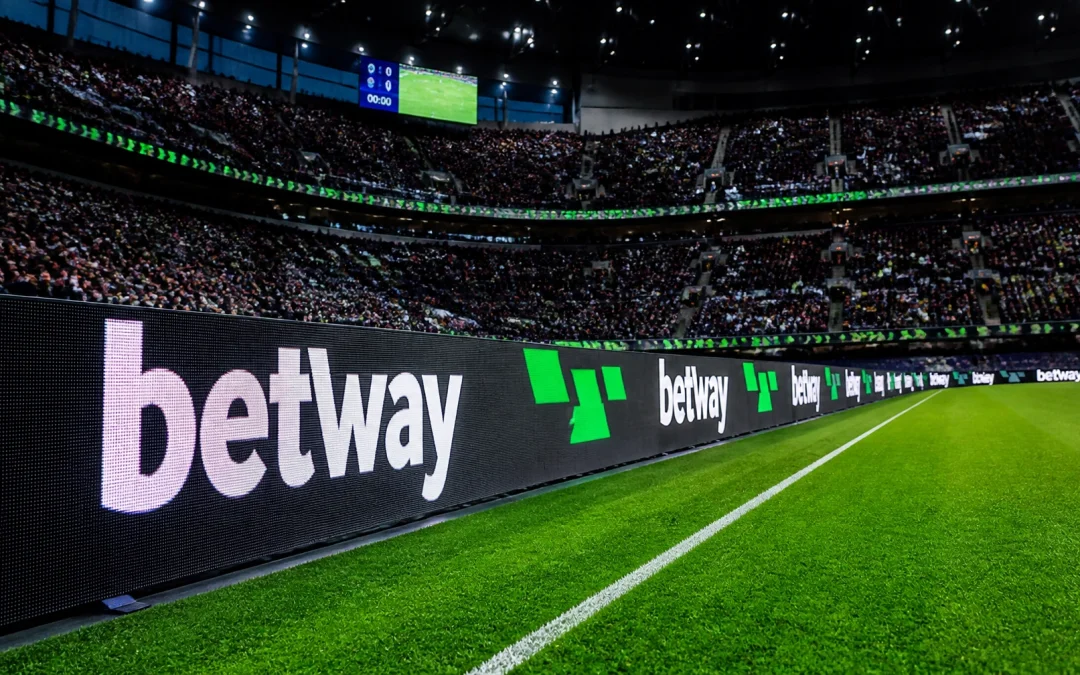
Stadium perimeter branding has long been a staple of sports marketing, offering a high-impact way to reach thousands of fans in the stands and millions more watching via broadcast. However, the transition from traditional static boards to sophisticated digital LED systems has introduced a new set of challenges. Many brands continue to apply outdated strategies to these modern, dynamic assets, resulting in missed opportunities and diminished returns on investment.
Effective perimeter advertising requires more than just placing a logo on a screen. It demands a strategic approach that considers the unique environment of a sporting event, the behavior of the audience, and the integration of digital technology. By identifying and correcting common errors, marketers can transform their stadium presence from background noise into a powerful driver of brand growth.
1. Overcomplicating Creative and Legibility
The most frequent error in stadium advertising is the use of overly complex creative assets. In the high-energy environment of a live match, the audience is focused on the game, not the advertisements. Messages are often viewed from long distances, sharp angles, and for very short durations. When a design includes dense text, intricate graphics, or multiple calls to action, it becomes visual clutter that fails to register with the viewer.
To fix this, the strategy must prioritize simplicity and high contrast. A successful perimeter ad should feature a single, clear message or a prominent logo. Sans-serif typography is generally preferred for its readability at a distance. Testing the creative visibility from various seating sections and through the lens of a broadcast camera is essential. Designs that look excellent on a desktop monitor often fail when scaled to a perimeter board. Maintaining a clean layout ensures that the brand remains the focus, even during the most intense moments of play.

2. Treating LED Boards Like Static Print
Modern stadium perimeters utilize advanced LED technology, yet many campaigns still treat these screens like static vinyl boards. Running a single, unchanging image for the duration of a ninety-minute match ignores the primary advantage of digital media: its versatility. Static creative fails to leverage the storytelling potential and the ability to capture attention through movement.
The solution lies in embracing a dynamic rotation strategy. Brands should develop a suite of short, interchangeable digital out of home (DOOH) assets. These can include pure branding segments, specific product offers, or social media handles. Scheduling these messages to align with different phases of the match: such as pre-game buildup, halftime intervals, or high-excitement moments: can significantly increase engagement. While subtle motion can draw the eye, it is important to avoid excessive animation that might distract from the game or cause flickering on television broadcasts.
3. Ignoring the Fan Journey Beyond the Stadium
A common strategic mistake is viewing stadium perimeter branding as an isolated event. While the impact within the arena is significant, the fan journey begins long before the opening whistle and continues well after the final score. Limiting a campaign to the stadium perimeter ignores the opportunity to build a cohesive narrative across multiple touchpoints.
Strategic planning should extend the brand presence into the surrounding area and the fan's daily life. This can be achieved by deploying DOOH advertising in transit hubs, sports bars, and retail centers near the stadium. By using consistent visual themes and messaging on screens outside the venue, a brand can reinforce the exposure gained during the game. This holistic approach ensures the brand remains top of mind throughout the entire matchday experience.

4. Absence of Clear Objectives or KPIs
Without clearly defined objectives, it is impossible to accurately measure the success of a perimeter branding campaign. Many advertisers fall into the trap of purchasing stadium space for "exposure" without determining what that exposure is intended to achieve. This lack of focus often leads to creative that does not align with the brand’s broader marketing goals.
A more effective approach involves setting specific, measurable KPIs at the outset. Is the goal to drive top-of-funnel awareness, or is it to encourage specific actions like app downloads or website visits? Defining these objectives allows for better creative selection and more accurate performance tracking. For instance, a campaign focused on brand lift might measure success through post-game surveys, while a performance-driven campaign might track the usage of unique promo codes or spikes in branded search during the match.
5. Weak Integration with Digital and Mobile Channels
In an era where most fans attend games with a smartphone in hand, failing to bridge the gap between physical branding and digital interaction is a major oversight. Perimeter boards are excellent for awareness, but they are often disconnected from the channels where conversions actually happen. When a fan sees a brand on the perimeter but has no easy way to engage with it, the momentum of that impression is lost.
To fix this, brands should use the perimeter boards as a trigger for mobile activity. This can be done through the inclusion of short, memorable URLs or social media hashtags. More importantly, programmatic DOOH allows for sophisticated retargeting. By identifying mobile devices present in the stadium during the game, marketers can follow up with tailored mobile ads or social media content in the days following the event. This creates a seamless transition from the live experience to a digital conversion funnel.

6. Not Matching the Stadium’s Environmental Context
Stadiums have unique visual identities, lighting conditions, and color palettes. If a brand’s creative ignores these factors, the advertisement can either clash unpleasantly with the environment or blend so thoroughly into the background that it becomes invisible. Some brands use colors that are too similar to the turf or the team’s primary colors, reducing the visual impact of the board.
A successful strategy requires an audit of the stadium environment. Designers should consider the pitch lighting and how it affects the appearance of colors on LED screens. Utilizing color blocking and high-contrast palettes that complement the stadium’s aesthetic while remaining distinct from the action on the field is key. Coordinating with rights holders to ensure the branding fits within the broader "matchday look" can also lead to a more integrated and professional appearance that fans will respect.
7. Neglecting Data and Technology to Maximize ROI
The final mistake is treating stadium perimeter branding as an untrackable, traditional spend rather than a data-driven digital asset. Modern sportrons and digital boards offer a wealth of data that can be used to optimize campaigns. Brands that fail to utilize match-level data, such as audience demographics, kickoff times, and even live scores, are missing out on the efficiency of the digital age.
To maximize ROI, marketers should work with partners who can provide detailed exposure metrics and audience modeling. Using data to adjust the rotation of creative based on the profile of the fans in attendance: or even the performance of the home team: can make the messaging much more relevant. For example, a campaign could switch to a more celebratory creative after a home team goal. This level of optimization ensures that every second of airtime is used as effectively as possible, mirroring the precision found in other digital advertising channels.

Strategy and Results
When these mistakes are addressed, the results can be substantial. For example, brands that have integrated their stadium presence with a broader omnichannel strategy have seen significant increases in consumer action. A recent study on a programmatic DOOH campaign for a major beverage brand showed a 74 percent lift in purchase consideration by combining high-impact visuals with targeted mobile follow-ups. Another campaign focused on brand image saw a 119 percent lift in positive brand perception by using dynamic, contextually relevant creative on digital boards.
The transition from a static to a strategic mindset is the defining factor in modern sports marketing. By focusing on legibility, dynamic content, and full-funnel integration, stadium perimeter branding becomes more than just a background element. It becomes a central pillar of a brand's ability to connect with a passionate, engaged audience.
For those looking to refine their approach to sports advertising, the path forward involves a commitment to data-driven decision-making and creative excellence. The evolution of stadium technology provides the tools; it is up to the brand and their media partners to use them effectively.
To learn more about optimizing your stadium presence and exploring the latest in digital out of home technology, visit the OOH Sports blog or reach out to a specialist via our contact page.