
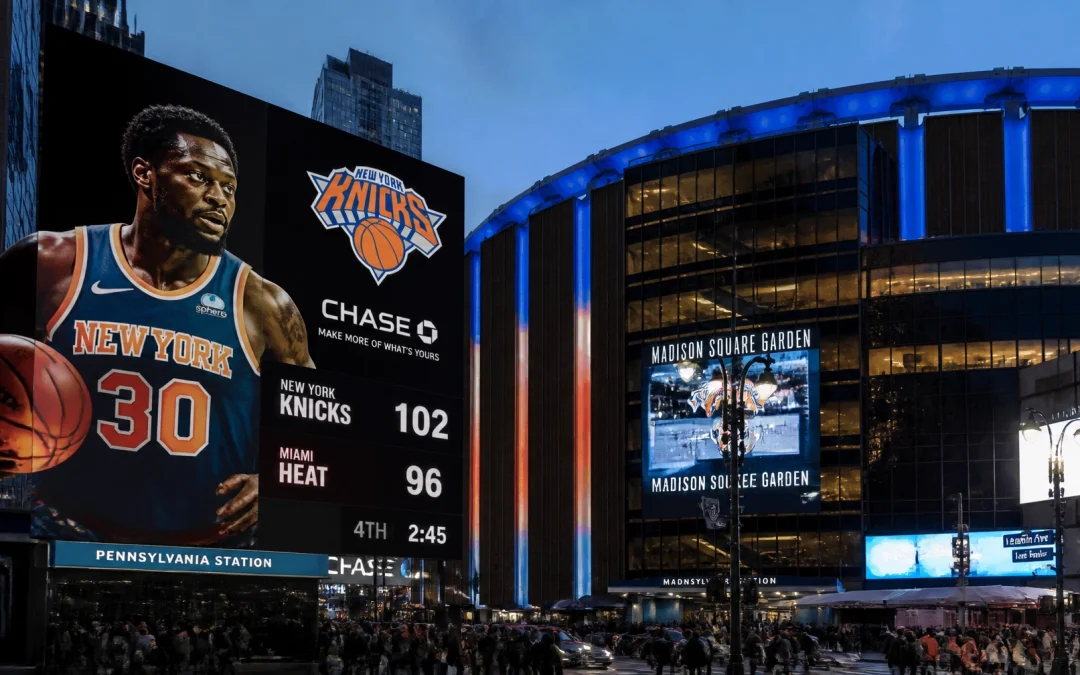
Digital out-of-home (DOOH) advertising has undergone a massive transformation, particularly within the sports industry. The ability to sync creative messaging with live game data, scores, and fan sentiment offers a level of relevance that traditional static billboards cannot match. However, the complexity of real-time execution often leads to common strategic errors that can diminish campaign ROI.
For media buyers and brand managers, navigating the intersection of live sports data and outdoor advertising requires a specialized approach. Whether it is a programmatic campaign targeting the perimeter around an arena or a nationwide takeover during a championship game, avoiding these seven mistakes is essential for a successful execution.
1. The "Kitchen Sink" Creative Strategy
One of the most frequent errors in sports DOOH is attempting to include too much information in a single creative execution. While a digital screen offers more flexibility than a vinyl board, the average dwell time for a fan moving through a stadium concourse or driving past a highway display remains low.
Cramming multiple logos, detailed offer text, and complex instructions into a six-second loop often results in zero message retention. High-impact sports advertising requires a single, focused message that can be understood in under three seconds.
The Fix: Adopt a minimalist design philosophy. Use one core headline, high-contrast colors, and a single call to action. If a campaign requires more detail, utilize high-dwell-time placements such as sports bars or transit shelters where fans have more time to process the information.

2. Falling into the Latency Trap
Real-time sports DOOH is only as effective as the data feed powering it. A "live score" update that is five minutes behind the actual play on the field can frustrate fans and damage brand credibility. In high-stakes environments, such as the final minutes of a playoff game, latency is a significant technical hurdle.
If the creative displays a "Game Tied" message while the home team has already secured a winning goal, the contextual relevance is lost. This technical disconnect often stems from a lack of coordination between the data provider and the DOOH media server.
The Fix: Prioritize technology partners that offer low-latency API integrations. Ensure that the programmatic platform has robust fail-safes. If a live feed is interrupted or delayed, the system should automatically revert to a high-quality evergreen creative to maintain the professional appearance of the campaign.
3. Burying the Lead with Complex Animation
Motion graphics are a powerful tool for capturing attention, but they can be a double-edged sword. A common mistake is designing an animation where the brand logo or the primary offer only appears in the final two seconds of a 10-second loop.
In a sports venue, fans are constantly in motion. They are heading to their seats, looking for concessions, or reacting to the game. If the "payoff" of the advertisement is hidden at the end of a slow-reveal animation, the majority of the target audience will miss the most important part of the message.
The Fix: Use the "First Second" rule. The brand identity and the primary value proposition should be visible from the very first frame of the animation. Motion should be used to draw the eye to the key information, not to delay its appearance.
4. Missing the "Second Screen" Synergy
Sports fans are notoriously multi-tasking. They are watching the live action while simultaneously checking stats, betting odds, or social media on their mobile devices. Treating DOOH as an isolated silo, disconnected from the digital world, is a missed opportunity for conversion.
A campaign that fails to bridge the gap between the physical screen and the mobile device often sees lower attribution rates. Without a clear path from a stadium board to a digital landing page, the brand loses the ability to retarget that specific audience later.
The Fix: Integrate DOOH with mobile and social channels. Use OOH Sports to coordinate displays with mobile retargeting. Incorporate simple, trackable elements like QR codes or unique URLs that encourage immediate mobile engagement. By aligning the outdoor message with the fan's digital behavior, the brand creates a more cohesive omnichannel journey.
5. Poor Perimeter Planning
Many advertisers focus exclusively on the screens inside the stadium bowl, ignoring the massive opportunity in the surrounding area. While in-stadium screens have high prestige, the fan journey begins and ends miles away from the venue.
Failing to target the perimeter around a sports arena means missing the pre-game excitement and the post-game commute. Fans often gather at local bars, use public transit, and frequent retail locations within a specific radius of the stadium both before and after the event.
The Fix: Expand the campaign reach by targeting a 10-mile perimeter around sports venues. This strategy captures fans in high-intent environments where they are likely to make purchasing decisions, such as convenience stores or sports bars. Utilizing a broad digital out-of-home network ensures that the brand remains top-of-mind throughout the entire game-day experience.

6. Underestimating the Power of Triggers
Running the same generic brand message throughout a three-hour game ignores the dynamic nature of sports. A home run, a touchdown, or a sudden lead change creates a peak emotional moment for fans. Using static creative during these spikes in engagement is a waste of programmatic potential.
If a brand is not using dynamic triggers, it is essentially treating a live sports event like a standard Tuesday afternoon commute. The lack of contextual relevance makes the ad feel like background noise rather than part of the fan experience.
The Fix: Implement dynamic creative optimization (DCO) based on specific game triggers. For example, a beverage brand could trigger "Celebration" creative the moment a team scores. A betting platform could update odds in real-time as the game progresses. These triggers ensure the creative is always aligned with the fan's current emotional state.

7. The Measurement Blind Spot
The final and perhaps most critical mistake is relying on vanity metrics like "total impressions" or "number of plays" to judge success. In modern DOOH, especially within the sports industry, sophisticated measurement is available and necessary.
Failing to plan for attribution means the brand cannot quantify how the campaign actually moved the needle. Whether the goal is app downloads, in-store foot traffic, or brand lift, these outcomes must be measured against a control group to determine true incremental value.
The Fix: Leverage case study methodologies to define KPIs before the campaign launches. Use device ID tracking to measure foot traffic lift or conduct brand lift studies to assess shifts in purchase consideration. By focusing on measurable results, media planners can optimize future spend and prove the effectiveness of the sports DOOH strategy.
Summary of Tactics
To avoid these pitfalls and maximize the impact of real-time sports DOOH, advertisers should follow a structured approach:
- Objective & Strategy: Define the primary goal, whether it is high-funnel awareness or low-funnel conversion near the stadium.
- Technology Partners: Select platforms that offer robust data feeds and programmatic flexibility.
- Creative Execution: Keep messaging simple, bold, and high-contrast with a clear CTA visible from the start.
- Geographic Targeting: Use the Sportrons network to reach fans within a 10-mile radius of the action.
- Measurement: Move beyond impressions to track real-world outcomes like brand preference and foot traffic.
By treating DOOH as a dynamic, data-driven channel rather than a static medium, brands can successfully capture the attention of the modern sports fan. Navigating these challenges requires precision, but the reward is a campaign that resonates as powerfully as the game itself.