
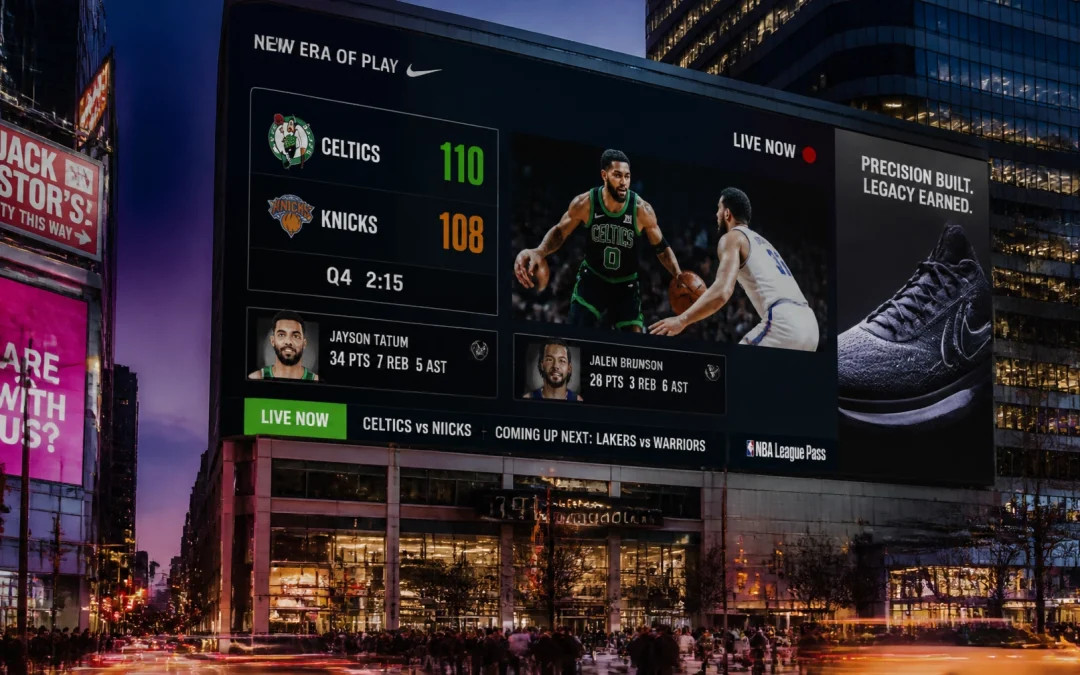
Digital out-of-home (DOOH) advertising has undergone a significant transformation, moving from static placements to dynamic, data-driven activations. In the sports marketing sector, the ability to synchronize brand messaging with the live rhythm of a game provides a competitive advantage. This strategy ensures that advertisements remain contextually relevant, capturing the high-emotion moments that define the fan experience.
Integrating live game data into a DOOH strategy allows brands to respond to scores, player milestones, and game shifts in real time. This technical approach transforms a standard advertising loop into a reactive content experience. For media buyers and brand managers, the goal is to leverage these live signals to drive higher engagement and brand recall within a ten-mile radius of sports venues and throughout key fan environments.
Objective and Strategy
The primary objective of integrating live data is to align brand narratives with the immediate interests of the audience. Sports fans are highly receptive to brands that demonstrate a deep connection to the games they follow. Research indicates that 81 percent of fans feel more positive toward brands that sponsor or engage with sports content. Furthermore, sports-related DOOH can increase brand liking by approximately 33 percent.
The strategy involves three core pillars:
- Contextual Relevance: Delivering the right message based on the current state of the game.
- Precision Timing: Using programmatic triggers to activate ads during high-impact moments.
- Scale and Reach: Utilizing digital video advertising boards across a network to ensure consistent visibility in high-traffic fan zones.

Technology Integration and Partners
Executing a live data strategy requires a robust technical framework. The process begins with professional data feeds from providers such as Sportradar or Genius Sports. These feeds supply the raw information, including live scores, clock timings, and specific play outcomes.
To display this data on a digital screen, the information must be integrated into a Content Management System (CMS) or a Demand Side Platform (DSP). Platforms like StackAdapt enable the automation of these campaigns through programmatic DOOH (pDOOH).
The technical workflow typically follows these steps:
- Data Ingestion: The DSP or CMS pulls real-time data via an API.
- Creative Mapping: Specific data fields, such as "Home Team Score" or "Time Remaining," are mapped to dynamic elements within an HTML5 creative template.
- Trigger Execution: Predetermined rules determine when an ad should be served. For example, a "Score" trigger might switch the creative to a celebratory message the moment a goal is recorded.

The Three Phases of Engagement
A successful live data integration strategy is structured around the lifecycle of the sporting event. Each phase requires a distinct creative approach and trigger logic.
Pre-Game: Building Anticipation
During the hours leading up to a game, the focus shifts to awareness and tune-in.
- Countdowns: Dynamic tickers that display the time remaining until kickoff or tip-off.
- Matchup Previews: Graphics showing head-to-head stats or starting lineups to spark conversation.
- Location-Based Offers: Directing fans in the vicinity of the stadium or local sports bars to specific retail or hospitality locations.
In-Game: Capitalizing on Momentum
The in-game phase is where live data is most impactful. Programmatic triggers allow ads to react to the ebb and flow of the competition.
- Live Score Updates: Maintaining a persistent ticker or a dedicated scoreboard visual on the DOOH screen.
- Milestone Triggers: If a player breaks a record or a team hits a specific scoring threshold, the creative can update instantly to acknowledge the event.
- Excitement Ratings: Some advanced data feeds provide "excitement levels" based on game volatility. Brands can choose to increase their bid prices or frequency during these high-tension windows.
Post-Game: Outcome-Based Messaging
The strategy continues after the final whistle, capitalizing on the emotional state of the audience.
- Celebratory Content: Creative that congratulates the winning team, ideal for placements in the winning team’s home city.
- Consolation or "Next Game" Messaging: Keeping the audience engaged with information about upcoming fixtures if the outcome was not favorable.
- Post-Game Logistics: Directing crowds toward transit hubs or promotional events as they exit the stadium area.
Targeting and Logistics
Effective DOOH integration requires more than just data. It requires a strategic understanding of where fans gather. The OOH Sports network focuses on a ten-mile perimeter around venues, ensuring that messaging reaches fans when they are in a "sports mindset."
Key environments for placement include:
- Transit Corridors: Reaching fans on their way to the game via train stations, bus shelters, and digital billboards.
- Hospitality Hubs: Sports bars and restaurants where fans congregate for watch parties.
- Fan Zones: High-traffic pedestrian areas adjacent to the stadium.
By utilizing geofencing and historical location data, planners can identify clusters of high-intent fans. This allows for a more efficient allocation of the budget, focusing on screens that deliver the highest concentration of the target demographic.

Measuring Success: Metrics and Attribution
One of the primary benefits of using a programmatic approach for live data integration is the ability to measure impact with precision. Unlike traditional static boards, pDOOH provides detailed delivery data and allows for advanced attribution modeling.
Standard metrics for evaluating success include:
- Brand Lift Studies: Measuring changes in brand awareness and favorability. For instance, Ab InBev’s Mike’s Hard Iced Tea saw a 119 percent lift in positive brand image through a targeted pDOOH campaign.
- Purchase Consideration: Tracking how exposure influences the likelihood of a purchase. The White Claw campaign achieved a 74 percent lift in purchase consideration by utilizing similar programmatic tactics.
- Geo-Incrementality: Comparing foot traffic or sales in markets where DOOH was active versus control markets where it was not.
- Device ID Passback: Identifying mobile devices exposed to the DOOH screens to enable retargeting across other digital channels like mobile or CTV.
Results and Impact
The integration of live data elevates the performance of DOOH by making it a part of the event rather than a distraction from it. By reacting to real-time events, brands can achieve higher levels of attention.
For example, when the NBA utilized dynamic DOOH with live scoring and social feeds for its 75th Playoffs, it successfully drove excitement and maintained a constant presence in the daily conversation of fans. Similarly, the Icelandic Premier League used real-time scoreboard billboards to strengthen the connection between sponsors and the "magic of live sports."
Data shows that these high-relevance campaigns often lead to significant increases in dwell time and brand recall. When fans look at a screen for a score update, they are simultaneously exposed to the brand's message in a high-attention state. This synergy between utility and advertising is the hallmark of a sophisticated sports marketing strategy.
Conclusion
Integrating live game data with a DOOH strategy is an essential step for brands looking to maximize their impact in the sports arena. By combining real-time data feeds with programmatic execution and strategic location targeting, advertisers can move beyond the limitations of static media. This approach not only ensures relevance but also provides the measurable data required to justify marketing spend in a competitive landscape. As the technology continues to evolve, the brands that successfully bridge the gap between the digital and physical worlds will be the ones that win the attention of the modern sports fan.