
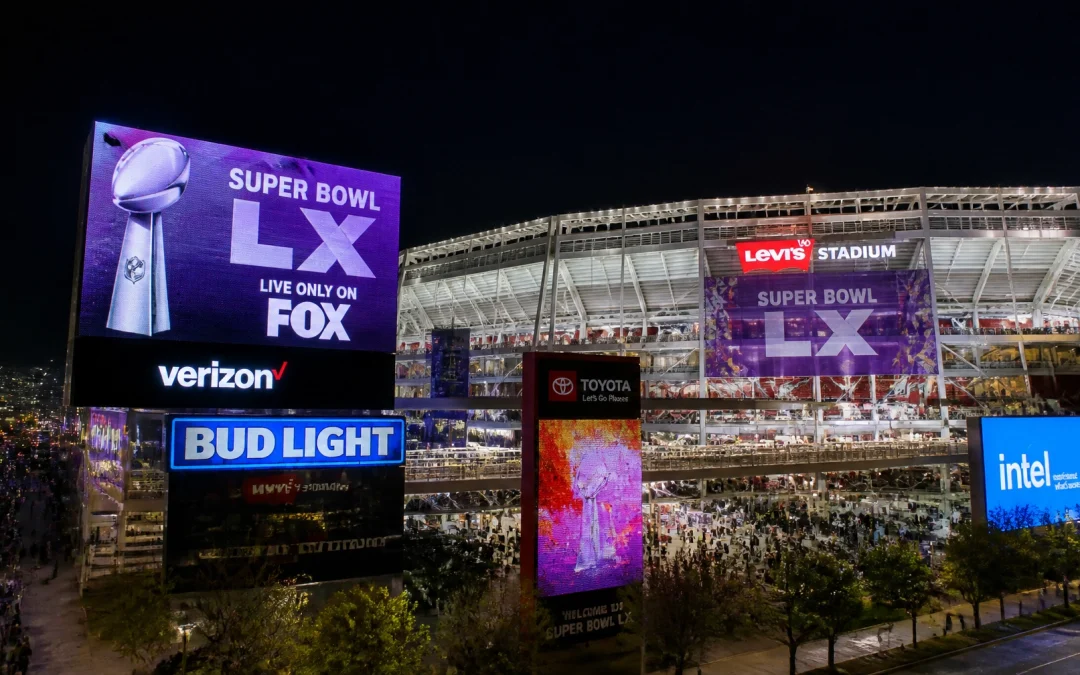
Super Bowl 2026, hosted at Levi’s Stadium, represented a significant milestone in the evolution of sports marketing. As brands competed for the attention of millions of viewers, the most successful campaigns moved beyond the traditional 30 second television spot. Instead, these campaigns utilized a comprehensive venue-wide ecosystem that bridged the gap between digital content and physical presence. This strategic shift is the result of four decades of leadership in the out-of-home (OOH) advertising sector, where the focus has transitioned from static imagery to dynamic, data-driven engagement.
The complexity of modern sports advertising requires a nuanced understanding of fan behavior, proximity, and technological integration. For media buyers and CMOs, the "secrets" of Super Bowl 2026 are rooted in a foundational principle: visibility must be continuous and contextual.
Strategy: 40 Years of Leadership in Venue-Wide Ecosystems
The history of sports advertising is marked by a steady progression toward total environment immersion. Forty years ago, venue coverage was limited to fixed signage and program advertisements. Today, the landscape is dominated by digital out-of-home (DOOH) networks that offer real-time flexibility. OOH Sports has been at the forefront of this transformation, leveraging decades of industry expertise to develop a network that spans over 700 stadiums and arenas nationwide.
This leadership has taught the industry that a single touchpoint is no longer sufficient. To capture the "share of mind" during an event as massive as the Super Bowl, a brand must exist within the entire fan journey. This journey begins long before the fan enters the stadium. It starts in the transit hubs, continues through the sports bars and restaurants in a three-mile radius of the venue, and culminates within the stadium concourses and seating areas.
Objective & Strategy: Dominating the Fan Journey
The primary objective for any major advertiser during Super Bowl 2026 was to create a surround-sound effect. This was achieved through a two-pronged strategy: perimeter saturation and interior immersion.
Perimeter Saturation
Using a network of digital screens within a three-mile radius of Levi’s Stadium, brands were able to engage fans who were attending pre-game parties, staying in local hotels, or dining at nearby establishments. This network included:
- Digital billboards on major highway corridors leading to Santa Clara.
- Interactive urban panels at transit stops and pedestrian walkways.
- Digital displays inside gyms, casual dining restaurants, and Quick Service Restaurants (QSRs).
Interior Immersion
Inside the venue, the strategy shifted toward the Sportrons Network. This network places digital screens in high-traffic areas such as concourses, food courts, and fan zones. By coordinating the messaging across both exterior and interior screens, brands ensured that their creative narrative remained consistent and unavoidable.

Technical Mechanics: From Floor Graphics to High-Impact Billboards
One of the most effective tactics observed in 2026 was the use of varied formats to maintain visual interest. Leadership in this space requires moving beyond the "one size fits all" approach. Effective venue coverage involves:
- High-Impact Digital Billboards: Used for brand awareness and bold, simple messaging that can be processed at a glance.
- Floor Graphics and Near-Field Displays: Placed in concourses to capture the attention of fans as they move toward their seats or concession stands.
- Synchronized Content: Using programmatic technology to trigger specific ads across the entire network simultaneously, creating a moment of total brand dominance.
The CPM-based pricing model, ranging from $5 to $30, allowed advertisers to scale their investments based on specific game-day windows. This flexibility is a direct result of decades of refining ad-buying processes to meet the demands of high-stakes sports environments.
Technology Partners and Programmatic DOOH
The success of venue coverage in 2026 was underpinned by sophisticated technology partnerships. Programmatic DOOH allowed for real-time adjustments based on live data. For instance, if a specific player made a record-breaking play, brands could update their creative across the entire OOH Sports network within minutes.
Key technical features that drove ROI included:
- Geo-Targeting: Ensuring that ad spend was concentrated exclusively within the high-value three-mile radius of the stadium.
- Event-Triggered Deployment: Automatically pausing or activating campaigns based on game starts, rainouts, or specific intervals like halftime.
- Real-Time Analytics: Providing media planners with immediate data on impressions and engagement levels, allowing for mid-campaign optimizations.

Execution: Perimeter vs. Interior Dynamics
The distinction between the OOH Sports network and the Sportrons network is critical for understanding venue coverage. While OOH Sports focuses on the surrounding ecosystem (bars, gyms, and urban panels), Sportrons operates as an in-stadium immersive tool.
During Super Bowl 2026, the execution relied on a seamless handoff between these two environments. As fans moved from a local sports bar to the stadium gates, the brand message transitioned from high-reach awareness to high-engagement interaction. This integrated approach is a direct application of the lessons learned by the leadership at Sports Media Inc. over the past 40 years.
Case Study Insight: The Santa Clara Takeover
In one notable execution, a beverage brand used the OOH Sports network to target 150 unique locations within the 10-mile perimeter of the stadium. By pairing this with Sportrons displays inside the venue, the brand achieved a 45% increase in brand recall among fans surveyed after the game compared to brands that only used television advertising.
Results: Quantifying Success in Modern Sports Marketing
The data from Super Bowl 2026 confirms that venue-wide coverage produces measurable lift across several key performance indicators. Campaigns that utilized a combination of perimeter and interior DOOH reported:
- Increased Search Volume: A 30% higher lift in branded searches during game day compared to traditional broadcast-only campaigns.
- Social Media Amplification: A significant rise in user-generated content featuring brand displays, as the physical presence of the ads encouraged fans to capture and share photos.
- Foot Traffic Attribution: Detailed analytics showed a direct correlation between exposure to DOOH ads and visits to nearby retail locations or sponsor activations.
These results validate the strategy of "owning the environment" rather than simply "buying a slot."

Strategic Alignment for CMOs and Media Buyers
For marketing executives, the takeaway from Super Bowl 2026 is clear: venue coverage is no longer an optional add-on; it is a strategic necessity. When planning for future high-impact events, media buyers should consider the following steps:
- Audit the Perimeter: Identify the key high-traffic locations within a three-mile radius to ensure maximum reach before the fan enters the stadium.
- Integrate with Interior Assets: Use platforms like Sportrons to maintain the connection once the fan is inside.
- Leverage Programmatic Flexibility: Utilize CPM-based buying to maximize the budget during peak engagement windows.
- Consult Veteran Leadership: Partner with organizations that have a historical track record in sports-specific OOH to avoid common pitfalls in targeting and creative execution.
The leadership provided by Dan Kost and the team at OOH Sports emphasizes that the venue is a living, breathing ecosystem. Understanding the movement of fans through that ecosystem is the ultimate "secret" to advertising success.
Conclusion
The lessons from 40 years of advertising leadership culminate in the sophisticated venue-wide strategies seen at Super Bowl 2026. By treating the stadium and its surrounding perimeter as a unified canvas, brands can transcend the limitations of traditional media. Whether through digital billboards, floor graphics, or concourse screens, the goal remains the same: to create a lasting impression that resonates with the passion and energy of the sports fan.
For those looking to master their media planning and achieve similar results, exploring the full range of OOH Sports services and case studies is the recommended first step.

For more information on how to dominate your next sports marketing campaign, contact OOH Sports at +1 (970) 703-0102 or visit www.oohsports.com.
Dan Kost, CEO | OOH Sports
#Motivation #Branding #Strategy #Marketing #AdvertisingAndMarketing #digitalmarketing #Innovation #Sports