
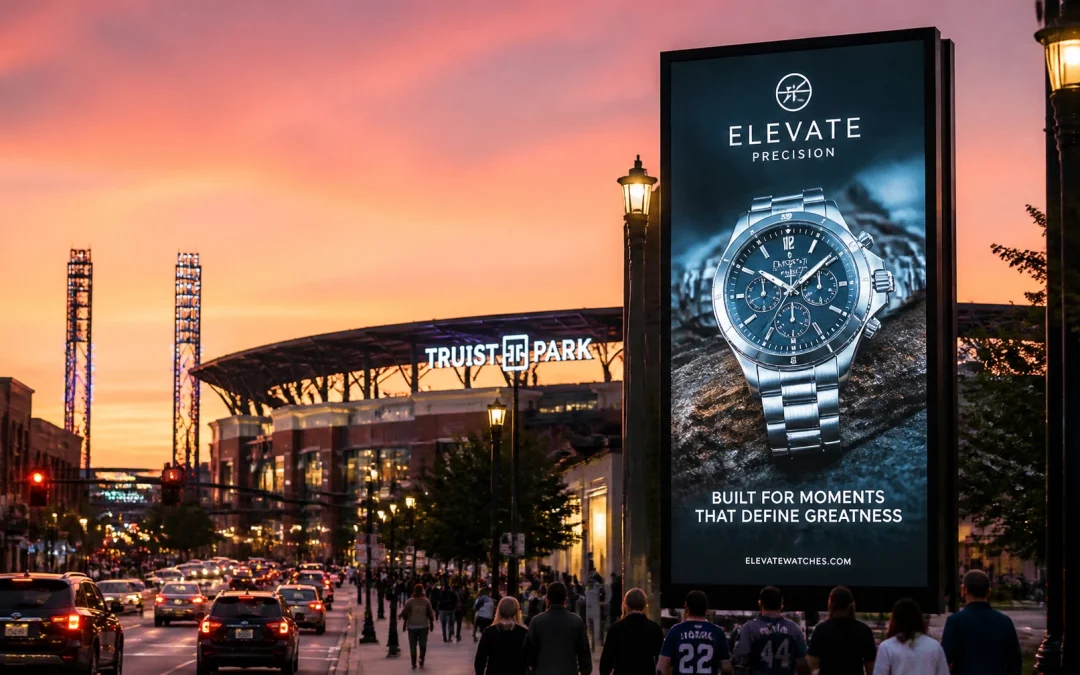
Strategic expansion in the digital out-of-home (DOOH) sector continues to reshape how brands interact with sports fans. For media planners and brand managers, the challenge of fragmented attention across digital and linear channels requires a more grounded, physical-world solution. OOH Sports has addressed this by scaling its network to more than 25,000 digital screens, focusing specifically on the high-intent environments surrounding 700+ major stadiums and arenas across the United States.
This growth signifies a shift from traditional billboard placement toward a pervasive, multi-touchpoint ecosystem. By capturing the fan journey from the moment they leave their home until they take their seat in the arena, the network provides a continuous narrative for brand messaging. The following overview details the mechanics of this expansion and provides over 50 specific examples of where and how media planners can now deploy their campaigns for maximum reach.
Strategic Milestone: Scaling the Sports DOOH Network
The recent expansion of the OOH Sports network represents a significant increase in available inventory for the sports marketing industry. With a primary focus on the three-mile radius surrounding major professional and collegiate sports venues, the network provides a concentrated audience of active, engaged consumers.
This perimeter-based approach is designed to supplement in-stadium advertising by reaching fans in the "pre-game" and "post-game" phases of their journey. Research indicates that the psychological state of a fan is most receptive to sports-related messaging during the 48-hour window surrounding a major event. By saturating the local environment with digital signage, brands can achieve a frequency of exposure that is difficult to replicate through digital mobile ads alone.
Objective and Strategy: The Three-Mile Command
The core objective of the network expansion is to eliminate the "dead zones" in a fan's daily routine. Traditional sports marketing often focuses exclusively on the broadcast or the interior of the stadium. However, the fan experience extends far beyond these two touchpoints.
The strategy utilizes a diverse array of venue types to ensure that brand messaging remains present during errands, exercise, transit, and social gatherings. This omnichannel DOOH approach allows media planners to buy impressions based on specific locations or broader geographic clusters around venues like SoFi Stadium, Madison Square Garden, or AT&T Stadium.
50+ Expansion Examples for Precise Targeting
To assist media planners in visualizing the breadth of the network, the expansion includes more than 50 distinct types of locations and situational contexts. These are categorized by the fan's physical location and intent.
Hospitality and Social Viewing Environments
Digital screens in these locations capture fans during the live viewing experience or while they are socializing before and after a game.
- High-End Sports Bars: Large-format screens in premier viewing venues.
- Casual Dining Restaurants: Family-oriented environments near stadiums.
- QSR Lobbies: High-turnover locations for quick pre-game meals.
- Hotel Lobbies: Capturing traveling fans staying near the venue.
- Hotel Elevators: High-frequency, short-duration touchpoints for visitors.
- Outdoor Patios: Digital signage in beer gardens and outdoor fan zones.
- Sportsbook Lounges: Targeting the high-growth sports betting demographic.
- Casino Floors: Screens near sports betting kiosks and lounge areas.
- Nightclub Entrances: Reaching the late-night post-game crowd in urban centers.
- Coffee Shop Windows: Targeting the morning-after "recap" crowd.

Fitness and Lifestyle Hubs
Fans are often active individuals. Placing ads in fitness environments aligns brands with health-conscious behaviors.
11. Premium Gym Chains: Digital screens in cardio and weight areas.
12. Boutique Fitness Studios: Targeted screens in yoga or spin studios.
13. Locker Room Displays: High-dwell time areas for personal care brands.
14. Spin Class Screens: Integration with digital workout interfaces.
15. Golf Course Clubhouses: Reaching an affluent demographic near regional venues.
16. Tennis Centers: Digital kiosks at community and private clubs.
17. Recreational Centers: Targeting families and youth sports participants.
18. Yoga Studio Lobbies: Reaching the wellness-focused segment of the fanbase.
19. Sports Medicine Clinics: Screens in waiting rooms for injured athletes and fans.
20. College Campus Rec Centers: Reaching the Gen Z collegiate fan base.

Transit and Urban Flow
Capturing the "fan in motion" is critical for building frequency as they commute toward the arena.
21. Major Airport Terminals: Large-scale digital displays in arrival and departure halls.
22. Train Station Platforms: High-dwell time locations for commuters.
23. Subway Concourses: Reaching fans in dense urban environments like New York or Chicago.
24. Bus Shelters: Street-level digital panels on key transit routes to stadiums.
25. Ride-Share Screens: Integrated digital tablets inside Uber and Lyft vehicles.
26. Parking Garage Entrances: Reaching fans as they arrive and park near the venue.
27. Parking Garage Elevators: Capturing attention during the transition to the street.
28. Urban Pedestrian Kiosks: Interactive signs in downtown entertainment districts.
29. Electric Vehicle Charging Stations: Screens at charging hubs in stadium lots.
30. Highway Digital Billboards: High-impact visuals on the main arteries leading to sports complexes.

Retail and Point-of-Sale
Placing brands near the point of purchase is a primary tactic for FMCG and apparel brands.
31. Grocery Store Entrances: Reaching fans during the "pre-game stock-up" phase.
32. Liquor Store Displays: Targeting fans purchasing beverages for tailgates.
33. Convenience Stores: High-frequency stops for snacks and fuel.
34. Pharmacies: Screens in high-traffic retail corridors.
35. Big-Box Retailers: Large-format displays in the electronics or sports aisles.
36. Shopping Mall Atriums: Capturing foot traffic in malls adjacent to arenas.
37. Sporting Goods Stores: Direct alignment with consumer intent for gear.
38. Fan Shops: Digital screens inside official team retail locations.
39. Pop-Up Retail Units: Temporary digital signage at event-specific pop-ups.
40. Gas Station Pumps: Digital screens at the pump for captive audiences.
Corporate and Residential Proximity
Reaching fans during their workday or as they leave their residences near urban stadiums.
41. Office Building Lobbies: Targeting professionals in business districts.
42. Corporate Elevators: High-frequency messaging during the workweek.
43. Co-working Spaces: Reaching the modern, flexible workforce.
44. Apartment Building Lobbies: Screens in luxury high-rises near stadiums.
45. Newsstands: Street-level digital panels in high-traffic urban areas.
46. Doctor's Office Waiting Rooms: High-dwell time locations in nearby medical hubs.
47. Beauty Salons and Barbershops: Community-centric screens in local neighborhoods.
48. University Student Unions: Capturing the campus-based sports enthusiast.
49. Movie Theater Lobbies: Reaching fans in entertainment-heavy zones.
50. Street-Level Digital Posters: Slim-profile signs on busy city sidewalks.
51. Mobile Digital Billboards: Truck-mounted screens that can circle stadiums on game day.
Technology Partners and Campaign Logistics
Execution of a large-scale DOOH campaign requires sophisticated technological infrastructure. The OOH Sports network operates on a programmatic basis, allowing media planners to bid on inventory in real-time. This provides the flexibility to adjust spend based on team performance, ticket sales, or local market conditions.
Game-Day Scheduling and Automation
A key feature of the network is the ability to run campaigns on game days only. This prevents budget wastage on days when the target audience is not present in the stadium vicinity. For outdoor venues, the system includes an automated rainout protection feature. If an event is canceled or delayed due to weather, the digital campaign is automatically paused, ensuring that impressions are only delivered when the fan audience is active and present.
Programmatic Integration
The network is compatible with major Demand-Side Platforms (DSPs), allowing media buyers to integrate sports DOOH into their broader omnichannel strategies. This enables retargeting opportunities; for example, a consumer who is exposed to a digital billboard near the stadium can be retargeted with a mobile display ad or a social media promotion later in the day.
Results: Measuring Impact and Attribution
Quantifiable data is the cornerstone of the OOH Sports expansion. The network delivers more than 50 million impressions monthly. To provide clear ROI, the platform utilizes several measurement methodologies:
- Device ID Exposure: Tracking unique mobile device IDs that pass within the viewable area of a screen.
- Brand Lift Studies: Assessing changes in brand awareness and favorability among exposed audiences versus control groups.
- Foot Traffic Attribution: Measuring the increase in visits to a retail location or dealership following exposure to the DOOH network.
- Sales Lift Analysis: Correlating ad exposure with point-of-sale data from retail partners.
Internal data indicates that campaigns leveraging the perimeter-based "three-mile rule" see an average increase in brand preference rating of 18% compared to traditional broad-market OOH buys.
In-Stadium Extension: The Sportrons Network
While the OOH Sports network dominates the perimeter, the expansion also facilitates seamless integration with Sportrons, the specialized in-stadium network. Sportrons screens are located inside more than 700 stadiums and arenas, positioned in high-traffic fan areas such as:
- Stadium concourses
- Food courts
- VIP lounges
- Entrance gates
By combining OOH Sports perimeter coverage with Sportrons in-stadium presence, media planners can achieve 100% coverage of the fan journey. This synergy ensures that the brand remains the primary voice from the parking lot to the final whistle.

Conclusion for Media Planners
The expansion of the OOH Sports network to 25,000+ screens offers a level of scale and precision previously unavailable in sports marketing. By utilizing the 50+ location examples outlined above, media planners can construct a highly targeted campaign that follows the fan's natural routine. With programmatic flexibility, CPM-based pricing ranging from $5 to $30, and specialized features like rainout protection, the network provides a reliable and measurable solution for brands struggling to achieve reach in a fragmented media landscape.
For those looking to explore specific venue availability or to request a customized heat map of screen density around a particular stadium, additional resources are available at oohsports.com.