
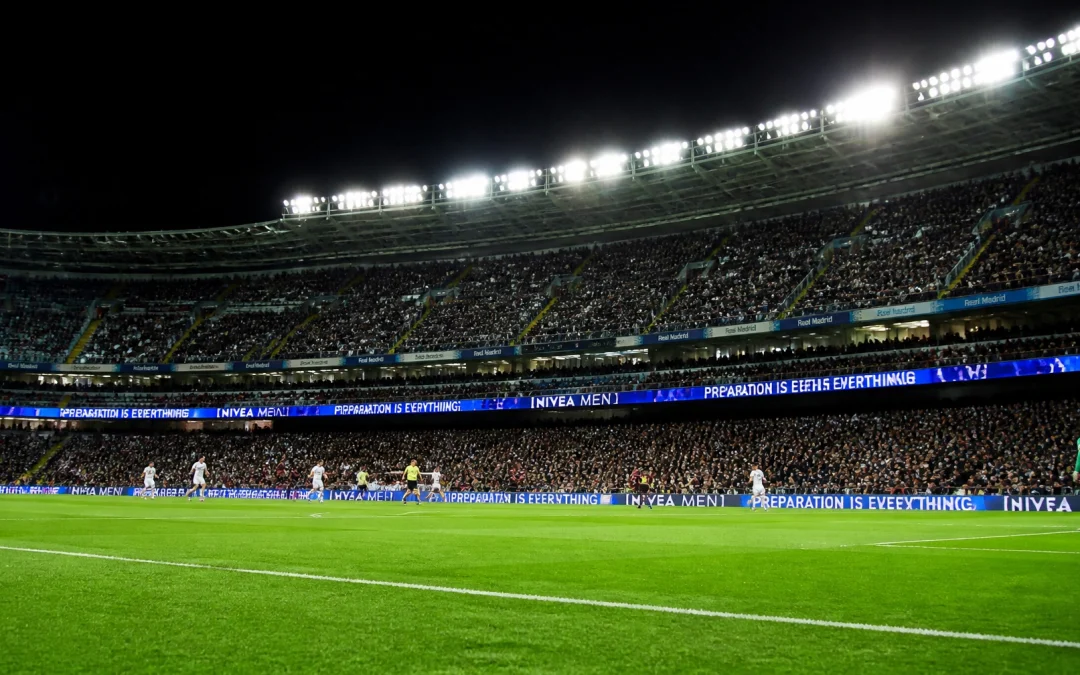
Fan engagement is the cornerstone of sports marketing, yet many brands struggle to move beyond traditional, passive advertising methods. In a world where attention is the most valuable currency, reaching a fan at the peak of their emotional investment requires more than a simple logo placement. While millions are spent on sponsorships, a significant portion of that investment is often lost due to strategic gaps in how and where a brand communicates.
Effective sports marketing is about being part of the narrative. When a fan is in or around a stadium, their focus is intense, their emotions are high, and their receptivity to relevant messaging increases. However, many campaigns fail to capitalize on this unique environment.
This guide outlines seven common mistakes brands make with fan engagement and explains how stadium perimeter digital out-of-home (DOOH) advertising provides a sophisticated, data-driven solution.
1. Treating Every Fan as a Homogeneous Audience
One of the most frequent errors in sports marketing is the assumption that every person in the stadium is there for the same reason or has the same interests. From die-hard season ticket holders to casual first-time attendees and corporate guests, the audience is diverse. Using a single, generic message for the entire venue results in lower relevance and missed opportunities for conversion.
Stadium perimeter advertising allows for a more nuanced approach. Modern DOOH networks can segment messaging based on the specific location within or around the venue. For example, brands can run premium, luxury-focused creative near VIP suites while displaying family-oriented promotions near kid-friendly zones or general seating entrances. By matching the message to the specific demographic cluster, the advertising feels like a tailored service rather than a generic broadcast.
2. Deploying Static Creative in a Dynamic Environment
Sports are inherently unpredictable and fast-paced. Using a "set-and-forget" strategy with static creative is a missed opportunity to connect with the live action. When an advertisement remains unchanged regardless of whether the home team is winning, losing, or has just scored a game-winning goal, it quickly becomes background noise. Fans subconsciously tune out static images that do not reflect the current reality of the event.
The fix lies in dynamic, moment-based creative. Digital perimeter boards can be programmed to respond to real-time game triggers. If a touchdown is scored, the boards can immediately switch to a celebratory brand message. If the game is in a tense final minute, the creative can reflect that high-stakes energy. This synchronization ensures that the brand rides the natural emotional spikes of the game, significantly increasing recall and brand affinity.

3. Over-Reliance on Small Screen Engagement
Many digital marketers focus exclusively on mobile phones, assuming that fan engagement must happen via apps or social media. While second-screen usage is high, it often competes with the live action. When a fan is looking down at their phone, they are missing the game. Conversely, when they are watching the game, they are not looking at their phone.
Stadium perimeter ads capture "heads-up" attention. Because these boards sit in the primary field of vision for every attendee, they provide a shared, collective experience. Unlike a private mobile screen, a massive digital board creates a moment that everyone sees simultaneously. This shared observation reinforces the message through social proof. The perimeter boards serve as the physical, sensory anchor for the brand, ensuring it remains at the center of the fan’s visual field during the most critical moments of the event.
4. Ignoring the 10-Mile Radius Around the Stadium
Engagement does not begin at kickoff and end at the final whistle. A common mistake is focusing all resources on the internal stadium experience while neglecting the journey fans take to get there. The hours before and after the game are when fans are making purchasing decisions, choosing where to eat, and celebrating with friends.
The OOH Sports strategy extends brand presence to a 10-mile radius around the sports venue. This network includes digital screens in transit hubs, sports bars, and retail locations. By capturing attention during the commute and the post-game celebration, a brand can build a continuous narrative. This ensures the stadium message is a natural continuation of what fans saw on their way in, making the brand a consistent part of the entire "game day" lifestyle.
5. Failing to Measure Real-World Outcomes
For too long, out-of-home advertising was viewed as a "black box" where results were measured by vague impressions or foot traffic estimates. Many brands continue to make the mistake of judging fan engagement solely on vanity metrics like social media likes or follower counts, which do not always correlate with actual revenue or brand lift.
Modern programmatic DOOH has changed the landscape of measurement. Advertisers can now track exposure and frequency with high precision. By using privacy-compliant device ID tracking, brands can link exposure to stadium perimeter ads with specific real-world outcomes, such as website visits, app downloads, or increased foot traffic to retail locations. 10 key DOOH industry insights highlight that the shift toward data-driven attribution is making sports media one of the most accountable forms of advertising available.

6. Treating Fans as Passive Spectators
Another mistake is using perimeter advertising for one-way broadcasting only. While brand awareness is important, true engagement involves participation. Campaigns that treat fans as passive observers miss the chance to gather data or foster a deeper connection.
Digital boards can be used to drive active participation. By including calls to action, such as unique hashtags, short URLs, or QR codes that offer immediate rewards, brands can turn a "look-at-me" ad into an interactive gateway. Whether it is a live poll appearing on the boards or a "scan to win" promotion in a stadium bar, the DOOH network acts as the catalyst for a two-way conversation. This approach transforms the fan from a spectator into a brand participant, providing the brand with valuable first-party data in the process.
7. A Fragmented and Inconsistent Brand Presence
Finally, many brands suffer from a fragmented presence. They might have a social media campaign, a local radio spot, and a few scattered billboards, but these elements often feel disconnected. In a high-energy environment like a sports stadium, a lack of visual authority can make a brand feel small or peripheral.
Stadium perimeter advertising offers high-prestige placement that implies a close association with the league and the athletes. This perceived endorsement is incredibly powerful. By leveraging a massive network of over 25,000 screens, brands can maintain a consistent, high-impact presence that dominates the local environment. When a fan sees the same professional, polished creative on the way to the game, inside the stadium, and at the bar afterward, the brand gains a level of authority and trust that fragmented campaigns cannot replicate.

Strategy and Execution: The DOOH Solution
Fixing these mistakes requires a shift in how media is planned and bought. Instead of viewing stadium advertising as a traditional static buy, brands are increasingly moving toward programmatic DOOH. This allows for:
- Precision Targeting: Placing ads only during the hours when fan density is highest.
- Contextual Creative: Using different versions of an ad based on weather, time of day, or game status.
- Scale and Reach: Dominating the entire 10-mile ecosystem around the arena.
- Integrated Narratives: Bridging the gap between physical advertising and digital interaction.
By focusing on the perimeter, brands do not just buy space; they buy a moment in time when the audience is at their most attentive. The result is a campaign that is more relevant, more measurable, and ultimately more effective at driving fan engagement.
Results and Impact
The impact of a well-executed perimeter strategy is measurable across multiple KPIs. Campaigns utilizing the OOH Sports network have seen significant increases in brand preference ratings and purchase intent. For example, by syncing digital creative with high-emotion game moments, brands often report a higher recall rate compared to standard television or social media advertising.
Furthermore, the ability to track foot traffic into nearby retail locations or bars following exposure to a stadium-side ad provides the tangible ROI that CMOs and media planners require. In an era where every marketing dollar is scrutinized, the transition from speculative engagement to data-supported outcomes is the most significant benefit of the stadium perimeter model.

Conclusion
Fan engagement is no longer about just being seen; it is about being relevant at the right time and in the right place. By avoiding common pitfalls like generic messaging and static creative, and instead leveraging the power of stadium perimeter DOOH, brands can create deep, lasting connections with fans. The sports arena is more than a field of play. It is a powerful marketing ecosystem that, when used correctly, offers unparalleled brand authority and measurable success.