
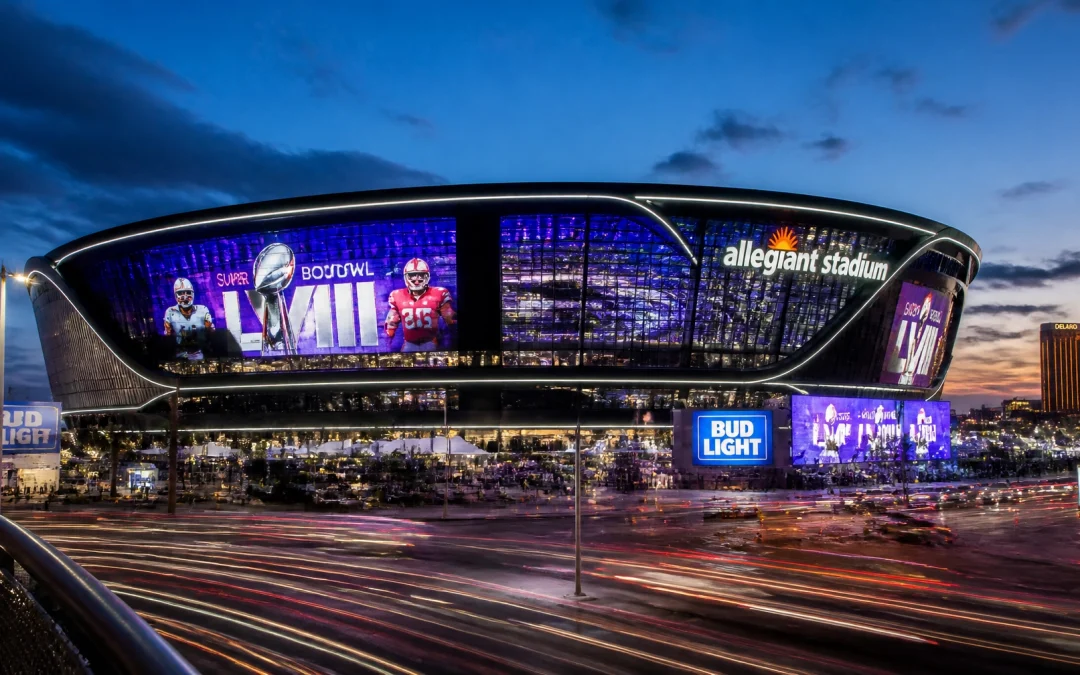
The Super Bowl represents the pinnacle of American sports media, serving as a high stakes laboratory for advertising innovation for over four decades. What began as a platform for standard television commercials has evolved into a comprehensive media ecosystem that dominates entire cities. This evolution reflects a shift from localized broadcast spots to integrated, multi platform strategies that occupy every physical and digital space within a venue's proximity. By examining the history of these campaigns, one can trace the trajectory of the industry from basic floor graphics to sophisticated digital out of home (DOOH) networks.
The Early Icons of Super Bowl Advertising
The late 1970s and early 1980s marked the transition of Super Bowl ads from product pitches to cultural events. This era established the blueprint for emotional resonance and cinematic production values that define the modern game day experience.
Coca-Cola’s Mean Joe Greene (1979/1980)
The 1979 campaign featuring Pittsburgh Steelers defensive tackle Mean Joe Greene remains a foundational moment in sports marketing. The ad, which officially re aired during Super Bowl XIV in 1980, utilized narrative storytelling to humanize a professional athlete. By showing a vulnerable moment between a star player and a young fan, the campaign demonstrated that commercial breaks could provide as much emotional engagement as the game itself. This established the precedent for brands to seek more than just impressions; they sought a permanent place in the cultural memory of the audience.
Apple’s 1984 (1984)
Directed by Ridley Scott, Apple’s Macintosh introduction is arguably the most influential Super Bowl commercial ever produced. The campaign nearly did not air, as Apple’s board of directors was initially hesitant about its dystopian tone. However, Steve Jobs and the creative team pushed for its broadcast. The minute long spot only aired once during the game but generated millions of dollars in free media coverage. This campaign proved that a single, high impact moment could launch a global brand, forever changing how advertisers viewed the Super Bowl as a premiere launchpad for new technology.
Wendy’s Where’s the Beef? (1984)
While Apple focused on cinematic visuals, Wendy’s utilized a different strategy in the same year. The campaign featuring 82 year old Clara Peller demonstrated the power of a simple, repeatable catchphrase. The line became a national sensation, showing that Super Bowl advertising could influence everyday language. This success highlighted the importance of clear, punchy messaging that resonates across diverse demographic groups.
The Era of Serialized and Cultural Branding
As the 1980s turned into the 1990s, advertising strategies became more complex, utilizing multiple commercial breaks to tell a continuous story or using catchphrases to create a global "meme" before the term existed in common parlance.
The Bud Bowl (1989-1997)
Anheuser-Busch revolutionized the use of commercial time with the Bud Bowl. This campaign utilized stop motion animation to depict beer bottles playing a football game. By spreading the narrative across several breaks, the brand effectively created its own secondary game within the broadcast. This tactic forced viewers to remain in their seats during commercial breaks, a significant shift in audience behavior that advertisers still attempt to replicate today.
Budweiser’s Whassup? (1999-2002)
At the turn of the millennium, Budweiser achieved global dominance with the "Whassup?" campaign. The simple greeting became a cultural phenomenon, appearing in films, television shows, and daily conversations worldwide. This campaign underscored the potential for a Super Bowl spot to achieve viral status through the use of relatable, humor based creative. It marked one of the last great campaigns before the widespread adoption of social media changed the mechanics of "viral" content.
Evolution of Venue Dominance
The shift in advertising leadership is perhaps most visible within the stadiums themselves. In the early decades, stadium advertising consisted of static banners and simple signage. Today, the venue is a fully integrated digital environment.

From Static to Sporttron
The introduction of the Sporttron digital network transformed stadium interiors. This technology allowed for synchronized messaging across all screens within a venue, creating a "digital takeover" effect. Unlike static signs, digital networks allow for real time updates, dynamic content, and specific targeting based on the progress of the game. This adaptability ensures that the brand message remains relevant to the shifting energy of the live event.
Integrated Floor Graphics and Concession Platforms
Innovation also reached the very floors fans walk on. High resolution, slip resistant floor graphics turned previously unused space into valuable media real estate. When combined with concession platform advertising, brands could maintain a continuous visual presence throughout the fan's journey from the entrance to their seat. These physical touchpoints complement the digital screens, ensuring a 360 degree brand experience within the venue.
Video: 40 Years of Leadership
For a deeper look into the mechanics of venue dominance and the history of sports media innovation, refer to the following retrospective on 40 years of advertising leadership.
The 10-Mile Perimeter and Modern Tactics
Modern sports marketing has expanded far beyond the stadium walls. Current strategies focus on a 10 mile perimeter around the host venue, utilizing a mix of digital and physical assets to capture the attention of the thousands of fans who travel for the event but may not enter the stadium.
The 10-Mile Perimeter Strategy
Research into fan behavior indicates that the majority of engagement occurs in the areas surrounding the stadium, including fan zones, transit hubs, and entertainment districts. Implementing a 10-mile stadium strategy allows brands to reach consumers at multiple points throughout their journey. This perimeter approach ensures that the brand message is unavoidable, creating a sense of local dominance that reinforces the broadcast presence.
Programmatic DOOH and Mobile Retargeting
The integration of programmatic DOOH has been a game changer for the Super Bowl. Advertisers can now purchase digital billboard space in real time, adjusting their creative based on data such as weather, traffic, or game score. By capturing device IDs of fans exposed to these billboards, brands can then perform mobile retargeting. This creates a bridge between the physical world and the digital device, significantly increasing the frequency and effectiveness of the brand's reach.

NIL and Predictive Modeling
In recent years, Name, Image, and Likeness (NIL) regulations have allowed brands to partner with collegiate and professional athletes in more dynamic ways. Using these influencers in conjunction with predictive modeling helps brands anticipate fan movements and preferences. This data driven approach allows for more efficient budget allocation and higher returns on investment. For more information on how these technologies are changing the landscape, see our recent post on AI and programmatic trends.
Strategic Measurement and Results
The success of a 40 year legacy in advertising leadership is measured through data and measurable impact. Modern campaigns utilize sophisticated tools to quantify the effectiveness of Super Bowl spends.
- Brand Lift Studies: Recent data shows that integrated OOH and broadcast campaigns during major sports events can lead to a 74 percent lift in purchase consideration.
- Positive Brand Image: Campaigns that utilize coordinated digital venue takeovers have seen a 119 percent increase in positive brand perception among attendees.
- Omnichannel Attribution: By tracking mobile interactions following OOH exposure, advertisers have reported purchase consideration increases of up to 144 percent.
These figures illustrate that the combination of historical storytelling and modern technology creates a potent environment for brand growth. The logistics of coordinating these efforts require a deep understanding of venue layouts, city regulations, and digital infrastructure.
Conclusion
The trajectory of Super Bowl advertising over the last four decades is a story of continuous expansion and technological adoption. From the emotional simplicity of Mean Joe Greene to the high tech precision of programmatic DOOH and 10 mile perimeter strategies, the goal remains the same: to create an indelible connection between the brand and the fan. Leadership in this space is defined by the ability to blend these historical lessons with cutting edge execution, ensuring that every square inch of the venue and every digital screen in the city works toward a unified strategic objective.