
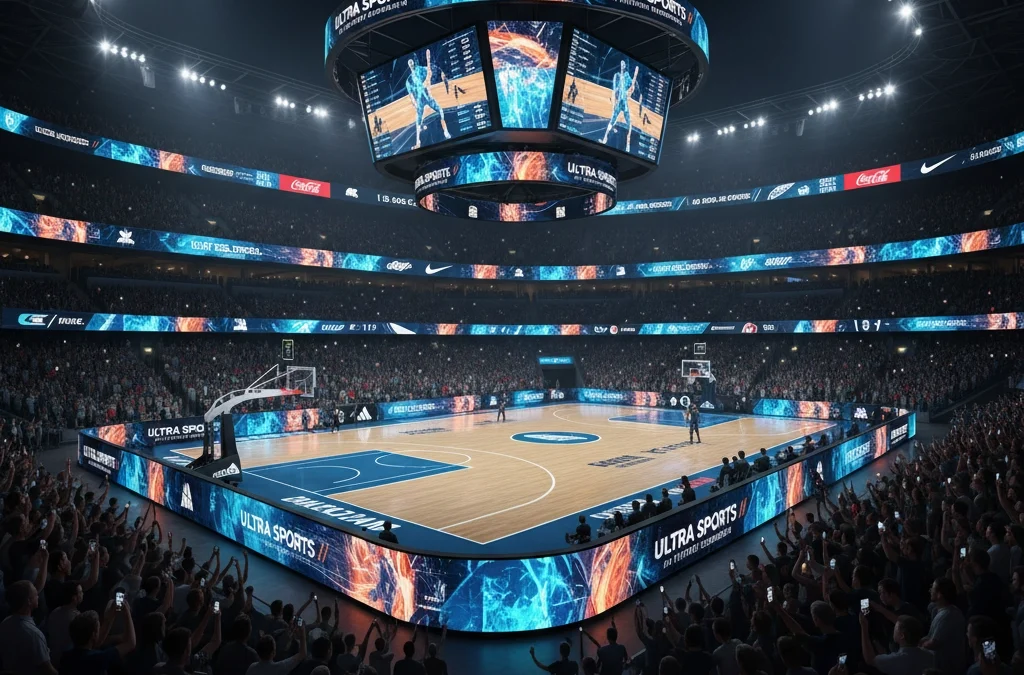
The sports marketing landscape has undergone a dramatic transformation, with traditional stadium billboards evolving rather than disappearing. Industry data reveals that over 25,000 smart screens have been deployed across major sports venues globally, fundamentally changing how brands connect with audiences during live events.
The Resilience of Traditional Outdoor Advertising
Traditional billboards are experiencing an unexpected resurgence in 2025, defying predictions of obsolescence. The physical presence of outdoor advertising provides unmatched visibility and credibility that digital platforms struggle to replicate. These static displays maintain their effectiveness through constant exposure, operating continuously without requiring internet connectivity or user interaction.
Stadium billboards specifically benefit from captive audiences who remain engaged throughout entire sporting events. Unlike digital advertisements that can be skipped or blocked, traditional billboards command attention through strategic placement and bold visual design. This sustained visibility translates to higher brand recall rates compared to fragmented digital touchpoints.

The evolution from purely traditional formats to hybrid approaches demonstrates the adaptability of outdoor advertising. Modern stadium billboards incorporate QR codes, social media integration, and location-based messaging while maintaining their core visual impact. This combination preserves the strengths of traditional advertising while adding measurable digital components.
Smart Screen Technology Integration
Digital out-of-home (DOOH) technology has transformed stadium advertising through real-time content delivery and dynamic messaging capabilities. Smart screens enable brands to adjust creative content based on game situations, weather conditions, and audience demographics instantaneously.
In-venue LED displays now function as part of integrated media campaigns, allowing brands to purchase center-hung displays, perimeter boards, and concourse screens through programmatic platforms. This technological advancement enables synchronized messaging across multiple touchpoints within single venues.
Live-triggered campaigns represent the baseline expectation for sports marketing in 2025. Advertisements activate automatically following specific game events such as goals, touchdowns, or momentum shifts. This contextual relevance increases engagement rates significantly compared to static messaging approaches.
Programmatic Advertising Revolution
The integration of programmatic buying platforms has streamlined the procurement and optimization of stadium advertising inventory. Brands access real-time bidding systems that evaluate audience composition, game context, and venue characteristics to determine optimal ad placements.
Mass personalization capabilities allow dynamic creative content to adapt based on fan location, team affiliation, and historical preferences. This technology delivers tailored advertisements at scale without requiring extensive creative production resources.
Smart campaigns synchronize messaging across display advertising, social media, DOOH platforms, and mobile applications in real-time. This omnichannel approach maintains consistent brand context while maximizing reach across diverse audience segments.

Connected TV and Streaming Integration
Connected TV (CTV) viewership for sports content has tripled since 2019, with 65% of American sports fans expected to stream games in 2024. This shift creates opportunities for coordinated campaigns spanning physical venue advertising and streaming platform placements.
Sports streaming audiences demonstrate high attention levels, with 64% of viewers reporting active engagement with advertisements during live events. Additionally, 74% of this audience expresses desire for more relevant advertising content, indicating strong receptiveness to targeted messaging.
The convergence of stadium displays and streaming platforms enables brands to reach fans both attending events in person and viewing remotely. Synchronized campaigns across these channels amplify message consistency and frequency.
Measurement and Attribution Advancements
Modern stadium advertising campaigns incorporate sophisticated measurement methodologies that track brand lift, attribution, and audience engagement. Device ID matching allows advertisers to connect venue exposure to subsequent online behaviors and purchase decisions.
Brand lift studies measure changes in awareness, consideration, and preference among exposed audiences compared to control groups. These studies provide quantifiable evidence of campaign effectiveness beyond traditional reach metrics.
Retargeting capabilities enable brands to continue engagement with venue audiences through digital channels following event attendance. This extended touchpoint strategy maximizes the value of initial stadium advertising investments.
Strategic Implementation Considerations
Successful integration of smart screen technology requires careful consideration of audience context and venue characteristics. High-traffic areas such as concourses and entrance points provide optimal exposure for brand awareness campaigns, while premium locations near seating areas suit product-focused messaging.
Content scheduling must align with venue traffic patterns and event timing. Pre-game periods favor informational content, while halftime intervals accommodate longer-form brand narratives. Post-game messaging focuses on immediate action opportunities.

Creative adaptation for smart screens demands consideration of viewing distances, lighting conditions, and audience dwell time. Dynamic content performs optimally when designed specifically for digital display capabilities rather than adapted from traditional formats.
Industry Impact and Future Trends
The transformation from static to smart advertising has increased campaign effectiveness measurably. Brands report improved engagement rates, enhanced targeting precision, and more comprehensive measurement capabilities compared to traditional approaches alone.
Stadium venue operators benefit from increased inventory flexibility and revenue optimization through programmatic platforms. Real-time pricing adjustments maximize yield while providing advertisers with transparent cost structures.
The continued expansion of smart screen networks across venues indicates sustained growth in this sector. Technology partnerships between advertising platforms, venue operators, and measurement providers enable increasingly sophisticated campaign capabilities.
Innovation Through Strategic Partnership
OOH Sports has pioneered integration approaches that leverage both traditional outdoor advertising strength and smart screen innovation. The company's methodology combines proven outdoor advertising principles with advanced programmatic capabilities to deliver measurable campaign outcomes.
CEO Dan Kost emphasizes the importance of strategic technology adoption that enhances rather than replaces traditional advertising effectiveness. This approach ensures campaigns maintain broad reach while incorporating precision targeting and real-time optimization.
The integration of artificial intelligence and machine learning capabilities continues advancing campaign automation and performance optimization. These technologies enable more sophisticated audience targeting and creative optimization than manual campaign management approaches.
Conclusion
Traditional stadium billboards are not dead but have evolved into sophisticated marketing platforms that combine physical presence with digital capabilities. The deployment of smart screen technology across 25,000 displays represents a fundamental shift toward more targeted, measurable, and effective sports marketing.
The future of stadium advertising lies in strategic integration rather than technology replacement. Brands that leverage both traditional visibility and smart screen capabilities create campaigns with maximum impact and measurable returns on investment.
What challenges has your organization faced when integrating traditional and digital advertising approaches? Share your experience in implementing smart screen technology for sports marketing campaigns.
Ready to revolutionize your sports marketing strategy? Contact OOH Sports at +1 (970) 703-0102 to discuss how smart screen integration can enhance your campaign effectiveness.
Connect with us: LinkedIn | Facebook | Instagram | X
Learn more about our innovative advertising solutions at OOH Sports
#Motivation #Branding #Strategy #Marketing #AdvertisingAndMarketing #digitalmarketing #Innovation #Sports