
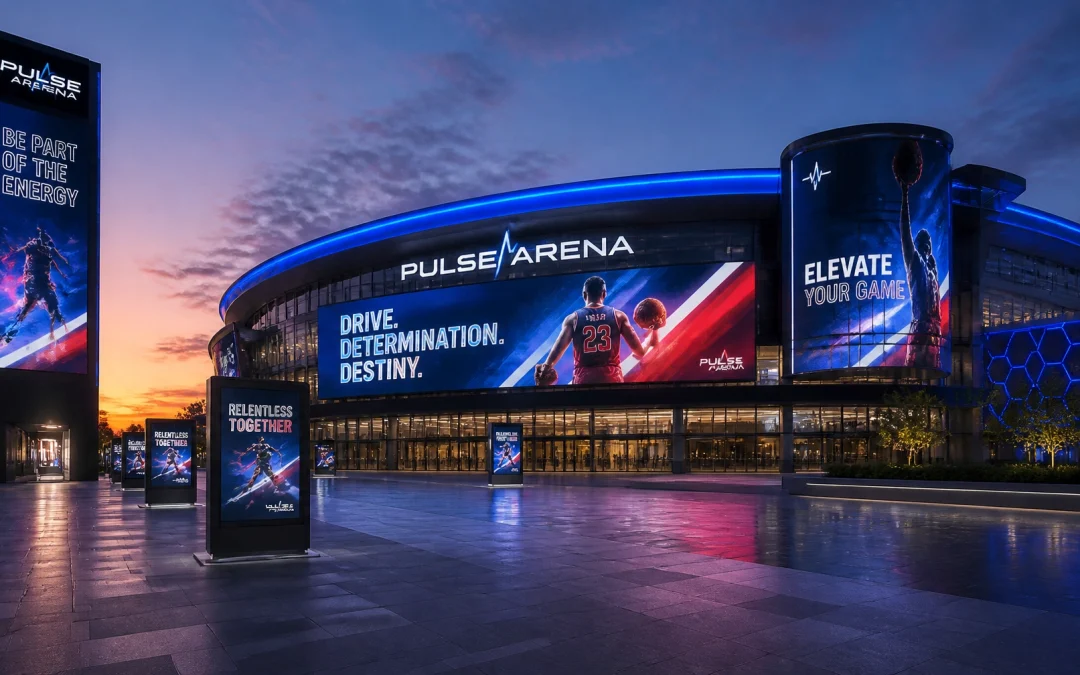
The landscape of sports advertising in 2026 has reached a pivotal transformation point. Digital out-of-home (DOOH) advertising has shifted from a supplementary channel to a primary driver of fan engagement and brand impact. For the first time, global DOOH spending is approaching parity with static outdoor advertising, with projections reaching approximately $28 billion this year. This represents nearly 49% of all out-of-home (OOH) investment, signaling a permanent move toward dynamic, data-driven screen infrastructure.
For media buyers, brand managers, and chief marketing officers, understanding the nuances of this shift is no longer optional. The ability to reach fans within a 10-mile radius of a sports venue, coupled with the precision of programmatic buying, has redefined the "stadium perimeter." This article examines the core trends, technology partners, and measurable outcomes shaping the DOOH sports landscape in 2026.
The Programmatic Default in Sports Media
Programmatic DOOH (pDOOH) has transitioned from an industry innovation to the default procurement method for sophisticated sports campaigns. In the United States alone, the pDOOH market is now valued at roughly $2.2 billion, driven by the automation and real-time analytics that brand managers demand.
The adoption of programmatic transactions now accounts for over 35% of all DOOH revenue. This shift allows for an "audience-first" planning model where movement data takes precedence over static location buying. Instead of simply purchasing a screen near a stadium, advertisers are now buying "fan segments": individuals whose movement patterns indicate they are traveling to, from, or around sports entertainment districts.
Efficiency and Agility
One of the primary strategic advantages of pDOOH in 2026 is the ability to adjust campaigns in real time. Traditional OOH required weeks of lead time for creative swaps; programmatic platforms allow for near-instantaneous updates based on external triggers. This agility ensures that brands remain relevant to the game-day atmosphere without the waste associated with non-event hours.
Dynamic Creative and Real-Time Triggers
The most successful sports advertising campaigns in 2026 utilize live data to influence creative execution. Statistics indicate that dynamic, real-time DOOH content is tied to a 30% lift in ad recall compared to static messaging. By integrating live sports data feeds, brands can synchronize their messaging with the pulse of the game.
Technology Partners and Integration
Through collaborations with specialized data providers and demand-side platforms (DSPs), advertisers are now implementing sophisticated triggers:
- Score-Triggered Creative: Advertisements that change instantly when a team scores, wins, or moves into overtime.
- Weather and Environment Triggers: Campaigns that promote specific apparel or beverage products based on local temperature or precipitation shifts.
- Crowd Dynamics: High-density screen networks that react to noise levels or pedestrian traffic volume during peak ingress and egress times.

Strategy: Dominating the 10-Mile Perimeter
The strategic focus for sports advertising has expanded beyond the internal stadium screens to the surrounding 10-mile perimeter. This radius encompasses transit hubs, bars, restaurants, and retail corridors where fans congregate before and after events.
Research from the OAAA and Nielsen confirms the effectiveness of this geographic concentration. Approximately 99% of fans who attend a game after being exposed to OOH advertising spend money locally. This underscores the value of the OOH Sports Network, which provides comprehensive access to digital video advertising boards within this critical distance from every major sports venue in the country.
Impact on Local Commerce
Retailers and hospitality brands within the 10-mile stadium perimeter report an average 18% increase in foot traffic during game-day DOOH activations. By capturing the attention of a captive, high-intent audience, brands can drive immediate offline actions that were previously difficult to attribute to outdoor media.
Measuring the Impact: Brand Lift and ROI
In 2026, the industry has moved beyond vanity metrics like total impressions. The focus has shifted toward measurable business outcomes, supported by robust brand lift studies and device ID tracking.
Case Study Benchmarks
Recent data highlights the significant impact of well-executed DOOH sports campaigns:
- Brand Awareness: Average aided brand awareness lift in DOOH studies is now recorded at +22%.
- Purchase Consideration: High-performance campaigns, such as those for beverage brands, have seen purchase consideration increases of up to 140%.
- Ad Recall: DOOH networks in sports venues achieve an 86% ad recall rate, significantly outperforming traditional television ads, which average 60% for the same demographics.
Specific brand examples reinforce these statistics. During the launch of new product lines, brands like White Claw have leveraged programmatic DOOH around sports events to achieve a 74% lift in purchase consideration. Similarly, campaigns for Mike’s Hard Iced Tea recorded a 119% lift in positive brand image when utilizing stadium-adjacent placements.

Return on Investment (ROI)
The marginal ROI for OOH advertising in a sports context is currently calculated at $7.58 per incremental dollar invested. This compares favorably to the $5.52 average for other media channels. The integration of dynamic, contextually relevant creative contributes to an average 17% sales lift over static digital equivalents.
Audience Engagement and Interactive Formats
Fan engagement in 2026 is increasingly interactive. DOOH is no longer a passive medium; it serves as a bridge to digital platforms. One of the most prominent trends is the use of high-visibility QR codes and augmented reality (AR) triggers on street-level kiosks and digital displays.
The Fan Journey
Approximately 76% of consumers take a follow-up action after seeing a DOOH advertisement. These actions include visiting a physical store, searching for the brand online, or engaging with social media content. For sports fans, this interaction often takes the form of entering contests, accessing exclusive in-stadium offers, or downloading team-related applications.

By placing interactive screens in high-traffic pedestrian zones near stadiums, advertisers can capture first-party data and drive digital conversions while the fan is in a peak emotional state.
Strategic Takeaways for 2026 Media Planning
To maximize the impact of DOOH in the sports sector, media planners and brand managers should consider the following logistics and tactics:
- Prioritize the 10-Mile Radius: Ensure campaign coverage includes the entire fan journey, from transit hubs to the final entrance gates.
- Implement Programmatic Triggers: Move beyond static flighting. Use live game data to ensure creative is relevant to the current game state.
- Utilize Audience Movement Data: Shift from buying specific board locations to buying the paths that fans travel based on historical and real-time device ID patterns.
- Quantify Success with Lift Studies: Partner with measurement firms to track footfall, brand favorability, and purchase intent rather than relying solely on estimated impressions.
- Coordinate Omnichannel Retargeting: Use DOOH exposure as a trigger for mobile retargeting, creating a cohesive brand narrative across multiple touchpoints.
Conclusion
As DOOH continues its trajectory toward becoming the dominant form of out-of-home advertising, the sports industry remains its most fertile ground. The combination of passionate, concentrated audiences and high-tech infrastructure allows for a level of precision and impact that was previously unattainable. For those shaping the future of sports advertising, the integration of programmatic technology and dynamic creative within the stadium perimeter is the key to driving measurable growth in 2026 and beyond.
For more insights on the latest DOOH industry trends or to explore the OOH Sports Playbook, stay connected with the OOH Sports Network.