
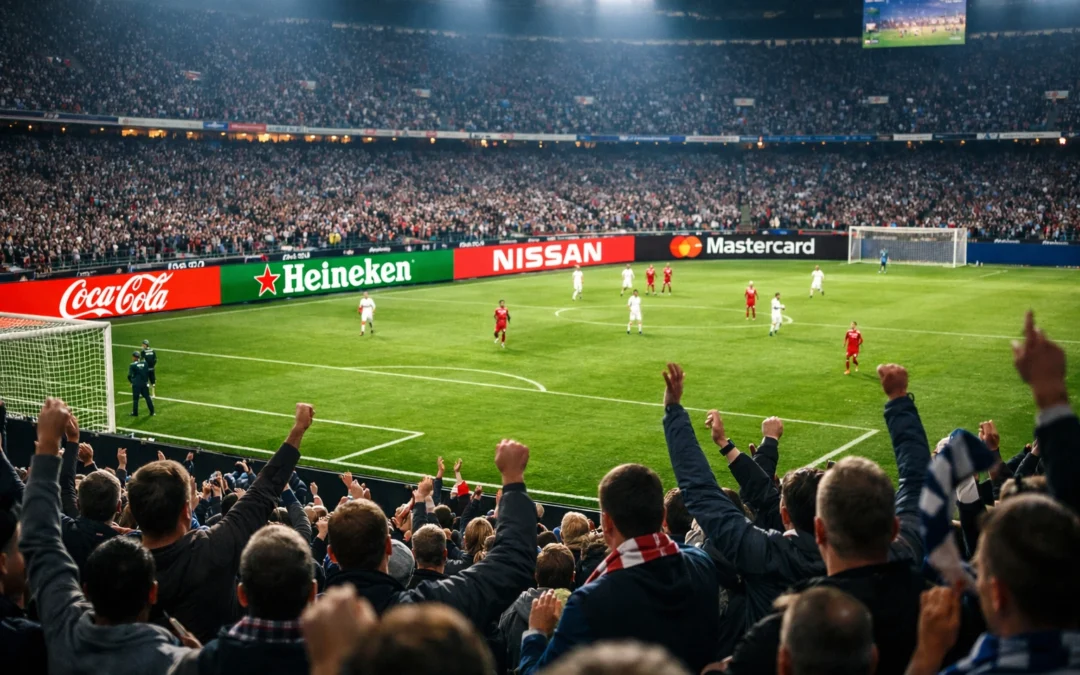
Brand loyalty does not emerge from interruption. It develops through consistent, emotionally resonant presence within contexts that audiences value. For creative directors and CMOs seeking to build lasting connections with sports-engaged demographics, stadium perimeter advertising offers a structured framework that converts passive viewing into sustained brand preference.
The challenge facing modern marketers centers on attention fragmentation. Digital platforms deliver reach but struggle with ad fatigue, declining engagement rates, and viewer resistance. Stadium perimeter advertising operates differently. It positions brands within the sporting experience itself rather than interrupting it, creating fundamentally distinct psychological conditions for brand reception.
The Framework Architecture
The proven fan engagement framework rests on five interconnected components that work together to build brand loyalty systematically. Each element reinforces the others, creating a compounding effect that extends far beyond the stadium walls.

Component One: Emotional Integration
Stadium perimeter advertising succeeds because it aligns with viewer psychology rather than fighting against it. When fans watch matches, their attention focuses on the game with high emotional investment. Perimeter boards occupy peripheral vision, registering consistently without demanding active attention shifts.
Research demonstrates that fans view sponsorships more favorably than traditional advertising formats. When brands position themselves as supporters of the club or sport rather than external advertisers, audiences receive them with positive sentiment. This distinction matters significantly for long-term loyalty building.
The emotional peaks of sporting events create particularly valuable moments for brand association. During goal celebrations, game-winning plays, or championship moments, viewer engagement reaches maximum intensity. Perimeter advertisements present during these high-stakes situations become embedded in the emotional memory of the experience. Brands that appear consistently during such moments develop positive associations that extend beyond rational evaluation.
Component Two: Sustained Frequency and Recognition
Brand loyalty requires repeated exposure, but not all repetition generates equal value. Stadium perimeter advertising delivers frequency without fatigue through non-intrusive presence across multiple matches, seasons, and competitions.
Studies indicate that digital signage in stadiums can increase fan engagement by up to 55%. This measurement reflects not merely visibility but actual audience processing of brand information. The consistency of visual elements across matches builds recognition patterns that strengthen with each exposure.
Dynamic displays incorporating product animations and movement prove more memorable than static boards. The LED technology enabling modern perimeter systems allows brands to deploy multiple creative executions throughout a single match, maintaining freshness while reinforcing core brand elements. This variability within consistency optimizes for both attention capture and long-term recall.

The investment compounds over time. Each match builds on previous exposures. Each season strengthens brand association with the sport and fan community. This cumulative effect creates brand equity that persists even during off-seasons or when individual advertising flights conclude.
Component Three: Cross-Platform Amplification
A critical advantage of stadium perimeter advertising lies in its organic multiplication across channels without additional media spend. When perimeter advertisements appear during broadcast matches, they reach audiences through highlight clips, goal replays, social media shares, streaming platforms, and fan-generated content.
Premier League clubs command over 500 million social media followers across platforms. A single perimeter advertisement during a high-profile match potentially reaches millions across diverse touchpoints as fans replay and share key moments. This creates genuine omnichannel presence through a single placement investment.
The amplification occurs contextually. Brands appear not as interrupting advertisers but as witnesses to triumph, embedded in moments fans revisit and celebrate. When a decisive goal gets shared thousands of times across social media, the perimeter boards visible in that clip deliver additional impressions that carry the emotional resonance of the original moment.
Broadcasters typically do not blur or remove perimeter advertising from replays, highlight packages, or archived content. This permanence means that a single season of perimeter advertising can continue delivering impressions for years as classic matches get revisited and milestone moments get commemorated.
Component Four: Dynamic Targeting Capabilities
Modern stadium perimeter systems offer targeting sophistication comparable to digital platforms. Programmatic perimeter advertising enables real-time message customization based on specific audiences, game situations, geographic markets, and viewing contexts.

This targeting capability allows brands to construct narrative arcs across multiple exposures throughout a season. Rather than static repetition, brands can tell evolving stories that create progression fans notice and remember. A product launch can build anticipation through early-season messaging, announce availability mid-season, and reinforce purchase consideration during championship runs.
Geographic targeting delivers particular value for brands with regional distribution or market-specific campaigns. When matches broadcast to different regions, perimeter advertising can display tailored creative that speaks to local preferences, languages, or product availability. This localization occurs within the premium context of live sports, combining emotional engagement with strategic relevance.
Score-based triggering represents advanced targeting that aligns brand messaging with game dynamics. Celebratory creative can display during winning moments. Motivational messaging can appear during comebacks. This contextual intelligence transforms perimeter boards from passive billboards into dynamic communication tools that respond to the unfolding narrative of each match.
Component Five: Interactive Technology Integration
Emerging capabilities extend the framework beyond passive exposure into active engagement. QR codes integrated into perimeter boards enable viewers to access exclusive content, promotional offers, or interactive experiences while emotional engagement peaks.
Second-screen integration allows brands to deliver synchronized content to mobile devices based on what appears on perimeter boards during live matches. This creates layered experiences that deepen involvement beyond traditional viewing while maintaining the non-intrusive nature of the primary placement.
AI-powered analytics now track viewer engagement across platforms, measuring not only impressions but attention metrics, social amplification rates, and downstream conversion indicators. These measurement capabilities allow optimization throughout campaigns rather than post-campaign analysis alone.
Strategic Implementation
Successful deployment of this framework requires strategic alignment across several dimensions. Brand selection of appropriate leagues, teams, and competition levels should match target audience demographics and psychographics. Geographic concentration of viewership should align with distribution footprints or expansion priorities.
Creative execution must balance brand distinctiveness with contextual integration. Messaging should enhance rather than distract from the viewing experience. Dynamic creative should maintain brand consistency while deploying variety sufficient to sustain attention across repeated exposures.

Campaign duration affects loyalty development directly. Single-match placements deliver awareness but struggle to build loyalty. Season-long presence creates the frequency required for genuine brand association. Multi-season commitments position brands as authentic supporters rather than temporary advertisers.
Integration with broader marketing initiatives amplifies framework effectiveness. When perimeter advertising coordinates with social media campaigns, retail activations, and content marketing, the framework components reinforce each other across the customer journey. Fans exposed to perimeter boards during matches become primed audiences for digital retargeting and conversion campaigns.
Measurable Outcomes and Attribution
The framework delivers quantifiable results across standard marketing metrics. Brand awareness increases measurably among sports-engaged demographics. Brand recall strengthens with sustained exposure frequency. Purchase consideration rises as positive associations develop through repeated contextual presence.
Attribution methodologies connect perimeter exposure to downstream behaviors. Device IDs exposed to perimeter advertising during broadcasts can be tracked into retargeting audiences, allowing measurement of website visits, search behavior, and purchase activity among exposed populations compared to control groups.
Brand lift studies conducted before and after perimeter campaigns document shifts in brand perception, consideration, and preference among target audiences. These measurements isolate the impact of stadium presence from other marketing activities, quantifying the specific contribution of perimeter advertising to loyalty metrics.
Social amplification rates measure how frequently perimeter placements appear in user-generated content and shared highlights. This metric captures the cross-platform multiplication effect central to the framework's efficiency.
Strategic Advantages for Long-Term Loyalty
The framework generates lasting loyalty through interconnected mechanisms that traditional advertising struggles to replicate. Positive sentiment develops through non-intrusive integration. Repeated frequency reinforces messaging without triggering ad fatigue. Contextual relevance during peak emotional moments creates strong associative memories.
Authentic association with beloved sports content positions brands as community participants rather than external advertisers. This shift in perception fundamentally alters how audiences process and respond to brand presence.
For brands targeting demographics overlapping with sports viewership, this framework delivers efficient spend against highly engaged audiences. Rather than chasing fragmented attention across digital platforms, perimeter advertising concentrates reach within premium contexts where attention is focused, emotions are elevated, and recall is maximized.
The compounding nature of the framework means that effectiveness increases over time rather than diminishing. Each exposure builds on previous ones. Each season strengthens associations formed in prior campaigns. Brands that commit to sustained presence develop the deep connections that translate engagement into purchase behavior and loyalty that persists across product cycles and competitive pressures.