
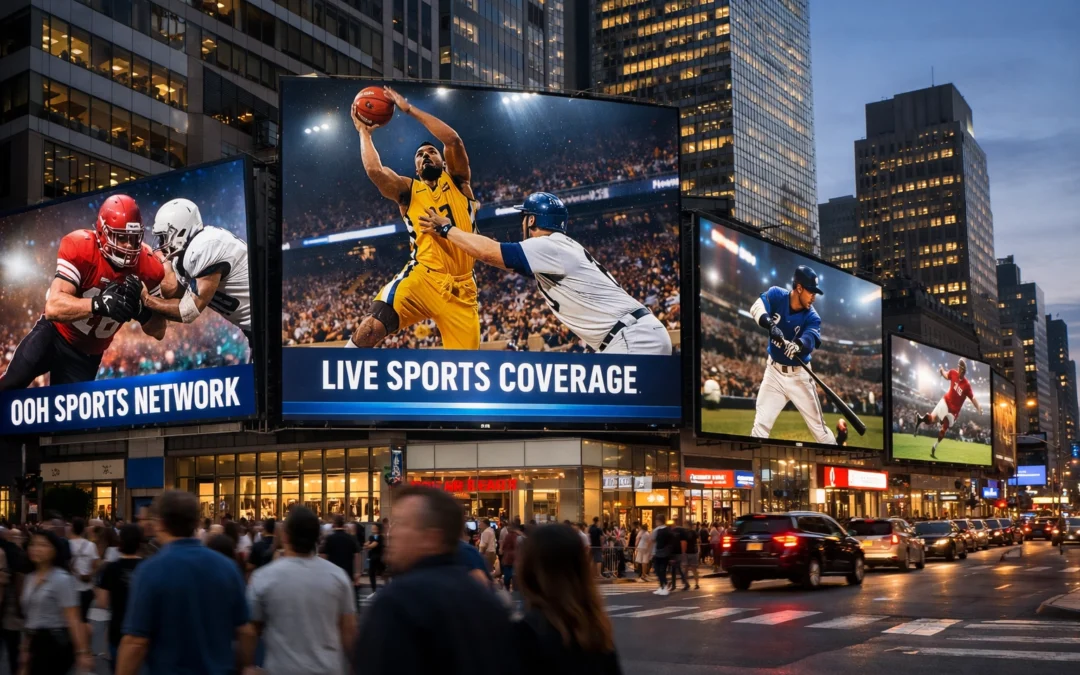
OOH Sports has expanded its digital out-of-home advertising network to more than 25,000 screens across the United States, establishing the company as a leading programmatic DOOH platform for reaching sports fans at scale. The expansion positions OOH Sports as a significant player in the sports-endemic advertising landscape, offering brands unprecedented access to engaged audiences in high-value environments.
The milestone represents substantial growth in both screen count and geographic footprint, extending the network's reach across major metropolitan markets and secondary cities nationwide. This infrastructure development enables advertisers to deploy national campaigns with consistent messaging or execute hyper-local strategies targeting specific markets, venues, or demographic segments.
Network Infrastructure and Venue Distribution
The expanded network comprises digital displays strategically positioned in locations where sports fans gather, consume content, and make purchasing decisions. Venue categories include sports bars and restaurants with sports viewing as a primary entertainment offering, entertainment complexes featuring bowling and gaming attractions, golf entertainment venues including Topgolf and simulator facilities, and fitness centers where athletic consumers engage with health and performance-oriented content.

This venue selection strategy ensures that advertising impressions reach audiences during moments of high engagement and receptivity. Sports fans watching live games in bar environments demonstrate elevated attention levels and increased likelihood of discussing products with peers, creating amplification effects beyond individual impressions.
Geographic distribution prioritizes markets with professional sports franchises, Division I college athletics programs, and documented high concentrations of sports media consumption. The network provides coverage across primary designated market areas while extending into secondary and tertiary markets that lack traditional stadium advertising opportunities but maintain passionate fan bases.
Programmatic Technology and Campaign Execution
The network operates on a programmatic buying platform that supports real-time bidding, dynamic creative optimization, and automated campaign management. This technology infrastructure enables advertisers to access inventory through familiar demand-side platforms and integrate DOOH campaigns with existing digital strategies.
Campaign execution capabilities include geographic targeting with precision down to ZIP code level, allowing advertisers to define coverage areas that align with distribution territories, franchise locations, or regional market priorities. Daypart scheduling enables alignment with sports broadcast times, ensuring maximum exposure during prime viewing windows when target audiences congregate in venue environments.
Audience demographic overlays add additional targeting dimensions, combining venue selection with consumer profile data to reach specific segments. An automotive manufacturer can target male consumers aged 25-54 with above-average household incomes in venues frequented by this demographic, while quick-service restaurants can deploy campaigns during meal dayparts when purchase intent peaks.
The platform supports A/B testing functionality for creative variations, enabling optimization throughout campaign flights based on performance metrics and brand lift measurements. Real-time campaign adjustments respond to live sports events, game outcomes, playoff scenarios, and breaking news, allowing brands to capitalize on cultural moments with timely messaging.
Attribution and Performance Measurement
Integration with major ad tech platforms enables comprehensive attribution analysis and cross-channel performance tracking. The system connects DOOH exposures to mobile device IDs, creating retargeting audiences for sequential messaging across channels and enabling measurement of downstream actions including store visits, website traffic, and purchase behavior.

Brand lift studies conducted through measurement partners quantify campaign impact on key performance indicators including brand awareness, message association, purchase consideration, and brand preference. This measurement framework provides the accountability and transparency that media buyers require when allocating budgets across channels.
Attribution methodologies compare exposed and control groups, isolating the incremental impact of DOOH campaigns on consumer behavior. Studies examining campaigns across the OOH Sports network have documented substantial lifts in purchase consideration, with some brand campaigns achieving triple-digit percentage increases in this critical metric.
Market Context and Industry Positioning
The network expansion occurs as global DOOH investments are projected to exceed $50 billion, reflecting the channel's graduation from experimental test budgets to core media plans with scaled allocations. DOOH now competes directly with connected TV and social media for campaign dollars, supported by comparable targeting capabilities and measurement standards.
Sports-endemic positioning creates natural alignment for athletic apparel brands, sporting goods retailers, and equipment manufacturers seeking to reach passionate enthusiasts in contextually relevant environments. However, the network also attracts substantial investment from categories including sports betting operators, consumer electronics brands, insurance providers, telecommunications companies, and financial services firms that value access to the affluent, engaged demographic profile of sports fans.

The sustained visibility advantage of DOOH campaigns operating across extended timeframes rather than compressed broadcast windows enables sequential storytelling strategies. Early campaign exposures introduce brand concepts and establish awareness, while subsequent impressions build message complexity and drive specific calls to action. This approach supports both awareness-building objectives for new product launches and conversion-focused strategies for established brands.
Campaign Flexibility and Creative Applications
The digital infrastructure supports multiple creative formats and campaign strategies. Standard display advertising delivers brand messaging with high-impact visuals optimized for viewing distances and ambient lighting conditions typical of venue environments. Video content capitalizes on the captive audience dynamic in sports bars, where patrons spend extended periods in venue and demonstrate elevated attention to screen content.
Dynamic creative optimization adjusts messaging based on contextual factors including local weather conditions, time of day, proximity to sporting events, and real-time game situations. A beverage brand can promote cold drinks during hot weather while shifting to comfort-focused messaging during winter months. Sports betting operators can update odds and promote specific wagers as games unfold, creating relevance and urgency.
Sequential messaging strategies deploy different creative executions across campaign flights, guiding audiences through awareness, consideration, and conversion stages. An automotive campaign might begin with aspirational lifestyle imagery, progress to feature-focused product messaging, and conclude with promotional offers and dealer location information.
Implications for Media Buyers and Brand Marketers
The expanded network provides media buyers with increased flexibility in constructing campaigns that balance reach, frequency, and efficiency objectives. Large screen counts enable national campaigns to achieve substantial gross rating points while maintaining frequency levels that drive message retention and behavioral impact.

Geographic granularity supports regional strategies aligned with product distribution, franchise territories, or market-specific objectives. Brands testing new products in specific markets can concentrate DOOH investment in those geographies without purchasing national coverage. Regional campaigns for local businesses gain access to professional-grade advertising infrastructure previously available only to national advertisers.
The combination of scale and targeting precision addresses a fundamental challenge in sports marketing: reaching passionate fans in moments of high engagement without the cost and complexity of traditional stadium sponsorships or broadcast media. Brands gain consistent visibility across multiple venues and markets rather than concentrating investment in a single team or facility.
Strategic Positioning for Continued Growth
The expansion to more than 25,000 screens establishes infrastructure for additional growth in both venue partnerships and advertiser adoption. As more brands recognize the performance advantages of sports-endemic DOOH advertising, the network is positioned to capture increased investment from both traditional sports marketers and categories seeking access to this valuable audience segment.
The programmatic foundation enables rapid scaling of advertiser onboarding without manual processes or custom integrations. Brands familiar with programmatic buying in other digital channels can transfer that expertise to DOOH campaign management, reducing barriers to entry and accelerating adoption.
For sports fans, the expanded network means more consistent access to relevant brand messaging that aligns with their interests and lifestyle. For venues, the infrastructure provides modern advertising capabilities that enhance the entertainment experience. For advertisers, the expansion delivers unprecedented access to engaged audiences in high-value environments with measurement capabilities that meet contemporary marketing standards.
The 25,000-screen milestone represents not an endpoint but a foundation for continued development of the sports-endemic DOOH category. As the network grows and performance data accumulates, more brands will recognize the strategic value of this channel for reaching sports fans where they live, work, and play.