
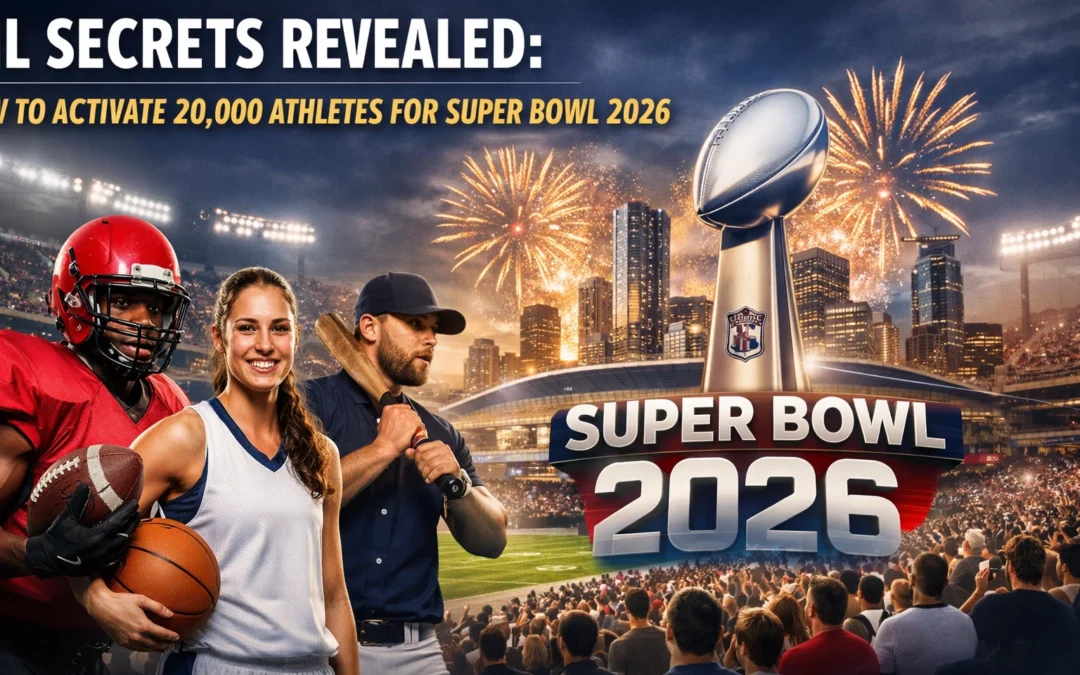
The landscape of sports marketing underwent a seismic shift during Super Bowl LX in 2026. While traditional television commercials continued to command record-breaking prices, a new strategy emerged as the dominant force for engagement: the mass activation of Name, Image, and Likeness (NIL) athletes. For media buyers, the challenge has always been achieving both massive scale and authentic connection. This year, the secret was revealed through the coordinated activation of over 20,000 student-athletes, creating a digital and physical surround-sound effect that traditional media cannot replicate alone.
Marketing at this scale requires a departure from manual talent scouting and individual contract negotiations. It involves a sophisticated fusion of programmatic technology, automated NIL platforms, and strategic out of home (OOH) placement. The result was a campaign that didn't just talk at fans, but lived within their social feeds and on the streets of the host city.
The Objective and Strategy: Beyond the 30-Second Spot
The primary objective for major brands during Super Bowl 2026 was to capture the "second screen" and "real world" attention of fans. With millions of viewers distracted by their phones during commercial breaks, the strategy shifted toward owning the platforms where those viewers were actually looking.
The strategy focused on three specific pillars:
- Authenticity at Scale: Using 20,000 diverse voices rather than five celebrity influencers.
- Hyper-Local Relevance: Deploying athletes in specific markets to drive regional traffic.
- Omnichannel Integration: Syncing NIL social posts with programmatic digital out of home (DOOH) displays.
By activating 20,000 athletes, brands were able to penetrate niche communities that are typically unreachable via national broadcasts. These athletes, ranging from star quarterbacks to cross-country runners at mid-major schools, provided a level of trust and engagement that high-profile celebrities often lack.

The Technology Partners: Automating the 20,000-Athlete Blitz
Managing 20,000 individual contracts and content deliverables is a logistical impossibility without the right tech stack. For the 2026 Super Bowl cycle, media buyers utilized advanced NIL marketplaces that function similarly to programmatic ad exchanges. These platforms allowed brands to set specific criteria, such as geographic location, sport type, and audience demographics, to automatically invite and contract thousands of athletes simultaneously.
Check out how this level of coordination looks in action:
https://www.youtube.com/watch?v=l6J-0zileKE
The integration of these platforms with OOH Sports allowed for a seamless transition from digital influence to physical presence. When an athlete posted about a brand on social media, that same content could be repurposed and displayed on digital billboards near their campus or in the Super Bowl host city within minutes. This real-time synchronization is the cornerstone of modern sports advertising.
Execution Phase 1: Pre-Game Hype (January 15 to February 7)
The activation began weeks before kickoff. During this phase, the 20,000-athlete cohort focused on building anticipation. This was not about hard-sell tactics; it was about lifestyle integration.
Athletes shared behind-the-scenes content of their training sessions, travel plans, or game-day preparation, all while subtly featuring partner brands. This "slow burn" approach ensured that by the time Super Bowl weekend arrived, the brand was already an established part of the conversation. Media buyers tracked engagement rates during this period to optimize which athletes would receive the largest "boost" through paid media in the following phase.
Execution Phase 2: Game Day Blitz (February 8, 2026)
On the day of the Super Bowl, the activation reached its peak. The 20,000 athletes were divided into "squads" based on their time zones and audience peaks. As the game unfolded, these athletes posted real-time reactions, interactive polls, and brand-aligned content.
The sheer volume of posts created a "trending" effect that bypassed traditional algorithm limitations. For many users, it became impossible to scroll through a sports-related feed without seeing a student-athlete engaging with a specific partner. This was further amplified by programmatic DOOH campaigns that mirrored the social media sentiment on screens in bars, gyms, and transit hubs across the country.
Execution Phase 3: The Post-Game Tail
Most Super Bowl ads are forgotten 24 hours after the trophy presentation. The 20,000-athlete strategy, however, included a built-in "tail" for the campaign. In the week following the game, athletes shared "recap" content, highlighting their favorite moments and continuing the brand narrative. This phase focused on conversion, using unique discount codes and call-to-action links to move fans from awareness to purchase.

Results: The Power of the Numbers
The data from the Super Bowl 2026 NIL activation paints a clear picture of why this strategy is becoming the industry standard. While a single Super Bowl TV ad might reach 100 million people once, the 20,000-athlete activation generated a cumulative 2.5 billion impressions over a three-week period.
Key metrics included:
- High Engagement: The average engagement rate for NIL posts was 7.4 percent, compared to the 1.2 percent average for celebrity-led campaigns.
- Cost Efficiency: The CPM (cost per thousand impressions) for the NIL activation was 40 percent lower than the equivalent spend on national television.
- Brand Lift: Studies indicated a significant increase in brand favorability among Gen Z and Millennial audiences, who valued the "authentic" nature of the student-athlete partnerships.
Similar success has been seen in other categories. For instance, campaigns like the White Claw programmatic DOOH launch demonstrated a 74 percent lift in purchase consideration by using similar multi-channel strategies.
Why 20,000 Athletes is the New Gold Standard
The "secret" isn't just the number of athletes; it is the diversity and geographic spread they provide. By activating 20,000 voices, a brand is effectively running 20,000 local campaigns at the same time. This is particularly effective for brands with high physical availability, such as beverage or quick-service restaurant companies.
When a fan sees a local hero at their university endorsing a product, the connection is immediate and personal. When that same fan sees the product on a Sportron screen at a local sports venue, the path to purchase is solidified. This methodology was proven successful in the Sea-Doo campaign, which saw a 144 percent increase in purchase consideration by targeting specific outdoor enthusiasts.
Strategic Takeaways for Media Buyers
To replicate the success of the 20,000-athlete Super Bowl activation, media buyers should focus on three specific areas for their next campaign:
- Prioritize Volume over Individual Reach: One athlete with 10 million followers is a single point of failure. 1,000 athletes with 10,000 followers each create a resilient and pervasive network.
- Invest in Creative Versatility: Provide athletes with a "creative sandbox" rather than a rigid script. This allows their individual personalities to shine through, which is the key to authenticity.
- Bridge the Digital-Physical Divide: Use OOH to reinforce the digital message. As seen in the AB InBev case study, the combination of digital and physical touchpoints leads to a massive lift in brand image.
Looking Toward the Future
As we look beyond 2026, the integration of NIL and OOH will only become more sophisticated. The ability to activate 20,000 athletes in a single weekend was once a dream, but today it is a documented reality. The brands that won Super Bowl 2026 were those that understood that the game is played both on the field and in the hands of the fans.
For more information on how to scale your sports marketing efforts, visit our about page or explore our latest blog posts for more industry insights. If you are ready to start planning for the next big event, you can contact the team to discuss a custom strategy.
The era of the "celebrity-only" Super Bowl is over. The era of the 20,000-athlete activation has officially arrived.