
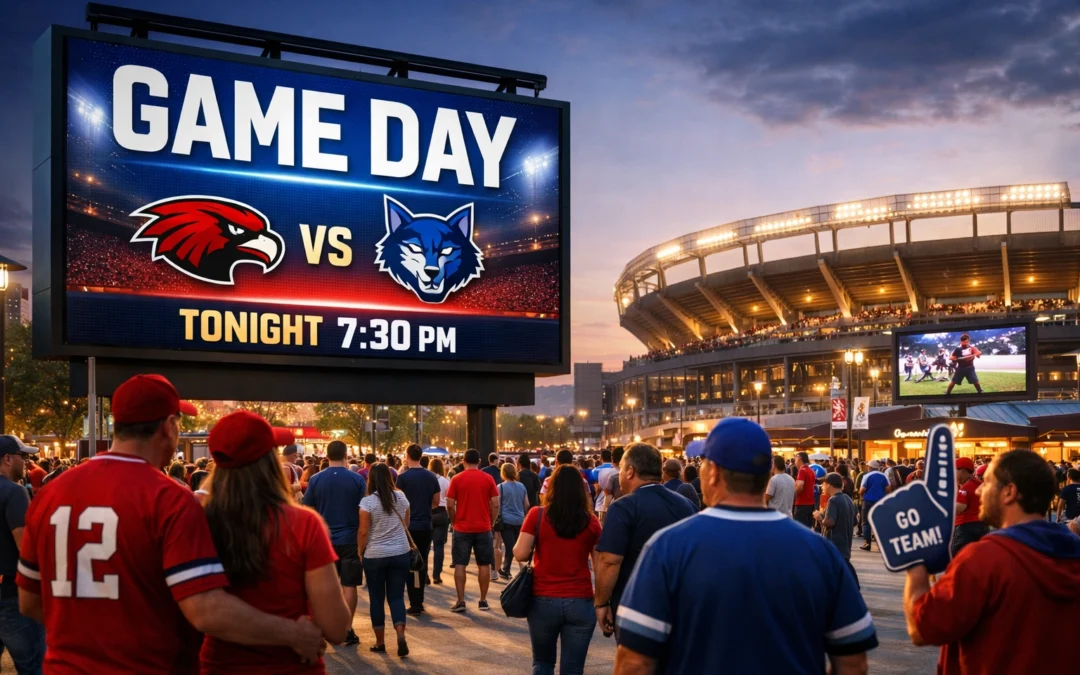
Digital Out of Home (DOOH) advertising is fundamentally altering the landscape of sports marketing. As sports fans become increasingly mobile and fragmented across digital platforms, the ability to capture their attention in the physical world has become a critical component of a modern media mix. Innovation in DOOH is not just about larger screens or brighter lights. It is about the integration of real time data, programmatic buying, and strategic placement that aligns with the fan journey.
The sports industry represents a unique environment where high emotional engagement meets predictable audience movement. For media buyers and brand managers, leveraging OOH Sports provides a direct line to a demographic that is notoriously difficult to reach through traditional television or standard web banners alone. This transition toward more intelligent, location based advertising is set to drive the industry toward significant growth, with projections suggesting that DOOH sports advertising could reach a valuation of 50 billion in the coming years.
The Objective of Modern Fan Engagement
The primary objective for any sports focused campaign is to maintain presence throughout the entire game day experience. Traditional stadium advertising often limits a brand to the confines of the arena and the duration of the event. However, innovation in DOOH allows for a routine based strategy that begins long before the first whistle and continues well after the final score.
The strategy involves identifying key touchpoints where fans congregate or pass through. This includes transit hubs, major highways leading to the venue, local sports bars, and retail centers. By establishing a presence in these areas, brands can create a continuous narrative that mirrors the fan's physical journey. The goal is to move from static impressions to dynamic interactions that drive measurable consumer action.

Strategic Real Time Messaging
One of the most significant innovations in the sector is the ability to deploy dynamic creative content based on live data triggers. In the past, out of home messaging was fixed for weeks at a time. Today, programmatic DOOH allows advertisers to change their creative in real time based on several factors:
- Game Scores and Outcomes: Creative assets can update instantly to reflect a home team victory or a specific player's performance.
- Countdown Timers: Building anticipation by showing live clocks counting down to kickoff or tip off.
- Weather Conditions: Adjusting the message to promote relevant products, such as cold beverages on a hot day or branded apparel during a sudden rainstorm.
- Traffic and Location: Tailoring messages based on the density of the crowd or the specific neighborhood where the screen is located.
This level of relevancy ensures that the advertisement does not feel like an intrusion but rather a part of the event's atmosphere. When messaging aligns with the emotional state of the fan, the recall rates increase significantly.
Technology and Programmatic Precision
The backbone of this innovation is the shift toward programmatic buying. By utilizing Demand Side Platforms (DSPs), media buyers can execute marketing campaigns with the same precision they expect from online display or social media ads. This technology allows for granular targeting based on audience demographics, movement patterns, and historical data.
Programmatic DOOH eliminates many of the manual processes previously associated with outdoor advertising. It provides flexibility in budgeting, allowing brands to bid on inventory during peak hours of engagement and pause or adjust during lulls. This efficiency ensures that every dollar spent is directed toward high value impressions. Furthermore, the use of specialized hardware like Sportrons provides high visibility in key sports environments, ensuring that the technology is matched by premium physical placement.

The Power of Omnichannel Integration
Innovation in DOOH does not exist in a vacuum. Its true power is realized when it is integrated into a broader omnichannel strategy. Research indicates that DOOH serves as a powerful "priming" tool. When a consumer sees a high impact outdoor ad, they are more likely to engage with the brand when they encounter it again on their mobile device or via social media.
This sequence creates a reinforced memory structure. A typical strategy might include:
- Building brand recognition through Connected TV (CTV) or social media leading up to a major sporting event.
- Reinforcing that recognition through high impact DOOH screens near the stadium and in high traffic fan zones on game day.
- Retargeting the mobile devices of fans who were in proximity to those DOOH screens with follow up offers or digital content.
This multi touchpoint approach significantly improves the efficiency of the overall marketing spend. It bridges the gap between the physical and digital worlds, ensuring the brand remains top of mind throughout the consumer's daily routine.
Case Evidence and Performance Metrics
The success of these innovations is clearly reflected in the data. Sports fans are not only noticing DOOH ads, they are acting on them at remarkably high rates. Industry studies suggest that nearly 6 in 10 adults recall seeing out of home sports advertisements recently. Among those who see these ads, approximately 90% take some form of action.
Specifically, the impact on digital engagement is profound. About 61% of fans exposed to DOOH sports ads engage with the brand on social media, while 42% discuss the event or the brand with friends and family. This social amplification extends the reach of the campaign far beyond the initial impression.
Several case studies highlight the effectiveness of these strategies:
- A major beverage brand saw a 74% lift in purchase consideration by utilizing programmatic DOOH for a product launch.
- A luxury recreational vehicle campaign achieved a 144% increase in purchase consideration by targeting specific high intent locations.
- A beverage company reported a 119% lift in positive brand image by aligning their messaging with the excitement of live sports events.
These results demonstrate that DOOH is no longer just an awareness play. It is a performance channel capable of driving significant bottom line results.

Democratizing Access for All Brands
Another key innovation is the lowering of barriers to entry. In the traditional model, premium outdoor advertising was often reserved for global corporations with massive budgets and long term contracts. The rise of programmatic DOOH and platforms like OOH Sports has changed this dynamic.
Regional and local brands can now access premium inventory in sports bars, fan festivals, and stadium vicinities with much greater flexibility. This allows smaller advertisers to build authentic connections with local fanbases without the need for an in house media buying team. By focusing on specific geographic locations and peak engagement times, these brands can compete effectively for fan attention alongside much larger competitors.

Measurable Economic and Local Impact
Beyond brand metrics, DOOH innovation contributes to the local economy of host cities. Fans who attend games after being exposed to OOH advertising are highly likely to spend money at local businesses, including restaurants, retail stores, and hotels. This tangible impact makes DOOH an essential tool for city planners and local tourism boards looking to maximize the economic benefits of hosting major sporting events.
The ability to track these outcomes through attribution modeling is a game changer. By analyzing device IDs and location data, advertisers can correlate exposure to DOOH ads with physical store visits or online conversions. This level of transparency provides media buyers with the confidence to allocate larger portions of their budget to the out of home category.
Conclusion
The innovation within the Digital Out of Home sector is redefining the relationship between brands and sports fans. By combining the emotional power of live sports with the precision of programmatic technology, OOH Sports is providing media buyers with a toolkit that is more flexible, measurable, and impactful than ever before.
As the industry continues to evolve, the brands that succeed will be those that embrace these new capabilities. Moving toward a more dynamic, data driven approach to outdoor advertising is not just a trend. It is the new standard for reaching the modern sports fan. For more information on how to implement these strategies, visiting the blog or exploring the various company policies can provide further guidance on best practices in this rapidly changing field.