
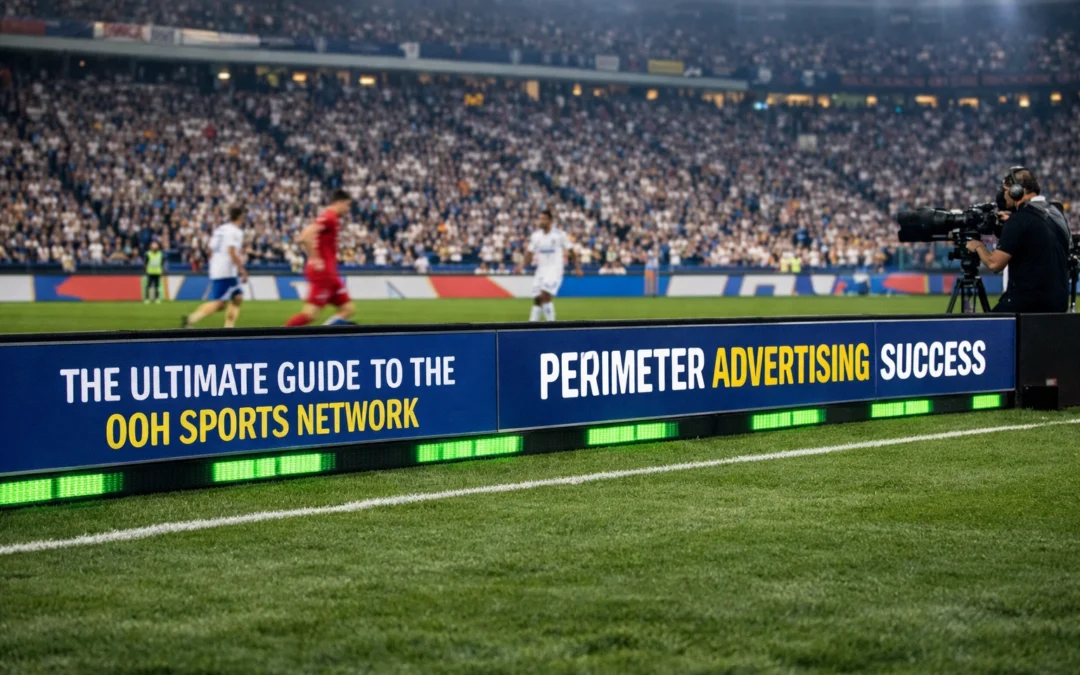
The landscape of sports marketing is undergoing a fundamental shift as digital infrastructure integrates more deeply with physical environments. OOH Sports has reached a new milestone in this evolution, announcing the expansion of its network to over 25,000 digital screens. This growth positions the network as a premier destination for brands seeking to capitalize on the high energy and captive audiences found in sports environments.
Perimeter advertising, once limited to static boards seen only by those in the front rows, has transformed into a dynamic, data-driven channel. This guide explores the strategic advantages of the OOH Sports network and provides a roadmap for media buyers and brands to execute successful campaigns.
The Strategy of Network Expansion
The expansion to 25,000 screens represents more than just a numbers increase. It signifies a strategic effort to provide comprehensive coverage across diverse sports venues and urban environments. By increasing the density of digital placements, OOH Sports allows brands to maintain a consistent presence throughout the entire fan journey.

Unlike traditional broadcast advertising, which relies on short 30 second windows, the OOH Sports network provides extended impression windows. These campaigns accumulate impressions from the moment a fan arrives at a venue until they depart. Furthermore, the physical presence of these ads in a sports context allows for a level of relevance that is difficult to replicate in other media channels.
For those interested in the broader scope of these services, the OOH Sports marketing page provides a detailed overview of current capabilities and network reach.
Objective and Strategy: The Three-Phase Approach
To succeed with perimeter advertising on the OOH Sports network, campaigns must be structured logically across the event timeline. Successful executions typically follow a three-phase strategy:
1. Pre-Game Awareness
The objective in this phase is to build anticipation and establish brand presence. Using digital billboards and transit displays, brands can reach fans during their commute to the stadium. This phase sets the stage for the primary messaging delivered inside the venue.
2. In-Game Engagement
Once the event begins, the focus shifts to real-time activation. The 25,000 screens within the network allow for dynamic creative that can respond to live game data. This might include score updates, weather-triggered messaging, or creative that reacts to specific game events.
3. Post-Game Reinforcement
The campaign does not end with the final whistle. Follow-up messaging via urban panels and digital displays in high-traffic exit areas ensures the brand remains top of mind as fans transition back to their daily routines.

Quantifiable Results: Industry Benchmarks
The effectiveness of the OOH Sports network is best illustrated through data collected from various high-profile campaigns. Recent studies have shown that out-of-home advertising in a sports context drives significant lifts in consumer behavior.
For instance, a campaign for White Claw utilized programmatic digital out-of-home (DOOH) to launch a new vodka product. The campaign resulted in a 74 percent lift in purchase consideration. Detailed findings from this execution can be found in the White Claw case study.
Similarly, AB InBev's Mike’s Hard Iced Tea saw a 119 percent lift in positive brand image by leveraging programmatic DOOH through the OOH Sports network. The full analysis is available at the Mike’s Hard Iced Tea campaign report.
Even in sectors like recreational vehicles, the impact is clear. Sea-Doo's first digital OOH campaign increased purchase consideration by 144 percent, highlighting the versatility of the sports-adjacent audience. More information is available on the Sea-Doo campaign page.
Technology Partners and Programmatic Execution
The OOH Sports network leverages advanced technology to deliver these results. By partnering with leading Demand-Side Platforms (DSPs), the network enables programmatic buying that is as flexible as online advertising.
One notable partner is StackAdapt, which has been instrumental in driving programmatic DOOH adoption. This partnership allows for sophisticated location targeting, geo-fencing, and real-time creative optimization. Brands can now bid on inventory based on specific triggers, ensuring their message is seen by the right audience at the most relevant time. Insights into this technology can be explored through the spotlight on StackAdapt.

When comparing programmatic DOOH to traditional stadium ads, the data suggests that the flexibility of digital often leads to better ROI. A detailed comparison of these two methods is available at programmatic DOOH vs traditional stadium ads.
Creative Best Practices for Digital Sportrons
To maximize the impact of the 25,000+ screens in the OOH Sports network, creative assets must be designed specifically for the sports environment. Viewers typically have an exposure window of only 3 to 7 seconds. Therefore, simplicity is essential.
Tactics for high-impact creative include:
- Use of high contrast colors to ensure visibility in various lighting conditions.
- Large, bold typography that is legible from a distance.
- Minimalist messaging that focuses on a single, clear call to action.
- Integration of QR codes or promotional codes to drive immediate digital interaction.
By following these design principles, brands can ensure their messaging is not lost in the visual noise of a crowded stadium. For more information on hardware and screen types, visit the Sportrons page.
The Future of Sports Advertising
The sports advertising market is on a significant growth trajectory. Industry projections suggest that DOOH sports advertising will hit 50 billion dollars by 2030. This growth is driven by the increasing availability of digital inventory and the ability of OOH to amplify other media channels.
Research from the OAAA indicates that OOH advertising can amplify the reach of major media channels to more than 90 percent. When a fan sees a television spot and is later exposed to a digital urban panel from the same brand, the memory structure is reinforced, leading to higher brand recall. This omnichannel approach was successfully utilized during the NYC Marathon, where brands achieved high visibility without being official sponsors. The strategy behind this can be read in the NYC Marathon case study.

Measurement and Accountability
OOH Sports prioritizes transparency and measurable outcomes. By utilizing device IDs and brand lift studies, the company provides media buyers with a clear understanding of campaign performance.
Measurement metrics often include:
- Total impressions and reach.
- Brand preference ratings.
- Lift in purchase intent.
- Foot traffic attribution to physical retail locations.
This commitment to data-driven results ensures that advertisers can justify their spend and optimize future campaigns for even greater efficiency. For those looking to understand the core principles of the organization, the about page and company policies offer comprehensive details.
Conclusion
The expansion of the OOH Sports network to over 25,000 digital screens marks a pivotal moment for perimeter advertising. By combining the emotional power of sports with the precision of programmatic technology, the network offers a unique opportunity for brands to connect with audiences in a meaningful way.
Whether the goal is to drive immediate sales or build long term brand awareness, the strategies outlined in this guide provide the foundation for success. For brands ready to explore these opportunities, the OOH Sports contact page is the first step toward a high-impact campaign.
For additional insights and updates on the evolving world of sports advertising, readers are encouraged to visit the OOH Sports blog. Detailed information regarding legal and privacy standards can be found on the privacy policy and terms of service pages.