
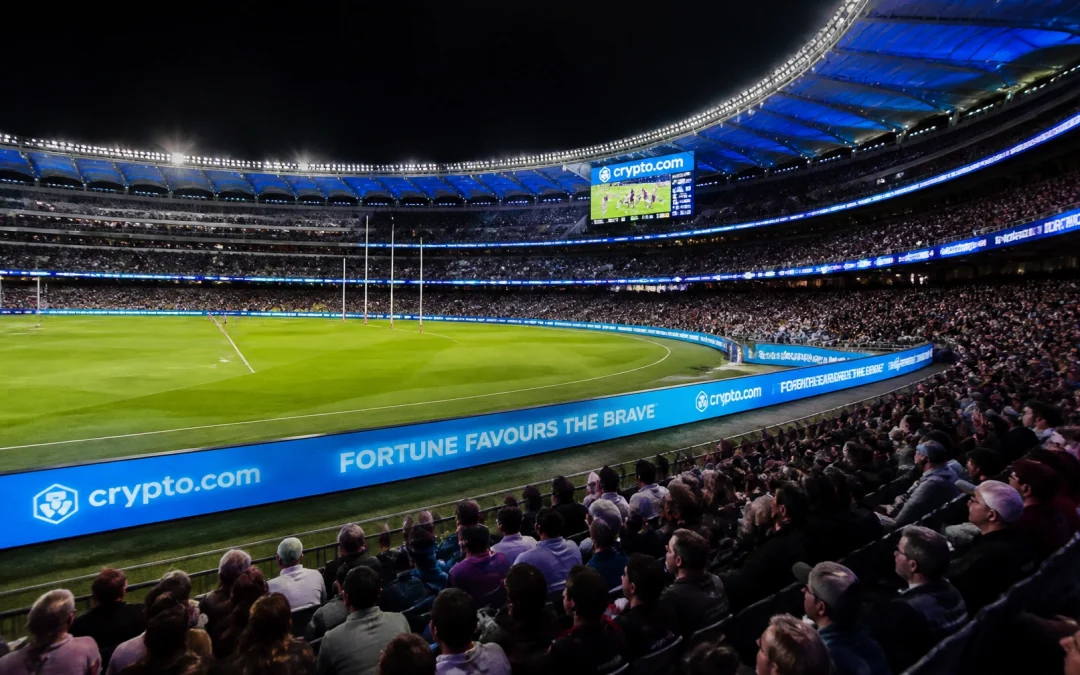
Stadium environments offer a unique ecosystem where brand messages are not merely viewed but experienced as part of a high-energy cultural event. In the competitive landscape of sports marketing, the shift from static signage to dynamic digital out-of-home (DOOH) solutions has redefined how brands interact with a captive audience. Stadium perimeter advertising, specifically through LED video boards, serves as a cornerstone for building brand resonance within the sports industry.
This strategic approach allows brand managers and chief marketing officers to bridge the gap between traditional awareness and modern interactive engagement. By positioning a brand within the immediate field of play, organizations tap into the emotional intensity of the game, ensuring that the brand is associated with the positive sentiment and excitement of live sports.
Objective and Strategy: Capturing High-Value Attention
The primary objective of stadium perimeter advertising is to secure high-visibility placement that survives the fragmented nature of modern media consumption. While television viewers may skip commercials or second-screen during breaks, perimeter ads remain visible throughout the live action, capturing attention when it is at its most concentrated.
The strategy focuses on three core pillars:
- Contextual Relevance: Aligning brand messaging with the specific rhythm of the game, such as highlighting "refuel" messaging during half-time or "celebration" content following a goal or touchdown.
- Visual Dominance: Utilizing high-brightness, wide-angle LED technology to ensure visibility from every corner of the venue and across all broadcast angles.
- Emotional Stickiness: Leveraging the "halo effect," where the brand benefits from the loyalty and trust fans have for their favorite teams and athletes.
By integrating into the physical fabric of the event, perimeter advertising circumvents the standard resistance to traditional ad formats. This leads to a more seamless brand experience that fans perceive as a natural component of the professional sports environment.

Strategic Implementation: The 10-Mile Perimeter Approach
Effective sports marketing extends beyond the physical walls of the arena. OOH Sports utilizes a strategic implementation model that targets the area within a 10-mile radius of the sports venue. This ensures a comprehensive brand presence that follows the fan journey from the moment they approach the stadium to the moment they depart.
This perimeter strategy includes:
- Pre-Game Priming: Using digital boards on transit routes and near parking structures to establish brand presence early.
- In-Stadium Saturation: Dominating the visual field during the game through perimeter LED boards and concourse displays.
- Post-Game Retargeting: Maintaining visibility on the way out, reinforcing the brand message during the post-game analysis and travel.
The implementation of programmatic DOOH platforms enables real-time updates to creative assets. This flexibility allows for rapid shifts in messaging based on live game outcomes, weather changes, or specific crowd demographics. Such agility is critical for maintaining relevance in the fast-paced sports sector.
Technology Partners and Digital Integration
The success of a perimeter advertising campaign relies heavily on the underlying technology and the network's scale. Utilizing a vast network of digital screens ensures that a campaign can achieve national reach while maintaining local relevance. High-resolution LED boards are supported by advanced backend systems that allow for seamless content synchronization and data-driven targeting.
Key technological components include:
- Real-Time Data Feeds: Boards can update instantly to reflect scores, social media interactions, or time-sensitive promotions.
- Mobile Synchronization: By using geofencing and device ID tracking, brands can retarget fans on their mobile devices who were exposed to the perimeter ads.
- Network Scale: Accessing thousands of screens across multiple markets provides the "gold standard" for sports branding, ensuring consistent delivery of the creative vision. For more information on this, see how network scale matters.
These technology-driven solutions provide a level of precision that was previously unavailable in traditional out-of-home advertising. Media planners can now view detailed analytics on impressions and engagement, allowing for continuous optimization of the creative strategy.

Enhancing Fan Engagement: From Passive to Active
Engagement in a sports context is often defined by the level of participation a fan has with a brand. Stadium perimeter advertising has evolved from a passive backdrop into an interactive gateway. When fans are emotionally invested in a match, they are more likely to interact with digital elements that enhance their experience.
The following tactics are used to drive real engagement:
- Interactive Prompts: Using QR codes or short URLs on the perimeter boards to direct fans to exclusive content, discounts, or contests.
- Social Integration: Displaying live fan tweets or photos on the boards during breaks to encourage social media participation using specific hashtags.
- Augmented Reality (AR) Triggers: Using the physical perimeter board as a marker for AR experiences that fans can unlock through their smartphones.
According to industry data, approximately 74% of consumers take a follow-up action after seeing a digital ad in a sports venue. This might include visiting a website, performing a search, or making a direct purchase. This high conversion rate highlights the effectiveness of stadium ads in moving consumers down the funnel. Brands can avoid common fan engagement mistakes by ensuring their creative is both actionable and non-disruptive.

Quantifiable Results: Measuring Impact and ROI
The effectiveness of stadium perimeter advertising is measured through a combination of brand lift studies, exposure data, and direct interaction metrics. Unlike static media, digital perimeter boards provide a wealth of data that allows CMOs to justify the marketing spend with hard evidence.
Key metrics observed in successful campaigns include:
- High Ad Recall: Studies indicate that ad recall for LED perimeter advertising is approximately 86 percent, significantly higher than the 60 percent average for traditional television advertisements.
- Brand Awareness Growth: Campaigns using premium stadium placements often see a 15 to 25 percent increase in aided brand awareness among the target audience.
- Attribution and Foot Traffic: By tracking device IDs exposed to the ads, brands can measure subsequent store visits or website conversions, providing a clear line of sight to ROI.
The integration of these metrics into a central media planning strategy ensures that every impression is accounted for and every dollar is optimized for maximum impact.
Conclusion: Strengthening the Brand Presence
Stadium perimeter advertising represents a sophisticated fusion of traditional visibility and modern digital interaction. For brand managers and creative directors, it offers a platform to reach millions of fans at their peak level of engagement. By utilizing a 10-mile perimeter strategy and leveraging the power of programmatic DOOH, brands can ensure they are not just seen, but remembered.
The evolution of the sports landscape requires a move toward innovative DOOH solutions that respect the fan experience while delivering measurable results. As technology continues to advance, the link between the action on the field and the brand on the perimeter will only grow stronger, making it an indispensable tool in the modern marketing toolkit.