
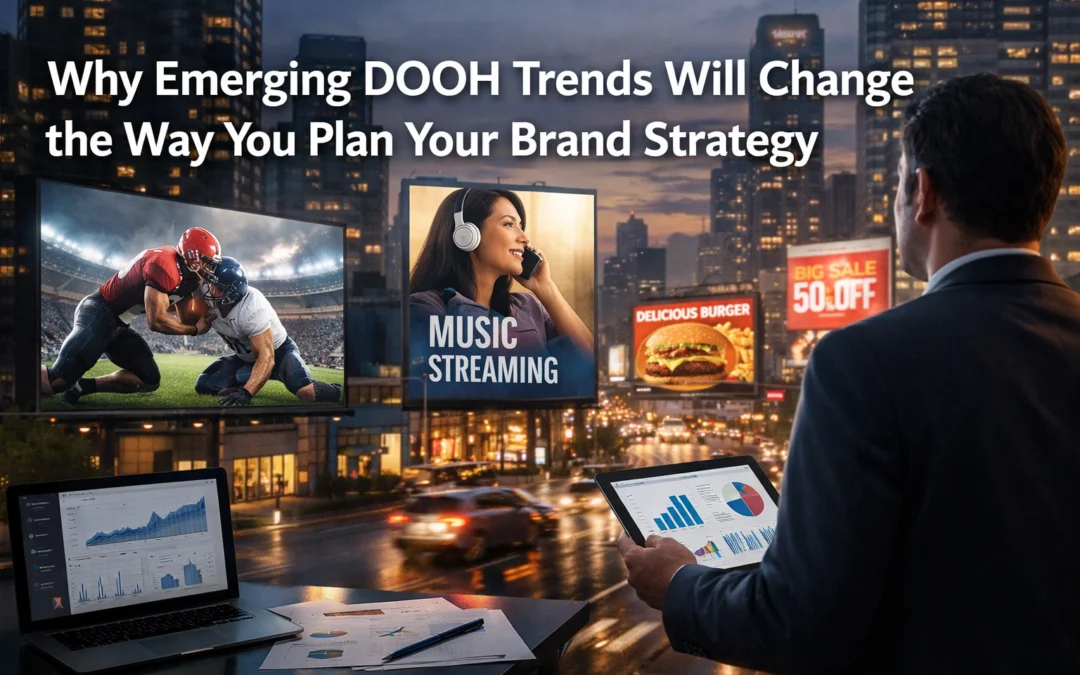
The landscape of advertising is undergoing a fundamental shift as digital out-of-home (DOOH) technology evolves from a traditional awareness tool into a high-precision, data-driven performance channel. For brand strategists and marketing planners, these emerging trends are not merely incremental improvements. They represent a complete reimagining of how a brand interacts with consumers in the physical world.
As digital saturation makes online spaces increasingly fragmented and expensive, the physical environment offers a unique opportunity for high-impact engagement. Integrating modern DOOH into a brand strategy requires a move away from isolated campaign management toward an integrated, real-time optimization approach. This shift is particularly visible in the sports advertising sector, where the combination of high-energy environments and cutting-edge technology creates unparalleled brand lift.
Automation is the New Standard in Media Planning
Programmatic buying has transitioned from an experimental tactic to the baseline for modern advertising. Programmatic digital out-of-home (pDOOH) allows brands to embed physical screen placements directly into the same digital media workflows used for search, social, and display. This alignment ensures that a brand strategy is cohesive across every touchpoint.
The automation of DOOH allows for rapid deployment and performance optimization that was previously impossible. Instead of negotiating long-term contracts for specific static boards, planners now use demand-side platforms (DSPs) to bid on inventory in real time. This flexibility enables brands to pivot strategies based on performance data or changing market conditions. For example, the adoption of specialized platforms like StackAdapt has been instrumental in driving pDOOH adoption within omnichannel campaigns.
Data-Driven Strategy Foundations
Traditional out-of-home planning relied heavily on screen location and estimated foot traffic. Modern strategies now incorporate deep audience data and real-time contextual signals. These signals include variables such as time of day, current weather, local events, and movement patterns.
By utilizing these data points, planners can shift from static, location-only thinking to dynamic optimization. In sports environments, this data-driven approach is even more impactful. A brand can trigger specific advertisements based on the progress of a game or the specific demographic attending an event. This level of relevance ensures that the messaging resonates with the audience at the exact moment of highest engagement. Strategic planners who understand how to leverage these seven strategies to capture market share are positioning their brands for long-term growth as the industry expands toward a projected 50 billion dollar market.

The Necessity of Dynamic Creative
As the technology behind the screens becomes more sophisticated, the content displayed must follow suit. Static creative assets are no longer sufficient for high-performing DOOH campaigns. Brands must now develop adaptable content that responds to contextual triggers in real time.
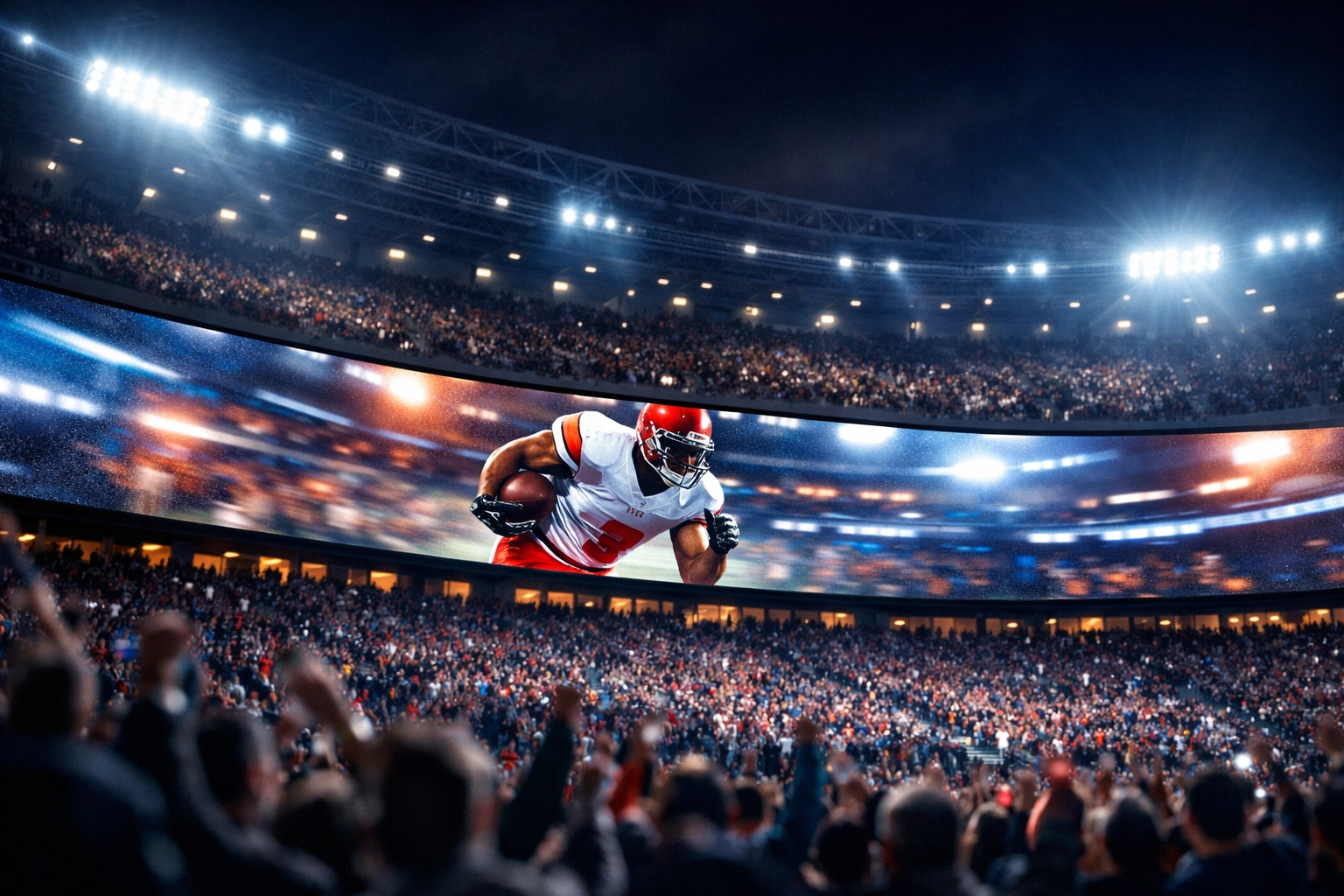
This necessity changes the creative production workflow. Instead of building a single campaign asset, creative teams develop systems and templates that can deploy multiple variations intelligently. In a sports marketing context, this might involve creative that updates live scores, highlights player statistics, or responds to the atmosphere of the stadium. This real-time relevance is a cornerstone of Sportrons, which leverage the excitement of live sports to deliver messages that feel integrated into the fan experience rather than disruptive to it.
DOOH as an Omnichannel Multiplier
One of the most significant shifts in brand strategy is the move away from treating DOOH as an isolated channel. Modern planners view it as a multiplier for the entire media mix. Research indicates that when DOOH is paired with mobile retargeting, store visitation rates can increase by up to 127%.
DOOH acts as the "anchor" for high-impact messaging. Once a consumer is exposed to a large-scale digital screen in a high-traffic environment, sequential messaging on their mobile or social feeds becomes significantly more effective. This integrated approach ensures that the brand remains top-of-mind throughout the consumer journey. For instance, campaigns for brands like Sea-Doo have demonstrated how a first-time digital OOH campaign can increase purchase consideration by 144% when integrated correctly into a broader strategy.
Generating Strategic Signals Beyond Impressions
The value of a DOOH campaign extends beyond the immediate impressions it generates. The data collected from these campaigns, such as mobility patterns and geographic lift, provides actionable intelligence that shapes other marketing efforts.
Strategists use the insights gained from physical world exposure to inform search and social targeting. If a specific geographic area shows a high response to a DOOH placement, a brand can shift more digital budget to that region to capitalize on the momentum. This transforms the channel from a simple awareness tool into a source of strategic signals that inform the entire marketing ecosystem. This methodology was particularly effective for AB InBev’s Mike’s Hard Iced Tea, which saw a 119% lift in positive brand image through a targeted programmatic approach.

Trust and Context in a Saturated Digital World
While digital platforms face challenges with ad-blocking and rising acquisition costs, DOOH maintains a high level of credibility. Because the ads appear in the physical environment, they are perceived as more trustworthy and less intrusive than mobile pop-ups or interrupted social feeds.
This inherent trust allows brands to use dynamic messaging without eroding consumer confidence. In high-stakes environments like sports betting, the ability to launch real-time campaigns that convert quickly is essential. Brands that utilize real-time sports betting DOOH campaigns can capitalize on immediate fan sentiment while maintaining the professional image provided by premium screen placements.
Evolution of Measurement and Conversion
The final piece of the strategy shift involves the mechanics of measurement. Modern DOOH strategy includes clear calls-to-action that bridge the gap between physical exposure and digital engagement. The use of unique URLs, QR codes, and sequential messaging allows planners to track attribution pathways with high precision.
Measuring the impact of a campaign now involves looking at brand lift studies, device IDs exposed, and actual conversion data rather than just estimated "eyes on" counts. This focus on measurable outcomes is what allows brands like White Claw to achieve a 74% lift in purchase consideration for new product launches. By analyzing case studies, it becomes clear that the most successful strategies are those that treat DOOH as a performance-driven engine.

Strategic Imperatives for the Future
As brand strategy continues to evolve, the integration of DOOH will become a requirement rather than an option. The ability to combine the scale of traditional out-of-home with the precision of digital targeting offers a competitive advantage that is difficult to replicate.
To stay ahead, brand planners should focus on three primary pillars:
- Integration: Remove the silos between digital and physical media teams to ensure a unified omnichannel approach.
- Dynamic Content: Invest in creative systems that allow for real-time adjustments based on environmental and audience triggers.
- Advanced Analytics: Move toward attribution models that connect physical screen exposure to digital and in-store actions.
By embracing these trends, brands can navigate a crowded advertising landscape and build meaningful connections with their audiences in the moments that matter most. The evolution of DOOH is not just about the screens. It is about the intelligence and strategy behind them. For those looking to refine their approach, exploring the differences between programmatic DOOH and traditional stadium ads is a critical step in determining the best path for ROI.
The future of brand strategy is one where the physical and digital worlds are seamlessly connected. Emerging DOOH trends are the bridge that makes this connection possible. As these technologies continue to mature, the brands that have already integrated these capabilities into their core strategy will be the ones leading the market. For more information on how to navigate this shifting landscape, interested parties can explore the OOH Sports blog for continued insights and industry updates.