
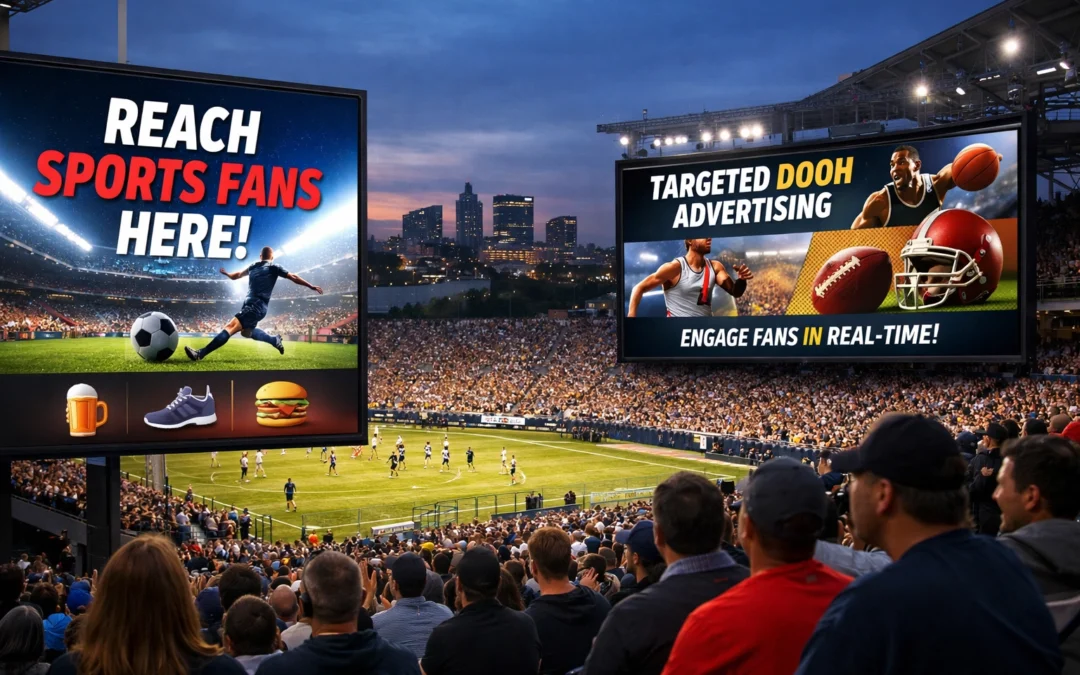
The landscape of sports marketing is undergoing a fundamental shift. Traditional methods, such as static stadium signage and standard television commercials, are being supplemented or replaced by highly sophisticated Digital Out-Of-Home (DOOH) strategies. This evolution is driven by the need for brand managers and media buyers to find more efficient ways to engage with fans who are increasingly fragmented across different media platforms. Sports DOOH innovation offers a solution that combines the scale of traditional outdoor advertising with the precision and flexibility of digital marketing.
By leveraging real-time data, programmatic buying, and advanced screen technology, advertisers can now reach fans at every stage of their journey. This transition from broad, static messaging to contextually relevant, dynamic content is changing how brands perceive the value of sports-related media.
The Strategic Shift to Programmatic Precision
The introduction of programmatic technology into the outdoor advertising space has redefined how inventory is purchased and managed. In the past, buying a billboard near a stadium involved long-term contracts and static creative that remained unchanged for weeks or months. Today, programmatic DOOH allows for a more fluid approach. Media buyers can now purchase placements based on specific triggers, such as time of day, weather conditions, or live sporting events.
This level of precision ensures that marketing budgets are allocated toward the most impactful moments. For example, a brand promoting a refreshing beverage can increase its ad frequency on digital screens when the temperature exceeds a certain threshold near a ballpark. This automated, data-driven methodology minimizes waste and maximizes the relevance of the message to the consumer. The ability to pause, pivot, or scale campaigns in real time provides a level of agility that was previously unavailable in the outdoor medium.

Real-Time Responsiveness and Game-Day Triggers
One of the most significant innovations in sports DOOH is the ability to react to live game dynamics. Fans are emotionally invested in the outcome of matches, and brands that can tap into these emotions in real time see higher engagement levels. Modern DOOH platforms can integrate live data feeds to update creative content instantly based on what is happening on the field.
If a home team scores a touchdown or wins a championship, digital screens in the surrounding city can immediately display celebratory messages. This responsiveness creates a sense of community and alignment between the brand and the fan base. Conversely, countdown clocks leading up to a major kickoff can build anticipation and drive traffic to nearby retail locations or sports bars. By utilizing these real-time triggers, advertisers move beyond being mere observers of the game and become active participants in the fan experience.

Reaching the Routine, Not Just the Arena
A common misconception in sports marketing is that the target audience is only found inside the stadium. In reality, the vast majority of sports fans are not in the stands on any given game day. Research indicates that a significant percentage of fan attention exists outside the venue walls, within the daily routines of the audience. Innovation in DOOH allows brands to capture this attention as fans commute to work, visit the gym, or shop at local retailers.
OOH Sports focuses on this "routine-based strategy" by placing high-impact digital displays in areas where fans spend their time before and after the game. This approach transforms sports marketing from a location-based stadium buy into a comprehensive journey-based campaign. By targeting fans in transit hubs, city centers, and near points of interest, brands can maintain a consistent presence that reinforces their message throughout the day. This strategy is detailed further on the OOH Sports marketing page, which outlines how routine-based targeting enhances brand recall.
Solving the Dilemma of Unreachable Audiences
The rise of ad-free streaming services and cord-cutting has created a challenge for traditional sports broadcasters. A growing segment of the population is becoming difficult to reach through standard television spots. However, these same individuals are highly active in the physical world. Studies have shown that OOH advertising effectively reaches these "unreachable" audiences, often outperforming Connected TV (CTV) and traditional digital channels in terms of reach and frequency.
For sports advertisers, this is a critical advantage. Even fans who watch games via pirate streams or ad-free platforms must eventually leave their homes. DOOH bridges the gap, ensuring that a brand's message is seen by high-affinity audiences regardless of their media consumption habits. This capability makes DOOH a vital component of any omnichannel strategy, providing a reliable touchpoint in an increasingly fragmented digital world.

Technology and Infrastructure: The Sportron Advantage
The physical technology used in DOOH has also seen significant advancements. OOH Sports utilizes specialized units known as Sportrons to deliver high-quality, high-visibility content in key environments. These units are designed to capture attention in high-traffic areas, offering superior brightness and clarity that ensure the creative message stands out even in direct sunlight.
The infrastructure behind these screens allows for seamless integration with various Demand-Side Platforms (DSPs), making it easier for media buyers to incorporate outdoor screens into their existing digital workflows. This technical compatibility is a key driver in the adoption of DOOH for sports-centric campaigns. More information on these specialized units can be found at the Sportrons section of the website. The combination of high-end hardware and sophisticated software allows for the execution of complex, multi-layered campaigns that were once thought impossible for outdoor media.
The Priming Effect and Omnichannel Reinforcement
Innovation in DOOH is not just about the screens themselves, it is about how those screens interact with other media channels. There is a documented "priming effect" that occurs when a consumer sees an advertisement across multiple formats. For instance, if a fan sees a long-form commercial during a sports broadcast and then encounters a shorter, high-impact version of that same ad on a digital street panel the next morning, the brand's memory structure is significantly strengthened.
This cross-channel reinforcement makes every advertising dollar work harder. The DOOH placement acts as a physical reminder of the digital or broadcast message, moving the consumer further down the purchase funnel. By aligning the timing and creative elements of DOOH with social media and streaming campaigns, brand managers can create a unified brand experience that feels omnipresent to the target fan.

Measurable Outcomes and Attribution Frameworks
Historically, the primary criticism of outdoor advertising was the difficulty of measuring its direct impact on sales or foot traffic. Modern DOOH innovation has addressed this concern through advanced attribution frameworks. Advertisers can now use mobile location data to track how many people who were exposed to a digital screen subsequently visited a retail location or a specific stadium.
These measurement tools provide performance marketers with the data needed to justify spend and optimize future campaigns. Brand lift studies, purchase consideration metrics, and foot traffic analysis are now standard components of a DOOH campaign report. By reviewing case studies, media buyers can see how these attribution models are applied to real-world sports marketing scenarios. This transparency and accountability bring DOOH in line with other digital performance channels, making it a more attractive option for data-driven brands.
Strategy for Implementation
For brand managers looking to capitalize on these innovations, the process involves several key steps:
- Identify High-Affinity Locations: Use data to determine where fans are located outside the stadium, such as specific transit routes or entertainment districts.
- Define Real-Time Triggers: Establish which game-day events or environmental factors should trigger specific creative versions.
- Integrate with Digital Workflows: Use programmatic platforms to buy DOOH inventory alongside other digital assets for a cohesive strategy.
- Measure and Optimize: Utilize attribution tools to monitor foot traffic and brand lift, adjusting the campaign as needed to maximize ROI.
This logical progression ensures that the innovative features of DOOH are used effectively to meet specific business objectives.
A New Standard for Sports Media Buyers
The innovation within the sports DOOH sector has moved the medium from a secondary consideration to a primary strategic asset. The ability to reach fans through a routine-based strategy, coupled with the power of real-time data and programmatic precision, offers a level of engagement that traditional media cannot match. As technology continues to evolve, the gap between the physical and digital worlds will continue to shrink, providing even more opportunities for creative and impactful sports marketing.
For those interested in exploring how these strategies can be applied to specific brands, visiting the about page or reaching out via the contact page is a logical next step in the planning process. The future of fan targeting is not just digital, it is out-of-home, data-driven, and contextually relevant.