
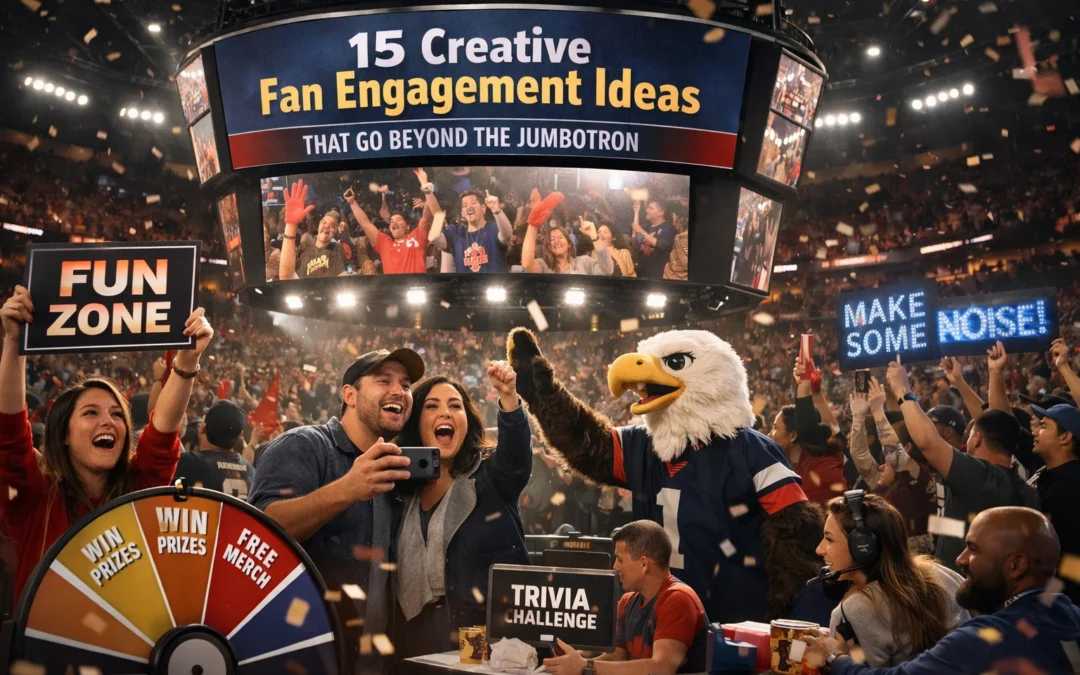
Stadium environments offer a unique marketing opportunity because they capture a captive audience in a high emotion state. For decades, the Jumbotron was the primary focal point for digital engagement, but the landscape of sports marketing is shifting. Creative directors and CMOs are now looking for ways to extend the brand experience beyond a single screen during a timeout. This shift is driven by the rise of programmatic digital out of home (DOOH) and the realization that fan engagement happens at every touchpoint, from the parking lot to the perimeter of the field.
Modern sports marketing requires a holistic approach. It is no longer enough to run a single 30 second spot on the big screen and hope for the best. Instead, successful campaigns integrate physical activations, mobile technology, and perimeter advertising to create a 360 degree experience. By leveraging the power of OOH Sports, brands can maintain a consistent presence that resonates with fans long after the final whistle.
The Strategy of Perimeter and Surround Branding
Traditional stadium sponsorships often suffer from fragmentation. A brand might have a sign on the concourse, a logo on a cup, and a mention on the PA system. However, these elements rarely work in sync. The modern strategy focuses on perimeter targeting, which involves placing digital displays and physical activations in high traffic zones where fans naturally congregate. This includes entry gates, walkways, and seating bowl perimeters.
By using programmatic DOOH, marketers can synchronize their messaging across thousands of screens. This ensures that a fan sees the same brand story as they enter the stadium, buy a drink, and find their seat. This level of consistency builds brand recall and drives purchase consideration.

Physical and Experiential Activations
Physical activations remain a cornerstone of fan engagement because they provide something a screen cannot: a tangible experience.
1. Custom Mascot Inflatables and Photo Zones
The entry process into a stadium can often be a bottleneck. Brands can transform these ingress spaces into fan zones by installing large scale mascot inflatables or branded arches. These structures serve as natural meeting points and photo backdrops. When fans take photos with these inflatables and share them on social media, they become organic brand ambassadors.
2. Inflatable Player Entrance Tunnels
There is a specific thrill associated with the moment athletes take the field. Replicating this experience for fans through inflatable tunnels creates a ceremonial atmosphere. These tunnels allow families to experience a version of the big league entrance, providing a memorable moment that is highly shareable on visual platforms.
3. Iconic Trophy or Symbol Replicas
Sports culture is built on history and symbols. Placing high quality replicas of championship trophies or iconic team symbols in high traffic areas encourages fans to interact with the brand without any forced prompting. These items act as magnets for engagement, particularly in areas where fans are already waiting in line.
4. Oversized Foam Props
Scale is an effective tool for capturing attention. Comically oversized foam reproductions of products, such as giant footballs or branded beverage bottles, serve as interactive set pieces. These props invite fans to play and pose, creating a lighthearted connection with the brand.
5. Interactive Skill Challenges
Gamification is a powerful motivator. Setting up speed pitch challenges with radar guns, soccer skill stations, or football throwing drills allows fans to test their own abilities. When these challenges are integrated with digital leaderboards on perimeter screens, it creates a sense of competition that keeps fans engaged during pre game and halftime periods.

Technology Enhanced Experiences
As digital native generations become the primary audience for sports, technology must be woven into the stadium fabric.
6. AR Stadium Filters and Digital Activations
Augmented Reality (AR) allows brands to overlay digital content onto the physical world. By deploying stadium specific AR filters on social platforms or team apps, brands can allow fans to interact with virtual players or branded elements. This technology turns a smartphone into a window for immersive sponsor content.
7. Wearable Tech Light Shows
Coordinating the crowd is a difficult task, but wearable technology like synced LED wristbands makes it possible. These devices can be programmed to flash in specific colors during key moments, such as the national anthem or a home team score. This creates a visually stunning environment that is as impactful for the fans in the seats as it is for the viewers watching on television.
8. Virtual Reality Stadium Experiences
Virtual Reality (VR) can transport a fan into spaces they usually cannot access. Offering VR headsets that provide a virtual seat preview from the perspective of a star player or a 360 degree tour of the team museum provides a level of exclusivity that fans value.
9. Team Specific Mobile Apps
A dedicated app serves as the digital hub for the fan experience. Integrating real time stats, mobile ticketing, and exclusive behind the scenes content ensures the app is used throughout the game. Brands that sponsor specific app features, such as the "Player of the Game" vote, gain direct access to a highly engaged user base.

Community and Content Driven Engagement
Fostering a sense of community is essential for long term brand loyalty.
10. Personalized Video Messages from Players
Digital screens can be used to broadcast surprise video messages from players. These might include shoutouts to fans in specific sections or personalized announcements for contest winners. This creates a direct emotional connection between the athletes and the audience.
11. User Generated Content Campaigns
Encouraging fans to use specific hashtags when posting their game day photos allows brands to curate and display user generated content (UGC). Sharing this content on perimeter digital displays validates the fan experience and creates a sense of belonging within the team community.
12. Live Social Media Interaction
Hosting real time polls and Q&A sessions during the game keeps the conversation flowing. When fan responses are displayed on digital screens throughout the stadium, it shows that the brand and the team are listening and reacting to the crowd in real time.
13. Short Form Video Challenges
Platforms like TikTok have changed how content is consumed. Creating short form video challenges, such as a specific dance or a skill trick, encourages fans to create their own content. These challenges can be promoted on stadium screens to drive massive organic reach.
In Person Community Events
Engagement should not be limited to the duration of the game.
14. Player Meet and Greets and Pep Rallies
Organizing autograph sessions and pre game rallies provides the face to face interaction that fans crave. These events, often held in the stadium perimeter or nearby plazas, build momentum and excitement before the gates even open.
15. Specialty Entertainment and Exhibitions
The stadium atmosphere is enhanced by variety. Featuring local musicians, pre game art galleries, or unique food experiences ensures that the event feels like a complete cultural experience. Brands that facilitate these unique moments are seen as contributors to the fan experience rather than just advertisers.

Objective and Strategy: Why Perimeter DOOH Works
The core objective of these engagement ideas is to maximize brand lift and purchase consideration. Traditional stadium ads can be static and easy to ignore. However, programmatic DOOH in sports allows for dynamic, real time updates.
By targeting the perimeter, marketers capture the "commuter" moments of the fan journey. Fans are most receptive to messaging when they are moving through the concourse or waiting in line for concessions. During these times, their primary focus is not on the field, making the perimeter screens the most valuable real estate in the building.
Strategic execution involves using data to trigger ads based on game events. If the home team scores, the entire digital perimeter can flip to a celebratory brand message. This synchronization of environment and emotion is what drives results.
Technology Partners and Execution
Successful execution requires a robust technological foundation. Using specialized Demand Side Platforms (DSPs), such as StackAdapt, allows media planners to buy stadium inventory with the same precision as digital web ads.
This technology enables:
- Geofencing around specific stadium coordinates.
- Retargeting fans on their mobile devices after they leave the stadium.
- Attribution modeling to track how stadium exposure leads to online or in store purchases.
By avoiding common mistakes in sports DOOH, brands can ensure their creative is optimized for the specific viewing distances and lighting conditions of the stadium environment.
Measured Results and Brand Impact
The effectiveness of these strategies is backed by significant data. In a programmatic DOOH campaign for Mike's Hard Iced Tea, the brand saw a 119% lift in positive brand image. This was achieved by using real time triggers and high impact digital placements that resonated with the sports audience.
Similarly, White Claw utilized DOOH to launch a new vodka line, resulting in a 74% lift in purchase consideration. These results demonstrate that when branding is integrated into the fan experience, it moves from being a background element to a primary driver of consumer behavior.
The power of stadium perimeter advertising lies in its ability to be omnipresent without being intrusive. When combined with creative fan engagement ideas, it transforms the stadium into an interactive playground where the brand is an essential part of the fun. For CMOs and creative directors, the goal is clear: move beyond the Jumbotron and own the entire fan journey.