
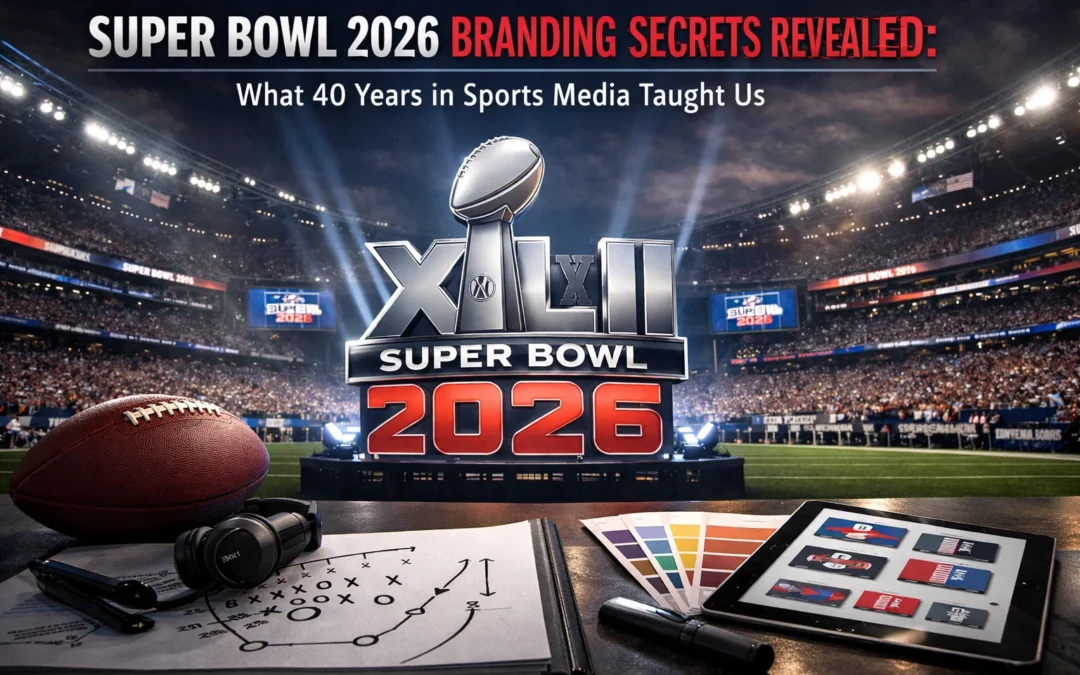
The Super Bowl remains the ultimate frontier for brand visibility, and the 2026 iteration proved to be the most sophisticated display of marketing coordination in sports history. Success in this arena is no longer defined by a single television spot. Instead, it is the result of a cultural ecosystem that blends physical presence, digital precision, and long term strategic planning. With four decades of experience in the sports media landscape, OOH Sports has observed the transition from simple stadium signage to a fully integrated, venue wide branding experience.
Analyzing the strategies used during Super Bowl 2026 reveals that the most effective campaigns treated the stadium and the surrounding city as a cohesive canvas. From the floors of the concourses to the massive digital billboards overlooking the host city, every square inch of available space was utilized to build brand narratives.
The Evolution of 40 Years in Sports Media
In the mid 1980s, sports advertising was largely static. Brands relied on fixed signage and print programs to reach fans. Fast forward 40 years, and the landscape has undergone a radical transformation. The shift from traditional analog displays to programmatic digital out of home (DOOH) has allowed brands to be more agile, data driven, and impactful.
Today, the goal is total immersion. This 40 year journey has taught industry leaders that the physical environment is just as important as the digital one. When a fan enters a stadium, they are entering a controlled environment where every visual touchpoint can be synchronized. OOH Sports has led this charge by evolving with the technology, moving from basic placements to sophisticated Sportrons and interactive floor graphics that guide the consumer journey from the parking lot to their seat.

Venue Wide Coverage: From Floors to Billboards
The hallmark of the 2026 branding season was the concept of "floors to billboards" coverage. This strategy ensures that a brand is never out of sight, regardless of where a fan looks.
Floor Graphics and Wayfinding
Successful brands in 2026 utilized floor graphics not just for logos, but for functional wayfinding. By integrating brand messaging into the very paths fans walk, companies like Nike and Pepsi created a sense of omnipresence. These graphics are durable, high impact, and occupy "unclaimed" visual territory, making them highly effective for cutting through the noise of a crowded stadium.
Digital Billboards and Programmatic DOOH
The use of digital billboards reached a peak in 2026. Through programmatic DOOH, advertisers were able to change creative in real time based on game events, weather, or crowd sentiment. This level of flexibility is what separates modern leaders from those still stuck in the old ways of static buying. For more on the scale of this industry, refer to how DOOH sports advertising is projected to hit $50 billion by 2030.
The Power of Full Venue Immersion
Below is a visual representation of how venue wide branding creates a seamless experience for the audience.
https://www.youtube.com/watch?v=l6J-0zileKE
Core Branding Themes of Super Bowl 2026
The research into 2026's most successful campaigns highlights four distinct themes that resonated with the global audience. These themes were not chosen at random, they were the result of analyzing decades of consumer behavior.
1. AI Positioned as Helpful and Human
Artificial Intelligence was a dominant force in 2026, but the brands that won were those that made the technology approachable. Rather than focusing on technical jargon, campaigns showed how AI could simplify the fan experience, such as real time stadium navigation or personalized concession recommendations. By presenting AI as a tool for connection rather than just a buzzword, brands built deeper trust with their audience.
2. Strategic Use of Nostalgia
Nostalgia served as a bridge between generations. Successful advertisers used historical references to create an emotional anchor for older fans while introducing classic brand elements to younger viewers in a fresh way. This multi generational appeal ensured that the message was relevant to everyone in the room, or at the watch party.
3. Humor and Self Awareness
The days of overly polished, corporate perfection are fading. The 2026 Super Bowl featured campaigns that were self aware and often humorous. Brands that didn't take themselves too seriously and acknowledged their place in pop culture were rewarded with higher engagement rates on social media.
4. Emotional Storytelling and Togetherness
In an era of media fragmentation, the Super Bowl remains one of the few times the world watches the same thing at the same time. Campaigns that leaned into themes of human connection, perseverance, and belonging achieved significant brand affinity. These stories were often told through large scale OOH installations that acted as backdrops for social media content.

The Multi Platform Shift: Beyond the 30 Second Spot
The most significant takeaway from 40 years of sports media leadership is that the game is no longer a three hour event. It is a three week activation. The 2026 winners began their campaigns long before kickoff and maintained momentum well after the final whistle.
Extended Activation Windows
Data shows that brands maintaining a presence for three weeks prior to the game and continuing engagement post game saw view rates of 56 to 70 percent. This extended window is crucial for maximizing ROI. Programmatic DOOH allows for this sustained presence by adjusting the frequency and creative of ads as the event approaches.
Integrating OOH with Social and Influencer Content
Super Bowl viewers now experience the game through short form video on platforms like YouTube, TikTok, and Meta. Brands that integrated their physical OOH presence with digital influencers saw the highest returns. For instance, the Dairy Queen "Taylor and Swift" campaign used cultural awareness to pair prominent athletes with its menu items, sparking massive social media conversation. This synergy between physical billboards and digital feeds is a core component of the OOH Sports marketing strategy.

Strategic Principles for Maximum Impact
To achieve success on the level seen in 2026, brands must adhere to several key principles derived from decades of industry data.
- Authenticity Over Perfection: Modern audiences value clarity and emotion over high budget overproduction. A message that feels "real" will always outperform one that feels manufactured.
- Real Time Engagement: Brands must set aside dedicated budgets and teams for real time social and OOH engagement. Responding to a specific play or a viral moment within minutes is now a requirement for relevance.
- Community Positioning: Rather than treating viewers as mere consumers, successful brands position themselves as partners in the fan experience. This is often achieved through interactive venue branding and community focused messaging.
- Data Driven Placement: Utilizing device ID data and attribution modeling allows brands to see exactly who is interacting with their OOH placements and how that translates to sales.
Measurable Results and ROI
The shift toward programmatic DOOH has made it easier to quantify the success of sports marketing campaigns. When comparing programmatic DOOH to traditional stadium ads, the ability to track brand lift and purchase consideration is a game changer. Previous studies have shown that well executed campaigns can see significant lifts. For example, Nike’s unofficial presence at major events has demonstrated how strategic OOH can dominate the conversation even without an official sponsorship.
In 2026, the use of omnichannel campaigns became the standard. By utilizing platforms like the StackAdapt DSP, brands were able to synchronize their OOH displays with mobile retargeting, ensuring that a fan who saw a billboard near the stadium also saw a relevant ad on their phone later that day.

Conclusion: The Future of Sports Branding
Super Bowl 2026 was a masterclass in how 40 years of experience can be distilled into a modern, tech forward marketing strategy. The combination of venue wide physical branding, from floors to billboards, and the strategic use of AI and nostalgia created a blueprint for future events.
As we look toward the next decade, the principles of authenticity, multi platform integration, and real time engagement will continue to define the leaders in the space. For companies looking to replicate this success, the lessons are clear. Focus on the ecosystem, utilize the latest in programmatic technology, and never underestimate the power of a well placed physical ad in a digital world.
For more insights into successful sports marketing executions, explore the OOH Sports case studies or read about how programmatic DOOH delivers better ROI than traditional ads.