
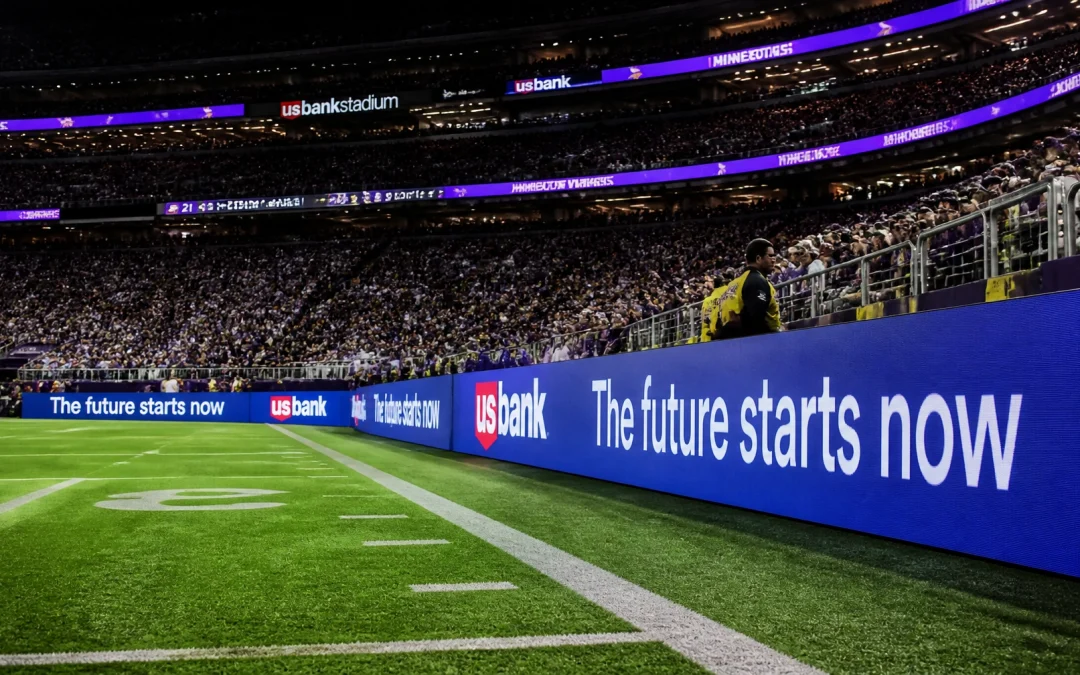
Fan engagement is the core objective of sports marketing. When a stadium is filled with thousands of passionate individuals, the opportunity to build brand affinity is immense. However, many brands fail to translate this raw energy into measurable marketing outcomes. Traditional stadium advertising often falls into the trap of becoming background noise, ignored by fans who are focused on the field of play.
Effective fan engagement requires more than a logo on a scoreboard. It demands a strategic approach that spans the entire fan journey, leveraging technology to deliver relevant, timely, and interactive messages. This article explores seven common mistakes in fan engagement and how the strategic use of perimeter advertising and digital out-of-home (DOOH) networks can rectify them.
1. Limiting the Strategy to the Venue Interior
One of the most frequent errors in sports marketing is the narrow focus on the interior of the stadium. While the in-game experience is critical, fan engagement begins hours before the first whistle and continues long after the game ends. Brands that only occupy space inside the arena miss the opportunity to reach fans during the high-intent period of their commute and pre-game activities.
A perimeter-based strategy fixes this by extending the brand’s presence to a 10-mile radius around the sports venue. By utilizing digital screens in bars, transit hubs, and retail locations near the stadium, a brand can build a narrative that culminates in the stadium experience. This creates a cohesive brand story that surrounds the fan, making the eventual in-stadium ad feel like a natural continuation of the conversation rather than an isolated interruption.
2. Relying on Static and Stale Creative
Many organizations upload a single creative asset at the beginning of a season and leave it unchanged for months. In a dynamic environment like a live sporting event, static messaging quickly becomes "wallpaper." Fans subconsciously filter out repetitive images that do not offer new information or visual stimulation.
Digital perimeter boards allow for dynamic creative optimization. Creative directors can rotate multiple versions of an ad, testing different slogans, color palettes, or calls to action. This prevents creative fatigue and ensures that the brand remains a focal point of the visual landscape throughout the season.

3. Delivering Generic, One-Size-Fits-All Messages
A common mistake is treating all fans as a single demographic. A corporate season ticket holder in a luxury suite has different interests and purchasing habits than a college student in the bleachers. Sending the same generic message to both groups results in lower engagement rates for each.
Through programmatic DOOH technology, advertisers can tailor messages based on data-driven audience segments. By analyzing foot traffic and mobile device IDs, brands can determine the density of specific demographics around a venue and adjust the perimeter board content accordingly. This level of precision ensures that a high-end luxury brand is shown when the audience profile matches its target, while a consumer-packaged good (CPG) brand takes priority when the broader fan base is most active.
4. Ignoring the Gap Between Physical and Digital
High-impact stadium ads are often disconnected from the fan’s digital life. If a fan sees a compelling ad on a perimeter board but has no way to interact with it, the engagement ends the moment they look away. Failing to bridge the gap between the physical screen and the smartphone in the fan’s pocket is a major missed opportunity.
Modern perimeter advertising incorporates interactive elements such as QR codes, "scan-to-win" prompts, and social media hashtags. This allows a brand to move a fan from a passive impression to a measurable digital interaction. When a fan scans a code on a digital board to unlock a discount or enter a contest, the brand gains a direct channel for future marketing efforts.

5. Poor Timing and Lack of Contextual Relevance
In sports, context is everything. A brand advertising a celebratory beverage during a blowout loss for the home team can come across as tone-deaf. Many campaigns fail because they are scheduled on a fixed loop, regardless of what is happening on the field or in the world at large.
The flexibility of digital perimeter boards allows for real-time adjustments based on game events. For instance, a food brand could trigger an "order now" promotion during a timeout or halftime. Conversely, a ride-share service can increase its visibility on perimeter boards in the 10-mile radius as the game enters the final minutes. Aligning the message with the fan’s immediate needs and emotional state significantly increases the likelihood of a conversion.
6. Over-Commercialization Without Value Addition
Clutter is the enemy of engagement. When a stadium is overloaded with competing logos and scrolling tickers, the fan experience can feel transactional rather than experiential. If an ad does not provide value or enhance the atmosphere, it is perceived as an annoyance.
Successful brands use perimeter advertising to add value to the fan experience. This could involve displaying live scores from other games, providing weather updates for the commute home, or offering exclusive stadium-only discounts. By being helpful or informative, the brand earns the fan’s attention and creates a positive brand association that outlasts the game.
7. Treating Out-of-Home as an Unmeasurable Channel
Perhaps the most significant mistake is the belief that OOH advertising cannot be measured with the same rigor as digital display or search. This outdated view leads to underinvestment in a channel that actually offers sophisticated attribution modeling.
By using programmatic DOOH platforms, brands can track exposure and tie it to real-world outcomes. Through brand lift studies and device ID tracking, it is possible to measure purchase intent, foot traffic to retail locations, and online conversion rates. Treating perimeter ads as a data-driven channel allows CMOs to justify their spend and optimize their campaigns based on performance rather than intuition.

Strategy: The OOH Sports Approach
OOH Sports utilizes a proprietary network to target the perimeter of sports venues across the United States. The strategy focuses on reaching the highly engaged sports fan within a 10-mile radius of the arena. This approach acknowledges that the fan's journey is not confined to their seat but includes their movements through the surrounding city.
The execution of these campaigns involves a multi-layered targeting process. By identifying key "hot zones" where fans congregate, such as transit stations and popular dining areas, brands can maximize their share of voice when it matters most. This perimeter-first strategy ensures that the brand message is reinforced multiple times throughout the day.
Technology Partners and Integration
To provide a seamless buying experience, OOH Sports collaborates with leading Demand-Side Platforms (DSPs) to offer programmatic access to its digital inventory. This integration allows media buyers to plan and execute stadium-focused campaigns alongside their other digital channels, ensuring a unified omnichannel presence.
Key technologies utilized include:
- Geofencing: Setting virtual boundaries around venues to trigger specific ad content.
- Retargeting: Collecting device IDs of exposed fans to serve follow-up ads on their mobile devices.
- Dynamic Creative: Automating ad updates based on live data feeds, such as weather or game scores.
Results and Measurable Impact
Data from recent campaigns demonstrates the effectiveness of a perimeter-based digital OOH strategy. When brands move away from traditional static placements and toward a more dynamic, targeted approach, the results are significant.
- Purchase Consideration: A campaign for White Claw’s vodka launch utilized programmatic DOOH to target fans near key venues, resulting in a 74% lift in purchase consideration.
- Brand Perception: Mike’s Hard Iced Tea saw a 119% lift in positive brand image by aligning its messaging with the high-energy environment of sports fan clusters.
- Product Awareness: Sea-Doo achieved a 144% increase in purchase consideration by reaching target demographics during their journey to and from recreational sporting events.
Conclusion
Fan engagement is an evolving discipline that requires brands to be as agile and passionate as the fans they are targeting. By avoiding common pitfalls: such as static creative, narrow venue focus, and a lack of data integration: brands can unlock the full potential of sports marketing. Perimeter advertising and digital out-of-home networks provide the flexibility and scale needed to turn a stadium full of spectators into a community of brand advocates.
Through strategic planning and the use of modern case study insights, advertisers can ensure their message is seen, heard, and acted upon, both inside the arena and throughout the 10-mile radius that surrounds it.