

Sports marketing is no longer confined to the four walls of a stadium. The modern fan experience happens in the car on the way to the game, at the local sports bar with friends, and on the street corner while checking scores on a phone. For brands looking to make a lasting impression, Digital Out-of-Home (DOOH) advertising has become the bridge between these physical and digital worlds.
The landscape of advertising is shifting rapidly. Static billboards are being replaced by dynamic, data-driven screens that react to the world in real-time. As the industry moves toward a future where DOOH sports advertising is projected to reach massive heights, staying ahead of the curve is essential for any brand that wants to win the attention of the modern athlete and fan.
Here are five key industry insights into how DOOH is transforming fan engagement and how brands can leverage these trends for maximum impact.
1. Capture Fans Throughout the Entire Journey
The biggest mistake a brand can make is assuming that fan engagement only happens during the three hours of a game. Real connection happens during the "fan journey," which starts hours before the first whistle and continues long after the final buzzer.
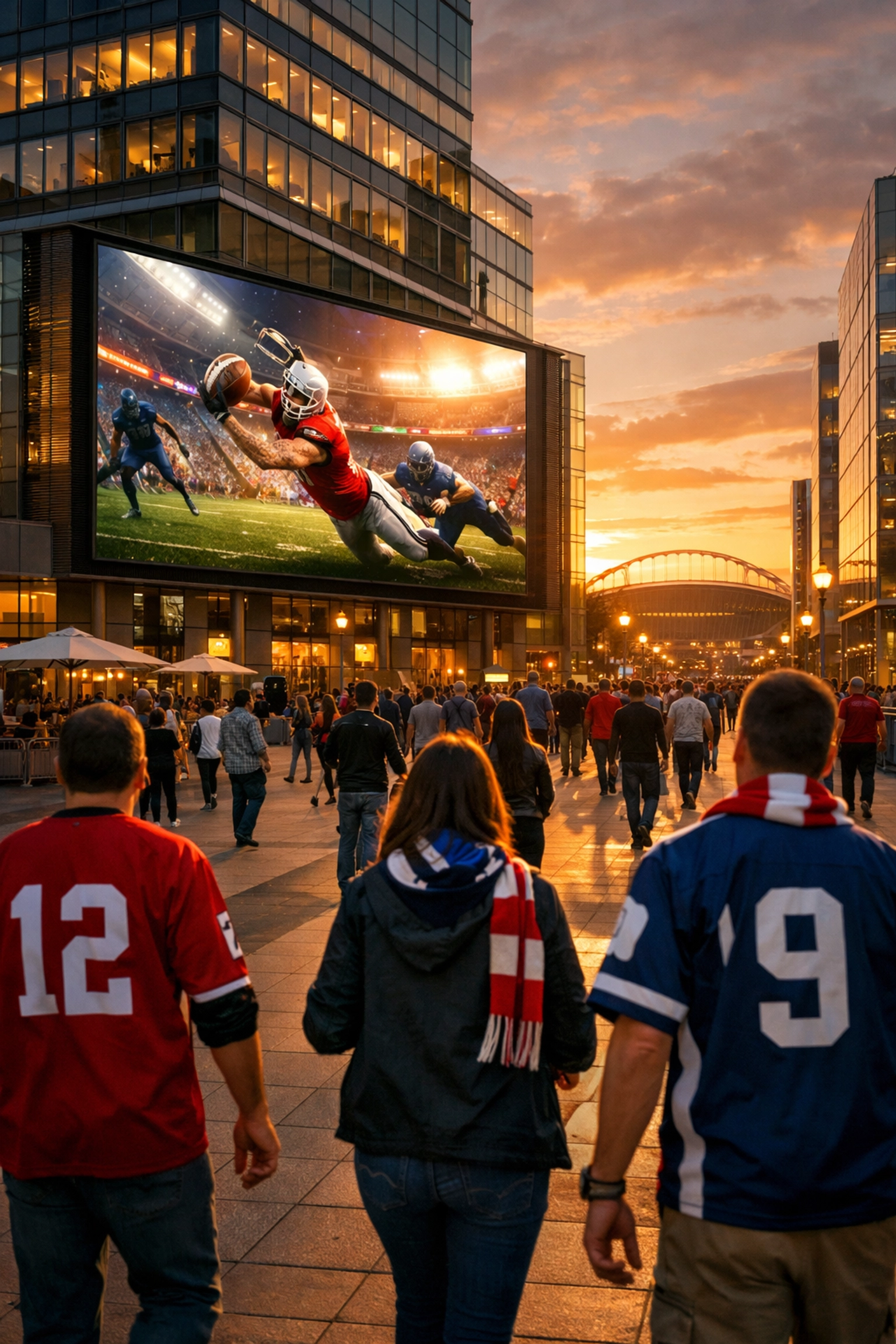
Strategic DOOH placement allows brands to activate across touchpoints throughout the day. This includes reaching fans during their morning commute, at neighborhood gathering spots, or in public viewing areas like fan festivals. By placing ads in these high-traffic locations, brands stay top-of-mind when passion and community excitement are at their peak.
For example, geographically targeted DOOH strategies have shown the ability to boost fan engagement significantly by reaching people exactly where they are. Whether it is a screen at a transit hub or a digital display in a busy shopping district, the goal is to weave the brand into the narrative of the fan's day.
2. Deploy Programmatic DOOH with Real-Time Content
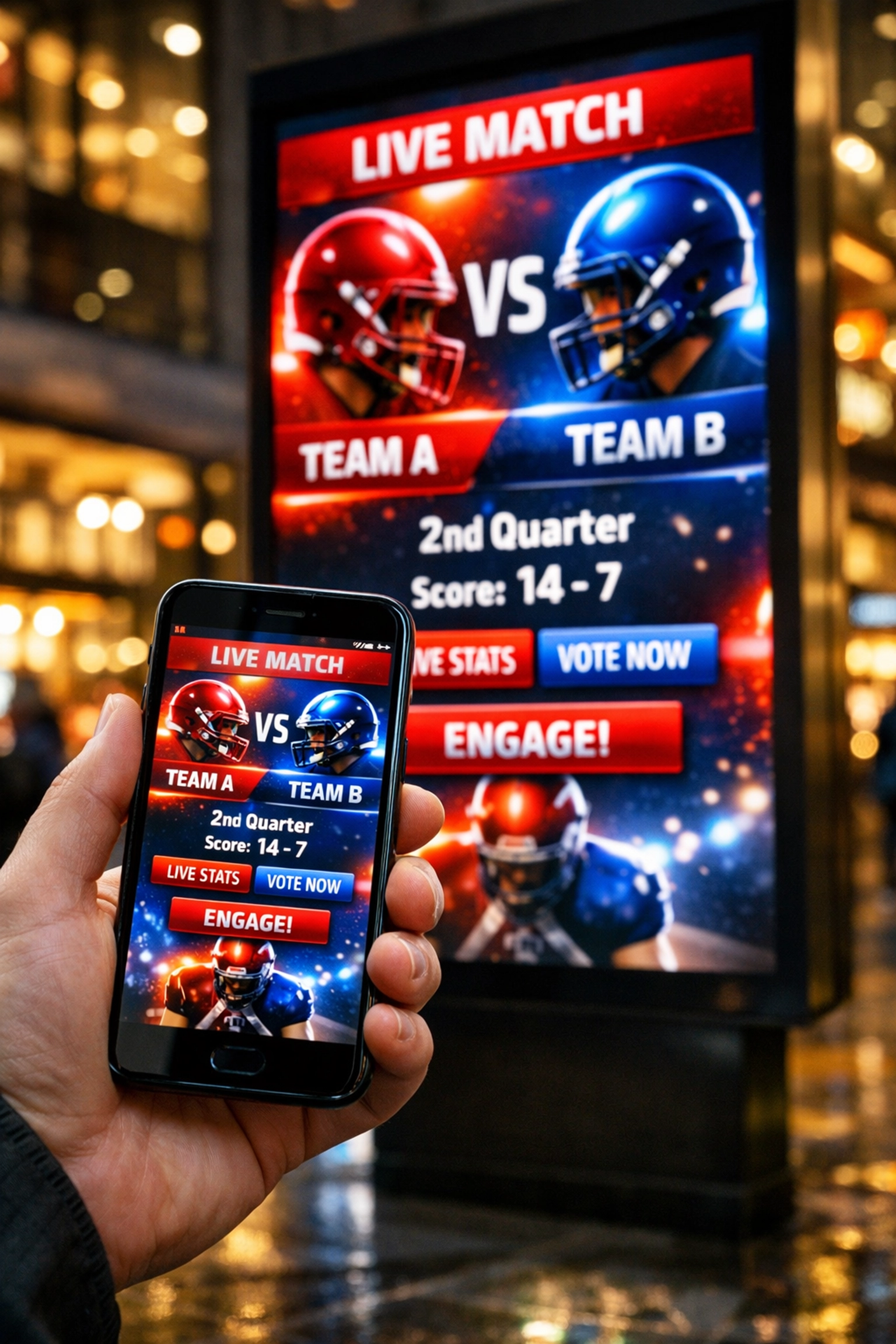
The "set it and forget it" mentality of traditional advertising does not work in the fast-paced world of sports. Fans crave the latest information. Programmatic DOOH allows brands to display dynamic content that reacts to live events. This could mean showing live game scores, updated betting odds, or countdown timers to a big event.
This level of contextual relevance transforms a standard advertisement into a helpful resource for the fan. When an ad provides value, such as a real-time update on a rivalry game, the fan is much more likely to develop a positive association with that brand.
For brands in the gaming space, the ability to launch real-time betting campaigns that convert quickly is a major competitive advantage. This technology ensures that the creative is always fresh and always relevant to what is happening on the field at that exact moment.

3. Leverage the Omnichannel Priming Effect
One of the most powerful insights in modern advertising is the "priming effect." Research shows that combining television advertising with DOOH placements significantly amplifies the overall impact of a campaign. When a fan sees a high-production TV spot at home and then sees a shortened, punchy version of that same ad on a digital panel during their commute, their memory and retention of the brand are strengthened.
This omnichannel approach makes every advertising dollar work harder. It creates a cohesive brand story that follows the consumer from the living room to the street. Large-scale campaigns from brands like White Claw have utilized this effect to drive massive results, such as a 74 percent lift in purchase consideration for new product launches.
By using DOOH as a secondary touchpoint to reinforce primary media buys, brands can move fans from simple awareness to active consideration.
4. Use Transit Advertising for Captive Audiences
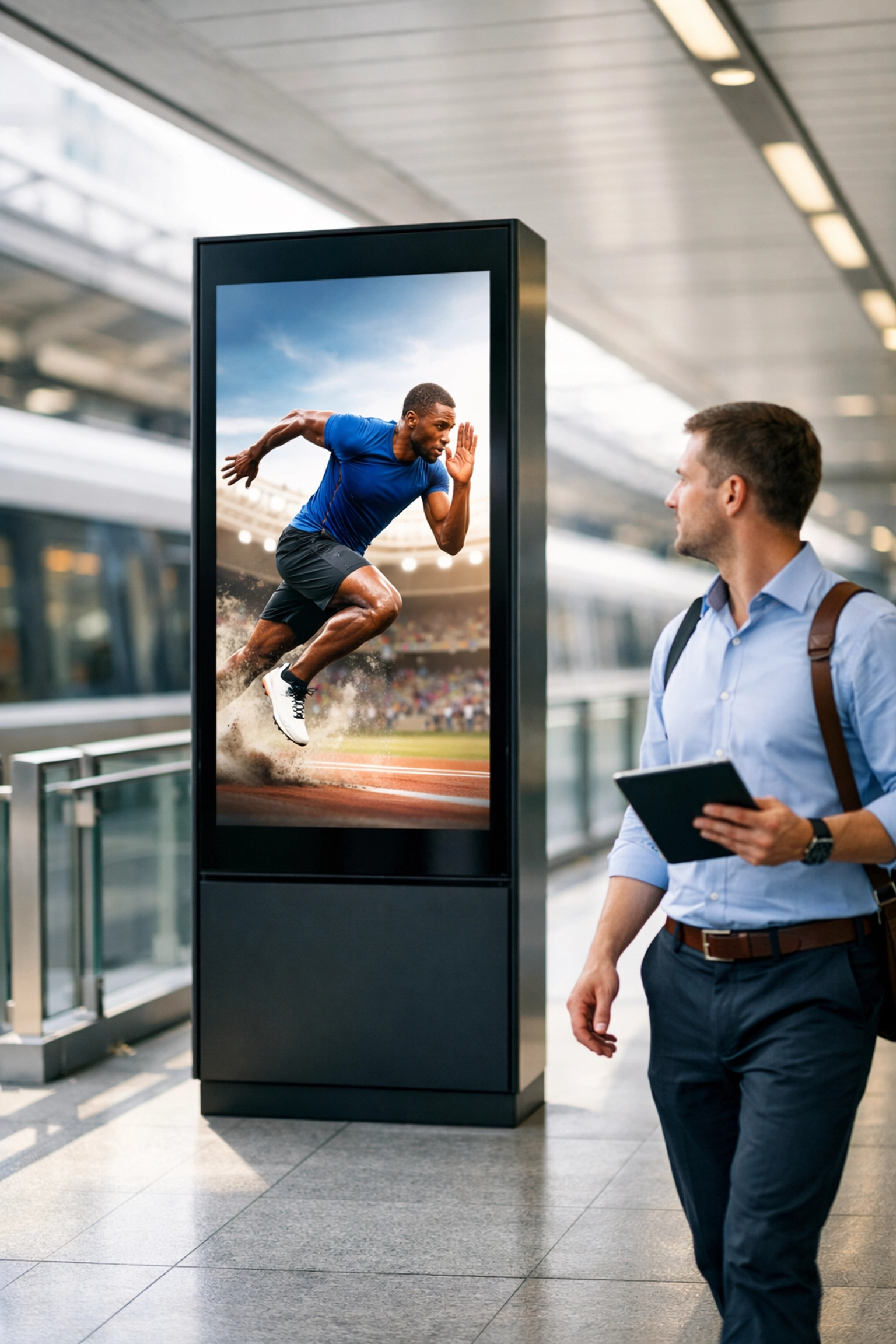
Public transportation remains one of the most effective environments for DOOH because of the captive nature of the audience. Thousands of daily commuters spend significant time on buses, trains, and subways. During these periods, they are looking for something to engage with, making them highly receptive to well-placed digital advertisements.
Furthermore, sports fans often travel in social groups to and from games. When an ad is displayed in a transit environment, it is not just seen by an individual; it is often discussed within a group. This social amplification is a unique benefit of transit-based DOOH.
Choosing the right environment is often a matter of ROI. Many media planners are now shifting budgets away from traditional stadium ads in favor of the high-frequency, high-reach potential of digital screens in transit and urban hubs. The data supports this shift, as digital screens offer better flexibility and more precise targeting than a static banner inside a stadium.
5. Bridge Physical and Digital Spaces with Interactivity
The final insight for boosting engagement is to treat the DOOH screen as a portal to a brand's digital ecosystem. Static billboards are one-way communication, but DOOH can be interactive.
Including QR codes on digital displays allows fans to instantly access special offers, enter contests, or view exclusive content. This creates a seamless connection between the physical world and the fan's mobile device. For younger demographics who are constantly on their phones, this level of interactivity is not just a "nice to have," it is an expectation.
Campaigns that bridge this gap often see remarkable results. For instance, Sea-Doo utilized DOOH to increase purchase consideration by 144 percent by creating a clear path from the physical advertisement to the digital experience.
Measuring Success: Moving Beyond Guesswork
To truly capitalize on these insights, brands must also focus on measurement. The era of guessing how many people saw a billboard is over. With AI-powered analytics and programmatic platforms, brands can now track real-world results with incredible precision.
Using specialized tools, advertisers can measure brand lift, store visits, and even purchase intent. Understanding these metrics is the key to refining a strategy and ensuring that the budget is being spent effectively. Avoiding common mistakes in DOOH measurement is the first step toward achieving a high ROI.
By focusing on the fan's journey, using real-time data, leveraging the priming effect, utilizing transit spaces, and encouraging interactivity, brands can build campaigns that do more than just show an ad. They can build campaigns that create a lasting connection with the most passionate audiences in the world.
For more information on how to optimize your sports marketing strategy, explore our sitemap or learn more about the latest in omnichannel campaign success. The world of sports is always moving, and with the right DOOH strategy, your brand can be right there in the middle of the action.