
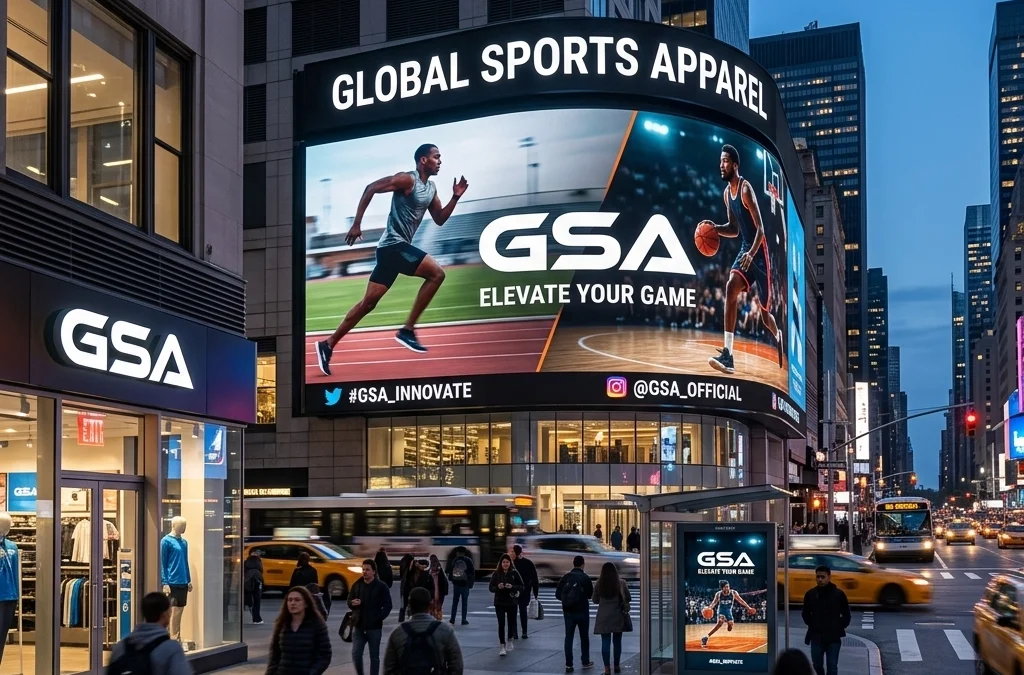
Digital Out of Home (DOOH) advertising has moved beyond being a simple digital version of a billboard. In the world of sports marketing, it has become a central piece of a modern branding strategy. For media buyers and brand managers, the goal is no longer just to be seen. The goal is to be relevant at the exact moment a fan is most engaged. Integrating DOOH innovation into an existing strategy requires a shift from static planning to a dynamic, data-driven approach.
Successful branding in the current landscape depends on a seamless connection between the physical and digital worlds. When a brand integrates DOOH correctly, it bridges the gap between a massive stadium screen and the smartphone in a fan's hand. This creates a unified experience that reinforces messaging across every touchpoint.
The Core Principles of DOOH Integration
Integrating DOOH into a branding strategy is most effective when it is treated as a core component of an omnichannel campaign rather than a standalone tactic. Brands often make the mistake of running isolated outdoor ads that do not talk to their social media or display ads. To maximize impact, DOOH should be embedded into the same programmatic infrastructure used for other digital channels.
Using a single programmatic budget for DOOH, connected television (CTV), and mobile display allows for a unified cross-channel experience. This ensures that the audience receives the same message whether they are walking past a transit display on the way to the game or scrolling through social media during halftime.
Consistency is the foundation of brand trust. By using the same creative themes across DOOH and online video, brands can reinforce their message through repetition and context. A sports fan who sees a dynamic ad for a beverage at the stadium entrance is much more likely to engage with a retargeted ad for that same beverage on their mobile device later that evening.
Strategic Implementation Steps
For brand managers looking to upgrade their current strategy, the following steps provide a clear path toward effective DOOH integration.
1. Define Clear Objectives and Measurement
Before launching any campaign, it is essential to set specific goals. These goals might include increasing brand awareness, driving store traffic, or boosting purchase consideration. Measurement is the key to understanding if these objectives are being met. Modern DOOH allows for sophisticated attribution by using mobile location data to compare performance across different channels.
Brands can track how many people who were exposed to a DOOH screen eventually visited a retail location or searched for the brand online. This data-driven approach removes the guesswork that used to be associated with traditional outdoor advertising.

2. Leverage Real-Time Data and Dynamic Creative
One of the biggest innovations in DOOH is the ability to change content in real time. Unlike traditional printed billboards, digital screens can adapt to the environment. This is particularly powerful in sports marketing. A brand can trigger specific ads based on the score of a game, the weather outside the stadium, or even the time of day.
If the home team wins, a celebratory ad can appear instantly. If it begins to rain, a retailer can switch their creative to focus on gear for wet weather. This level of relevance ensures that the message is always helpful or exciting to the viewer, which significantly increases ad recall. For a deeper look at how this compares to older methods, exploring programmatic DOOH vs traditional stadium ads reveals why the digital shift is happening so quickly.
3. Create a Mobile Retargeting Loop
The journey does not end when a fan looks away from the screen. One of the most effective ways to integrate DOOH is through mobile retargeting loops. After a consumer is exposed to a DOOH display, marketers can use geofencing and device IDs to reach that same person on their personal devices.
Research indicates that about 73 percent of consumers take a digital action after seeing a DOOH ad. This might include visiting a website or following a brand on social media. By following up with a mobile ad, the brand keeps the conversation going and moves the consumer further down the sales funnel. This connection between the physical screen and the personal device is what makes DOOH a strategic connector in an omnichannel journey.

Why Sports Environments Are the Ultimate Testing Ground
Sports marketing provides a unique environment where emotions are high and audiences are concentrated. Fans are often in a positive state of mind and are actively looking at screens for information and entertainment. This makes sports venues the perfect place to launch innovative DOOH campaigns.
The scale of this opportunity is massive. Industry projections suggest that DOOH sports advertising will hit 50 billion dollars by 2030. Brands that start integrating these innovations now will be better positioned to capture their share of this growing market.
In a stadium setting, DOOH can take many forms, from large format screens to concourse displays and perimeter boards. By using programmatic technology, brands can target fans with precision, ensuring that their ads are shown at the most impactful moments of the event. This avoids the common mistakes many make with sports DOOH campaigns, such as poor timing or irrelevant messaging.
Success Stories and Measurable Results
The effectiveness of integrated DOOH is not just theoretical. Data from recent campaigns shows significant lifts in key brand metrics.
For example, when White Claw launched a programmatic campaign for a new product, the brand saw a 74 percent lift in purchase consideration. This success was driven by the ability to reach consumers in high traffic areas with consistent, high quality digital creative. You can read more about the White Claw programmatic DOOH campaign to see the full breakdown of the results.
Similarly, other brands have seen massive improvements in how they are perceived by their target audience. Mike’s Hard Iced Tea used programmatic DOOH to achieve a 119 percent lift in positive brand image. By targeting specific demographics in the right locations, the brand was able to change consumer perception through repeated, relevant exposure. Details on this can be found in the analysis of AB InBev’s Mike’s Hard Iced Tea campaign.

Another notable example is Sea-Doo, which used its first digital OOH campaign to increase purchase consideration by 144 percent. These numbers highlight the fact that when DOOH is integrated into a larger strategy, it does more than just build awareness. It actively drives the intent to buy. The Sea-Doo case study provides a blueprint for how outdoor ads can impact the bottom line.
Key Success Factors for Long Term Strategy
To ensure that DOOH remains a valuable part of a branding strategy over the long term, several factors must be considered.
- Creative Quality: While the technology behind the screens is impressive, the content still matters most. Creative should be simple, bold, and easy to read from a distance.
- Contextual Relevance: Use the location and the event to your advantage. An ad in a sports stadium should feel like it belongs there.
- Data Integration: Continually feed campaign data back into the planning process. Use insights from past campaigns to optimize future targeting and creative choices.
- Social Amplification: Create moments that people want to share. Many consumers will take photos of impressive or clever OOH ads and share them on social media, providing free additional reach for the brand.

Moving Toward a Seamless Future
The integration of DOOH innovation is not a one-time project. It is an ongoing evolution of how brands communicate with people in the real world. As AI and data analytics continue to improve, the ability to deliver hyper-relevant content will only grow.
For media buyers and brand managers, the message is clear. DOOH is no longer a peripheral channel. It is a strategic connector that brings digital intelligence to the physical world. By aligning DOOH with an overall branding strategy, leveraging real-time data, and closing the loop with mobile retargeting, brands can create powerful, memorable experiences that drive real results.
In the fast paced world of sports marketing, staying ahead of these trends is essential. Those who master the integration of DOOH today will be the ones leading the market as the industry grows toward its multibillion dollar future. Integrating these innovations ensures that a brand is not just another face in the crowd, but a relevant part of the fan experience.