
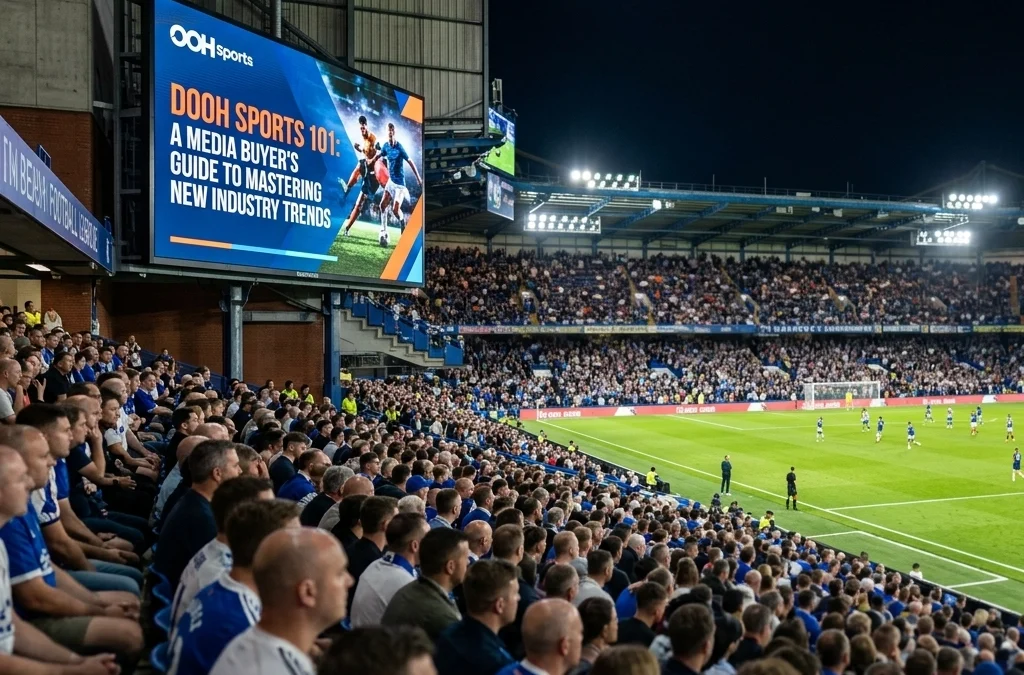
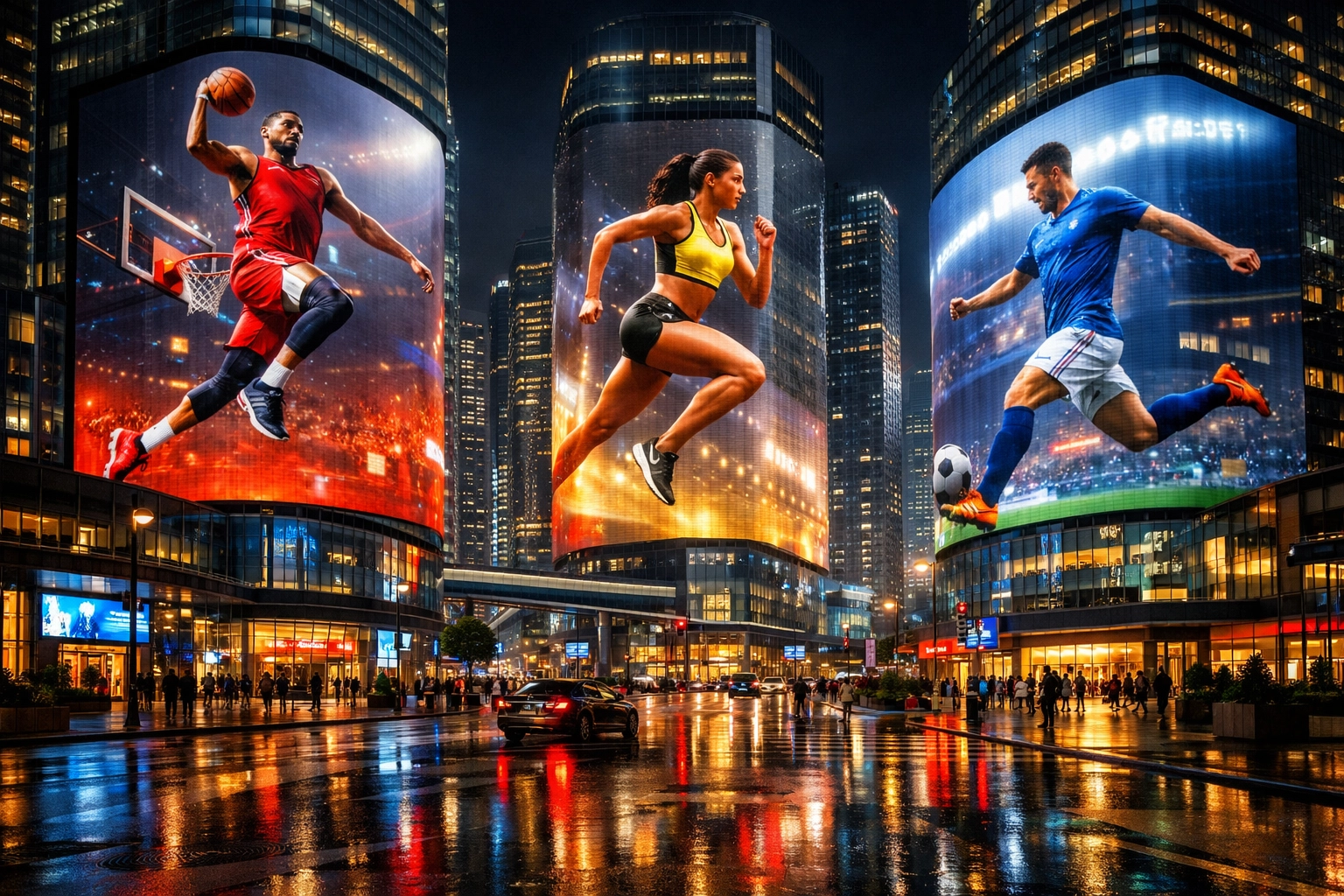
The landscape of sports advertising is undergoing a fundamental transformation. Digital out-of-home (DOOH) advertising in the sports sector now leverages dynamic screens in high-traffic locations to deliver targeted, measurable campaigns to fans through data-driven, real-time optimization. The industry is shifting away from traditional location-based buying toward precision audience targeting powered by behavioral data and location intelligence. This guide provides an overview of the core trends and strategies essential for media buyers looking to master this evolving medium.
The Foundation of Precision Audience Targeting
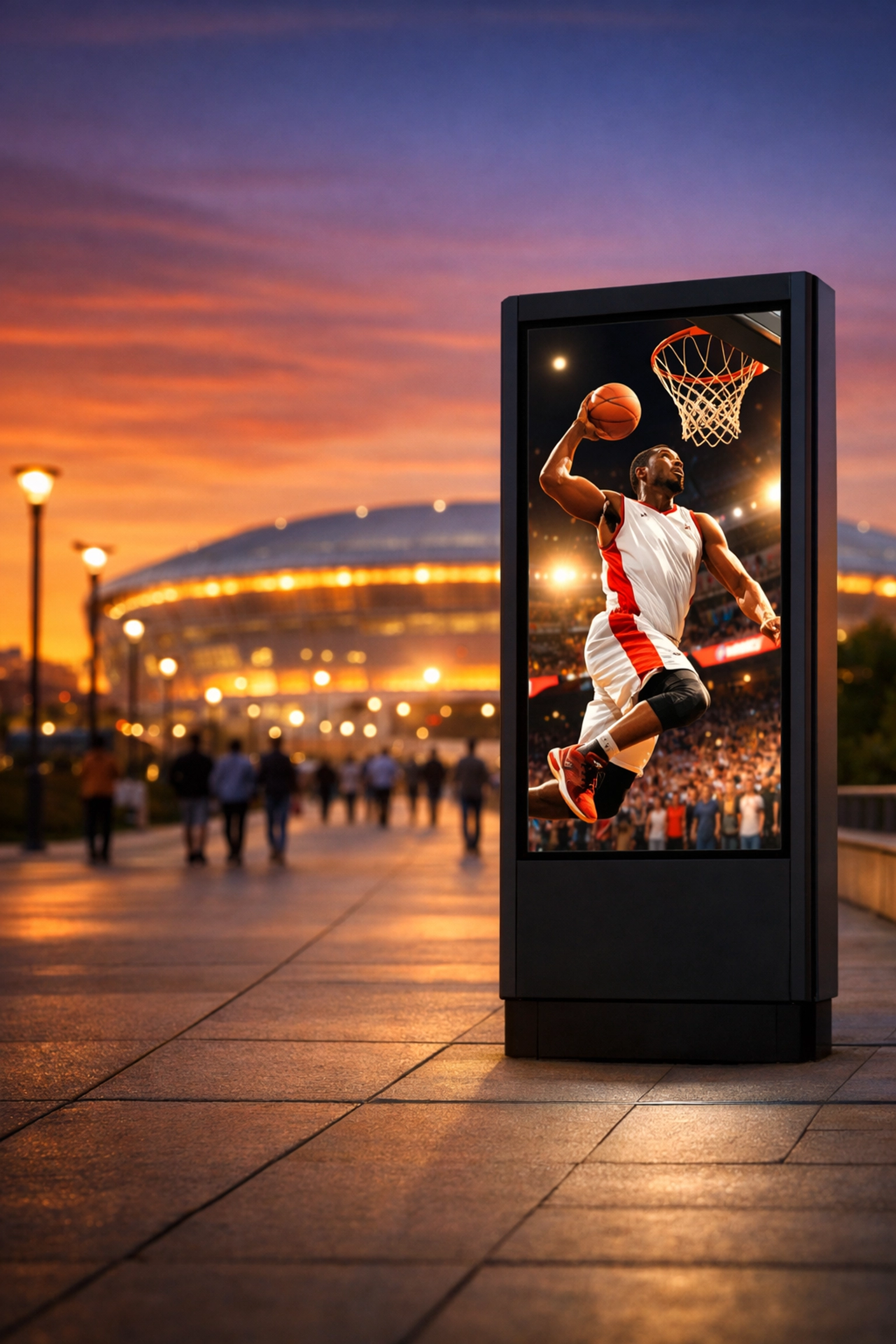
The most significant shift in sports DOOH is the move away from selecting screens based solely on proximity to a stadium or arena. Modern media buying relies on addressable advertising. This approach uses location intelligence and behavioral data to activate inventory only when specific audience segments are present.
Geofencing technology plays a critical role in this process. It identifies high-intent zones where concentrated fan activity occurs. These zones include:
- Airport corridors that capture fans traveling to major events.
- Stadium perimeters and entry points during peak event hours.
- Fan zones, bars, and entertainment districts surrounding the venue.
- Transit hubs that connect the city center to the sports complex.
By utilizing device data, brands can identify household-level targeting opportunities. This allows for cross-device measurement that connects a DOOH exposure to a downstream action, such as visiting a website or making a purchase. This methodology significantly reduces wasted impressions and increases the overall return on ad spend.

Strategic Multi-Moment Activation Windows
Successful sports DOOH campaigns require strategic budget allocation across three distinct phases. Timing the delivery of creative content ensures that the message resonates with the fan journey.
Pre-Event Planning
In the lead-up to a major game or tournament, premium inventory often commands higher rates. This is the period when audiences are in planning and anticipation mode. Messaging should focus on building awareness and driving consideration while fans are making travel or viewing arrangements.
During the Event
Real-time optimization is paramount while the event is live. Through programmatic DOOH, media buyers can adjust creative based on game developments. For example, if a specific player scores or a team wins, the creative can update instantly to reflect the moment. This level of relevance increases engagement and brand recall.
Post-Event Engagement
The period following a game is often overlooked, yet it provides a valuable window for reinforcement. Fans leaving the venue or celebrating in entertainment districts are still highly receptive to brand messaging. Post-game campaigns can focus on "congratulations" messages or drive traffic to retail locations.
Cross-Channel Measurement and Proven Impact
Traditional impression counts are no longer the primary metric for success in sports DOOH. Media buyers now implement sophisticated measurement infrastructure to connect screen exposure to meaningful business outcomes. The following approaches have become industry standards:
- Foot Traffic Attribution: This involves comparing the movement of audiences exposed to the DOOH ad against a control group of unexposed individuals to determine if the ad drove physical visits to a store or venue.
- Sales Lift Analysis: By tying campaign periods to revenue changes, brands can quantify the direct financial impact of their DOOH investment.
- Brand Lift Studies: These surveys quantify shifts in awareness, perception, and purchase intent.
- Cross-Device Tracking: This methodology reveals how fans who saw a stadium-adjacent screen later engaged with the brand on their mobile devices or laptops.
For instance, programmatic DOOH has proven effective in driving significant results. A campaign for White Claw resulted in a 74% lift in purchase consideration for a vodka launch. More information on this specific execution can be found at this case study.
Similarly, AB InBev’s Mike’s Hard Iced Tea saw a 119% lift in positive brand image through a targeted programmatic campaign. Details regarding that strategy are available at this link.
Integrating DOOH with Streaming and Mobile Consumption
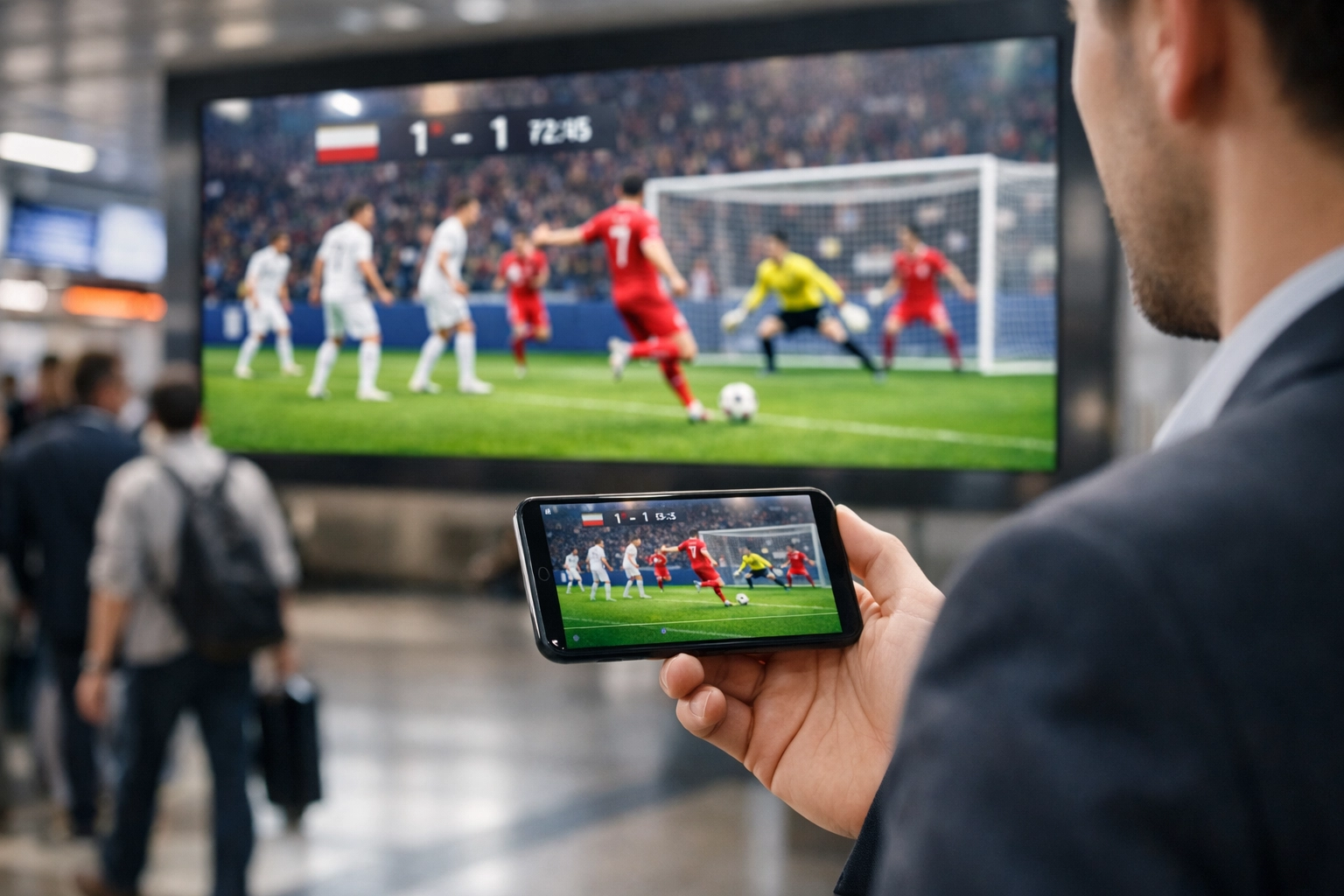
Sports consumption is increasingly fragmented. Audiences watch games on mobile devices while commuting, stream on tablets in public spaces, and engage with highlights on social platforms. Therefore, omnichannel coordination is no longer supplementary; it is essential.
Effective strategies require timing DOOH activations to coincide with streaming schedules. Visual consistency across physical screens and digital devices creates a unified brand narrative. Furthermore, brands can extend the life of a campaign by focusing on pre-game and post-game highlights, interviews, and reels.
Comparing Programmatic DOOH and Traditional Stadium Ads
While traditional stadium ads (such as static billboards or fixed perimeter signage) offer high visibility, programmatic DOOH provides superior flexibility and ROI. Traditional ads often involve long-term contracts and fixed creative. In contrast, programmatic DOOH allows media buyers to purchase impressions in real time, moving budget between locations or times of day as needed.
Programmatic platforms allow for decisioned media. This means a brand can choose to show an ad only when certain weather conditions are met, when a score reaches a certain threshold, or when a specific audience demographic is detected nearby. For a deeper dive into how programmatic DOOH compares to traditional perimeter targeting, refer to the insights found at this article.
Emerging Opportunities in Real-Time Betting
The rise of legalized sports betting has created a high-demand niche for real-time DOOH. Betting operators can launch campaigns that display live odds, which convert at a much higher rate due to their immediate relevance. These campaigns can be deployed and optimized in under 24 hours, making them ideal for the fast-paced nature of sports. Strategies for converting fans through real-time betting ads are detailed at oohsports.com/marketing.
Media Buyer Best Practices for Success
To master the trends currently reshaping the industry, media buyers should adhere to a set of refined best practices:
- Early Strategic Planning: Secure premium inventory early, particularly around major global events, while reserving a portion of the budget for programmatic flexibility.
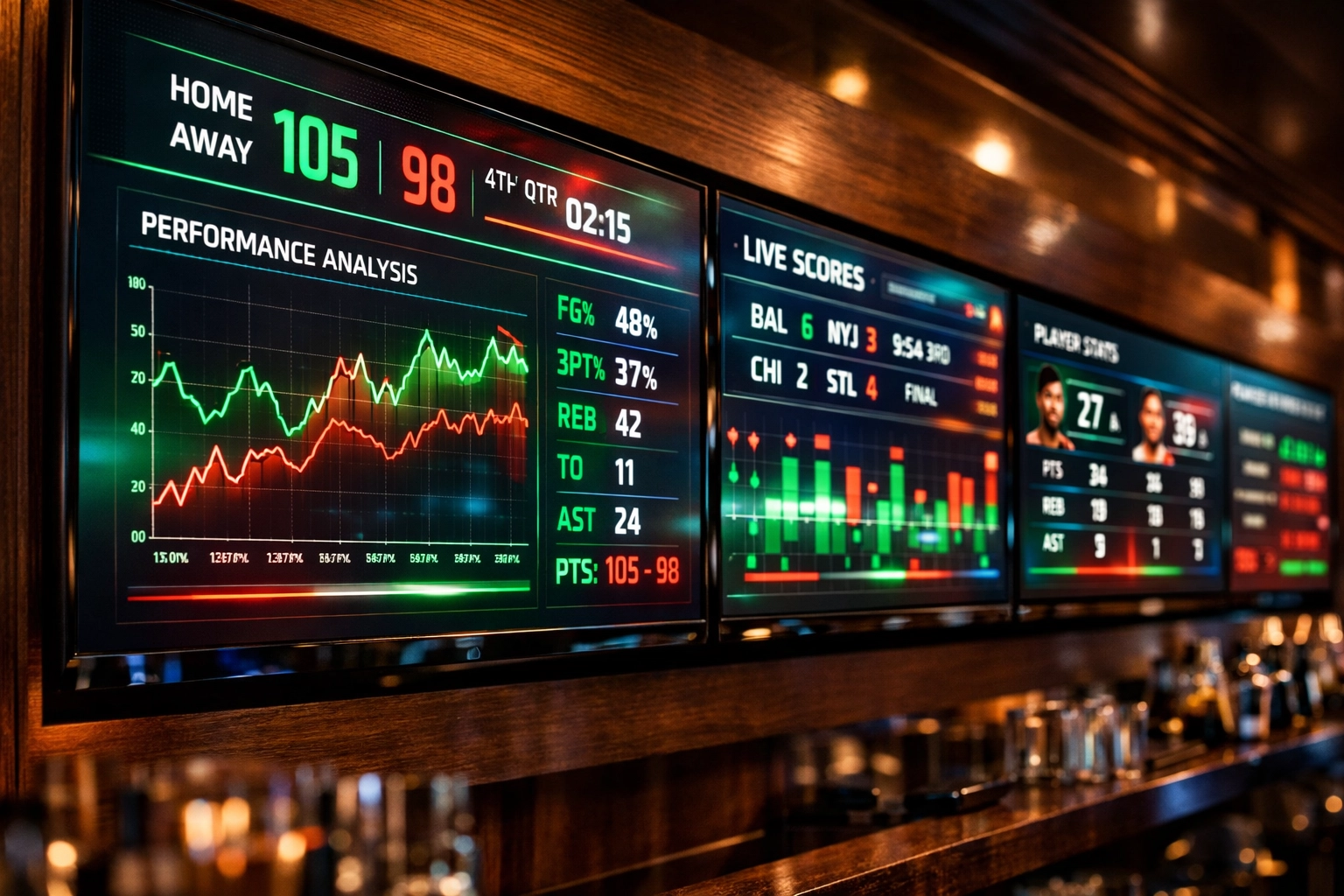
- Dynamic Creative Optimization (DCO): Use technology that enables creative to respond to live data feeds, such as scores, weather, or social media trends.
- Audience-Led Execution: Prioritize behavioral data over simple geography. Know who is in the area, not just where the screen is located.
- Synchronized Formats: Use a mix of large-format spectaculars and street-level screens to create multiple touchpoints throughout the fan journey.
- Performance Infrastructure: Ensure that measurement tools are in place before the campaign launches. This allows for mid-campaign adjustments rather than waiting for a post-campaign report to identify issues.
Avoiding common pitfalls is also necessary. Many campaigns fail to capitalize on the stadium perimeter or make the mistake of using static creative in a dynamic environment. Insights into avoiding these errors can be found at this resource.
The Path to 2030 and Beyond
The growth trajectory of sports DOOH is steep. Projections indicate that sports-related digital out-of-home advertising will continue to expand as technology becomes more accessible and data more precise. Media buyers who adopt an omnichannel, data-driven approach today will be best positioned to capture a significant share of this market.
For those interested in the long-term outlook of the industry, further research suggests that the sector will reach substantial valuation milestones by 2030. Strategic plans for capturing this growth are discussed at this blog post.
Strategic Execution and Partnership
Navigating the complexities of programmatic DOOH requires collaboration between brands, agencies, and technology partners. Leveraging specialized demand-side platforms (DSPs) can streamline the buying process and provide access to premium inventory across various venues. For example, StackAdapt has been a key player in driving programmatic DOOH adoption in omnichannel campaigns. A spotlight on their role in the industry can be read at this link.
By focusing on measurable outcomes, strategic timing, and precision targeting, media buyers can move beyond basic awareness and drive significant brand lift and sales performance. The integration of technology and sports passion offers a unique opportunity for brands to connect with audiences in their most engaged moments.
For further information on campaign strategy, visit the OOH Sports marketing page or reach out via the contact page. To learn more about the technology behind these displays, explore sportrons. All services are governed by the terms of service and company policies.