
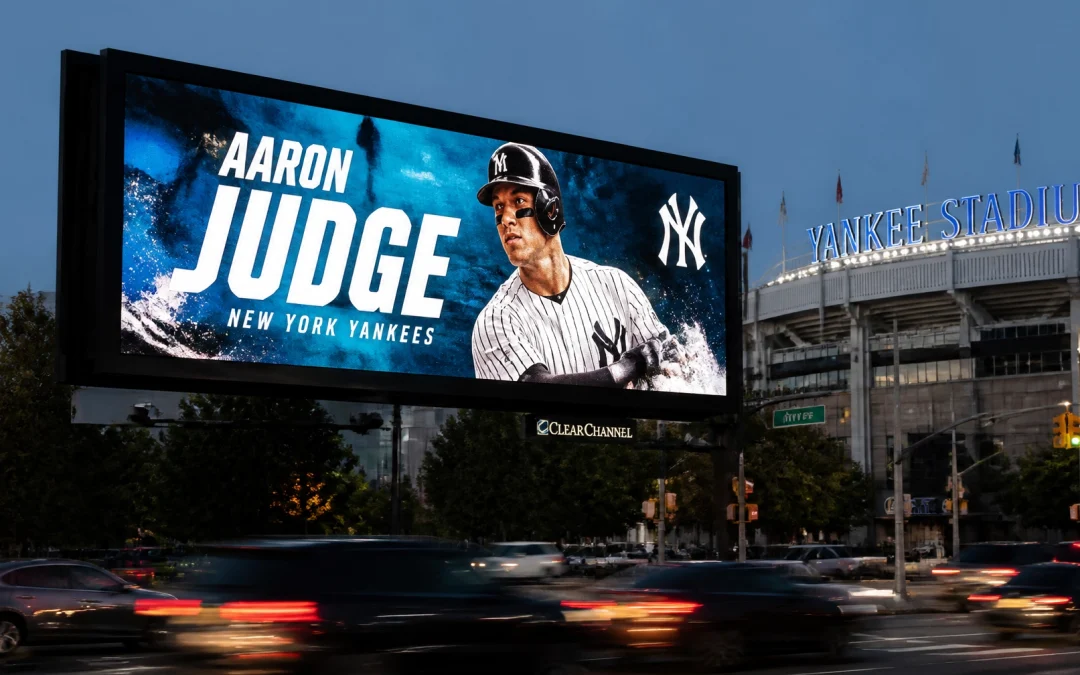
The landscape of sports marketing is undergoing a significant transformation. OOH Sports has announced a major expansion of its digital out of home network, a move designed to bridge the gap between traditional stadium advertising and the modern digital journey of a sports fan. This expansion represents a strategic shift in how brands interact with audiences, moving beyond the physical walls of the arena to capture attention throughout the entire game day experience.
By increasing the density of digital screens in critical high traffic zones, the network now offers media buyers a more cohesive way to reach fans when they are most emotionally invested. The expansion is not merely about adding more screens. It is about creating a smarter, more integrated ecosystem that allows for precise targeting, real time creative updates, and a deeper level of engagement than previously possible in the outdoor advertising space.
Strategy: The Ten-Mile Perimeter
The core of the OOH Sports expansion strategy is the establishment of a dense screen footprint within a ten mile perimeter around major sports venues. This specific radius is identified as the primary fan movement corridor. It is the zone where fans live, travel, shop, and celebrate before and after the main event.
Traditional sports sponsorship often focuses heavily on the interior of the stadium. While impactful, this approach can miss the hours of engagement that happen outside the venue. The ten mile perimeter strategy ensures that a brand remains present throughout the entire fan journey. By saturating this area with high quality digital displays, the network provides a continuous touchpoint for fans as they transition from their homes to the stadium and eventually to post game celebrations.
This geographical focus allows advertisers to leverage the peak emotional states of fans. Whether it is the anticipation of a pre game commute or the excitement following a major victory, the proximity to the venue ensures that the advertising context remains highly relevant to the audience's current experience.
Objective & Strategy: The Follow the Fan Journey
The network expansion is built around the concept of the Follow the Fan journey. This approach breaks down the game day experience into four distinct phases: Preparation, Arrival, The Event, and Departure. Each phase offers a unique opportunity for brands to tailor their messaging based on the fan's immediate needs and mindset.
Preparation Phase
Hours before the opening whistle, fans are in a state of preparation. They are visiting retail centers, convenience stores, and supermarkets to stock up on essentials. The OOH Sports expansion includes a significant increase in retail and path to purchase screens. Advertisers can use these screens to push messaging related to beverages, snacks, or last minute team gear. This strategy positions the brand as a helpful part of the pre game ritual.
Arrival Phase
As fans enter the ten mile zone and head toward the venue, the density of large format digital boards and street furniture increases. This phase is about high impact awareness. Digital screens in transit hubs, such as airports and train stations, capture the attention of traveling fans and local commuters alike. These high dwell environments are ideal for storytelling and building brand presence as the excitement for the game builds.

The Event Phase
Not every fan is inside the stadium during the game. Many gather in hospitality and social spaces within the local area. The expansion has placed a heavy emphasis on digital screens inside sports bars, restaurants, and hotels. This allows brands to stay visible for fans who are watching the game on television but are still part of the local sports atmosphere. It maintains brand salience during the actual hours of competition.
Departure Phase
Following the game, the creative strategy can pivot instantly. The network's digital capabilities allow for celebratory messaging if the home team wins or a shift toward driving traffic to local dining and nightlife. Screens near transportation hubs and rideshare pickup points are particularly effective during this phase, as fans look for their next destination.
Technology Partners and Programmatic Execution
The expansion of the OOH Sports network is powered by advanced technology that brings digital precision to the physical world. A key component of this is the integration of programmatic digital out of home (pDOOH) capabilities. This technology allows media buyers to purchase inventory with the same flexibility and data driven insights found in online advertising.
By collaborating with leading technology partners and demand side platforms (DSPs), such as StackAdapt, OOH Sports enables brands to execute complex, omnichannel campaigns. Media planners can now trigger ads based on specific conditions, such as:
- Real time game scores or team performance.
- Weather conditions (e.g., promoting cold drinks on a hot game day).
- Specific time blocks that align with fan movement patterns.
- Audience demographics and behavior data.
This shift toward programmatic DOOH removes the need for long lead times and static creative. It allows for a more agile approach where campaigns can be optimized on the fly, ensuring maximum ROI for every dollar spent.

Impact on Media Buying and Planning
The expansion of the network significantly changes the value proposition for media buyers and brand managers. Traditionally, sports media was often divided into two silos: high cost stadium sponsorships and broader, less targeted city wide OOH. OOH Sports provides a middle ground that combines the prestige of sports association with the efficiency of targeted digital delivery.
This new model is particularly attractive for brands that may not have the budget for a full stadium partnership but still want to capture the attention of the sports audience. It also offers a powerful supplementary layer for official sponsors who want to extend their reach beyond the stadium seats. By utilizing a network of over 25,000 digital screens, brands can achieve a level of frequency and reach that was previously unattainable in the sports category.
The ability to buy across various environments, from retail to transit to hospitality, means that planners can build more sophisticated audience segments. They can target the traveling fan, the local socialite, or the home cook with different creative assets, all within the same unified campaign.
Results: Data and Fan Engagement
The effectiveness of the expanded OOH Sports network is supported by industry research and historical campaign performance. Data from the Out of Home Advertising Association of America (OAAA) and The Harris Poll highlights the unique influence of OOH in the sports sector.
Key findings include:
- High Recall: Nearly 60 percent of U.S. adults recall seeing an OOH ad promoting a major sporting event recently.
- Consumer Action: Approximately 90 percent of fans who saw an OOH sports ad took a real world action, such as watching the game, talking about it with friends, or searching for more information.
- Local Economic Impact: Among fans who attended a game after seeing an OOH advertisement, 99 percent reported spending money at local businesses around the venue.
These statistics underscore the role of OOH in driving not just brand awareness, but tangible economic activity. For brands in the hospitality, beverage, and retail sectors, the ten mile perimeter expansion offers a direct path to the consumer at the exact moment they are ready to spend. The network’s growth aligns with forecasts suggesting that DOOH sports advertising will reach significant global milestones by 2030, as more planners shift their budgets toward digital and measurable out of home assets.

Conclusion: A New Standard for Sports Marketing
The expansion of the OOH Sports network marks a turning point in the industry. By combining a strategic geographical footprint with sophisticated programmatic technology, the company has created a platform that reflects the reality of how fans experience sports today. The journey to the game is just as important as the game itself, and the ability to reach fans throughout that journey is a powerful tool for any marketer.
For media buyers and planners, this expansion offers a more flexible, data rich, and impactful way to engage with one of the most passionate audiences in the world. As the network continues to grow, it will continue to set the standard for how brands and sports fans connect in the physical world.
The move toward an integrated, perimeter based digital network ensures that sports marketing is no longer confined to a single screen or a single venue. It is now a dynamic, ever present force that follows the fan, captures the moment, and delivers measurable results for brands of all sizes.