
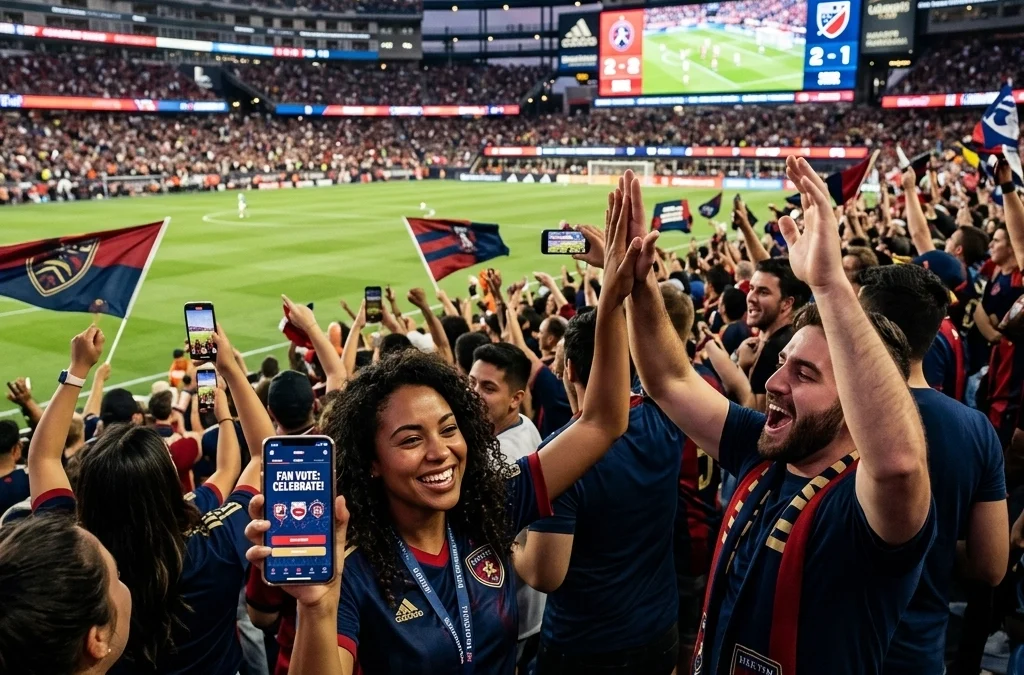
The landscape of sports marketing is undergoing a significant transformation. As audiences become more fragmented across digital platforms, the physical stadium remains one of the few environments where brands can capture undivided attention for extended periods. Stadium perimeter advertising, particularly through advanced digital out of home (DOOH) technology, provides a foundation for this engagement. However, the true value for creative directors and CMOs lies in how a brand bridges the gap between a static logo and an interactive experience.
Fan engagement is no longer a peripheral concern for marketing departments. It is a central strategy for building long term brand equity and driving measurable purchase intent. By integrating creative concepts with the high energy atmosphere of live sports, brands can move beyond mere visibility to achieve deep resonance.
The Foundation of Stadium Perimeter Advertising
Stadium perimeter advertising acts as the primary visual anchor during a match or event. With technology such as Sportrons, brands can synchronize messaging with the flow of the game. This environment offers a unique psychological advantage. Fans are in a state of heightened emotional receptivity, making them more likely to remember and connect with the brands they see.
To maximize this opportunity, innovation must be constant. The following fifteen ideas offer a roadmap for brands looking to elevate their fan engagement strategies.
1. Personalized Fan Merchandise
Personalization is a powerful tool for creating emotional connections. Brands can set up stations or digital kiosks where fans customize items like jerseys or accessories with their names or personalized messages. When a brand facilitates the creation of a unique physical souvenir, it shifts from being a sponsor to becoming a part of the fan's personal history. This strategy often results in a tangible increase in brand affinity.
2. Virtual Reality Experiences
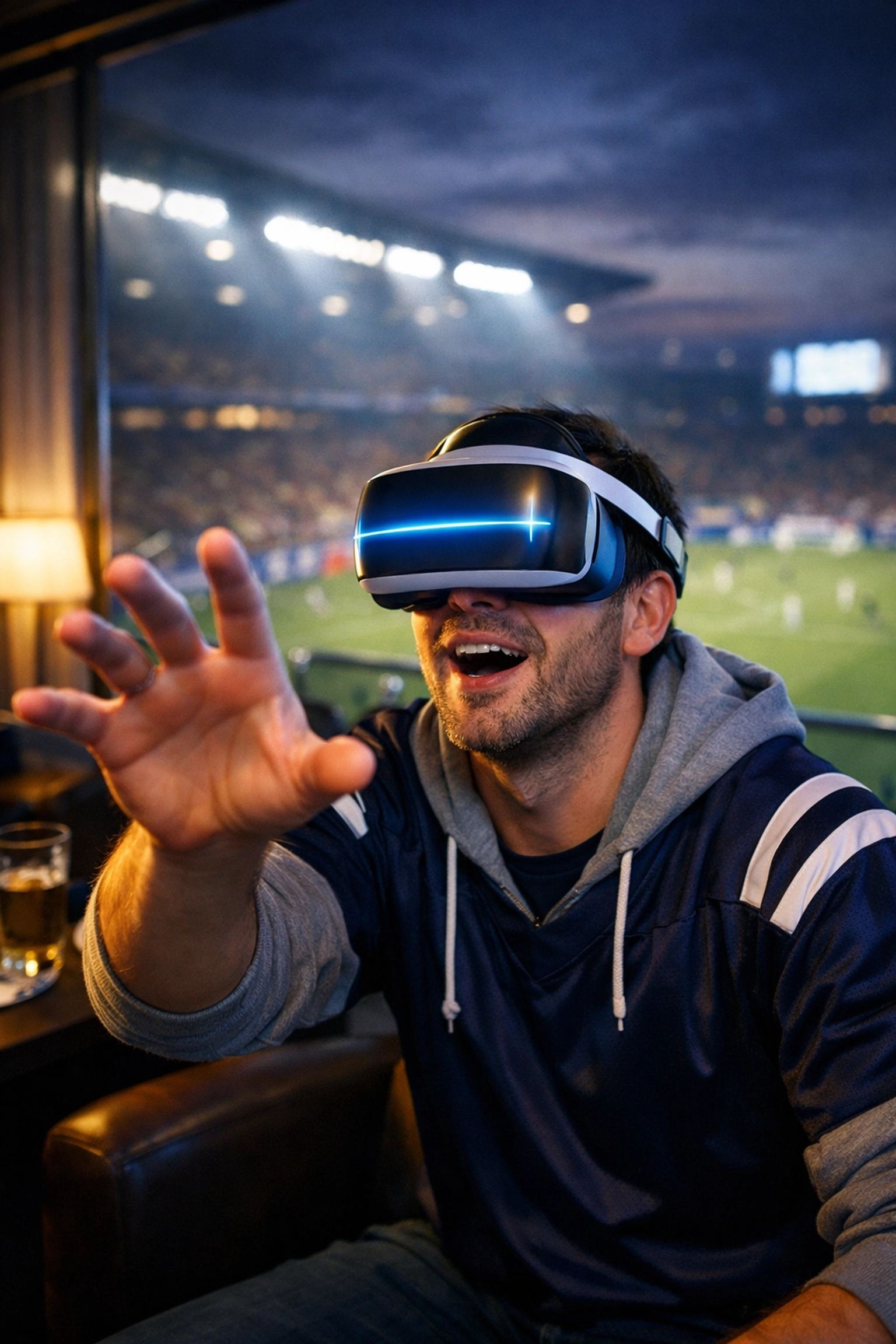
Virtual reality (VR) allows brands to provide fans with access to environments that are otherwise restricted. Offering VR tours of the locker room or a simulated experience of standing on the field during a crucial play can turn a passive observer into an active participant. This immersive technology makes the brand synonymous with innovation and exclusive access.
3. Behind the Scenes Content
Transparency builds trust. By sharing exclusive footage of team preparations, production meetings, or travel logistics on stadium screens and synchronized mobile apps, brands humanize the professional sports machine. This content keeps the audience engaged during pre-game periods and half-time intervals.
4. Fan Contests for Unique Experiences
While standard giveaways have their place, once in a lifetime experiences generate significantly higher engagement. Offering VIP seating upgrades, post-game meet and greets, or the chance to participate in an on-field ceremony creates shareable moments that extend a brand's reach onto social media platforms.
5. Interactive Social Media Contests
Encouraging fans to participate in photo challenges or caption contests via stadium displays fosters a sense of community. When a fan sees their own social media post displayed on a massive stadium screen, the dopamine hit associated with that recognition is directly linked to the sponsoring brand. This strategy provides valuable insights into fan behavior and preferences.
6. Athlete Led Content Takeovers
Humanizing a brand is often best achieved through the voices of those the fans already admire. Allowing athletes to manage brand social media accounts for a day provides an authentic look at the lifestyle behind the sport. This behind the scenes access creates a bridge between the brand and the athlete's personal fan base.
7. Fan Created Work
Inviting the community to submit artwork, remixes, or videos inspired by the brand or team leverages the creative energy of the crowd. Featuring the best submissions on digital perimeter boards rewards the community and provides the brand with authentic, high quality content to curate.
8. Exclusive Content for Loyal Fans
Loyalty programs that offer early access to interviews or special product glimpses reward the most dedicated supporters. This tiered approach to engagement ensures that the brand's most vocal advocates feel valued, which often leads to organic word of mouth marketing.
9. Meet the Team Videos
Produced content that introduces fans to the support staff, coaches, and individual players helps build a multi-dimensional view of the organization. Personal stories and fun facts help fans find common ground with the team, making the brand and the team more relatable.
10. Gamified Challenges
Implementing monthly or game day challenges, such as creative interpretation contests or "show us your hometown" prompts, maintains engagement throughout the season. Gamification encourages repeat interaction and provides a steady stream of user generated content.
11. Quarterly Live Sessions
Meaningful interactions are often more effective than frequent, routine broadcasts. Hosting substantial live events such as Q&A sessions or studio tours four times a year creates a sense of occasion. These events can be broadcast directly to stadium screens and integrated with real time polling.
12. Polls for Creative Decision Making
Giving fans a voice in real decisions, such as choosing a new merchandise design or naming a new product, increases their emotional investment. When a community sees their input implemented in the physical world, their loyalty to the brand strengthens. This approach also acts as a built in market research tool for the CMO.
13. Fan Festivals
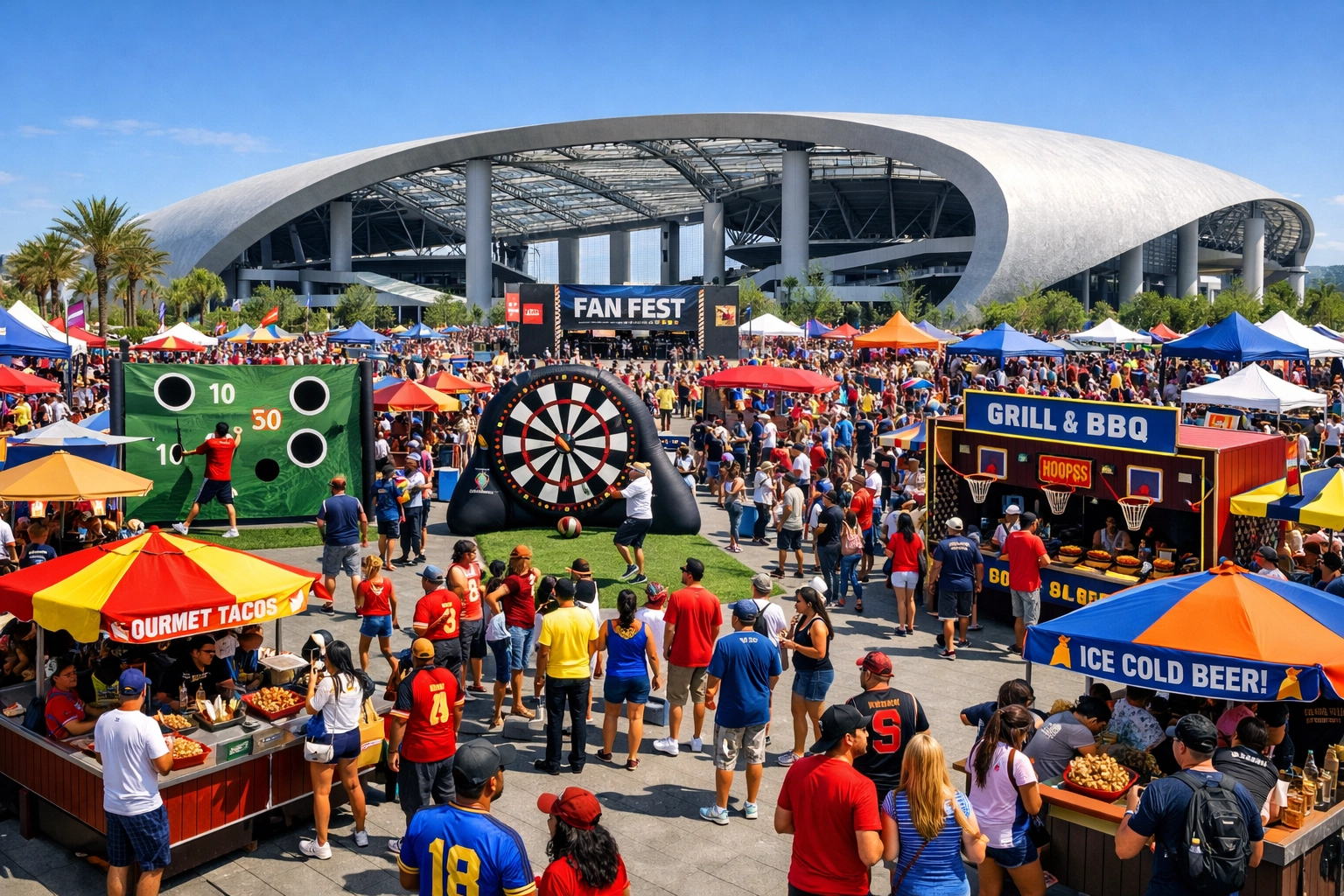
Physical gatherings outside the main event, such as fan festivals featuring live entertainment and food vendors, provide a broader platform for brand activation. These festivals attract new community members and provide a high touch environment for product demonstrations.
14. Real Time Social Media Engagement
Integrating live scores, instant highlights, and social media updates across all stadium displays keeps fans connected. This ensures that the brand remains at the center of the conversation, even when the fan's eyes move from the field to their mobile device.
15. Community Prompts
Simple, direct questions such as "What should we create next?" tap into the collective intelligence of the fan base. This fosters a collaborative relationship where the brand is seen as a listener and a partner in the fan experience.
Strategic Execution and Measurable Impact
Innovation in fan engagement is most effective when backed by data. OOH Sports has demonstrated the efficacy of these strategies through various high profile campaigns. For example, programmatic digital out of home (DOOH) campaigns have shown significant results in shifting consumer perception and behavior.
The campaign for White Claw's vodka launch resulted in a 74% lift in purchase consideration. This success highlights how targeted, dynamic messaging in a sports context can drive actual business outcomes. Similarly, AB InBev's Mike's Hard Iced Tea saw a 119% lift in positive brand image by utilizing programmatic DOOH. These metrics prove that stadium and sports oriented advertising is not just about visibility, it is about moving the needle on key brand indicators.

Technology and Targeting
The transition from traditional signage to digital perimeter boards allows for a level of precision previously unavailable. Brands can now utilize real time data to adjust creative content based on the score, the weather, or the specific demographic present in the stadium.
This technological evolution is essential for creative directors who want to ensure their work is seen by the right people at the right time. By leveraging omnichannel strategies, the impact of a stadium ad can be extended to mobile retargeting, ensuring the brand journey continues long after the final whistle.
The Role of ROI in Fan Engagement
For a CMO, the ultimate validation of any creative strategy is the return on investment. The ability to track ROI for sports marketing through device ID exposure and brand lift studies has changed the way budgets are allocated. When fan engagement ideas are integrated with stadium perimeter advertising, the brand creates a high impact environment that is both memorable and measurable.
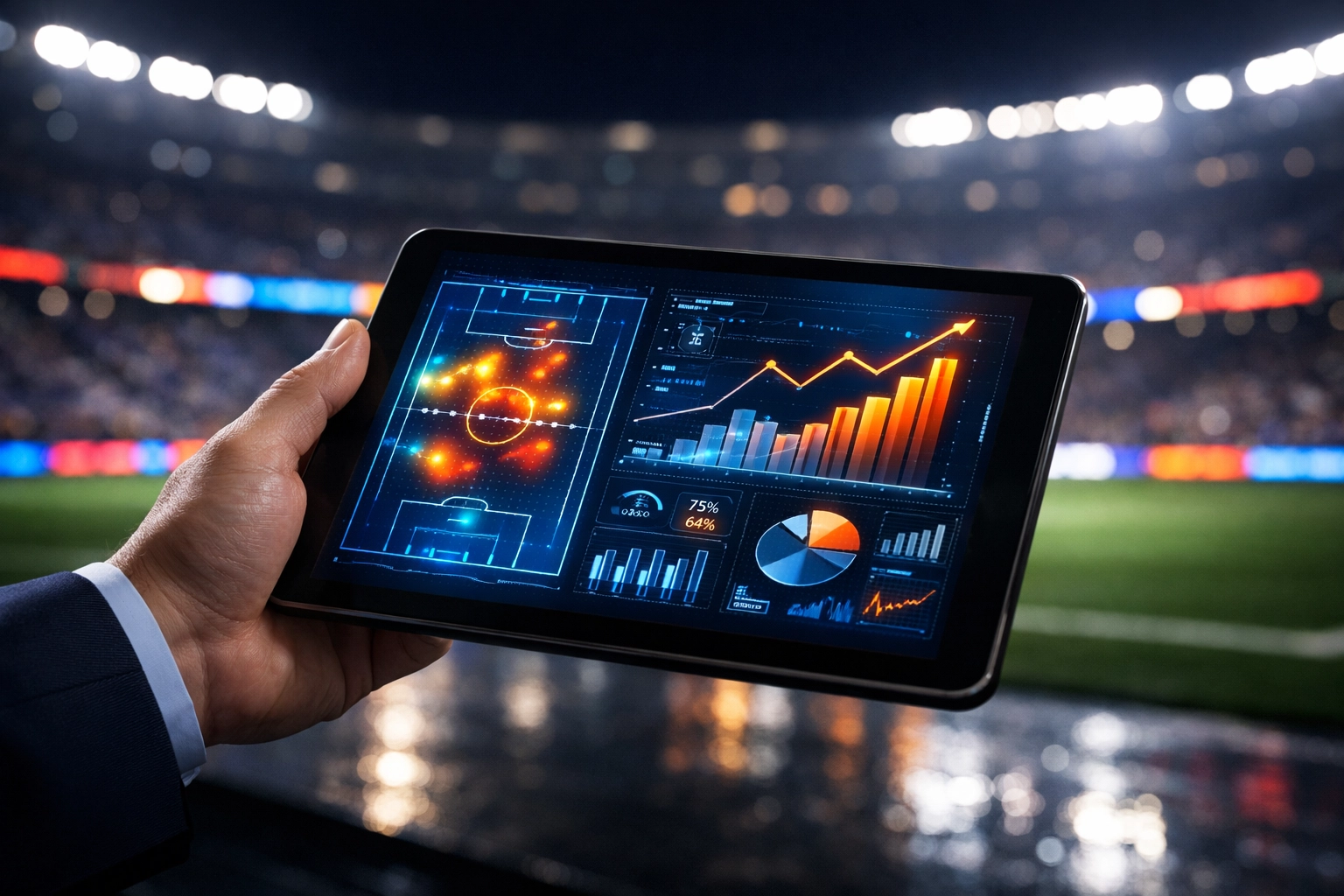
Data suggests that sports DOOH advertising is on a significant growth trajectory, with projections indicating it will reach 50 billion by 2030. Brands that invest in creative fan engagement now will be better positioned to capture their share of this expanding market.
Conclusion
Capturing the attention of fans in a crowded digital world requires a commitment to innovation and a deep understanding of the stadium environment. By utilizing stadium perimeter advertising as a canvas for the fifteen ideas outlined above, brands can transform the fan experience. Whether through personalized merchandise, immersive VR, or real time data integration, the goal remains the same: creating a meaningful connection that translates into brand loyalty and growth.
For those ready to explore the possibilities of modern sports advertising, detailed case studies provide further evidence of how these strategies perform in the real world. Success in the stadium is achieved through a combination of strategic technology and creative courage.
To learn more about implementing these strategies, interested parties are encouraged to contact the team or visit the about page for more information on the company's approach to sports marketing.