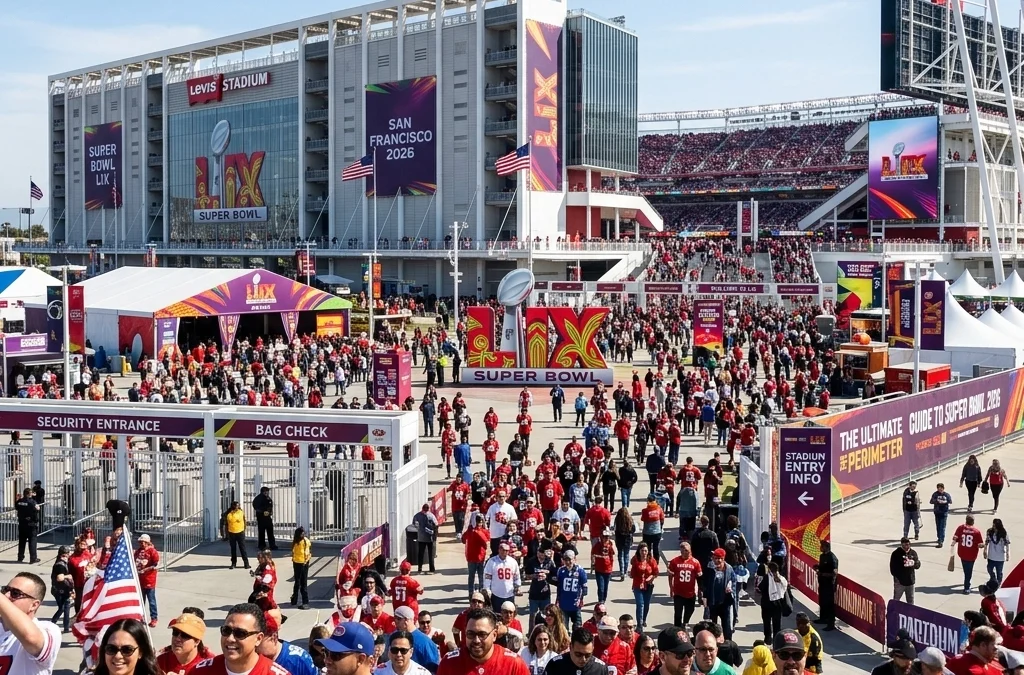
The countdown to Super Bowl LX is officially on. On Sunday, February 8, 2026, the eyes of the world will turn to Levi’s Stadium in Santa Clara, California. As the AFC and NFC champions prepare to battle for the Vince Lombardi Trophy, brands are preparing for a different kind of competition. The fight for consumer attention during the biggest sporting event of the year is intense, but the perimeter of the venue offers a unique opportunity for those who know how to navigate it.
OOH Sports has spent 40 years leading the advertising industry in sports marketing. With a history of managing high stakes campaigns across every major league, the team understands that dominating the Super Bowl requires more than just a single billboard. It requires a venue-wide strategy that covers everything from the floors fans walk on to the digital screens they can’t stop watching.
The Landscape of Super Bowl LX
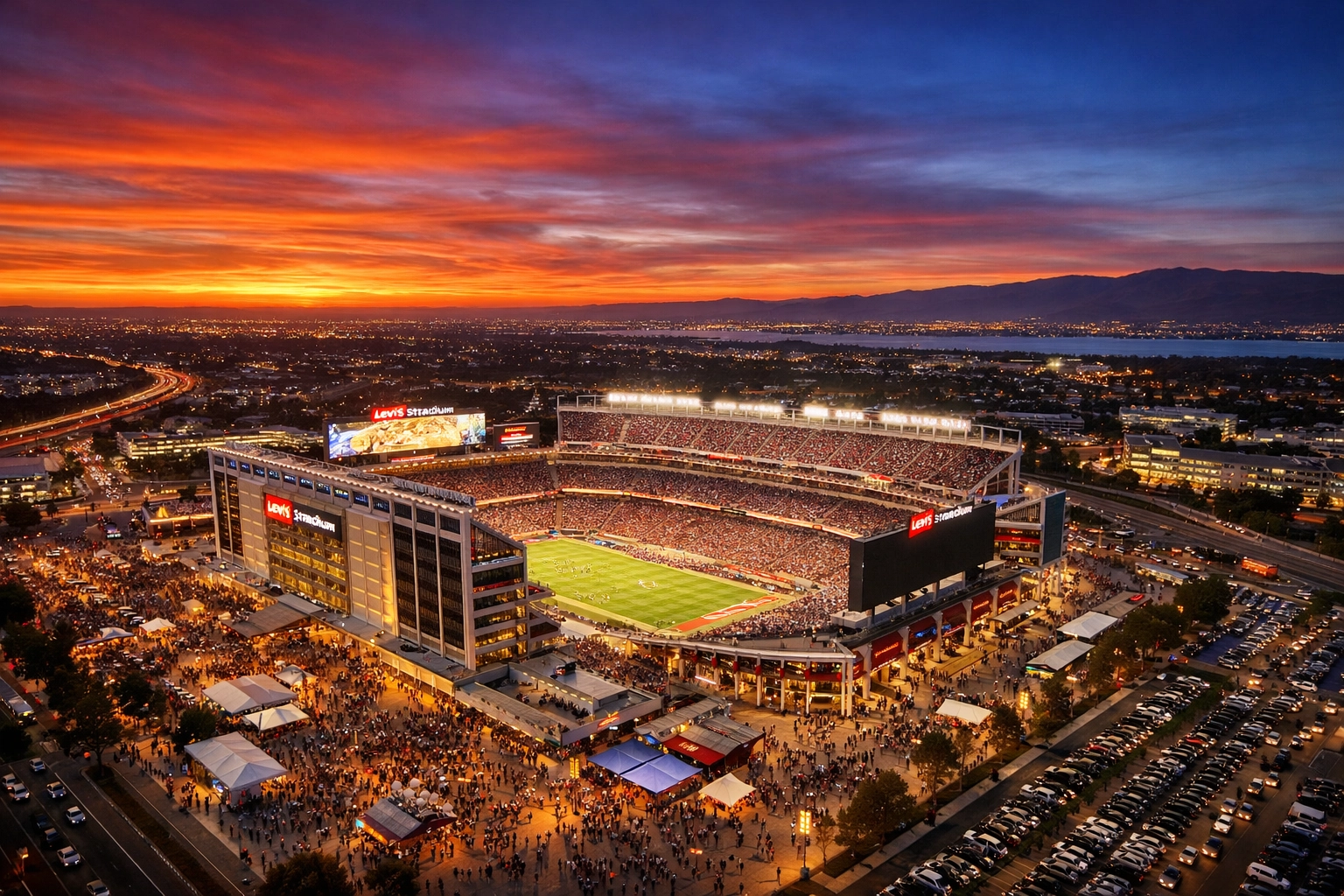
Levi’s Stadium is a state-of-the-art facility, but the Super Bowl experience extends far beyond the stadium walls. The 2026 event is a Bay Area takeover. Events are spread across San Jose and San Francisco, creating a massive footprint for out-of-home (OOH) advertising.
The game itself kicks off at 3:30 PM PT, but the stadium campus opens at 11:00 AM PT for pre-game festivities. This creates a five-hour window of high-density foot traffic before the first whistle even blows. For advertisers, this is prime time. Between the halftime show featuring Bad Bunny and the National Anthem by Charlie Puth, the engagement levels are at an all-time high.
40 Years of Advertising Leadership
Success in the OOH space is built on experience. For four decades, OOH Sports has been at the forefront of stadium and arena advertising. This longevity provides a deep understanding of fan behavior and venue logistics. Whether it is navigating the complex regulations of the NFL or securing the most visible placements in the San Jose Convention Center, 40 years of expertise ensures that every campaign is executed with precision.
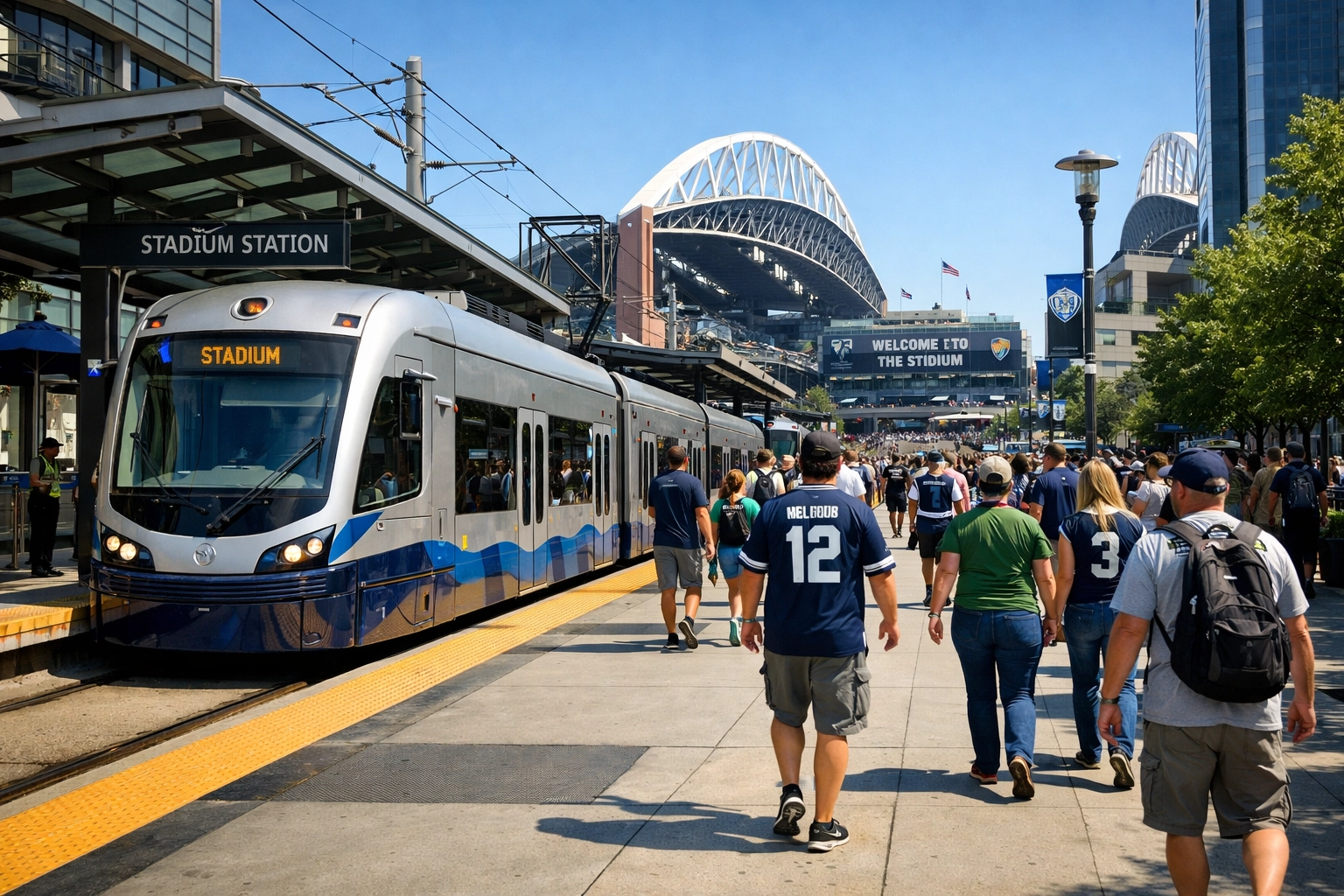
Dominating the perimeter means understanding the flow of the crowd. Fans do not just appear at their seats. They travel via Caltrain to Mountain View, transfer to the VTA Orange Line, and walk through the gates at Great America Station. They spend the week leading up to the game at the Moscone Center for the Super Bowl Experience or at Santana Row for outdoor watch parties. Each of these touchpoints is an opportunity for a brand to make an impression.
From Floors to Billboards: Total Coverage Strategy
A comprehensive advertising strategy leaves no stone unturned. Many brands focus solely on large-scale billboards, but the most effective campaigns utilize a layered approach. This includes:
- Floor Graphics: High-impact vinyl graphics placed in high-traffic areas like transit hubs and stadium entrances. These capture attention when fans are looking down at their phones or navigating the crowd.
- Digital Out-of-Home (DOOH): Real-time, programmatic screens that can be updated instantly. These are essential for reactive messaging based on game events.
- Transit Advertising: Wrapped trains and station takeovers that reach fans during their commute from San Francisco or Oakland.
- Sportrons: High-definition screens located within the immediate vicinity of the venue that provide constant visual dominance. More information on these can be found at https://oohsports.com/sportrons.
https://www.youtube.com/watch?v=l6J-0zileKE
Leveraging Programmatic DOOH for Maximum ROI
The shift toward programmatic digital out-of-home (pDOOH) has changed the way brands approach the Super Bowl. In previous years, traditional static billboards required months of lead time and offered little flexibility. Today, data-driven campaigns allow for a much higher return on investment.
Research shows that pDOOH can drive significant brand lift. For example, a recent campaign for White Claw saw a 74 percent lift in purchase consideration by using targeted digital placements. Similar results were seen with Mike’s Hard Iced Tea, which achieved a 119 percent lift in positive brand image. These metrics prove that being in the right place at the right time with the right digital message is more effective than broad-stroke traditional methods.
Brands can learn more about these results by visiting the White Claw case study and the AB InBev report.
Navigating the Bay Area Perimeter
Super Bowl LX is not just a Santa Clara event. The perimeter spans the entire Bay Area.
San Jose and Santana Row
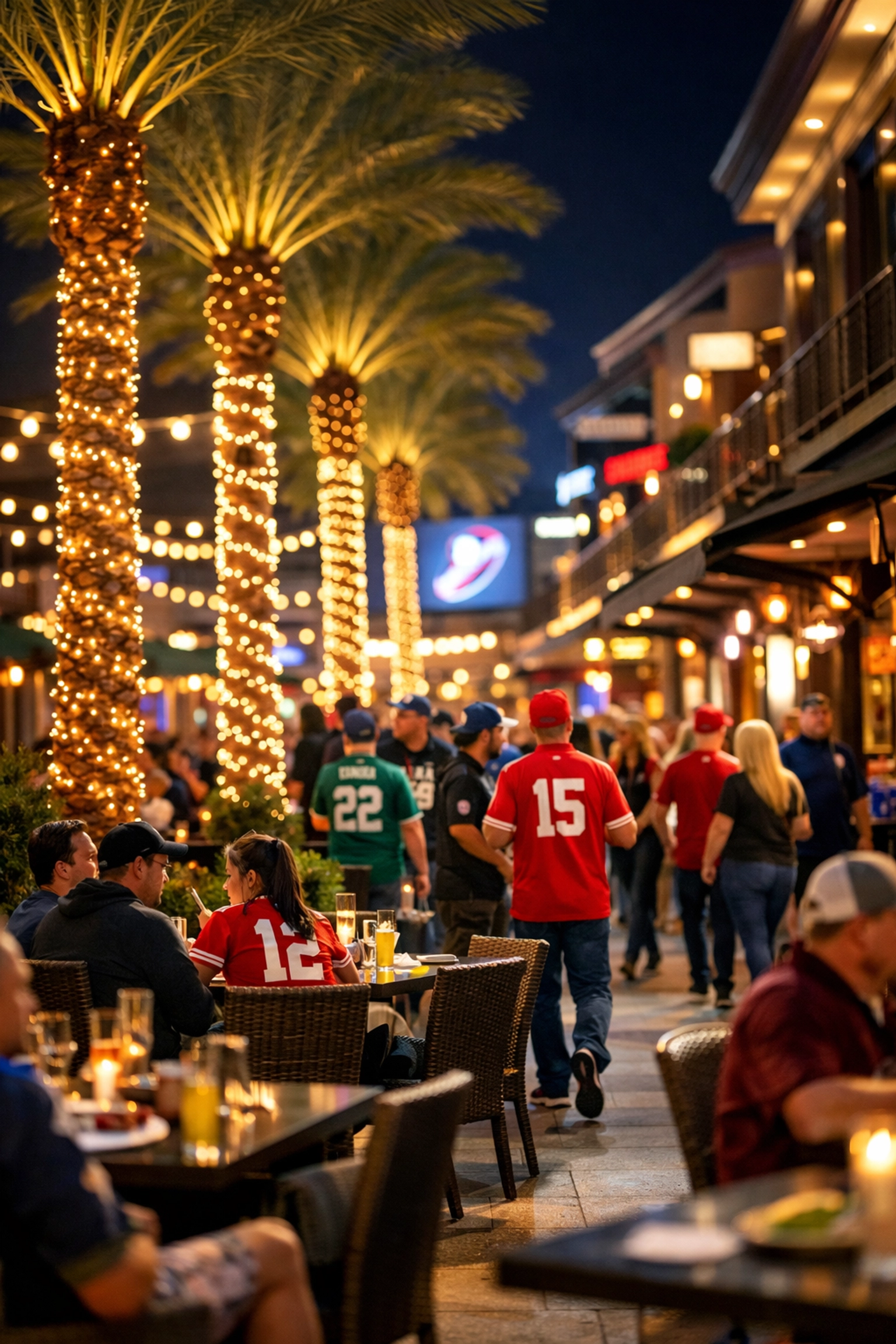
Santana Row is located just minutes from Levi’s Stadium and serves as a primary hub for dining and nightlife. During Super Bowl week, it hosts massive outdoor watch parties and live DJ sets. Advertising in this area reaches a demographic that is looking to spend money on premium experiences.
The Moscone Center (San Francisco)
From February 3 to February 7, the Moscone Center hosts the Super Bowl Experience. This is where fans go for photo ops with the Vince Lombardi Trophy and to participate in the 40-yard dash. The foot traffic here is composed of the most dedicated NFL fans, making it a critical location for venue-perimeter dominance.
San Jose Convention Center
This venue hosts the Super Bowl Opening Night fueled by Gatorade. As the first place fans interact with players and coaches, the energy is electric. Brands that establish a presence here benefit from the "first-to-market" feel of the week's festivities.
Strategic Timing: The Week of the Big Game
The advertising window for Super Bowl 2026 is a multi-day marathon. The "Super Bowl Week" officially kicks off on February 2. To truly dominate, a brand must maintain visibility throughout the entire timeline.
- Monday – Wednesday: Focus on transit hubs and the San Francisco airport (SFO) as fans arrive from around the country.
- Thursday – Saturday: Shift focus to the Moscone Center and the concert series at the Palace of Fine Arts featuring Sting and The Killers.
- Sunday (Game Day): Maximum saturation around Levi's Stadium, including the VTA rail lines and the pedestrian paths leading to the gates.
The Future of Sports Advertising
The industry is moving toward a $50 billion valuation by 2030. As sports marketing continues to grow, the technology used to reach fans is becoming more sophisticated. Strategies that combine traditional OOH with mobile retargeting and programmatic buying are becoming the standard.
By analyzing the results of previous major events, such as the NYC Marathon or regional sports championships, OOH Sports has refined the process of capturing fan attention in high-pressure environments. For a deeper look into these strategies, the blog post on DOOH sports advertising hitting $50 billion offers valuable insights into the long-term trends of the industry.
Why the Perimeter Matters More Than Ever
While the commercials airing during the game are famous, the perimeter advertising captures the audience that is physically present and most likely to engage with the brand in a meaningful way. When a fan sees a brand on the train, then on a floor graphic at the convention center, and finally on a billboard outside the stadium, it creates a sense of brand ubiquity.
This multi-touchpoint approach ensures that the message is not just seen, but remembered. In a crowded marketplace, repetition and strategic placement are the keys to victory.
Final Considerations for Super Bowl LX
Planning for an event of this magnitude requires a partner with a proven track record. OOH Sports provides the logistics, the technology, and the local knowledge necessary to win in the Bay Area. From managing the "Sportrons" to ensuring that every floor graphic is perfectly placed, the 40 years of leadership in the field provide a competitive edge that is difficult to replicate.
As fans prepare to see the Patriots and Seahawks take the field at Levi’s Stadium, and as Bad Bunny takes the stage for the Apple Music Halftime Show, the most successful brands will already be part of the landscape.
To explore more about how programmatic DOOH compares to traditional stadium ads, check out this comparison of ROI for sports marketing.
For those ready to dominate the venue perimeter for Super Bowl 2026, the time to plan is now. Visit the contact page to begin building a strategy that will make a lasting impact on the biggest stage in the world.