
FOR IMMEDIATE RELEASE
OOH Sports Network Announces Major Expansion, Offering Media Buyers Unprecedented Access to Millions of Engaged Sports Fans Globally
The landscape of sports marketing is undergoing a significant transformation. As traditional advertising channels face increasing fragmentation, OOH Sports has reached a new milestone in network expansion, solidifying its position as a primary gateway for brands seeking to connect with high value audiences. This growth phase introduces enhanced programmatic capabilities and an expanded footprint of digital displays, providing a streamlined path for media buyers to execute high impact campaigns.
This guide outlines the strategic framework required to leverage the OOH Sports network effectively. By focusing on data driven placement and the unique dwell time inherent to sporting environments, advertisers can achieve measurable lifts in brand awareness and purchase intent.
Strategy: The Advantage of the Sporting Environment
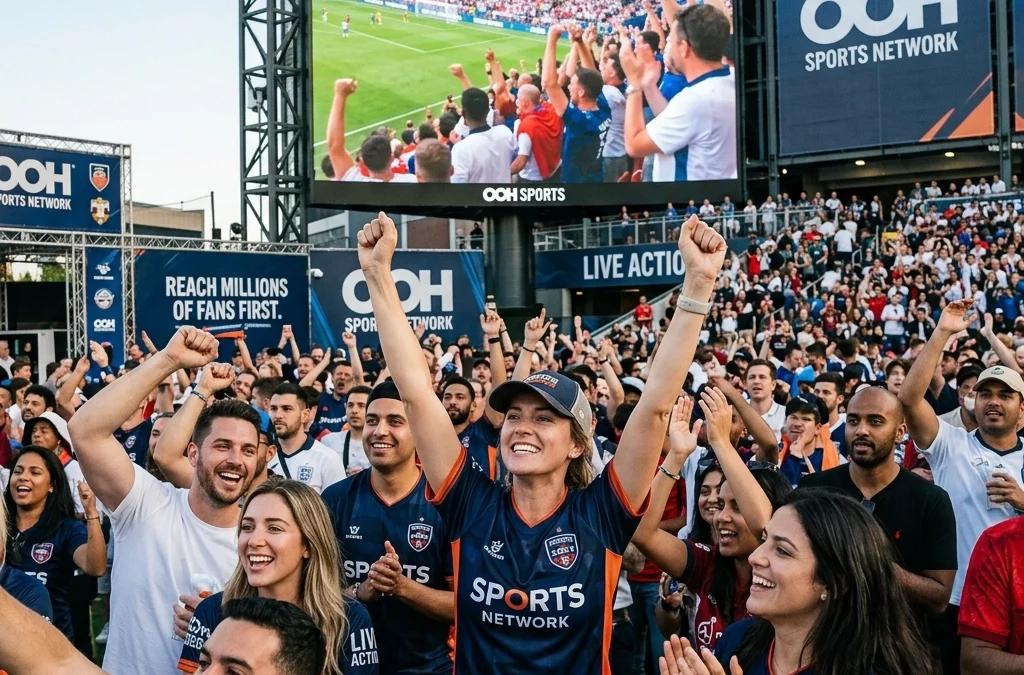
The OOH Sports network operates on a fundamental understanding of fan behavior. Unlike traditional digital advertising, which often competes with a multitude of distractions, out of home (OOH) advertising at sports venues captures an audience in a state of high emotional engagement. Research indicates that event attendees spend an average of four to six hours within and around sporting venues. This extended dwell time provides repeated exposure opportunities that significantly exceed the impressions generated by standard digital banners or social media ads.
The synergy between the excitement of the game and the physical presence of the brand creates a high retention rate. When a fan sees a message on a high definition display while celebrating a score or navigating the concourse, the brand becomes part of the positive experience. This psychological alignment is a core component of the OOH Sports value proposition.
Objective and Strategy: Mapping the Fan Journey
To reach millions of fans effectively, a campaign must be structured around the physical and emotional journey of the attendee. The objective is rarely just visibility; it is about strategic placement at key decision points.
- Entry and Arrival: Messaging at transportation hubs and stadium entrances captures fans during the anticipation phase.
- The Concourse Experience: This is the high volume area. Displays here are ideal for broad brand awareness and food or beverage promotions.
- Premium and VIP Sections: For luxury brands or high end services, targeting the club levels and VIP lounges ensures the message reaches a specific demographic with higher discretionary income.
- Post-Game Engagement: As fans exit, messaging can transition toward retail calls to action or digital follow ups.
By segmenting the network into these specific zones, media buyers can tailor creative assets to the mindset of the fan at different times during the event.

Technology Partners and Infrastructure
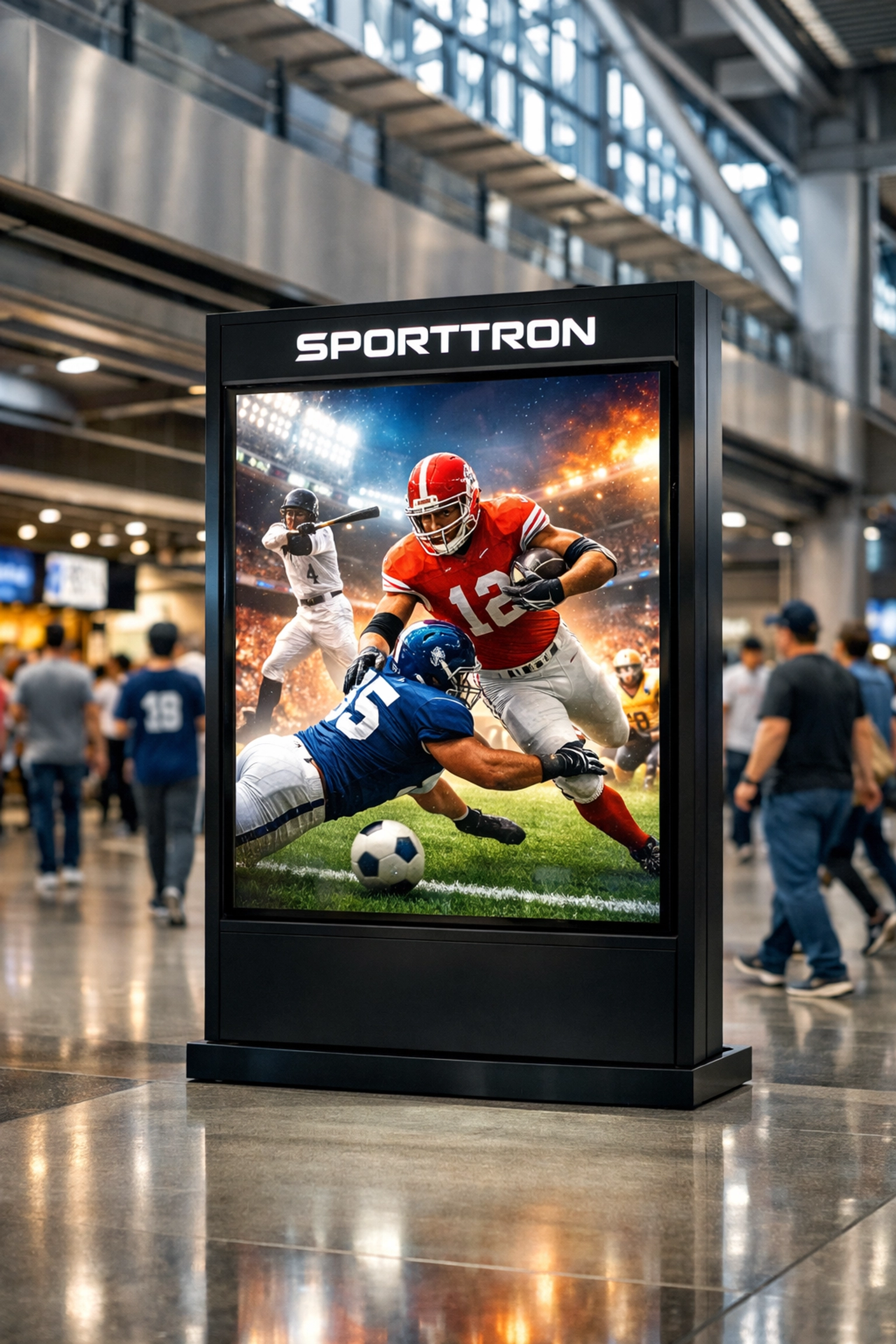
The backbone of this expansion is the integration of advanced hardware and software solutions. The use of Sporttrons represents a significant leap in display technology. These high resolution digital units are designed for maximum visibility in various lighting conditions, ensuring that brand creative remains vibrant and legible from a distance.
Central to the network's efficiency is the adoption of programmatic digital out of home (pDOOH) technology. This allows for real time content management and automated buying processes. Media buyers can now trigger campaigns based on specific contextual signals, such as weather conditions, live game scores, or venue attendance levels. This level of agility ensures that marketing spend is optimized for the moments of highest impact.
The Quick-Start Implementation Process
For brands looking to enter the OOH Sports network for the first time, a systematic approach is required to ensure optimal ROI. The following steps provide a roadmap for a successful launch.
1. Define SMART Objectives
Before selecting placements, it is essential to establish Specific, Measurable, Achievable, Relevant, and Time-bound goals. A campaign focused on a 20% increase in brand favorability requires a different creative strategy than a campaign focused on driving immediate traffic to a stadium retail outlet.
2. Leverage Programmatic Flexibility
Utilizing pDOOH via the OOH Sports marketing platform allows for a "test and learn" approach. Brands can start with smaller budgets across multiple venues and then scale up the top performing locations. This data centric method reduces waste and improves the overall effectiveness of the buy.
3. Design for Impact
Creative assets must be optimized for the OOH environment. This involves:
- Using bold, high contrast colors.
- Keeping messaging concise (under seven words).
- Utilizing clear brand hierarchy.
- Maintaining ample negative space to avoid visual clutter.
4. Integrate Digital Touchpoints
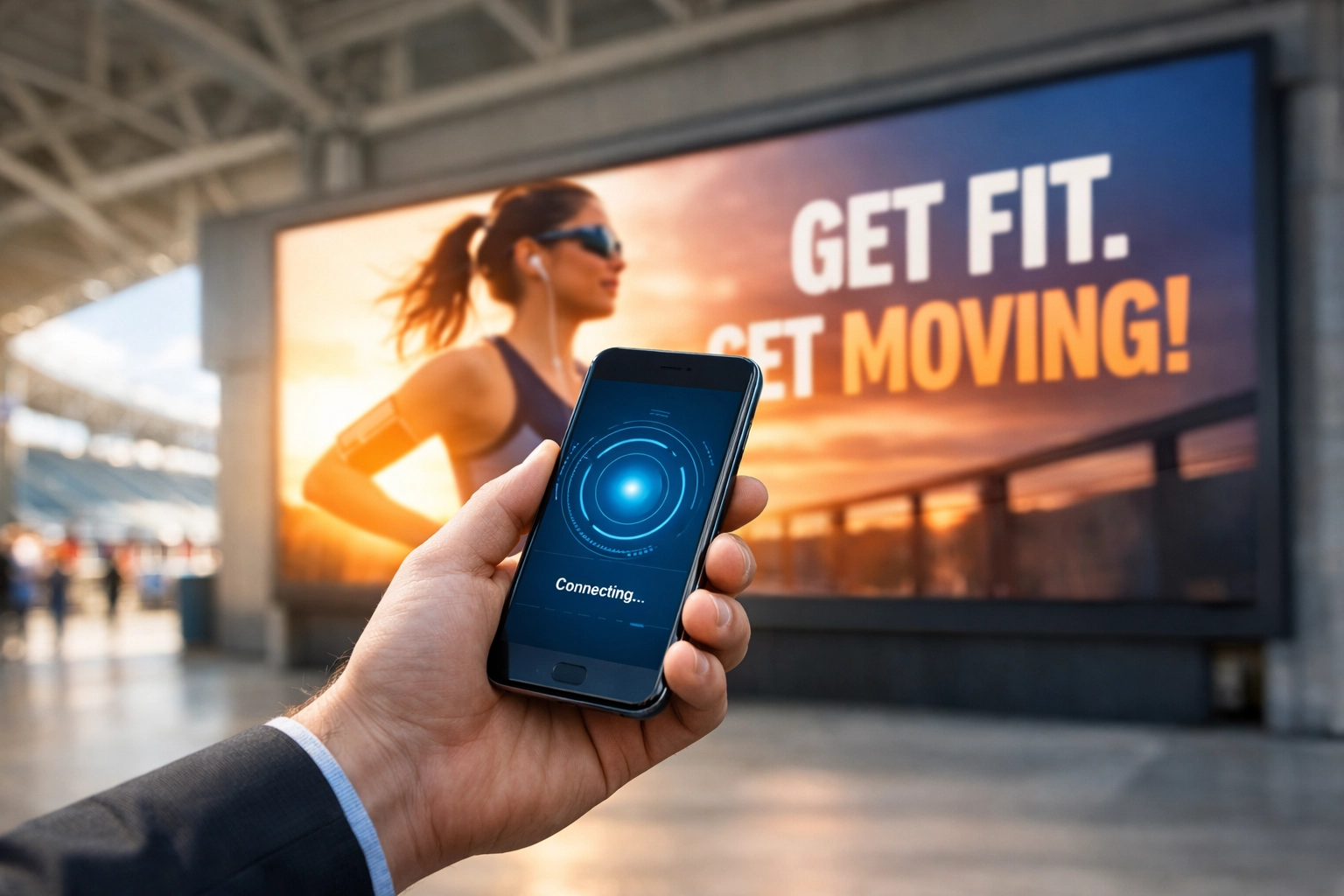
Modern OOH is not a passive medium. By incorporating QR codes or custom URLs, brands can bridge the gap between physical exposure and digital conversion. When fans interact with a display via their mobile devices, it provides valuable attribution data and allows for immediate retargeting.
Measured Results: Case Studies in Success
The efficacy of the OOH Sports network is supported by substantial data from recent campaigns. These results highlight the impact of well executed pDOOH strategies.
- White Claw: By launching a programmatic campaign focused on their vodka launch, the brand saw a 74% lift in purchase consideration. The campaign successfully utilized the high energy environment of sports to position a new product. More details can be found in the White Claw case study.
- AB InBev (Mike’s Hard Iced Tea): This campaign achieved a 119% lift in positive brand image. The strategy focused on high visibility displays during key social windows within the stadium environment. The results are documented in the AB InBev report.
- Sea-Doo: In their first digital OOH campaign, Sea-Doo targeted sports fans to increase purchase consideration by 144%. This illustrates the power of OOH in reaching lifestyle-oriented consumers who are already in a leisure mindset. The full breakdown is available in the Sea-Doo case study.
These examples demonstrate that the OOH Sports network consistently delivers higher engagement metrics compared to traditional stadium signage, which is often static and less targeted.
Logistics and Execution Processes
Executing a campaign across a national or international network of stadiums requires precise logistics. OOH Sports simplifies this process through its centralized management system. Once creative is approved, it can be deployed across hundreds of screens simultaneously or scheduled to appear only during specific game times.
The targeting process involves the use of anonymized mobile location data to understand audience demographics. This ensures that a brand promoting a high performance sports car is appearing in front of an audience with the relevant income profile, while a mass market beverage brand is reaching the widest possible crowd.
Strategic Alignment with Industry Trends
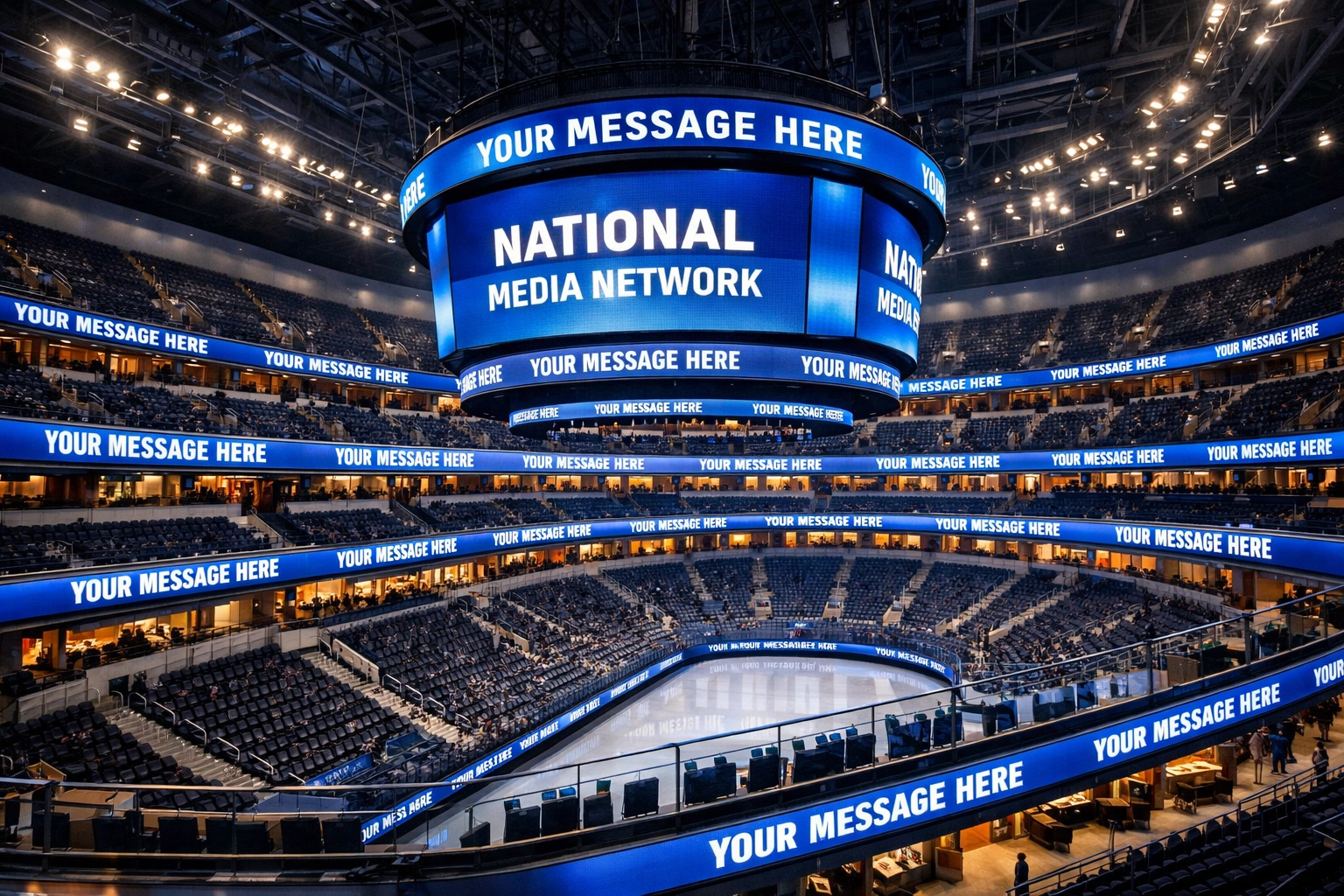
The expansion of the OOH Sports network aligns with broader industry shifts. Experts predict that DOOH sports advertising will hit $50 billion by 2030. Brands that establish their presence within this network now are positioning themselves to capture a significant share of this growing market.
Furthermore, the comparison between programmatic DOOH and traditional stadium ads reveals a clear trend toward the programmatic model. The ability to measure "device IDs exposed" and conduct "brand lift studies" provides the level of transparency and accountability that modern media buyers demand.
Conclusion and Next Steps
The OOH Sports network is more than a series of screens; it is a sophisticated ecosystem designed to connect brands with fans in their most passionate moments. By following this quick-start guide, media buyers can move from planning to execution with confidence, backed by a network that is proven to drive results.
For more information on network availability, technical specifications, or to view more detailed performance data, interested parties are encouraged to visit the about page or reach out directly through the contact section.
As the network continues to grow, the opportunities for creative storytelling and data driven marketing within the sports world will only expand. The time to reach millions of fans is now, and the OOH Sports network is the vehicle to make it happen. For a comprehensive list of all resources, please refer to the sitemap.