
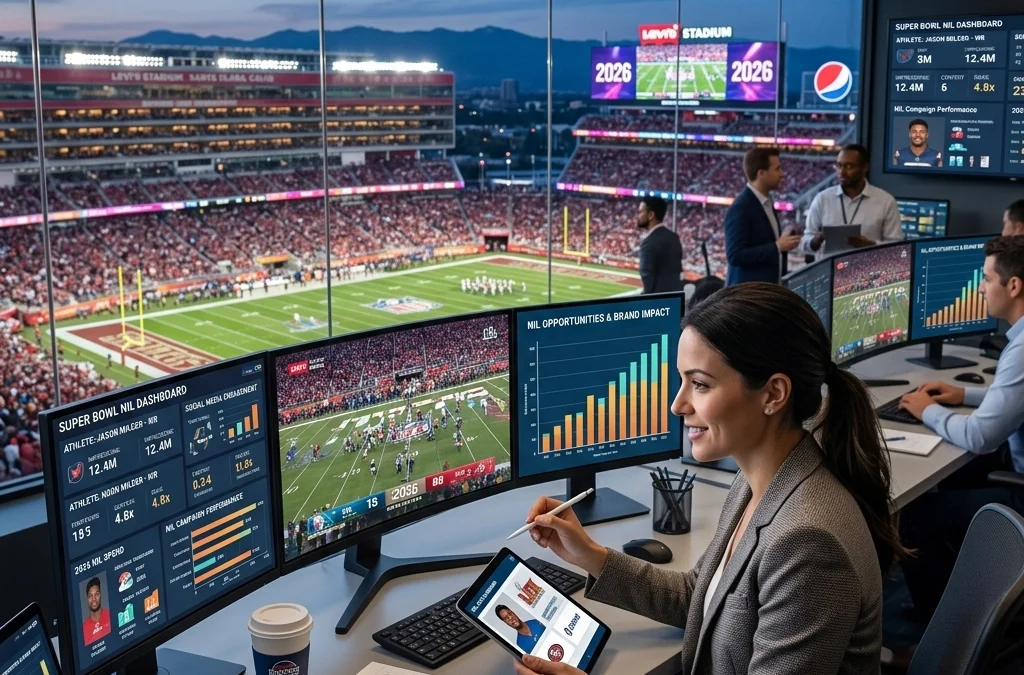
The 2026 Super Bowl in Santa Clara has officially changed the playbook for media buyers. While the traditional $8 million price tag for a 30 second television spot grabbed the headlines, the real story happened on the ground and across the digital screens of fans. The era of relying solely on one or two massive celebrity endorsements is fading. In its place, a more powerful and authentic force has emerged: the Name, Image, and Likeness (NIL) of student-athletes.
At OOH Sports, we saw a massive shift this year. Media buyers moved away from the "one size fits all" strategy and leaned into the power of over 20,000 authentic student-athlete voices. This guide breaks down how you can master this landscape, using our NIL platform to create high impact, localized, and incredibly personal campaigns that actually move the needle.
The Shift Toward Authenticity
In 2026, fans are smarter than ever. They can spot a scripted, inauthentic celebrity endorsement from a mile away. Research from this year's Big Game showed that the most successful campaigns prioritized narrative depth. Fans wanted to see behind the scenes content and genuine stories rather than a polished, generic ad.
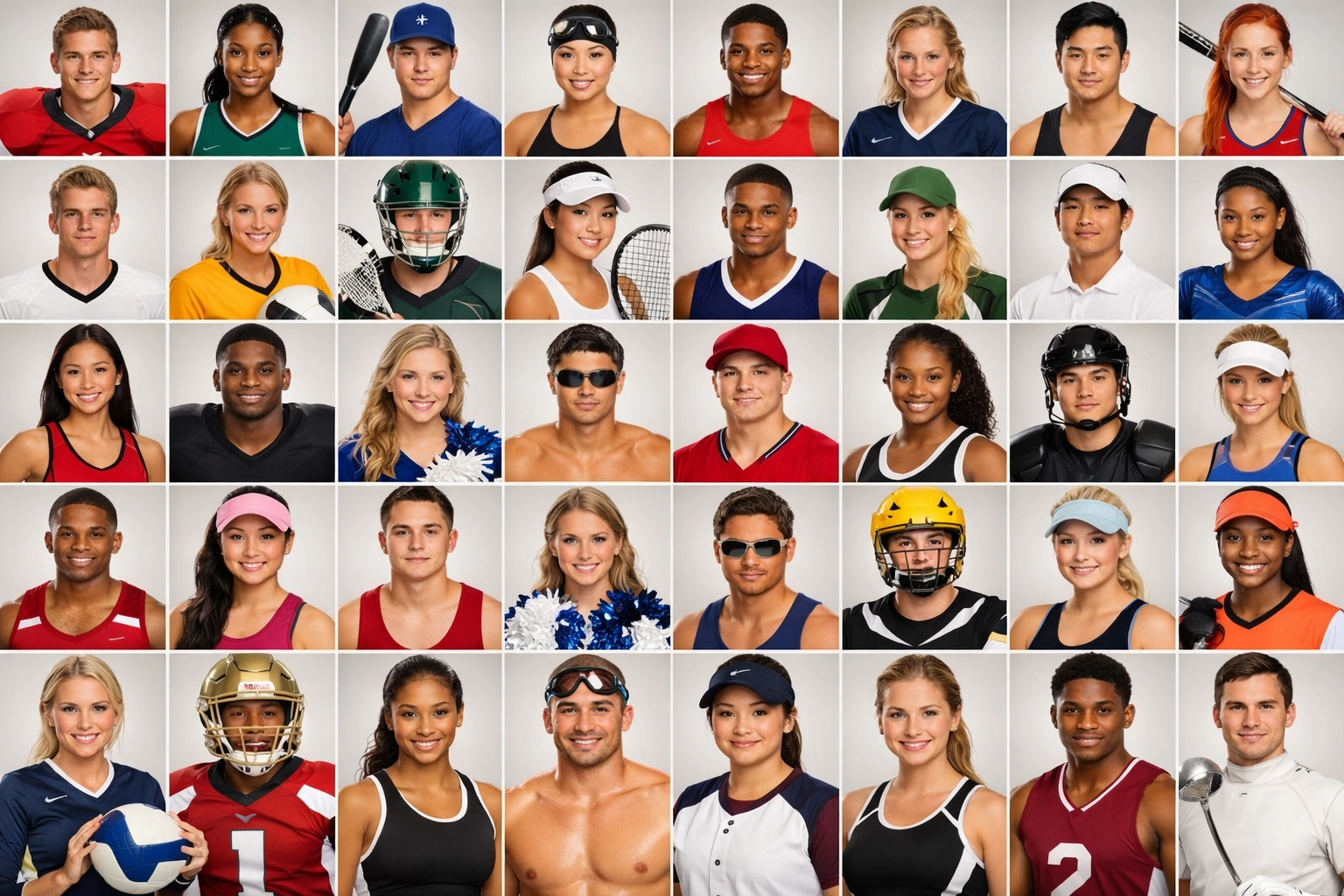
This is where student-athletes shine. These athletes have built-in, highly engaged communities. When a student-athlete shares a brand story, it feels like a recommendation from a friend, not a corporate mandate. By tapping into a network of 20,000+ athletes through the OOH Sports platform, brands are able to achieve a level of scale that was previously impossible without sacrificing that personal touch.
Why 20,000 Voices Beat One Celebrity
It is simple math. Instead of putting all your budget into one basket, media buyers are now diversifying. A single celebrity might have millions of followers, but their engagement is often broad and shallow. Conversely, 20,000 student-athletes provide 20,000 different entry points into specific, niche communities.
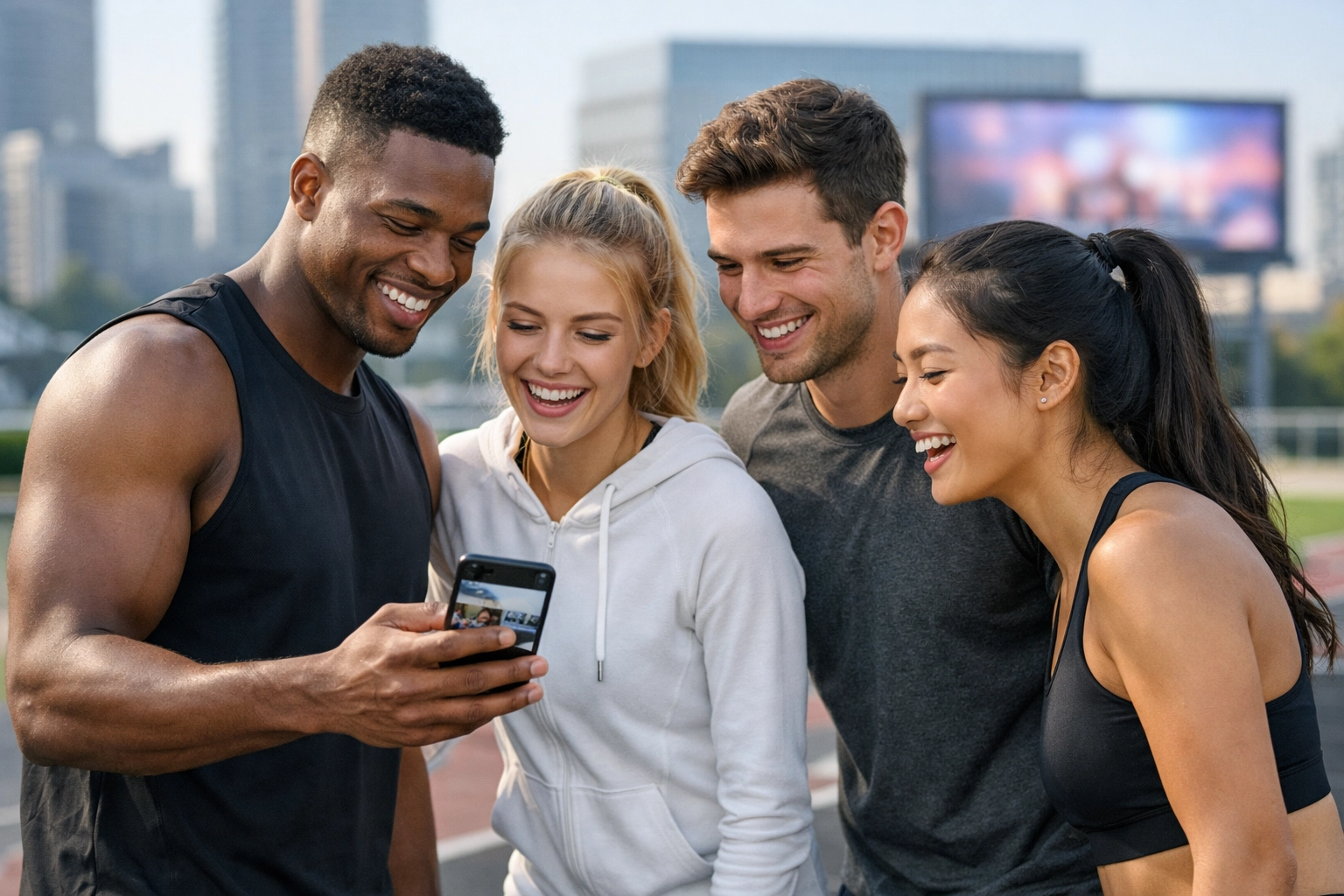
When you use the OOH Sports NIL platform, you are not just buying an ad. You are buying a network of micro-influencers who have a direct line to Gen Z and Millennial sports fans. These athletes are digital natives. They know how to create content that resonates on social media, and when that content is paired with programmatic DOOH, the results are explosive.
A Three-Phase Framework for NIL Success
To master NIL at an event as large as the Super Bowl, you need a structured approach. We recommend a three-phase media buying framework that covers the weeks leading up to the game, the madness of game day, and the critical post-game window.
Phase 1: Priming the Pump (3 to 4 Weeks Out)
Success does not start on Sunday. It starts a month early. During this phase, media buyers use NIL athletes to build audience pools. By having athletes share teaser content and behind the scenes glimpses of their training or their Super Bowl predictions, brands "warm up" the audience. This build-up creates a community of fans who are already invested in the brand narrative before the first whistle blows.
Phase 2: Game Day Execution
On February 8, 2026, real-time agility was the name of the game. The brands that won were the ones with a "war room" mentality. They had creative assets ready for multiple scenarios. If a specific player had a breakout moment, brands could instantly activate NIL content featuring that athlete's peers or former teammates. Using QR codes and location-based digital experiences near the stadium and fan zones allowed for immediate conversion.
Phase 3: Post-Game Retention (30 Days After)
The real ROI happens after the trophy is raised. While the rest of the world moves on, savvy media buyers use the month of March and April to reinforce their message. This includes email recaps, transit corridor branding at airports, and referencing the "cultural moments" that defined the game. Keeping the NIL athletes involved in this post-game conversation ensures the brand remains top of mind long after the jerseys are washed.
Integrating NIL with Out-of-Home Advertising
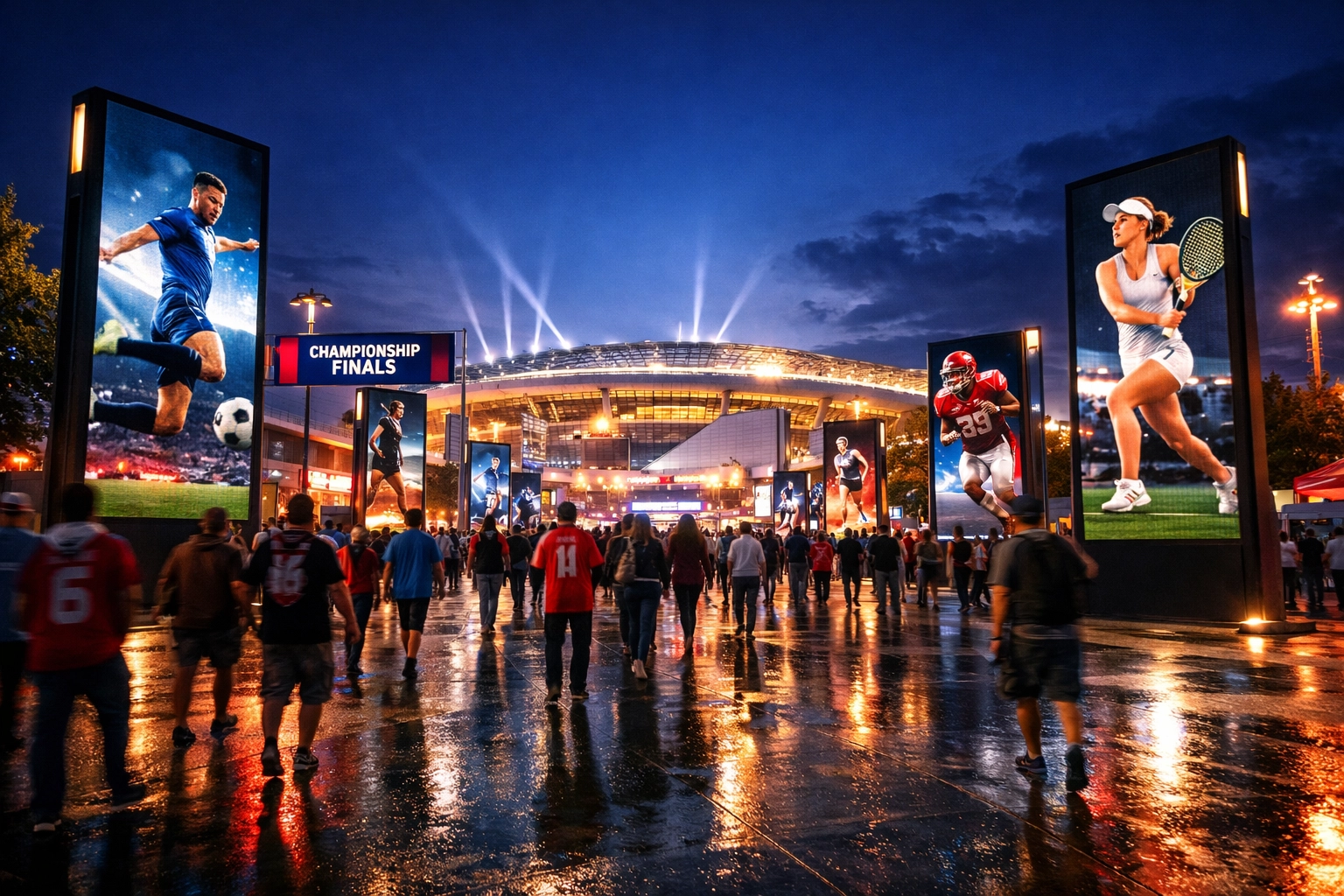
One of the most effective strategies we have seen at OOH Sports is the integration of NIL social content with physical Out-of-Home (OOH) displays. Imagine a fan walking toward Levi's Stadium and seeing a Sportron featuring a local star athlete they just saw on their Instagram feed ten minutes ago. This cross-channel reinforcement is incredibly powerful.
https://www.youtube.com/watch?v=l6J-0zileKE
By leveraging our platform, you can synchronize your digital buys with physical locations. This ensures that your message is not just floating in a feed, but is physically present in the environments where fans are celebrating. This strategy has been proven to drive significant lifts in purchase consideration, similar to the 74% lift seen in recent beverage campaigns.
Managing the Logistics at Scale
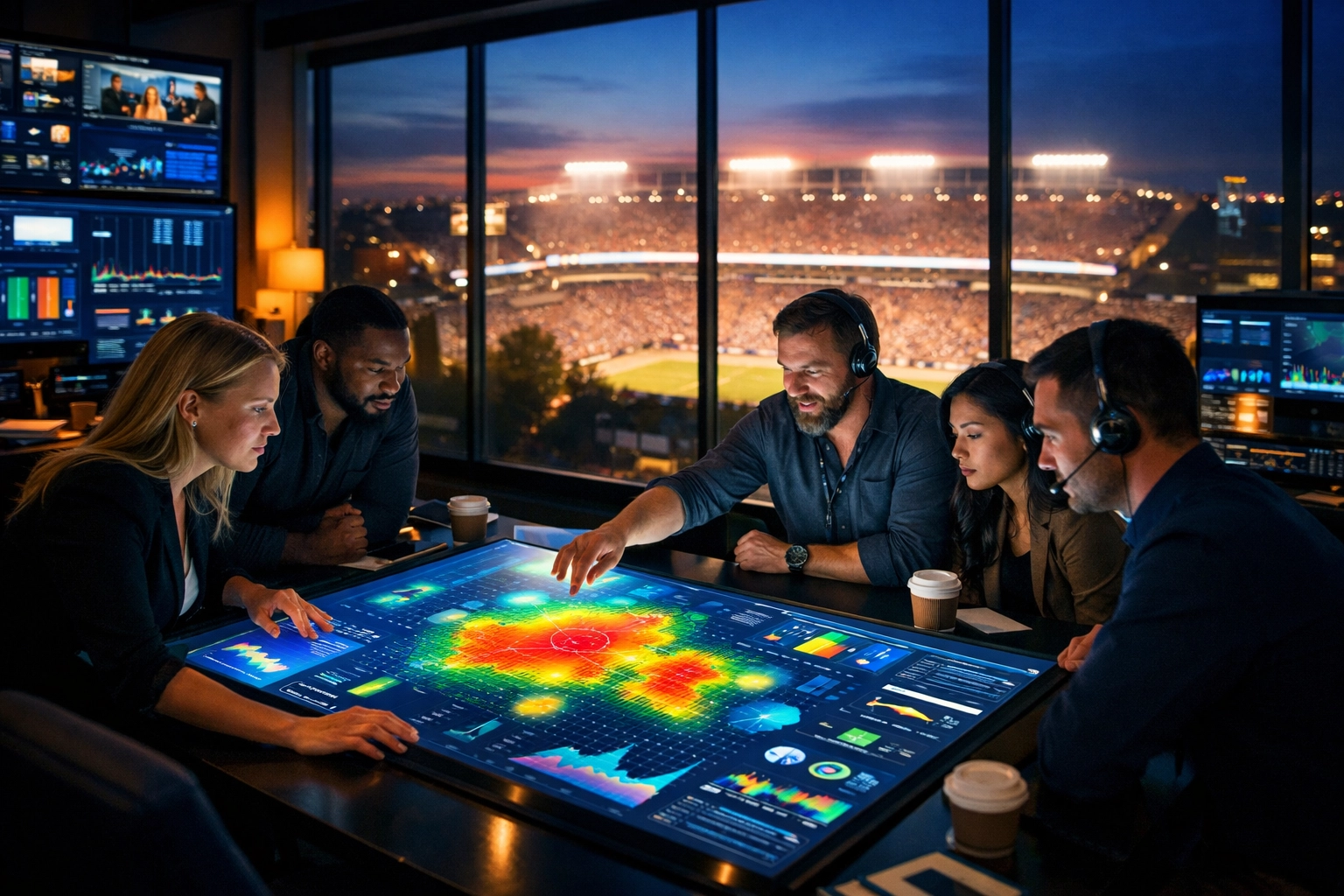
You might be wondering: "How do I manage 20,000 different athletes without losing my mind?" That is the problem OOH Sports was built to solve. Our platform acts as the central hub for your NIL activity. We handle the vetting, the contracts, and the content distribution.
Media buyers can filter athletes by sport, geographic location, follower count, and even engagement rate. This allows for hyper-targeted campaigns. For example, if you want to target fans from a specific university who are traveling to the Super Bowl, you can activate only the athletes from that school. This level of precision is what makes NIL so much more effective than traditional broad-reach advertising.
Measurable Results and ROI
In the past, NIL was seen as a bit of a "wild west" where measurement was difficult. That changed in 2026. We now use advanced attribution models to track exactly how NIL content impacts the bottom line. By using unique tracking links and exposed device IDs, we can see if a fan who engaged with an athlete's post eventually made a purchase or visited a physical store.
We have seen brands achieve between 50 million and 200 million video views through coordinated NIL efforts, often at a fraction of the cost of a traditional celebrity campaign. The data shows that when you distribute your budget across many authentic voices, you get a higher total reach and a much higher engagement rate. For more on how these strategies are evolving, check out our insights on how sports advertising will hit $50 billion by 2030.
The Future of Sports Marketing
The 2026 Super Bowl was a turning point. It proved that the creator economy and the world of sports have fully merged. Student-athletes are no longer just players on a field. They are powerful media channels in their own right.
For media buyers, the message is clear: adapt or get left behind. The brands that are winning are the ones that embrace the "fragmented" definition of fame. They are the ones who realize that 20,000 genuine connections are better than one expensive, fleeting moment on a TV screen.
If you are ready to start planning for the next big event or want to learn more about how to integrate NIL into your current marketing strategy, we are here to help. The technology is here, the athletes are ready, and the fans are waiting.
Final Thoughts for Media Buyers
As we look back at the success of the 2026 season, the takeaway is simple. Focus on authenticity, plan for the long term, and leverage the scale of the OOH Sports platform. Whether it is a local campaign or a national takeover, the power of NIL is the most potent tool in your arsenal.
Stay tuned to our blog for more updates on how the intersection of tech, sports, and advertising is evolving. And as always, if you have questions about how to get started with your next NIL campaign, feel free to contact us. Let's change the game together.