
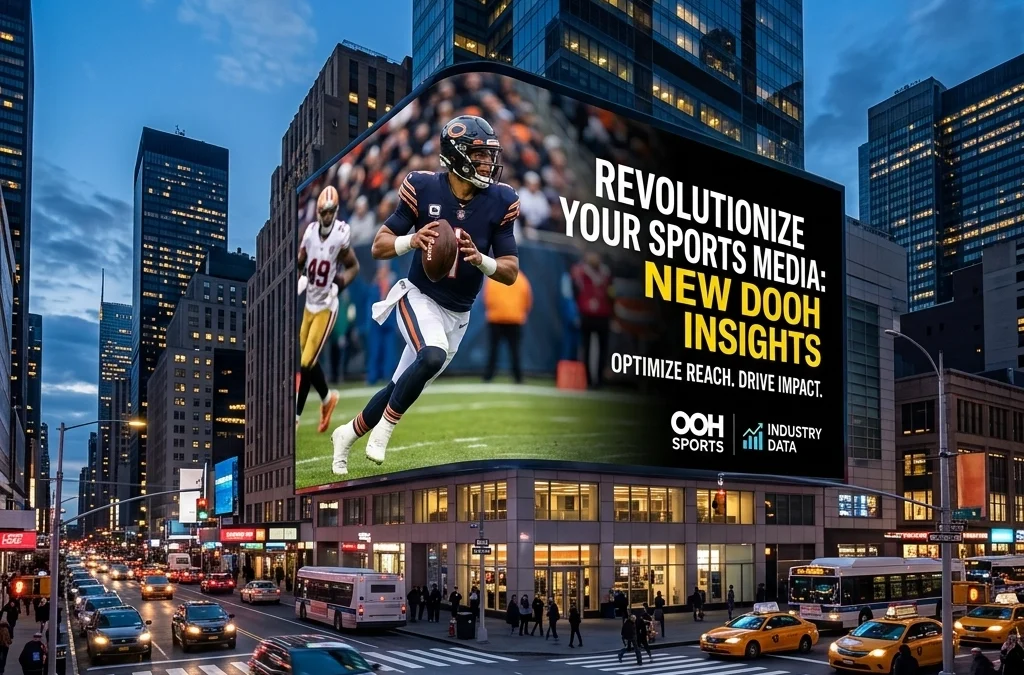
The landscape of sports media planning is undergoing a fundamental transformation. For decades, sports marketing relied heavily on static placements, television commercials, and stadium signage. However, recent industry insights indicate that the future of fan engagement lies in Digital Out-of-Home (DOOH) advertising, driven by data, real-time triggers, and a deeper understanding of the fan lifecycle.
As the sports advertising market heads toward an estimated $50 billion valuation by 2030, the methods used to reach audiences must evolve. Modern strategies no longer view the fan as a captive audience only during the game. Instead, the focus has shifted to a continuous journey that begins long before the first whistle and extends well after the final score.
The Shift from Location-Based to Fan-Centric Planning
Traditional sports media planning often prioritized proximity to the venue. While a billboard outside a stadium remains valuable, new insights suggest that the "Fan Moment Map" is a more effective framework for driving ROI. This map breaks the fan experience into three distinct phases: pre-game, during-game, and post-game.
The Pre-Game Phase: Building Anticipation
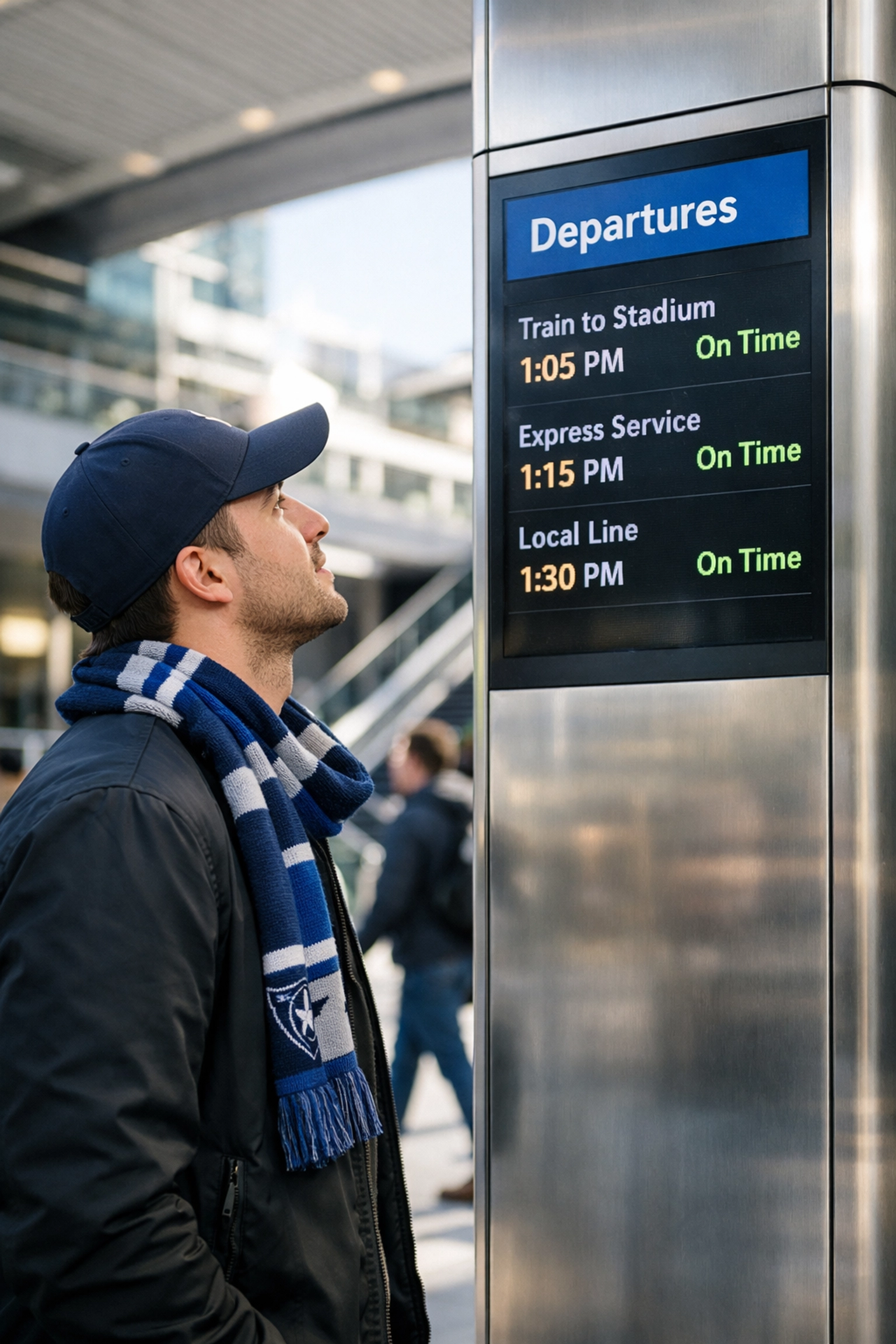
In the hours and days leading up to a major sporting event, fans are in a state of high receptivity. They are commuting to the stadium, visiting local sports bars, or running errands for game day supplies. DOOH enables brands to reach these fans at multiple touchpoints. By utilizing programmatic technology, advertisers can activate screens in transit hubs, grocery stores, and urban centers exactly when the buzz is highest.
The During-Game Phase: Real-Time Engagement
Inside and around the stadium, the atmosphere is electric. This is where products like Sportrons play a critical role. These high-impact digital displays capture attention when emotions are at their peak. Industry data shows that fans are more likely to remember and associate positively with brands that appear during high-stakes moments.
The Post-Game Phase: Sustaining the Connection
The fan journey does not end at the stadium exit. Post-game discussions happen on the commute home, at restaurants, and on social media. DOOH strategies that include screens in high-traffic pedestrian areas and transit networks allow brands to reinforce their message during the "cool down" period, often leading to higher brand recall and intent to purchase.
The Omnichannel Priming Effect
One of the most significant insights in recent years is the "priming effect" created by combining DOOH with other media channels, particularly television and mobile. Research indicates that when a fan is exposed to a DOOH ad, their receptivity to a subsequent ad on a different channel increases significantly.
Strengthening Television Impact
A 30-second television spot is a massive investment. Insights show that reinforcing that TV spot with a 6-second DOOH ad during a fan's daily commute or at a point of purchase creates a mental bridge. This reinforcement makes the marketing spend more efficient. The DOOH placement acts as a physical reminder of the digital or broadcast message, moving the consumer closer to a conversion.
Mobile Integration and Retargeting
Programmatic DOOH allows for the collection of anonymized mobile device IDs that have been exposed to a specific screen. This data is invaluable for omnichannel campaigns. Once a fan has been "primed" by a large-format display, advertisers can retarget those same individuals with personalized mobile ads. This creates a seamless loop between the physical world and the digital world, ensuring the brand remains top of mind.
AI-Driven Personalization and Dynamic Creative Optimization
The introduction of Artificial Intelligence (AI) and Dynamic Creative Optimization (DCO) has turned DOOH from a one-to-many medium into a hyper-personalized communication tool. Static creative is being replaced by dynamic assets that change based on real-time triggers.
Contextual Triggers for Sports
Modern DOOH campaigns can now be programmed to respond to external variables, such as:
- Game Scores: Updating creative in real-time to reflect the current score or a specific play.
- Weather Conditions: Promoting cold beverages or sunblock on hot days, or shifting to team-branded hoodies when the temperature drops.
- Live Odds: Integrating live betting data for sports fans frequenting sports bars or entertainment districts.
This level of relevance ensures that the ad is not just a background image, but a piece of useful information that enhances the fan experience.
Proven Results: Lessons from the Field
The effectiveness of these new DOOH strategies is not just theoretical. Several high-profile campaigns have demonstrated the power of programmatic execution and data-driven targeting.
Boosting Purchase Consideration
In a campaign for White Claw, the brand utilized programmatic DOOH to drive awareness for a new product launch. By targeting specific consumer segments in high-traffic areas, the campaign achieved a 74% lift in purchase consideration. Detailed results of this execution can be found in the White Claw case study.
Enhancing Brand Image
Similarly, AB InBev's Mike's Hard Iced Tea saw a 119% lift in positive brand image by leveraging programmatic DOOH to reach fans in relevant social contexts. The ability to appear in environments where the product is naturally consumed allowed the brand to build a stronger emotional connection with its audience. More on this strategy is available in the AB InBev case study.
Driving High Intent
Sea-Doo utilized its first digital OOH campaign to increase purchase consideration by a staggering 144%. By focusing on lifestyle-aligned locations and using vibrant, dynamic creative, the brand captured the attention of potential buyers at the right moment. The full breakdown is available here: Sea-Doo Case Study.

Strategies to Capture the $50 Billion Market
With the sports advertising market projected to hit $50 billion by 2030, media planners must adopt a forward-thinking approach. Success in this new era requires more than just budget allocation; it requires a strategic framework built on the following pillars.
1. Integrate Programmatic DOOH early
Rather than treating DOOH as an afterthought or an "add-on" to a television buy, it should be integrated into the core planning phase. Programmatic DOOH offers the flexibility to adjust budgets, targeting, and creative on the fly, which is essential in the fast-paced world of sports.
2. Focus on Data-Driven Attribution
The old saying that half of an advertising budget is wasted is no longer acceptable. Modern DOOH platforms provide robust measurement tools, including foot traffic attribution and brand lift studies. Planners should prioritize partners who can provide clear data on how many people were exposed to an ad and what actions they took afterward.
3. Leverage Experiential and Community Touchpoints
Major events like the Super Bowl or the Olympics are obvious choices, but the real growth is in year-round community engagement. DOOH allows brands to maintain a presence in local communities, supporting youth sports or regional teams, which builds long-term brand loyalty.
4. Prioritize Creative Quality
Dynamic technology is only as good as the creative it displays. Brands must invest in high-quality, visually striking assets that are designed specifically for the out-of-home environment. Simple, bold messaging usually outperforms complex text-heavy designs.
Conclusion: The Future of Sports Media Planning
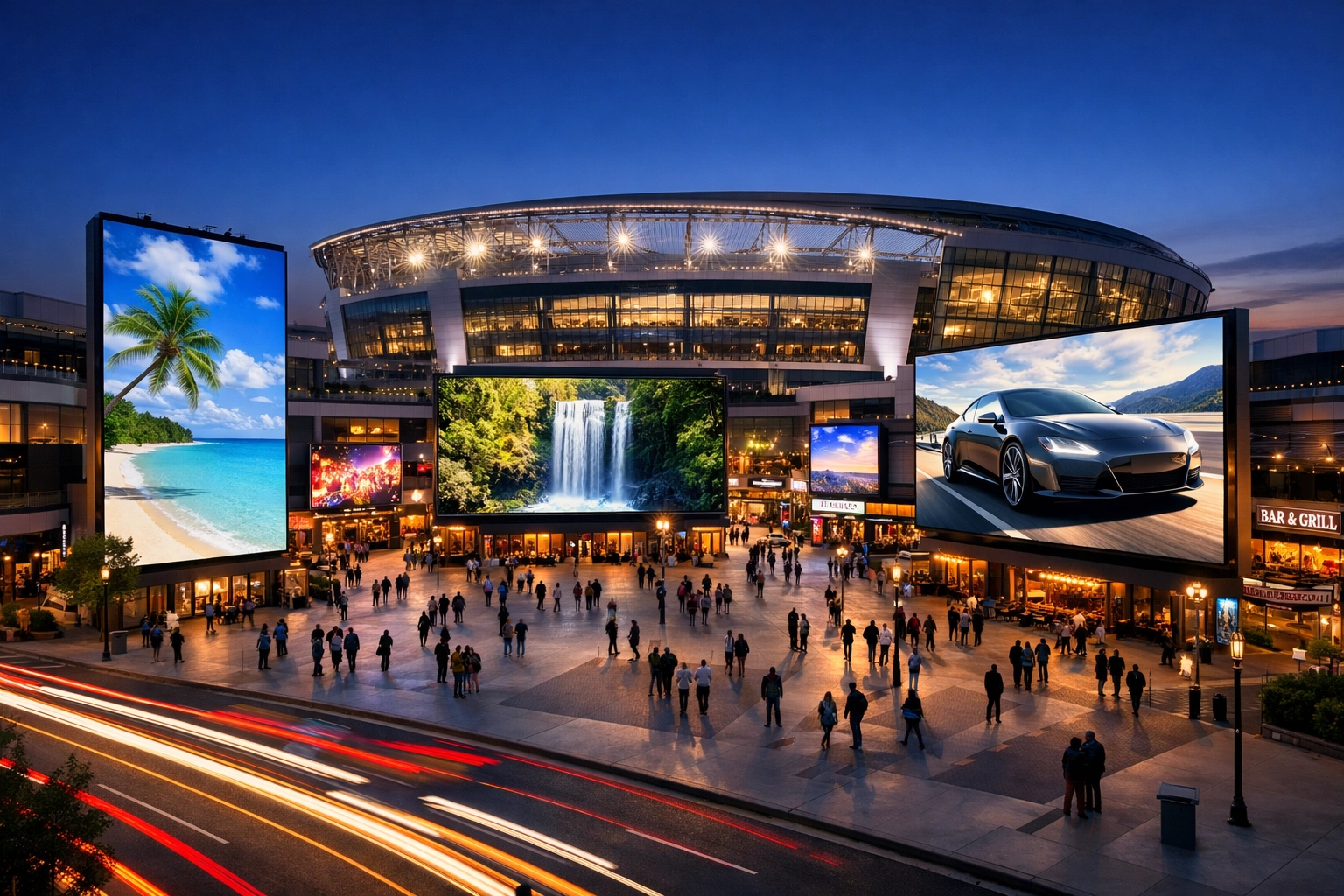
The digital out-of-home industry has moved far beyond the era of simple paper billboards. Today, it is a sophisticated, data-rich ecosystem that offers unparalleled opportunities for sports marketers. By understanding the fan lifecycle, embracing the priming effect of omnichannel campaigns, and utilizing AI for real-time personalization, brands can achieve levels of ROI that were previously impossible.
The shift toward programmatic DOOH is not just a trend; it is the new standard for effective sports media planning. Those who adapt to these insights will be the ones who capture the largest share of the growing $50 billion sports advertising market. For those ready to explore the next level of fan engagement, OOH Sports provides the technology and expertise to turn these insights into measurable results.
To stay informed on the latest strategies and industry shifts, visit the OOH Sports Blog or explore the various marketing resources available to help refine your next campaign. Planning for the future of sports media starts with moving beyond the stadium and into the daily lives of the fans.